Last updated October 15, 2026








Free written scope consultation - allowances, timeline, and change-order rules on paper before a single trade is scheduled
Construction Permits, Codes & Inspections in CA: What You Need to Know
An unpermitted room addition appraised and sold for market value in 2019 can become a lender-flagged liability in 2026 when the buyer’s inspector flags it – and the retroactive permit process in Ventura County can cost more than the original permit would have. The permit is not the obstacle; skipping it is. This guide walks through what California actually requires, what Thousand Oaks specifically enforces, and how the inspection process works from first filing to final sign-off. For more guides & resources on navigating local construction requirements, explore our blog. You’ll learn which projects genuinely need permits, what each inspection stage covers, and what unpermitted work really costs when you go to sell or file an insurance claim.
Quick Answer
In California, any project that alters a structure’s footprint, moves or adds walls, modifies electrical wiring, changes plumbing lines, or replaces major mechanical systems requires a permit from your local building department. In Thousand Oaks, that means Ventura County Building and Safety. Projects that are cosmetic – paint, flooring, cabinet refacing, minor drywall repair – typically do not require permits. The permit process takes anywhere from a few days to several weeks depending on project scope, and skipping it creates a legal record problem that follows the property permanently.
Styles & brands we work with






Table of Contents
- Which Projects Always Require a Permit in California
- What’s Genuinely Exempt: The Statutory Thresholds
- How the Ventura County Permit Portal Actually Works
- What Happens at Each Inspection Stage
- Title 24 vs. Thousand Oaks Local Amendments
- What Unpermitted Work Costs a Thousand Oaks Homeowner
- How Unpermitted Work Affects Insurance Claims
- Common Mistakes to Avoid
Which Projects Always Require a Permit in California
California Building Code (CBC) Section 105.1 is the starting point. It says a permit is required for any work that involves construction, alteration, repair, moving, demolition, or change of occupancy to a building or structure. That’s intentionally broad, so the practical list matters more. Here’s what routinely requires a permit in Thousand Oaks:
- Room additions of any size. A 120-square-foot bump-out counts the same as a second story for permit purposes.
- Interior wall removal or relocation. Even a non-load-bearing partition. The county checks egress, ceiling height, and fire separation.
- Kitchen and bathroom remodels that move plumbing fixtures, add electrical circuits, or alter ventilation. A bathroom remodel in Thousand Oaks that relocates a shower drain triggers both a plumbing and an electrical permit.
- Window and door replacement when the opening changes size. Swapping same-size windows is exempt in most cases; enlarging an opening requires structural review.
- Roof replacement when the new roofing system changes the roof’s weight or ventilation profile. Replacing like-for-like shingles without structural change is exempt, but GAF and CertainTeed shingle-over work still benefits from a permit because the inspector verifies underlayment and flashing.
- Electrical panel upgrades, new circuits, or rewiring. Any service panel change from 100A to 200A triggers a permit and a utility coordination requirement.
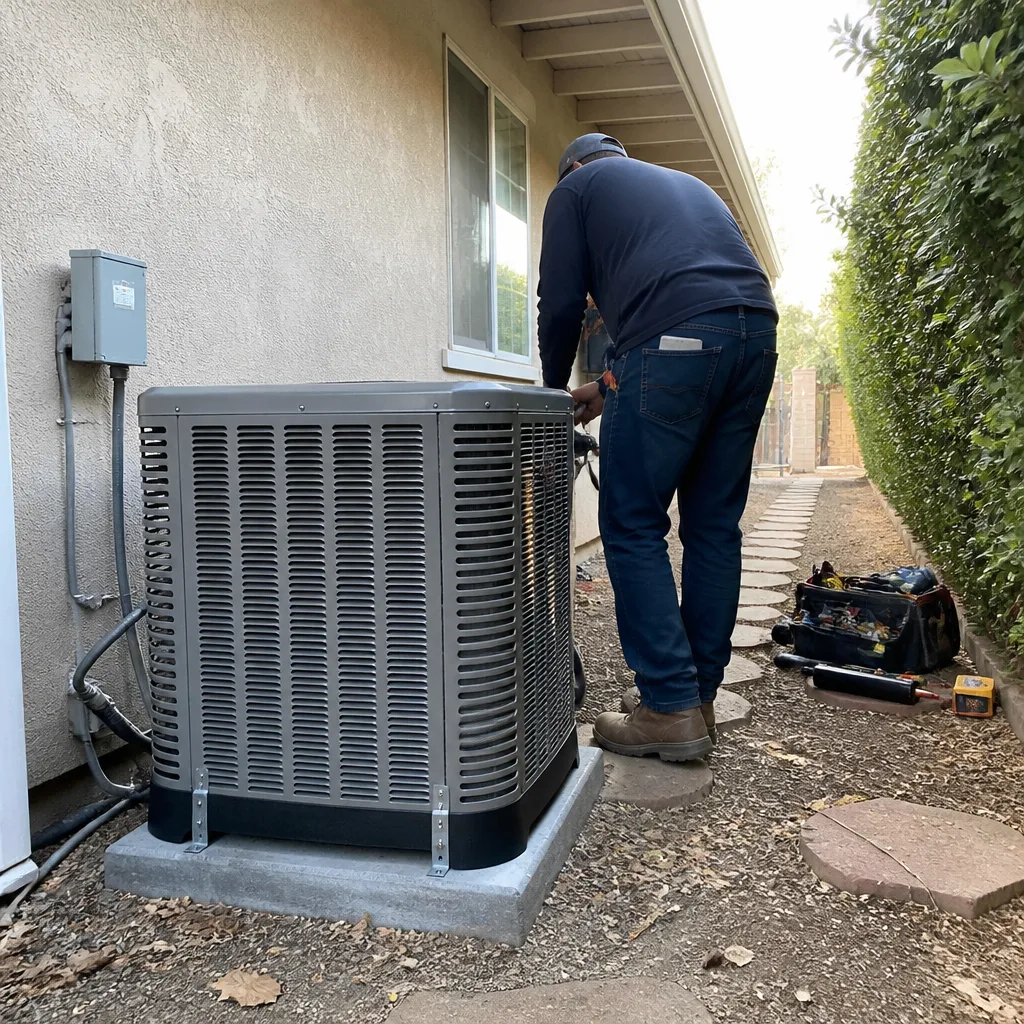
- Water heater replacement, HVAC change-outs, and ductwork modifications. These affect energy compliance and sometimes Title 24 documentation.
- Decks over 30 inches above grade, retaining walls over 4 feet, and new hardscape over 5,000 square feet of impermeable surface. The hardscape rule matters in Thousand Oaks where lot coverage ratios are tight, and Belgard and Unilock paver installations can tip a project into permit territory when they expand driveway or patio footprint.
- Pool and spa installations, including in-ground and above-ground over 5,000 gallons. Barrier, electrical bonding, and drainage requirements apply.
At Mason Remodeling Co Thousand Oaks home, we pull permits on every project that requires one. No exceptions, no “we can do it without the paperwork” talk. The written price we deliver before work begins includes permit fees as a line item, so there’s no surprise cost after demolition starts.
What’s Genuinely Exempt: The Statutory Thresholds
California Code of Regulations Title 24, Part 2, Section 105.2 lists the work exempt from permits. These are not judgment calls – they’re statutory lines. Here’s what a Thousand Oaks homeowner can do without filing:
- Painting, wallpaper, and interior trim work. Any surface finish work, including cabinet painting and refinishing, is exempt.
- Flooring installation – carpet, hardwood, laminate, tile, vinyl. This includes self-leveling underlayment under 1.5 inches thick.
- Cabinet replacement without plumbing or electrical changes. A kitchen where the sink, dishwasher, and outlets stay in the same positions and you swap cabinet boxes and counters only – no permit needed. The moment you move an outlet or the sink drain line, you’re in permit territory.
- Countertop replacement. Cambria, Silestone, and Caesarstone tops go in without permitting as long as the sink cutout stays in the original location.
- Same-size window and door replacement. The opening is the trigger. Same rough opening, same size unit – no permit. Enlarge or move it, and you need one.
- Minor drywall repair under 10 square feet per room. Patching a television mount hole or a doorknob punch-out is exempt.
- Fences under 7 feet high. Thousand Oaks enforces the state standard. Over 7 feet triggers a permit, and in some hillside zones, the practical limit drops to 6 feet due to sightline ordinances.
- One-story detached accessory structures under 120 square feet with no electrical, plumbing, or mechanical systems. A garden shed or small greenhouse. Add a light fixture and it needs an electrical permit.
- Replacing like-for-like plumbing fixtures without moving the rough-in. Swap a faucet, a toilet, a showerhead – exempt. Move the toilet 6 inches and you need a permit because the waste line changes.
The line between exempt and not is deceptively simple. We see homeowners in Thousand Oaks neighborhoods like Newbury Park and Lynn Ranch start a “simple” kitchen refresh, move one outlet, and discover they’ve triggered an electrical permit and an inspection. That’s not a trap – it’s the code protecting the next buyer from unverified wiring. When we deliver a written price for a home remodel in Thousand Oaks, we scope the work against these thresholds line by line so the homeowner knows exactly which items are permit-triggering before demo begins.
How the Ventura County Permit Portal Actually Works
Thousand Oaks contracts its building permit services through Ventura County Building and Safety. The online portal is where permits are applied for, paid for, and tracked. Here’s the sequence for a typical residential remodel:
- Application submittal. Your contractor (or you, if you’re doing owner-builder work) creates an account on the Ventura County Citizen Access portal and submits the project description, a site plan, and construction drawings if the project requires them. For kitchen and bath remodels under 500 square feet of affected area, floor plans and elevations are usually sufficient. Structural changes need stamped engineering.
- Plan review. The county routes your submittal to plan check. This consistently takes 7 to 14 business days for simple remodels and 3 to 6 weeks for additions. Ventura County’s current backlog is lighter than pre-2020 levels, but holiday and fire season staffing affects windows.
- Corrections or approval. If the plan checker flags issues – wrong Title 24 documentation, missing shear wall details, incorrect lot coverage calculation – you get a correction list. Each resubmittal resets the review clock, so a clean first submittal matters. In our experience, about half of homeowner-filed applications need at least one correction round.
- Fee payment and permit issuance. Once approved, the permit is issued electronically and you pay fees. For a typical bathroom remodel in Thousand Oaks, permit fees run $400 to $900 depending on valuation. A whole-home remodel can run $2,500 to $6,000. The written price from a contractor should include these fees; ours always do.
- Inspections scheduling. After the permit is active, inspections are scheduled through the same portal or by phone. Ventura County offers next-day inspection slots for most trades when requested before the cutoff time.
- Final sign-off. After the last inspection passes, the county issues a Certificate of Occupancy or final approval letter. This document is what you show your insurer and your future buyer.
A general contractor in Thousand Oaks who handles permits regularly will know which inspectors work which zones, what each one looks at most closely, and how to stage the job so inspections don’t stall the schedule. That local knowledge is invisible on paper, but it’s often the difference between a 6-week remodel and a 10-week one.
What Happens at Each Inspection Stage
Every permitted project goes through defined inspection points. The exact sequence depends on the work scope, but for a typical permitted remodel, here’s what each inspection covers and what a failed inspection actually means for your timeline.
Stage 1: Foundation and Underground Inspection
For additions or projects that touch the foundation, the inspector checks footing depth, steel reinforcement placement, anchor bolt spacing, and underground plumbing and electrical conduit before concrete is poured. A failure here means you stop and correct before pouring. For a standard residential addition in Thousand Oaks, this inspection takes about 30 minutes if the contractor has the forms and steel exposed properly.
Stage 2: Framing Inspection
The framing inspection is the biggest one. The inspector walks the entire structure checking stud spacing, header sizes over openings, hold-down and shear panel placement, fire blocking, and nailing patterns. If the framing fails, the correction is usually a written list delivered on the spot. Minor fixes – adding a missing anchor bolt or a few nails – can be corrected and re-inspected within a day or two. Major issues, like an undersized header over a patio door, mean pulling material and redoing the work. In Thousand Oaks, where many homes in the Conejo Valley sit in seismic design category D, shear wall and hold-down requirements are stricter than in less active zones, and inspectors check them closely.
Stage 3: Rough Electrical, Plumbing, and Mechanical
These are often combined into a single visit. The inspector checks wire gauge and circuit routing, pipe sizing and venting, duct connections, and gas line pressure testing. The walls are still open at this point. If the inspector signs off, insultation and drywall can proceed. If anything fails, the fix happens before closure – which is exactly why pulling the permit and having the inspection matters. It’s the last look at the bones of the house before they get covered forever.
Stage 4: Insulation Inspection
Ventura County requires an insulation inspection before drywall in most conditioned spaces. The inspector verifies the R-value matches the Title 24 documentation, checks for gaps around electrical boxes and plumbing penetrations, and confirms the vapor barrier placement. This is a quick inspection, but it’s tied directly to the energy compliance documentation.
Stage 5: Final Inspection
The final inspection is comprehensive. The inspector walks the finished space checkingthat all fixtures are installed and operational, that smoke and carbon monoxide detectors are in place and functional, that GFCI outlets test correctly, that the water heater has proper clearance and ventilation, and that the work matches the approved plans. If everything passes, the inspector signs off and the permit is closed. A failed final inspection usually means small punch-list items – a missing smoke detector, an unsecured dishwasher, a GFCI that doesn’t trip. These are fixed and re-inspected within a day or two.
Title 24 vs. Thousand Oaks Local Amendments
California’s Title 24 energy code applies statewide. It sets the baseline for insulation, window efficiency, lighting, water heating, and now solar readiness. But Thousand Oaks, through its contract with Ventura County and its own municipal code, adds local requirements on top of Title 24. Understanding which is which keeps a project from stalling at plan check.
Title 24 applies to: Any project that adds conditioned square footage, changes exterior wall or roof assemblies, replaces windows or doors, installs or replaces HVAC equipment, or replaces water heaters. A kitchen remodel that swaps out a gas range for an induction cooktop triggers Title 24 because the electrical load changes and the ventilation requirement shifts. Every Title 24-compliant project needs a compliance report generated by approved software, and that report is submitted with the permit application.
Thousand Oaks local amendments apply to: Lot coverage ratios, setback adjustments for hillside lots, fence height limits in the Walnut Canyon and Lynn Road corridors, outdoor lighting restrictions under the city’s dark sky ordinance, and specific hardscape permeability requirements. A homeowner in the Sunset Hills neighborhood who wants to expand a patio with Belgard pavers may find the city’s impermeable surface calculation is the binding constraint, not the state energy code. These local rules live in the Thousand Oaks Municipal Code and they vary by zoning district.
The practical difference: Title 24 compliance is documentation-heavy and enforced uniformly. Local amendments are site-specific and require a reading of the property’s zoning designation. A contractor who only knows the state code will miss local triggers and lose time on corrections. We keep both sets of requirements in scope on every project, and the written price reflects the actual permitting pathway for that specific address, not a generic guess.
What Unpermitted Work Costs a Thousand Oaks Homeowner
The cost of skipping a permit is deferred, and it compounds. Here’s what a Thousand Oaks homeowner actually faces downstream:
- Lender flags on sale. Fannie Mae and Freddie Mac lending guidelines allow appraisers to condition an appraisal on verification that an addition or alteration was permitted. If it wasn’t, the buyer’s lender can require retroactive permitting before closing. In a market as competitive as the Conejo Valley’s, that kills deals or forces price reductions that dwarf what the original permit would have cost.
- Retroactive permit costs are higher. Ventura County charges double permit fees for work done without a permit caught after the fact. But the bigger cost is opening walls and ceilings so the inspector can verify the work. An unpermitted bathroom addition that’s been closed up for two years costs $3,000 to $8,000 to open, verify, correct, and close – plus the double fees. The original permit would have been a fraction of that.
- Insurance claim exposure. Insurers are not obligated to cover damage that originates from unpermitted work. If an unpermitted electrical circuit causes a fire, the insurer has grounds to deny the claim. The circuit is unverified, undocumented, and outside the risk model the policy was priced against.
- Disclosure obligations at sale. California’s transfer disclosure statement asks specifically about permits and code compliance. Lying on that form is real estate fraud. Disclosing unpermitted work shaves value. There’s no good option once the work is done wrong.
- Property tax reassessment risk. When unpermitted square footage is discovered and retroactively permitted, the county assessor can add the previously unassessed value to the roll. That’s a permanent property tax increase in addition to the permit and correction costs.
We’ve had homeowners call us after buying a Thousand Oaks home with an unpermitted patio enclosure or a bonus room that predated their purchase. Our Construction Warning Signs: A Thousand Oaks Homeowner’s Reference Guide can help you spot red flags before you buy. The discovery often happens during a remodel when we open a wall and find wiring that was never inspected. At that point the question isn’t whether to permit – it’s how to fix it with minimal disruption, and the answer always costs more than doing it right the first time.
How Unpermitted Work Affects Insurance Claims
Homeowners insurance policies contain a clause that requires the homeowner to comply with all laws and regulations. Unpermitted work violates that clause by definition. When a claim is filed, the adjuster’s first questions are often about permits: What was the scope of the work? Who did it? Was it inspected?
If the answer is unpermitted work, here’s what happens in practice:
- The insurer investigates causation. If the loss originates from unpermitted work – a water heater that failed because it was installed without an inspection, a deck collapse from unverified footings, an electrical fire from an unpermitted panel – the claim can be denied outright. The insurer argues the damage was caused by a condition the policy never agreed to cover because the work was outside legal requirements.
- Documentation demands increase. Even if the insurer doesn’t deny the claim, they may ask for proof that the work was permitted and inspected. Without a permit file, the homeowner is in a defensive position with no paperwork to produce. Claims slow down. Payouts get reduced.
- Premiums rise or coverage drops after discovery. Once an insurer knows unpermitted work exists on the property, they may non-renew the policy or add exclusions. Shopping for new coverage with a history of unpermitted work on the disclosure is harder and more expensive.
The paperwork matters more than most homeowners realize. The signed-off permit is the document that proves the work was done to code. That’s the piece of paper the insurer wants after a loss. We encourage every homeowner to keep their permit file – the issued permit, the inspection sign-offs, and the final approval – with their insurance documents. A remodel done by Mason Remodeling comes with a written price, a written guarantee, and a closed permit file, because all three protect the homeowner in ways that only become clear when something goes wrong.
Common Mistakes to Avoid
- Treating “cosmetic” as a blanket exemption. Painting is exempt. Moving a wall is not. The word “cosmetic” is not a legal category. Know the statutory thresholds from CBC 105.2 before starting, and if you’re unsure, call the building department and ask. A 5-minute phone call avoids a $3,000 correction later.
- Letting a contractor talk you out of a permit. Any contractor who suggests skipping the permit to save time or money is not doing you a favor. They’re shifting legal and financial risk onto you. A contractor willing to cut that corner will cut others you can’t see.
- Starting demo before the permit is issued. It’s tempting to begin demolition while the plan check runs, but in Thousand Oaks demo without a permit is a code violation, and the county can issue a stop work order. Once a stop work order hits the property record, the next permit application gets extra scrutiny.
- Ignoring Title 24 documentation for window and HVAC replacements. Every window replacement that changes the glass area triggers an energy compliance review. Skipping it means the project won’t close and the property can’t be finalized for resale.
- Assuming the inspector is a formality. Ventura County inspectors are thorough and specific. A contractor who schedules an inspection before the work is actually ready wastes a day and triggers a fail on the record. Failures are correctable, but they add time and scrutiny.
- Not keeping permit records after the project closes. The closed permit file is the only proof your work was done legally. If you sell the home, file an insurance claim, or get reassessed by the county, that file is your defense. Scan it, save it, keep it forever.
See the difference
 Before
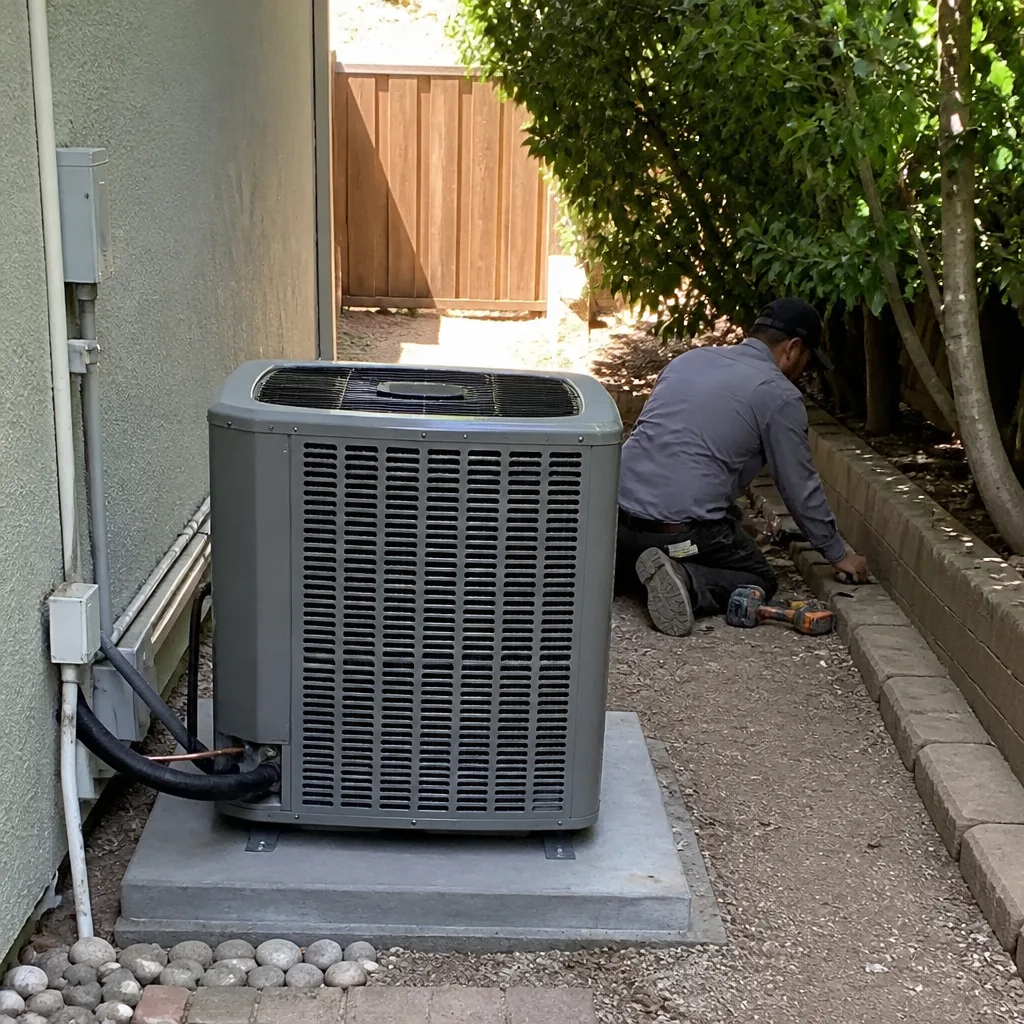 After
After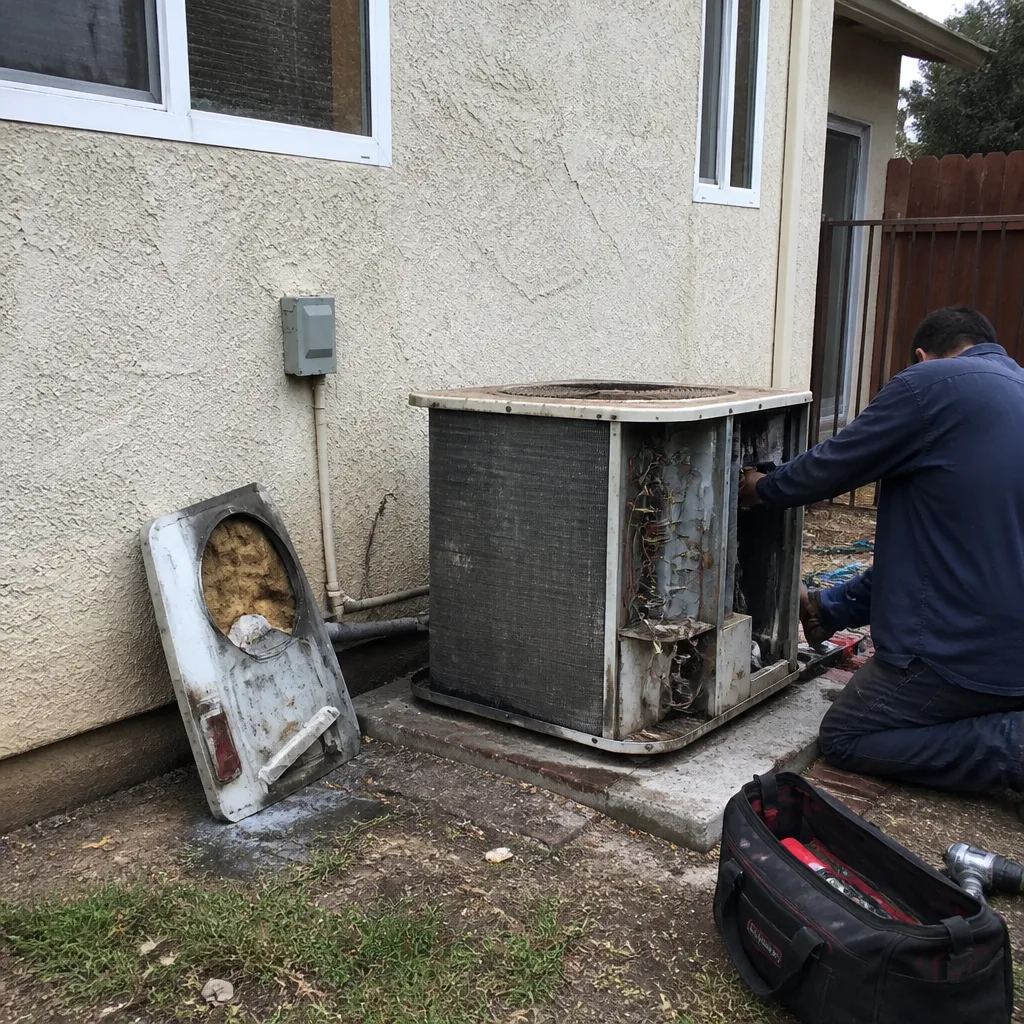 Before
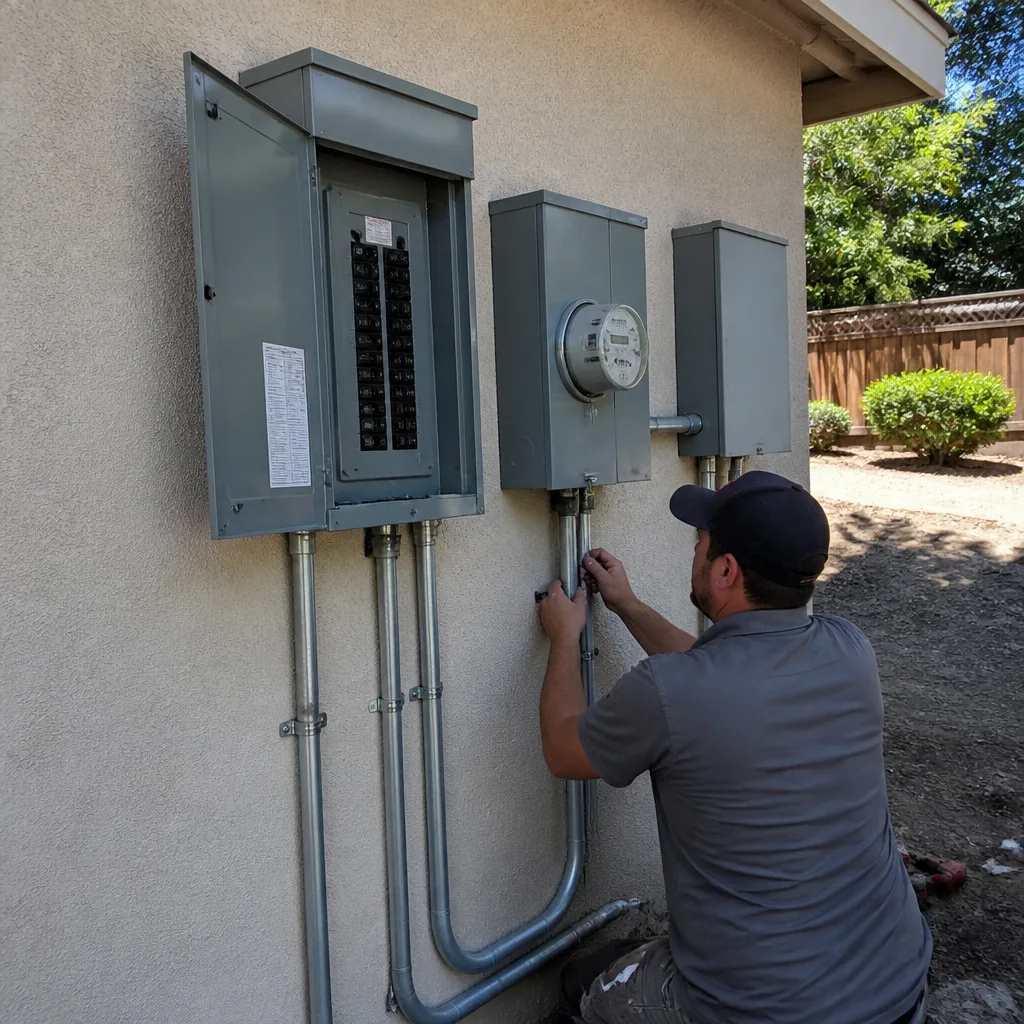 After
After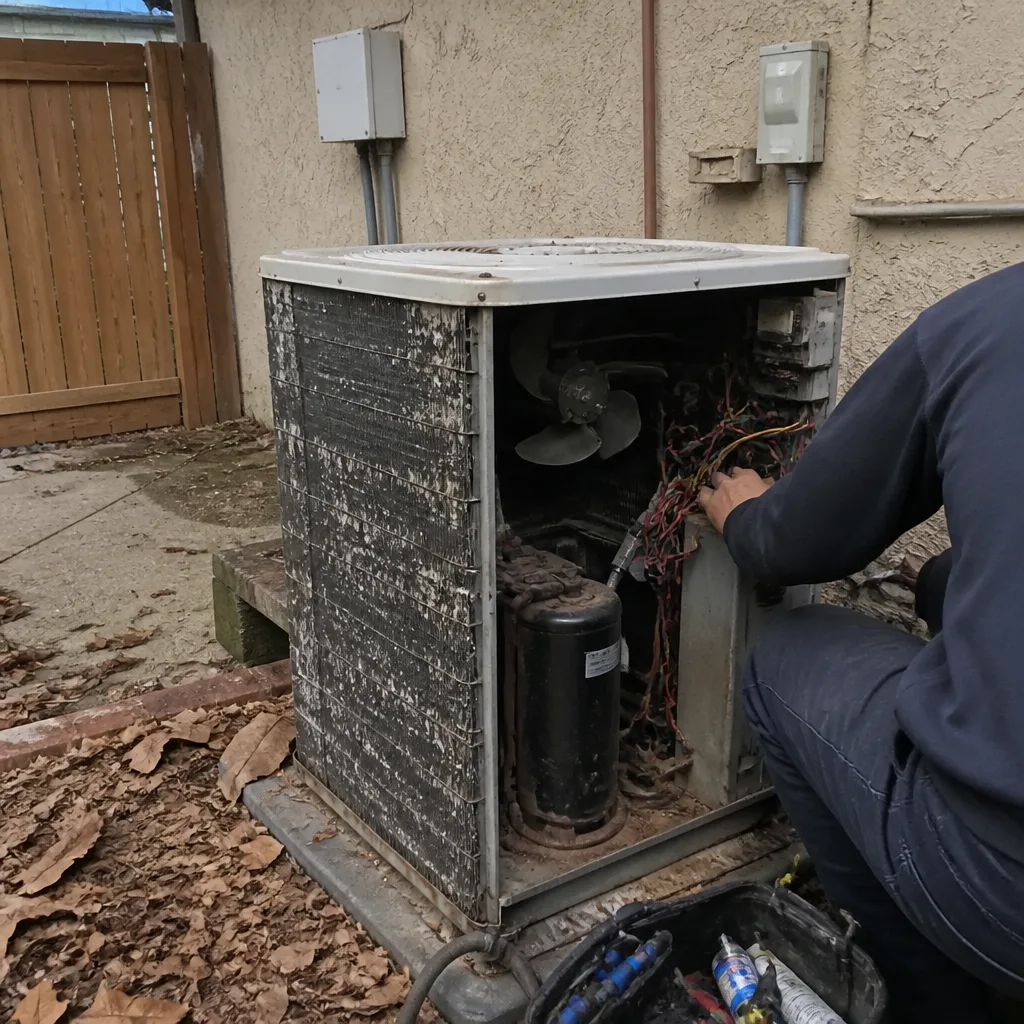 Before
 After
AfterWhen to Call a Professional
Any project that involves structural changes, electrical work, plumbing line changes, or additions should have a professional involved – not just for the labor, but for the permit strategy. If you’re weighing whether to tackle work yourself, see our DIY vs Professional Construction: The Thousand Oaks Homeowner’s Decision Guide. A contractor who knows Ventura County’s process and Thousand Oaks-specific requirements can keep the project moving without correction rounds. If you’re planning a remodel and want a written price that includes permits, inspections, and a clear timeline before any work starts, Mason Remodeling Co Thousand Oaks offers free estimates in Thousand Oaks – call (805) 309-3386.
Frequently Asked Questions
Building permit fees in Thousand Oaks, administered through Ventura County Building and Safety, typically run $400 to $900 for a bathroom remodel, $800 to $1,800 for a kitchen remodel, and $2,500 to $6,000 for a whole-home remodel, depending on the project valuation and the specific permits required. The exact amount is calculated from the project’s declared valuation and the fee schedule in effect at the time of submittal. Call (805) 309-3386 for a written price that includes permit fees as an exact line item, not an estimate.
The unpermitted work becomes your legal responsibility, and you will need to either retrofit it with permits or disclose it at resale. The process starts with a permit application and inspection of the work, which often requires opening walls or ceilings so the inspector can verify what’s behind them. Retroactive permit fees are doubled, and the property tax assessor can add the previously unassessed square footage to your tax base. Call (805) 309-3386 if you’re dealing with unpermitted work on a home you own or are considering buying – we can walk through what the correction will involve.
Plan review for simple remodels takes 7 to 14 business days, for additions 3 to 6 weeks, and each correction resubmittal resets the clock. Inspections are typically available next business day when scheduled before the cutoff. A well-prepared application from a contractor who knows the county’s expectations is the fastest path to approval. A first-timer filing a complex package can expect at least one round of corrections.
No, if the sink, dishwasher, and outlets stay in their original positions, cabinet replacement is exempt from permit requirements. The permit trigger is any change to plumbing rough-ins, electrical circuits, or wall locations. If you’re considering a home remodeling project in Thousand Oaks that moves any of those elements, a permit enters the picture.
A permit is the legal authorization from the building department to do the work. A Title 24 compliance report is the energy efficiency documentation that must be submitted as part of the permit application for projects that touch conditioned space, windows, HVAC, or water heating. Both are required – the permit is the umbrella, the Title 24 report is one of the documents that supports it.
It depends on the contractor. If the contractor provides a written price before work begins, the price should not change unless the scope changes. If the contractor works from a verbal estimate, the price can move. Mason Remodeling delivers a written price on every project before any work starts, and that price includes permit fees as a line item. No verbal estimates, no surprise invoices. Call (805) 309-3386 to schedule a free estimate for your project.
The Bottom Line

California’s permit system exists to create a legal record that protects the people who live in and sell the home. In Thousand Oaks, that record is managed by Ventura County Building and Safety, and it operates on clear statutory thresholds. The cost of pulling a permit on the front end is a rounding error compared to what unpermitted work costs at resale, at the insurance desk, or at the assessor’s office. A contractor who submits clean applications, stages inspections properly, and delivers a written price that includes all permit costs is the single biggest variable in how smoothly a project goes. For a proactive approach, download our General Contractor Maintenance Checklist for Thousand Oaks Homeowners. When a remodel is done right – permitted, inspected, documented – the paperwork is not friction. It’s the asset.
Written by Isaac Pruett, Owner at Mason Remodeling Co Thousand Oaks, serving Thousand Oaks since 2004.