Last updated October 15, 2026








Free written scope consultation - allowances, timeline, and change-order rules on paper before a single trade is scheduled
General Contractor Maintenance Checklist for Thousand Oaks Homeowners
A cracked stucco seam looks cosmetic until the first Santa Ana wind drives rain horizontally against your wall at 60 mph. Then it’s a soaked substructure, a mold conversation, and a five-figure repair. Thousand Oaks contractors see this exact sequence every wet season, and it is almost always preventable with one inspection item most checklists omit: the seal joint where your stucco meets window frames, door thresholds, and roofline flashing. This guide is built around what actually fails in the Conejo Valley’s specific climate cycle, not what a national magazine thinks fails everywhere. You’ll learn what to check, when to check it, and what it costs to fix problems before they become emergencies.
Quick Answer
A Thousand Oaks home maintenance checklist should prioritize five systems in this order: stucco and exterior envelope seals (timed before Santa Ana season, not by calendar), roof and gutter clearance for oak debris, wood deck and fence degradation from UV exposure, HVAC and attic ventilation performance through temperature swings, and foundation drainage after dry-year-to-wet-year transitions. Most homeowners should run a full inspection twice a year: once in September before wind season, once in March after the rains. Budget $400 to $1,200 annually for DIY maintenance and $1,500 to $4,000 if you hire a general contractor to handle it.
Styles & brands we work with







Table of Contents
- The Stucco and Exterior Envelope: Your First Line of Defense
- Roof and Gutter Priorities in Oak-Debris Neighborhoods
- Deck and Fence Wood Degradation in the Conejo Valley Sun
- HVAC and Attic Ventilation: Managing the Temperature Swings
- Crawlspace and Foundation Checks After Dry-Wet Cycles
- Window and Door Seal Performance Against Wind-Driven Rain
- Landscape Drainage and Hardscaping Around the Foundation
- Common Mistakes to Avoid
- When to Call a Professional
- Frequently Asked Questions
The Stucco and Exterior Envelope: Your First Line of Defense
Most national maintenance checklists tell you to inspect your exterior in spring. Here’s the problem: in Thousand Oaks, the damage that matters happens during Santa Ana season, which runs from September through January. If you wait until March to look, the water already got in. We inspect exterior seals in late August or early September, before the first wind event. The specific failure points we look for in Thousand Oaks are the same ones we’ve repaired hundreds of times: hairline cracks radiating from window corners, separation where stucco meets wood trim, gaps at hose bib penetrations, and crumbling sealant around recessed light fixtures in exterior soffits.
What to check, in order:
- Walk the perimeter with a flashlight at dusk. Shine it parallel to the wall surface. Cracks and separations cast shadows you’ll miss in direct daylight.
- Press on stucco around window frames. If it flexes or sounds hollow, water has already compromised the bond. This is not cosmetic; this is a re-paper and re-lath job waiting to happen.
- Check sealant joints at all penetrations. Hose bibs, electrical conduits, dryer vents, gas lines. Sealant in the Conejo Valley sun lasts 3 to 5 years before it shrinks and cracks, less on south-facing walls.
- Look at the weep screed. That’s the metal flashing at the bottom of your stucco wall, usually 6 to 8 inches above grade. If soil, mulch, or pavers cover it, trapped moisture rots the framing behind the stucco. Grade should sit at least 4 inches below it.
Repair costs run from $8 to $15 per linear foot for sealant replacement to $800 to $2,500 for localized stucco patch and re-texture. Full wall re-papering on a Thousand Oaks home typically runs $8,000 to $18,000 depending on wall area and access. One tube of $12 sealant applied in September prevents most of that. As a general contractor in Thousand Oaks, we’d rather sell you the tube of sealant than the re-paper job, because we know which one you’ll remember.
Roof and Gutter Priorities in Oak-Debris Neighborhoods
Thousand Oaks is built into oak woodland. That’s the character of the place, and it’s also the reason your gutters clog faster than a home in a treeless tract. Coastal live oak drops leaves in spring, not fall, and the leaves are small, leathery, and they interlock into mats that shed water instead of letting it pass. Add chaparral debris from surrounding open space and you get a gutter blockage that sends water over the fascia and down the stucco. That water finds the same cracks we discussed above.
We recommend three gutter and roof inspections per year in Thousand Oaks: early spring after oak leaf drop, late summer before Santa Ana season, and January after the first heavy wind-and-rain event. Cheap enough to do yourself: a ladder, gloves, a bucket, and a garden hose. If you’d rather not climb, Mason Remodeling Co Thousand Oaks home recommends budgeting $150 to $350 for a gutter cleaning visit.
Roof-specific checks for Thousand Oaks:
- Tile roof underlayment at hips and ridges. Concrete tile lasts 50 years; the underlayment beneath it lasts 20 to 30. If your Thousand Oaks home was built before 2005, you’re due. Look for cracked tiles at ridge caps and exposed fasteners at hips.
- GAF and CertainTeed asphalt shingle edges. If your roof is shingle, check for granule loss in downspouts. Granules collect in the first elbow. A handful of granules is normal; a cupful means the shingles are shedding their UV protection and you’re on borrowed time in sun-exposed sections.
- Skylight and vent flashing. Santa Ana winds are dry, but when rain rides them, it hits at an angle. Flashing that kept water out at 30 degrees fails at 60. Look for pulled sealant and bent flashing edges.
- Chimney cap and cricket. If your chimney is wider than 30 inches, it should have a cricket (a small peaked diverter) on the uphill side. Without one, oak leaves dam behind the chimney and water works into the flashing joint.
Roof repairs in Thousand Oaks run $400 to $1,800 for localized flashing and tile work. Full roof replacement runs $12,000 to $28,000 depending on material: GAF Timberline architectural shingles on the lower end, Owens Corning Duration or upgraded underlayment on the higher end. A good roofer tells you which sections need work now and which can wait. A great one writes it down with dollars attached.
Deck and Fence Wood Degradation in the Conejo Valley Sun
The Conejo Valley gets 280 to 300 days of sunshine a year, and UV radiation here is intense enough that wood decking and fencing degrade differently than they do in coastal or northern climates. The low-humidity cycle is the problem: wood dries, shrinks, and checks (develops surface cracks), then absorbs moisture from fog mornings or winter rains, then dries again. This repeated expansion and contraction works fasteners loose and opens the grain to fungal rot. In our experience, a deck board in Thousand Oaks shows visible UV damage within 2 to 3 years if it’s not sealed or stained.
Checklist for decks and fences:
- Test every railing post with a firm two-hand push. Loose posts are a safety hazard, not a cosmetic one. A 200-pound adult leaning against a railing at a summer barbecue should not be the test. You test it in September.
- Inspect deck-to-house ledger connections. The ledger is the board bolted to your house that carries the deck’s inner edge. If the flashing above it failed, the bolts rust and the ledger rots. This is the number one cause of deck collapse in dry climates, because dry-rot damage hides behind the board until it fails.
- Look for cupping and crowning boards. Cupping is when a deck board curls up at the edges; crowning is the center rising. Both are signs of uneven moisture cycling. Boards that cup hold water; boards that crown trip people. Replace them at $8 to $15 per square foot.
- Check fence post bases at grade. In Thousand Oaks’ clay soil, posts set in concrete wick moisture from irrigation overspray, and the wood rots right at the concrete line. A fence post that moves when you shake it needs resetting, not shimming.
- Re-seal or stain every 2 years in sun-exposed sections, every 3 in shade. Southern and western exposures take double the UV. Use an oil-based penetrating stain, not a film-forming coating that peels in the dry heat.
Budget $50 to $150 per year for deck and fence maintenance materials if you do it yourself. Professional deck refinishing runs $3 to $6 per square foot; fence repair runs $20 to $40 per linear foot for post resets and section rebuilding. For a full exterior refresh tied to a home remodeling project in Thousand Oaks, expect these line items to appear on the written scope.
HVAC and Attic Ventilation: Managing the Temperature Swings
Thousand Oaks sits in a thermal bowl. Summer high temps push past 95°F; winter nights on the valley floor drop into the 30s, occasionally below freezing. Your HVAC system works harder here than in coastal communities 30 minutes away, and your attic is the buffer zone. Most Thousand Oaks homes have either a traditional vented attic or a semi-conditioned attic with insulation at the roof deck. Both fail in specific, predictable ways here.
What we check in every attic:
- Insulation depth and settling. Blown-in fiberglass or cellulose settles over time, losing R-value. In a 1,600 to 2,500 sq ft Thousand Oaks home, we expect R-30 to R-38 over living spaces. If you can see the tops of the ceiling joists, you’re under-insulated. Topping up runs $1,200 to $2,800.
- Ventilation balance. The Conejo Valley’s hot-dry days push attic temps above 140°F in summer. Ridge vents, soffit vents, or gable vents need to move that air. But too much ventilation is also a problem: in winter, it pulls moisture from the living space into the attic, where it condenses on cold roof decking. The right balance is roughly 1 square foot of net free vent area per 150 square feet of attic floor.
- Duct leaks and disconnections. Flex duct connections pull apart when temperature cycles cause expansion and contraction. In attics that hit 140°F, duct tape adhesive fails. Look for silver tape peeling at joints and feel for air blowing into the attic instead of the rooms below. Duct sealing runs $600 to $1,800.
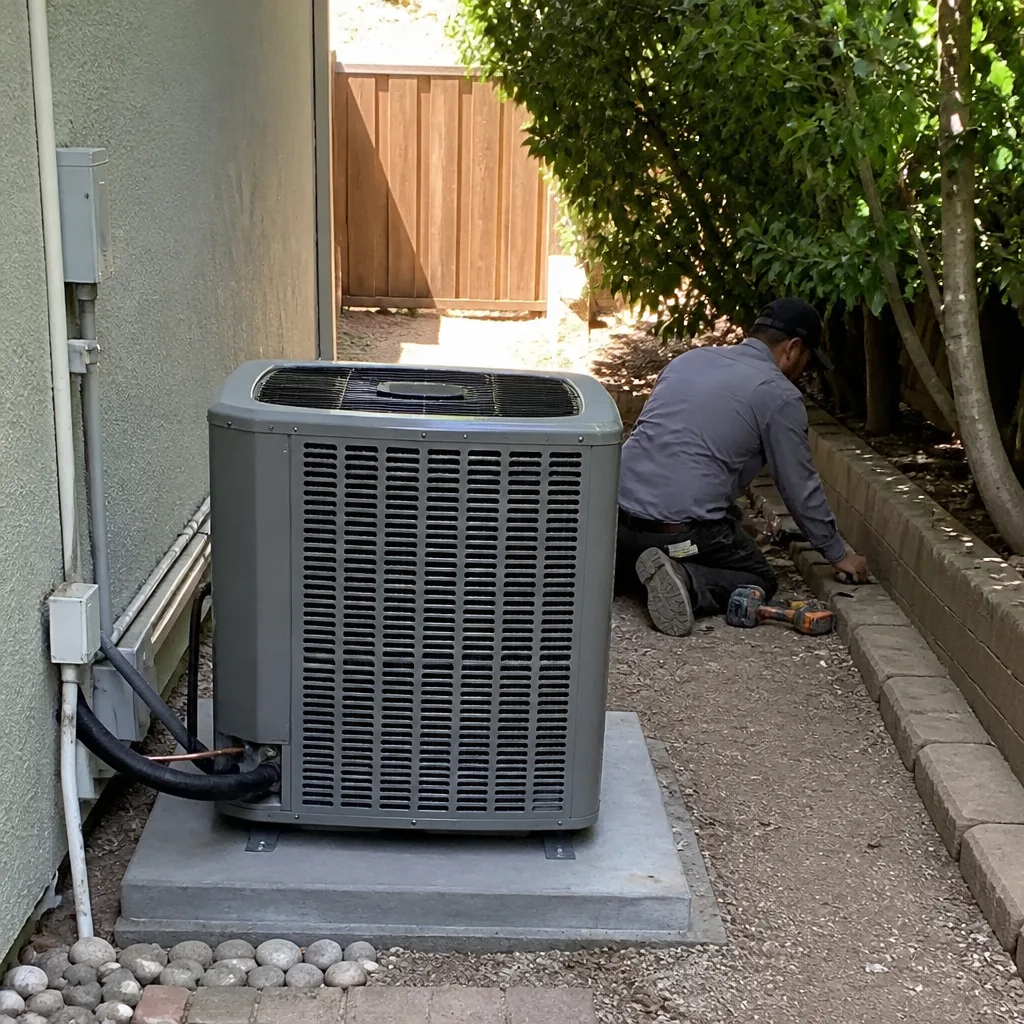
- HVAC filter and coil condition. Santa Ana winds carry fine dust and chaparral ash. A filter that’s clean after a wind event did its job; a filter that’s caked means the coil behind it is also caked. Change filters monthly during wind season, even if the manufacturer says 90 days.
A full HVAC system replacement in Thousand Oaks runs $10,000 to $20,000 depending on efficiency rating and ductwork condition. Annual maintenance, including coil cleaning and refrigerant check, runs $150 to $350. The maintenance is cheaper, and it’s not close.
Crawlspace and Foundation Checks After Dry-Wet Cycles
This is the section most national checklists miss entirely, and it’s the one that matters most in Thousand Oaks. Our soil is expansive clay in many neighborhoods. Expansive clay shrinks during dry years and swells during wet ones. A dry year followed by a heavy rain – which is exactly the pattern we’ve seen in recent cycles – causes the soil under your foundation to move. Not theatrically, but enough. Cracks appear. Doors that swung fine in August stick in February. The sequence matters more than either event alone because it’s the change in moisture content that moves soil, not the absolute level.
What to check after a dry year that turns wet:
- Foundation cracks, measured and recorded. Hairline cracks under 1/8 inch are typical and usually cosmetic. Cracks wider than 1/8 inch at a corner, or cracks that step through brick or block, should be evaluated. Photograph them and note the date. If they grow over 6 months, call a contractor.
- Crawlspace moisture and ventilation. After heavy rain, check the crawlspace within 48 hours. Standing water means your perimeter drainage failed. Damp soil means high groundwater. Both lead to wood rot in floor joists and mold on the subfloor. A vapor barrier (6-mil plastic over the soil) costs $800 to $2,000 installed and solves most moisture problems.
- Pier and post connections. In raised foundations, look at the connections between wood posts and concrete piers. Termites and dry rot both attack here, and a dry-year/wet-year cycle accelerates wood decomposition. Tap posts with a hammer; solid wood sounds solid. Hollow wood means rot.
- Exterior grade slope. Soil should slope away from the foundation at 6 inches of fall over the first 10 feet. After a dry year, soil settles and the slope flattens. Regrading runs $1,500 to $4,000 for most Thousand Oaks homes, which is cheap compared to the $15,000 to $40,000 foundation repair it prevents.
In neighborhoods like Lynn Ranch, Wildwood, and the older conejo core where homes were built in the 1960s and 1970s, we regularly see foundation movement signs that newer construction in Dos Vientos doesn’t show. Older slabs were poured thinner, and older perimeter drains are often clogged with roots from mature oaks. Neither is a disaster, but both need watching.
Window and Door Seal Performance Against Wind-Driven Rain
Santa Ana winds push rain sideways. Rain that falls at an angle against your windows finds every imperfect seal. Window and door frames that kept water out during gentle winter drizzle fail during a 50 to 60 mph wind-driven event, and the water that gets in doesn’t run down the inside of the glass. It gets into the wall cavity where you can’t see it until the paint bubbles or the drywall stains.
Check every window and exterior door before September:
- Weatherstripping compression. Close the door or window on a dollar bill. If the bill slides out easily, the seal is failed. Replace weatherstripping at $30 to $75 per opening.
- Threshold and door sweep condition. In Thousand Oaks, the southwest-facing doors take the worst of the wind. Look for daylight under the door. A new threshold with sweep runs $150 to $400 installed.
- Caulk at exterior trim-to-stucco joints. This is the joint that fails first in wind-driven rain. Use a high-quality polyurethane caulk, not silicone, which shrinks in UV. Re-caulking a typical home runs $400 to $900.
- Window glazing and gaskets. On older aluminum windows, the gasket that seals the moving sash to the frame hardens and cracks in the dry heat. Replacement windows in Thousand Oaks run $700 to $1,500 per opening; gasket replacement is sometimes possible for $100 to $300 per window, but not always.
The payoff on this section is specific: a failed exterior seal during a Santa Ana rain event almost always leads to water damage behind the stucco. The repair costs $500 to $3,000 depending on what got wet. The prevention costs under $1,000 for a full exterior re-caulk on most homes.
Landscape Drainage and Hardscaping Around the Foundation
Thousand Oaks homes sit on gently sloping lots in most neighborhoods. That’s a drainage advantage if your downspouts and swales direct water away, and a liability if they don’t. After the first heavy rain, walk your property and watch where water goes. That’s the only way to know for sure. What we look for:
- Downspout discharge points. Every downspout should discharge at least 4 feet from the foundation, onto sloped ground or into a drain line. A splash block that ends 6 inches from the wall is doing nothing. Extend downspouts at $40 to $150 per downspout in materials, or have a contractor install buried drain lines at $2,000 to $6,000 for a typical home.
- Irrigation overspray on stucco and wood. Sprinklers that hit the wall every morning create a constant damp zone at the base of your stucco. Over years, this rots the framing and invites termites. Adjust heads to keep water 12 inches from any wall.
- Paver and hardscape settlement. Hardscaping that settled and now slopes toward the house is redirecting water where it shouldn’t go. Re-leveling pavers runs $8 to $15 per square foot. For Belgard or Unilock paver systems, have the original installer re-set edge restraints, which are usually the failure point.
- Retaining wall drainage. If your Thousand Oaks home has a retaining wall, check the weep holes after rain. Water should seep out, not around the ends. A wall that’s holding water will eventually lean or fail. Drainage retrofit runs $1,000 to $4,000 depending on wall length.
Catch basin and French drain installation for a backyard that ponds after rain runs $3,000 to $8,000. If you’re already planning a bathroom remodeling project in Thousand Oaks, it’s sometimes cost-effective to tie exterior drainage work into the same permit window, since both involve plumbing inspection.
Common Mistakes to Avoid
- Inspecting by calendar instead of by weather. The Santa Ana season, not the spring equinox, is the right trigger for exterior envelope checks in Thousand Oaks. Waiting until March means the water already ran.
- Ignoring hairline stucco cracks. A crack you can slip a dime into is a water entry point. A crack you can slip a quarter into is a structural conversation. Both are cheaper to fix before the first rain.
- Cleaning gutters once a year. Oak leaves drop in spring and chaparral debris accumulates in fall. One cleaning misses one of the two dumps. Three cleanings a year is right for this ZIP code.
- Skipping crawlspace checks after dry years. The dry year is when the soil shrinks. The wet year is when it swells. The transition is when foundation cracks appear and water finds its way in. Check both seasons.
- Treating deck maintenance as optional. In Conejo Valley UV, a deck that’s not sealed or stained every 2 to 3 years needs board replacement at 5 to 7 years instead of 15 to 20. That’s a $3,000 to $6,000 difference.
- Assuming newer homes don’t need inspection. Dos Vientos construction is generally high quality, but building materials still settle, sealant still shrinks, and site drainage still shifts. Newer homes need the same checks; they just usually need fewer repairs.
- Deferring small repairs until “the next project.” The $12 tube of sealant you don’t apply in September becomes the $8,000 re-paper job in March. We’ve priced both, and the math only goes one direction.
When to Call a Professional
Call a general contractor when you see water stains on interior ceilings or walls, cracks wider than 1/8 inch that are growing, doors or windows that suddenly stick, or any crawlspace standing water. These are the signs that a maintenance issue has become a structural or moisture-intrusion problem. Call before you open the wall yourself; opening a wet wall without containment spreads mold spores through the house. Mason Remodeling Co Thousand Oaks offers free estimates in Thousand Oaks. Call (805) 309-3386 and we’ll walk the property with you, identify what’s urgent and what’s just aging, and put it in writing with dollar figures.
Frequently Asked Questions
A general contractor maintenance inspection in Thousand Oaks typically costs $150 to $400 for a walkthrough that covers exterior envelope, roof, crawlspace, and drainage. Many contractors credit the inspection fee toward repair work if you hire them. Mason Remodeling Co Thousand Oaks provides free estimates for specific repair scopes. Call (805) 309-3386 to schedule.
The best inspection windows in Thousand Oaks are late August to early September, before Santa Ana winds and winter rains, and March to April, after the wet season ends and oak leaf drop begins, as detailed in our Seasonal Construction Care for Thousand Oaks: Year-Round Homeowner’s Guide. Inspecting on this schedule catches wind damage before it becomes water damage and water damage before it becomes mold.
The most common failure point we see in Thousand Oaks homes is the sealant joint where stucco meets window frames, door thresholds, and roofline flashing. The Conejo Valley’s UV intensity breaks down exterior sealant in 3 to 5 years, and the first Santa Ana rain drives water into any gap that’s opened.
Yes, especially in older neighborhoods like Lynn Ranch and the conejo core built on expansive clay soil. The dry-year-to-wet-year transition causes soil movement that shows up as foundation cracks, sticking doors, and crawlspace moisture. Watch for cracks over 1/8 inch and any change over 6 months.
Three times a year: early spring after oak leaf drop, late summer before Santa Ana season, and January after the first heavy rain. Oak leaves are small, leathery, and interlock into water-shedding mats, and chaparral debris adds to the load in wind season.
Preventative maintenance on a Thousand Oaks home runs $400 to $1,200 per year for DIY work or $1,500 to $4,000 for contractor-handled maintenance. The repairs it prevents run higher: stucco re-papering at $8,000 to $18,000, foundation repair at $15,000 to $40,000, and full roof replacement at $12,000 to $28,000. The annual maintenance is the cheaper math. Call (805) 309-3386 for an exact quote on your home.
The Bottom Line
A Thousand Oaks home needs a maintenance checklist written for this climate, not a generic one. The hot-dry summers, freeze nights on the valley floor, oak-leaf debris load, and Santa Ana wind cycles create failure patterns that national guides miss. What matters here: stucco seal joints timed to wind season, three-times-a-year gutter cleaning, deck sealing against Conejo Valley UV, attic ventilation for 140°F summers, and crawlspace checks tied to dry-wet transitions. The inspections cost hundreds. The repairs they prevent cost thousands. For more guides & resources, visit our blog. Written by Isaac Pruett, Owner at Mason Remodeling Co Thousand Oaks, serving Thousand Oaks since 2004.
See the difference
 Before
 After
After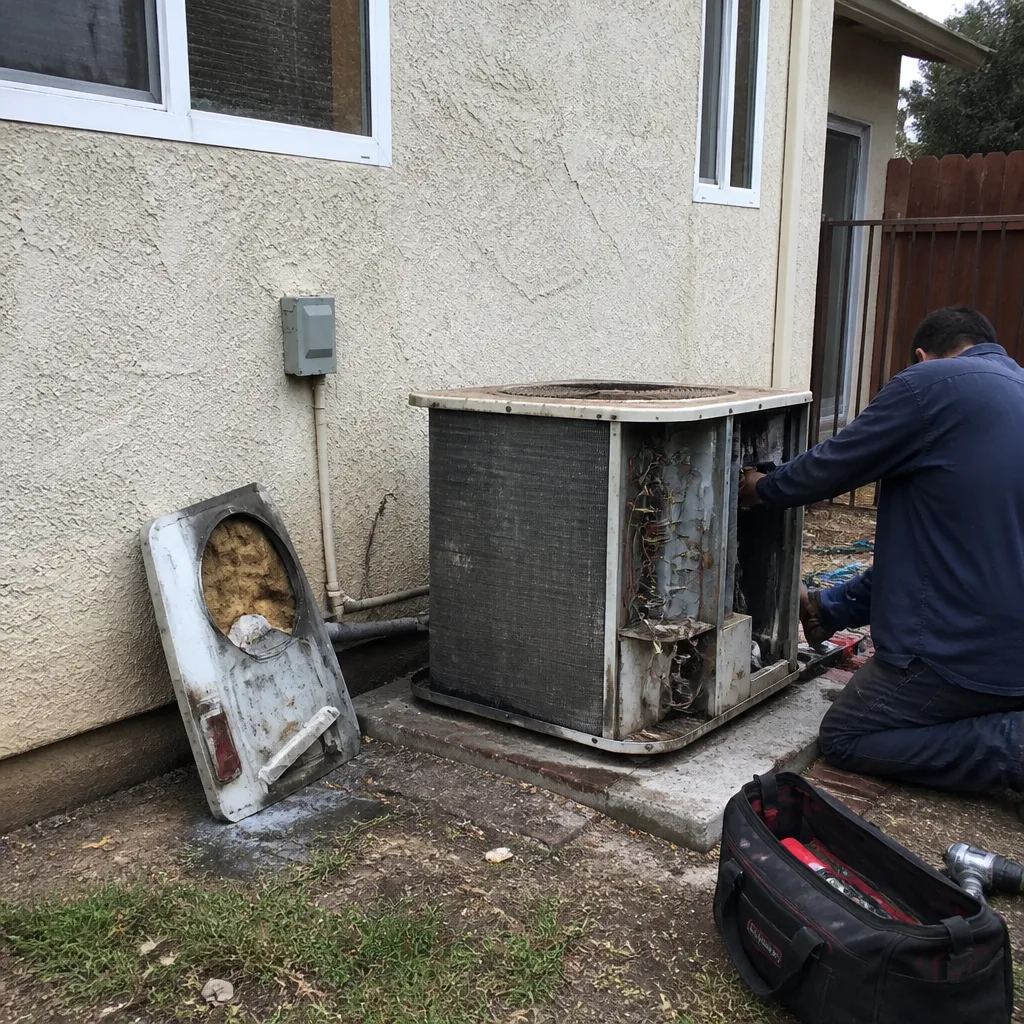 Before
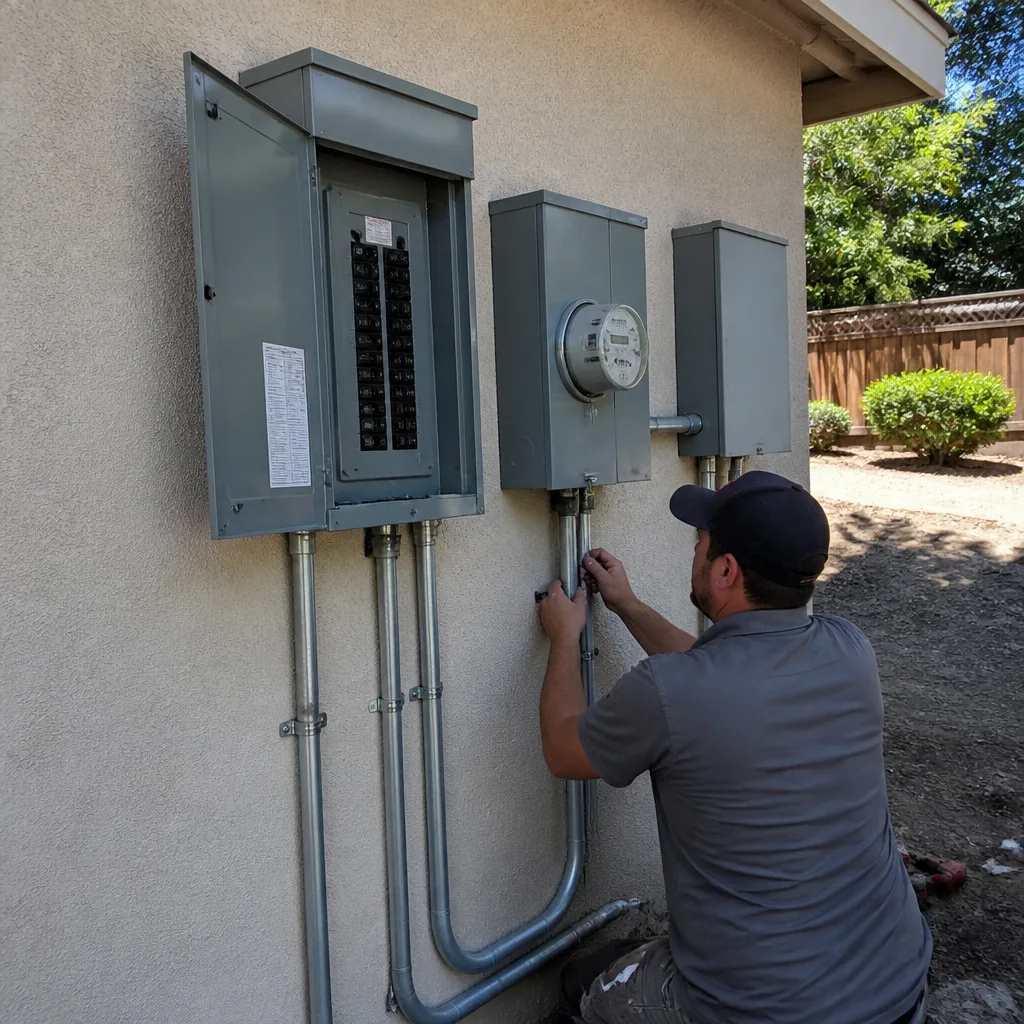 After
After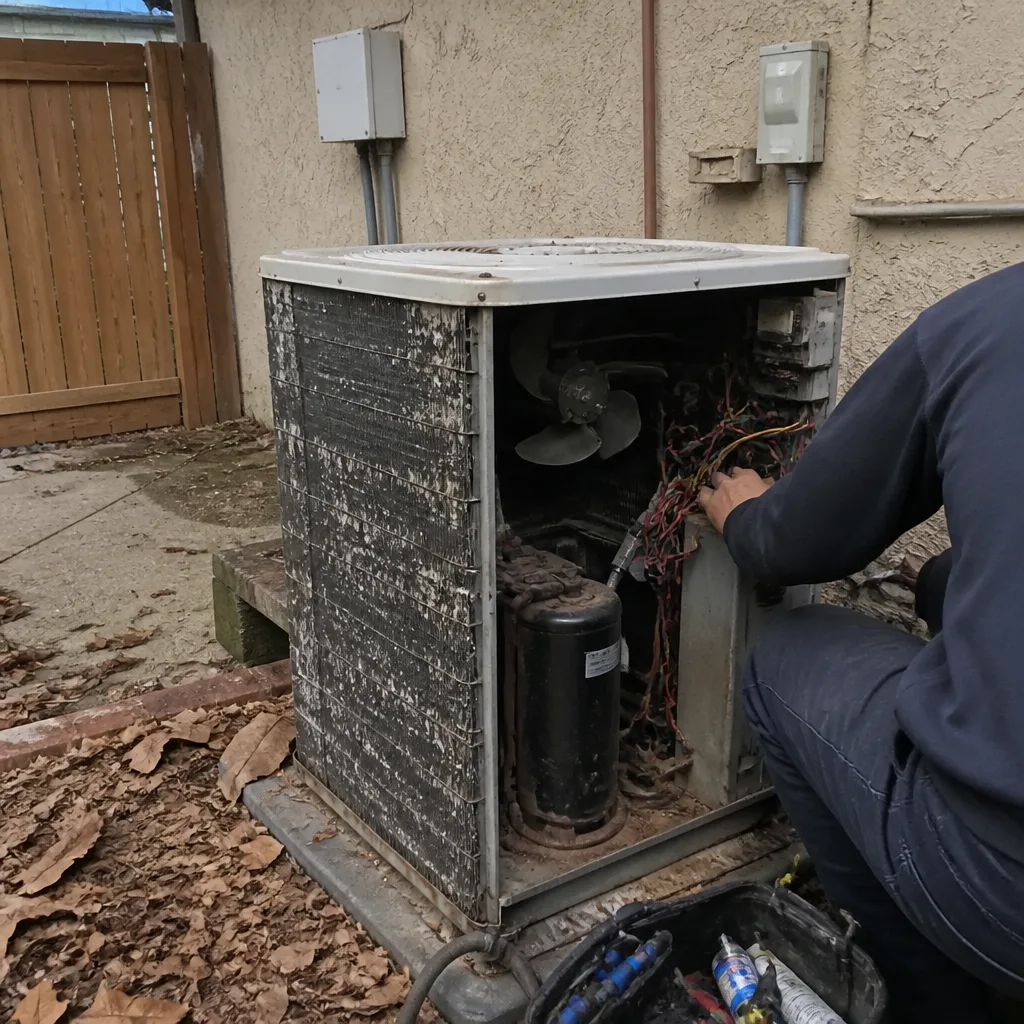 Before
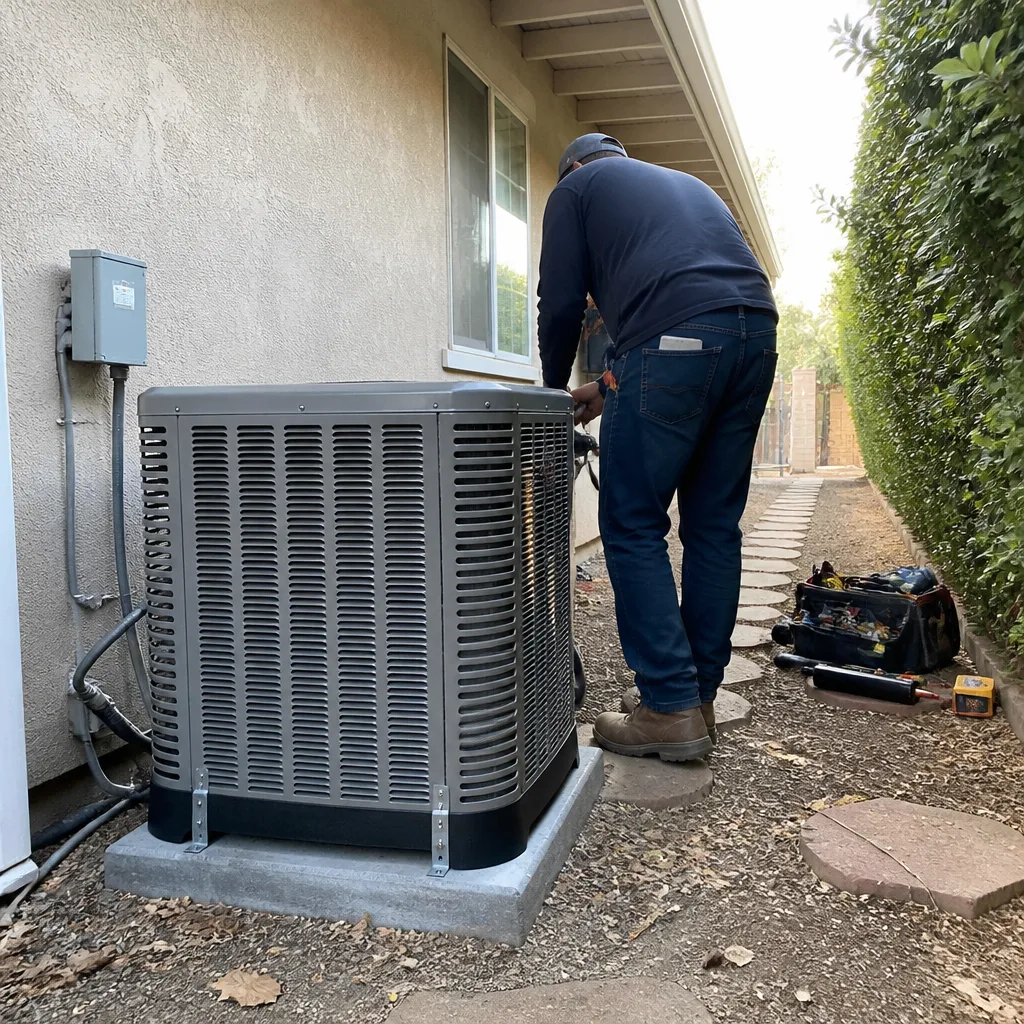 After
After