Last updated October 15, 2026




Free written scope consultation - allowances, timeline, and change-order rules on paper before a single trade is scheduled
DIY vs Professional Construction: The Thousand Oaks Homeowner’s Decision Guide
Here’s a number most DIY guides won’t tell you: a homeowner who pulls an owner-builder permit in California signs a disclosure that follows the property into every future sale. That single signature can cost more at resale than the labor you saved. We’ll walk through exactly what Thousand Oaks homeowners can legally do themselves, what their insurance actually covers when they do it, and which projects carry risk that no amount of YouTube preparation eliminates. For more guides & resources on navigating home improvement decisions, explore our blog.
Styles & brands we work with
Quick Answer
Most finish work like paint, trim, and demolition is safe to DIY in Thousand Oaks, but any project touching structural framing, the electrical panel, gas lines, or fire-zone roofing should go through a licensed contractor, and permits for those trades require licensed subcontractors under California law regardless of who pulls the permit. If you’re considering larger projects, our How to Hire a Construction Contractor in Thousand Oaks: A Step-by-Step Guide can help you find the right professional.
Table of Contents
- California Owner-Builder Rules: What Thousand Oaks Homeowners Can Legally Do
- The Resale Disclosure Nobody Mentions
- The True Cost of DIY: A Thousand Oaks Framework
- Homeowner’s Insurance and Self-Performed Work
- Projects Where DIY Carries Compounding Risk in Thousand Oaks
- The Middle Path: Which Phases a Capable Homeowner Can Take On
- Reading a Written Contractor Bid vs. Estimating a DIY Budget
- Common Mistakes to Avoid
- When to Call a Professional
- Frequently Asked Questions
California Owner-Builder Rules: What Thousand Oaks Homeowners Can Legally Do
California is one of the more permissive states for owner-builders. Under Business and Professions Code section 7044, a homeowner can pull permits for work on their own primary residence if they do the work themselves or hire their own subtrades directly. That means a Thousand Oaks homeowner can legally act as their own general contractor on paper for a kitchen remodel, a bathroom renovation, even a room addition, and the permit will be issued in their name.
But the law draws hard lines you should know before swinging a hammer:
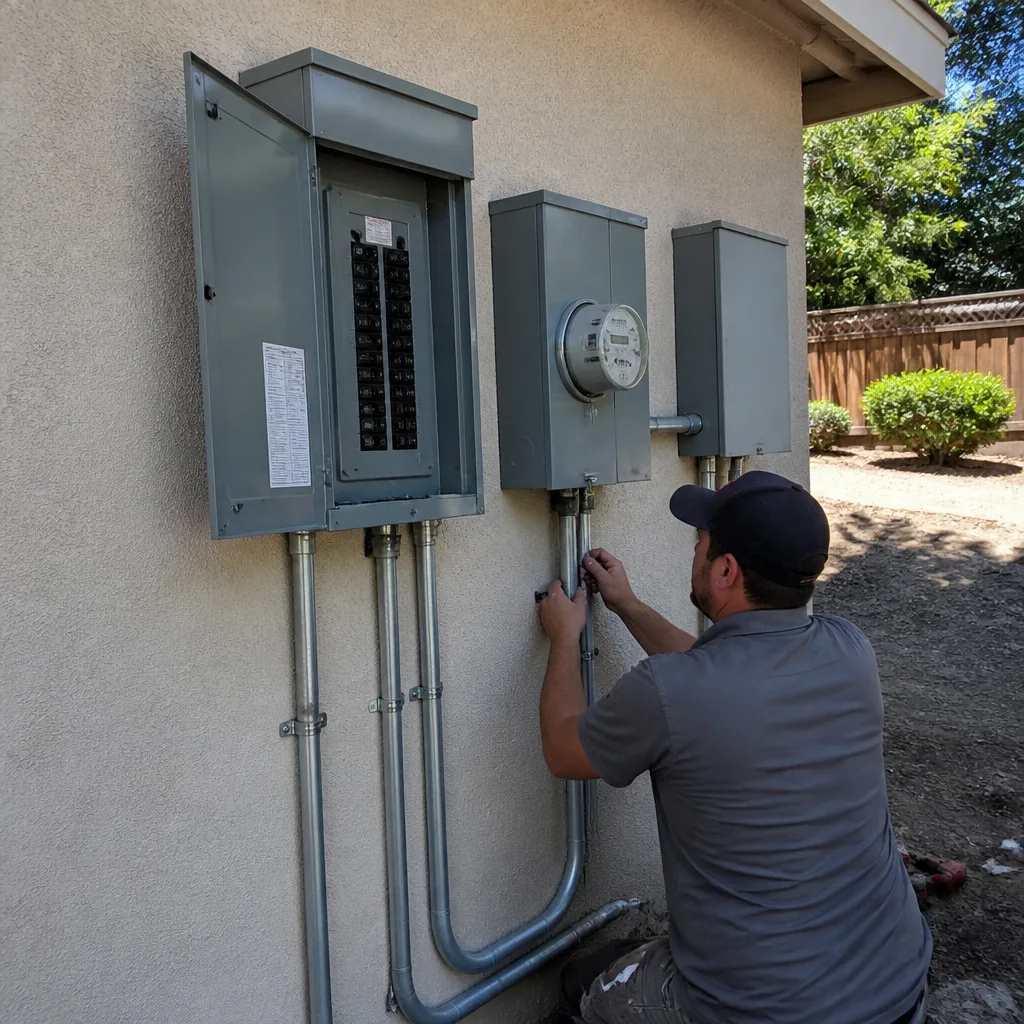
- Electrical panels and service changes: California requires a C-10 licensed electrical contractor for any panel swap, service upgrade, or new circuit addition. Even on an owner-builder permit, this work cannot be self-performed, and the licensed electrician’s name goes on the permit.
- Gas line work: Any modification to gas piping, including moving a range or adding a gas line for a dryer, requires a C-36 plumbing contractor or a C-20 HVAC contractor with the appropriate license. This is not a technicality. Getting it wrong in a Thousand Oaks home means a gas leak inside your walls.
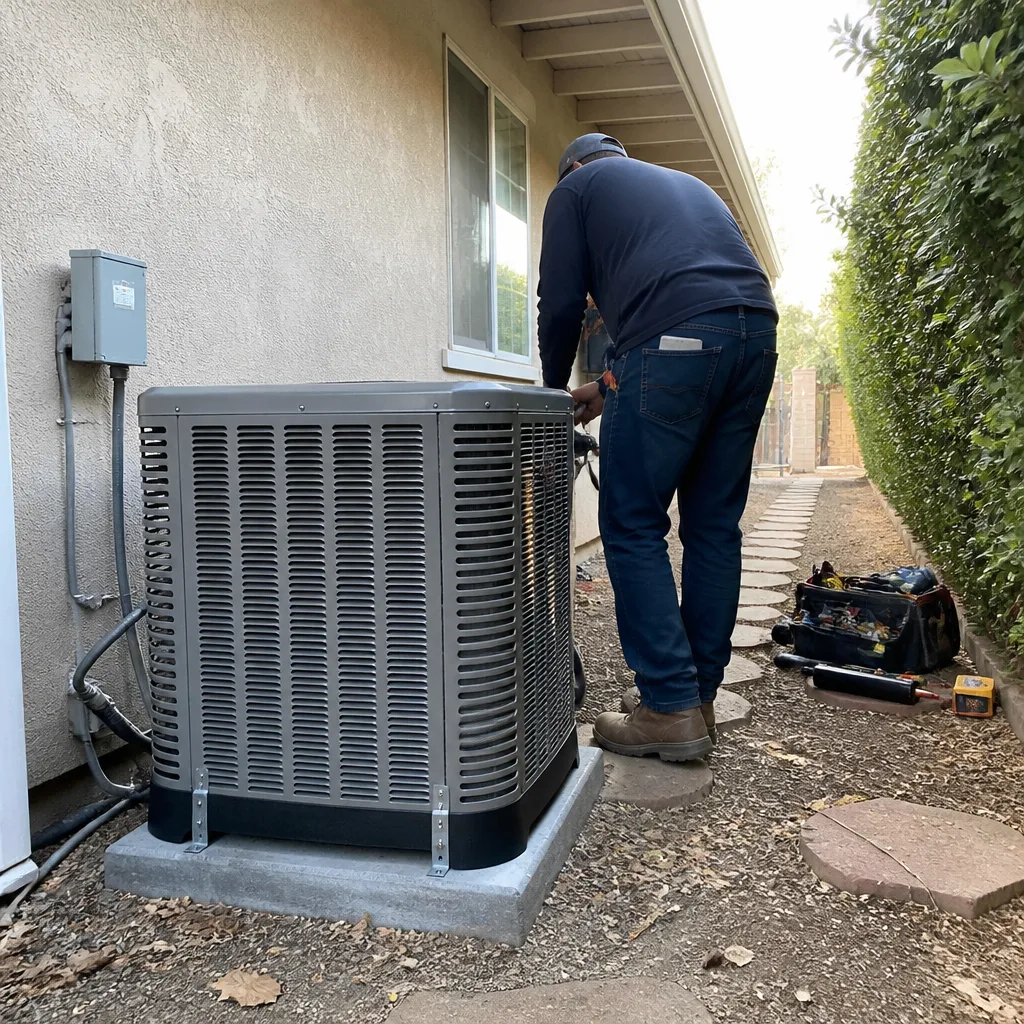
- HVAC installation: A new furnace, AC condenser, or ductwork modification requires a C-20 licensed contractor. Refrigerant handling alone is federally regulated under EPA Section 608.
- Structural work: Cutting into load-bearing walls, modifying roof framing, or adding a dormer requires plans stamped by a California-licensed engineer, and the city of Thousand Oaks will not issue a permit without them. Doing the work yourself is legal on an owner-builder permit, but the liability is entirely yours.
The city of Thousand Oaks Building Division reviews owner-builder applications the same way it reviews contractor applications. You’ll need the same plans, the same fees, and the same inspections. The difference is that when you sign the permit application, you’re certifying under penalty of perjury that you understand the legal obligations and will comply with them. That signature creates a paper trail.
The Resale Disclosure Nobody Mentions
Here’s what we mean. When you pull an owner-builder permit in California and later sell the home, you must complete a CSLB owner-builder disclosure form and provide it to the buyer. The form confirms you built or modified the property yourself during your ownership. Why does this matter? Because California’s standard residential purchase agreement asks sellers to disclose whether any work was performed under an owner-builder permit, and buyers’ agents scrutinize this. A buyer who sees an owner-builder disclosure on a 2019 kitchen remodel or a 2021 roof replacement has every right to ask: Who supervised the work? What subcontractors did you use? Can you provide a workmanship warranty?
You can’t provide a warranty on your own work. Not in any way a buyer will find meaningful. When a licensed contractor performs the work, the buyer inherits confidence that the work was done to code by a company with insurance, a license, and a legal obligation to make things right. When you did it yourself, the buyer inherits only your word.
In a Thousand Oaks market where homes regularly sell between $900,000 and $2.5 million depending on the neighborhood, from Lynn Ranch to Newbury Park to Wildwood, a buyer being asked to accept self-performed structural or systems work will typically either ask for a price reduction or walk. We’ve seen this play out. One Thousand Oaks family saved roughly $14,000 doing their own bathroom remodel. At resale, the buyer’s inspector flagged multiple code items from the owner-builder permit, and the seller conceded $22,000 in closing credits to keep the deal alive. The savings didn’t survive the transaction.
The True Cost of DIY: A Thousand Oaks Framework
Most DIY cost comparisons look like this: materials plus your weekend labor versus the contractor’s bid. That math is too simple, and in Thousand Oaks it undercounts the real cost of doing it yourself. Here’s a more honest framework:
| Cost Category | DIY Reality in Thousand Oaks | Professional Reality |
|---|---|---|
| Tool rental or purchase | Tile saw, demo hammer, drywall lift: $200 – $700 per project. Specialty tools like a pipe threader or a torque wrench for structural bolts are rarely worth buying once. | Included in bid. Contractor owns and maintains the tools. |
| Material waste | First-time tile work typically wastes 15 – 25% of material through cuts and mistakes. A 300 sq ft tile job at $6/sq ft means $270 – $450 in waste. | Professional installers waste 5 – 10%. The difference on a full bathroom is often $500 – $1,000. |
| Permit fees | You pay the same Thousand Oaks permit fees as a contractor. No discount for DIY. | Same fees, but the contractor manages plan review corrections and inspection scheduling. |
| Your time | A bathroom remodel takes a skilled crew 2 – 3 weeks. A first-time DIYer typically spends 3 – 6 months on evenings and weekends. | Your time cost is zero. The crew works while you live your life. |
| Correcting mistakes | Common DIY corrections: re-waterproofing a shower pan after a leak test fails, re-hanging a door that binds, re-flashing a roof penetration that leaks. Each fix costs $300 – $2,000 and days of your time. | Warranty covers correction. No additional cost to you. |
| Resale disclosure | Owner-builder disclosure required. Buyer may demand credits or a price reduction. | No disclosure obligation. Licensed contractor’s name on the permit. |
The honest question isn’t “what does the contractor charge?” It’s “what does doing it wrong cost, and who pays for it?” When a professional does the work, the answer is clear: the contractor pays. When you do the work, the answer is also clear: you pay, in time, money, or resale value. For homeowners considering larger projects, our Home Remodeling in Thousand Oaks page outlines what a written bid should include so you can compare it against your own DIY estimate on equal footing.
Homeowner’s Insurance and Self-Performed Work
This is the section that surprises most Thousand Oaks homeowners, so read it carefully. Your homeowner’s policy covers sudden and accidental losses: a pipe bursts, a tree falls through the roof, a water heater fails. It does not cover losses caused by faulty workmanship, negligent installation, or improper materials, whether that work was done by you or by a contractor. But there’s a critical difference in how the claim plays out.
If a licensed contractor’s work fails and causes damage, for example a shower pan leaks and rots the subfloor, you have two paths to recovery: the contractor’s liability insurance and the contractor’s written warranty. We carry both, and our contractors in Thousand Oaks are required to maintain them. The adjuster sees a licensed professional performed the work, and the claim is processed as an insurable loss with a responsible third party.
If you did the work yourself and it fails, here’s what happens. The adjuster inspects the damage. They determine the cause. When the cause is determined to be improper installation, which is exactly what failed, the claim is denied under the faulty workmanship exclusion. You have no contractor to pursue, no warranty to call on, and no third party to absorb the loss. You’re left holding the full cost of the repair plus the damage your failed work caused. In a worst-case scenario, a self-performed electrical modification that causes a fire can result in a fully denied claim because the insurer determines the loss was caused by non-code-compliant, unpermitted, or improperly performed work by the policyholder.
If you do choose to DIY any covered work in your Thousand Oaks home, document everything. Take dated photos at every stage before the drywall goes up. Save every material receipt. Keep a log of what you did on which days. If you hire a subcontractor for part of the job, verify their license on the CSLB website and keep a copy of their license, their certificate of insurance naming you as additionally insured, and your written agreement. This documentation will not protect you from a faulty workmanship denial, but it can protect you if the loss is unrelated to your work and the insurer tries to use the presence of DIY work as grounds to deny a claim.
Projects Where DIY Carries Compounding Risk in Thousand Oaks
Thousand Oaks isn’t a generic suburb. It sits in a very high fire hazard severity zone (VHFHSZ), and the city enforces California Fire Code Chapter 7A building standards for roofing, vents, eaves, and exterior materials in designated areas. This changes the risk math for several project categories. See our Seasonal Construction Care for Thousand Oaks: Year-Round Homeowner’s Guide for ongoing maintenance priorities in this zone.
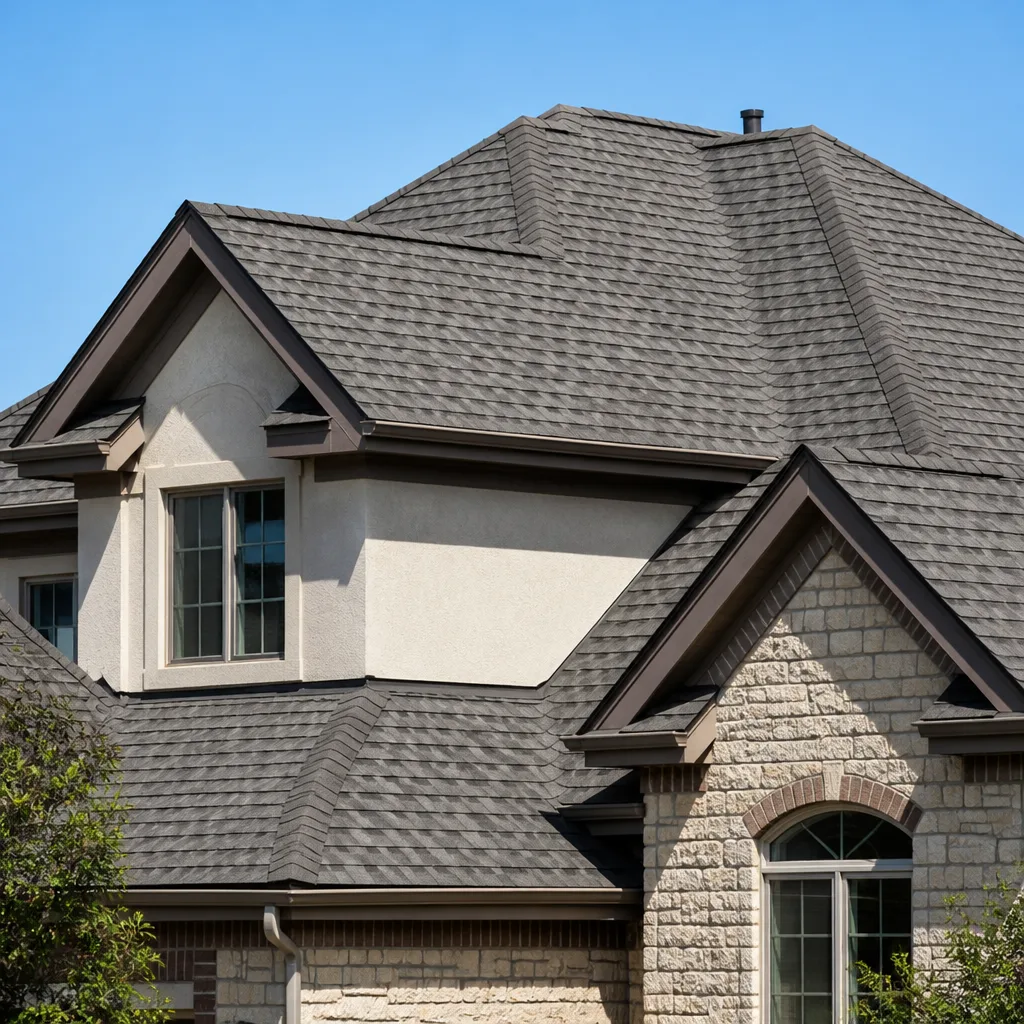
Fire-zone roofing. In Thousand Oaks neighborhoods like Lynn Ranch and the hillsides around Wildwood, roof replacements must meet Class A assembly requirements under Chapter 7A. That means specific underlayment, specific edge metal detailing, specific vent ember ratings, and specific overlap requirements. A DIY roof that looks fine from the street and keeps rain out will still fail a Chapter 7A inspection, and the city will require corrections. Worse, if a fire loss occurs and the roof did not meet Chapter 7A because of self-performed work, the insurance claim becomes far more complicated than a standard faulty workmanship denial. Roofing work also carries fall risk from steep pitches, and the combination of risk to your safety and risk to your coverage makes this a project category where we recommend hiring a licensed GAF, CertainTeed, or Owens Corning certified roofer. We carry GAF and CertainTeed product lines, and our crews are trained to Chapter 7A standards.
Load-bearing modifications. Opening a wall between the kitchen and living room is the most common structural change Thousand Oaks homeowners want, and it’s the most dangerous one to do without an engineer. Determining whether a wall is load-bearing requires looking at the trusses above, the foundation below, and the load path between them. Getting it wrong means a sagging roof, cracked drywall, and possibly a collapse. Even when the wall isn’t load-bearing, the city requires a permit for the removal, and an inspector will want to see the engineering. If you have any doubt, a licensed General Contractor in Thousand Oaks can tell you in a single visit whether the wall is carrying weight and what the project will cost.
Electrical panel work. We mentioned this earlier, but the risk deserves its own paragraph. Your panel is the single point where the utility’s power enters your home, and a mistake there can energize a ground path through your body. Panel work is the only category in this guide where we will not discuss “how it works.” We will say: a licensed electrician carries training, insurance, and code knowledge that a weekend of YouTube cannot replace. If your Thousand Oaks home was built before 1990, the panel may also contain components with known failure modes that a licensed electrician will recognize and a first-time DIYer will not. The cost of a panel swap by a licensed electrician in Thousand Oaks typically ranges from $3,500 to $6,500 depending on the service size and the condition of the existing wiring. That’s a bill worth paying.
The Middle Path: Which Phases a Capable Homeowner Can Take On
The DIY-versus-professional question doesn’t have to be all-or-nothing. The smartest Thousand Oaks homeowners we work with split the project. They take the phases that are labor-intensive but low-risk, and they leave the permitted, structural, and systems work to licensed trades. This is legal on a contractor-permitted project, and a good contractor will work with you to define the split before the bid is written. For a practical framework on what to tackle when, see our General Contractor Maintenance Checklist for Thousand Oaks Homeowners.
Here’s the split we recommend, based on what we’ve seen work well in Thousand Oaks homes:
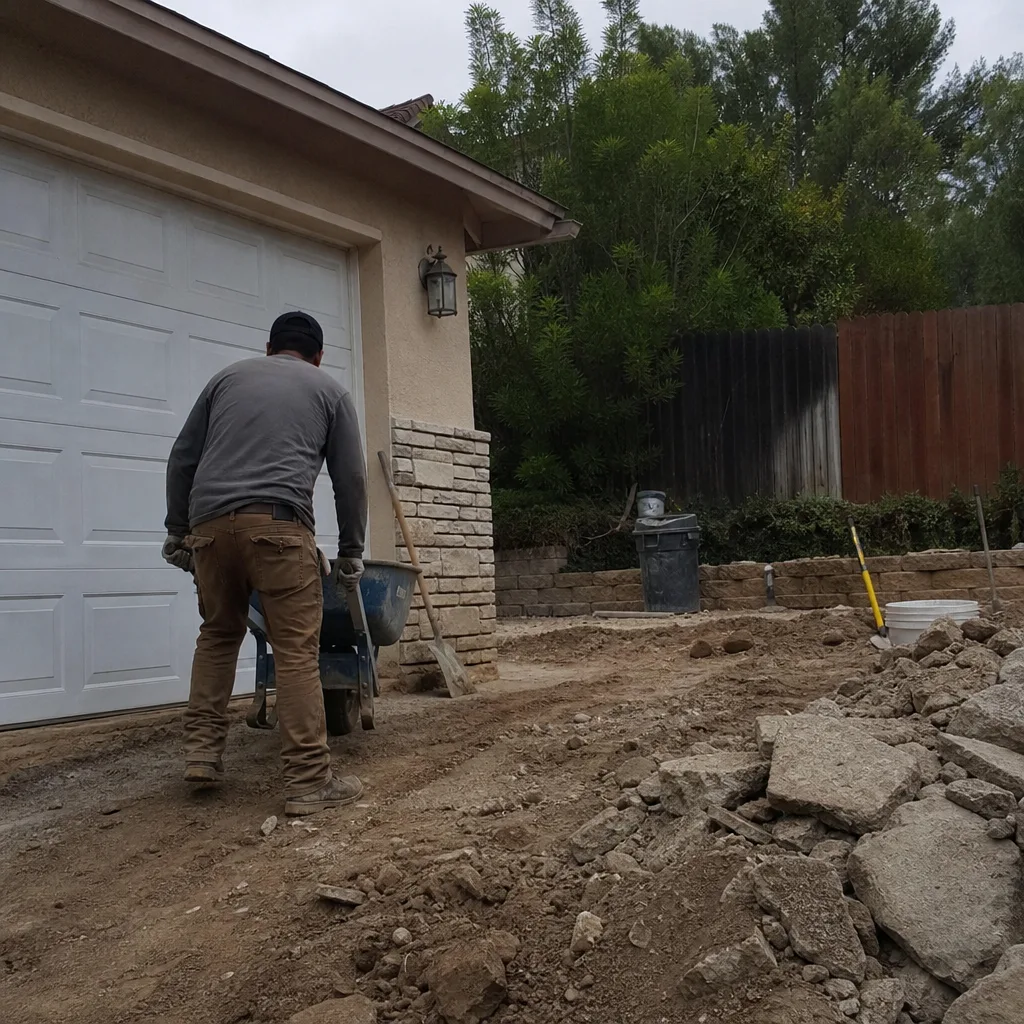
- Demolition. Pulling cabinets, removing tile, tearing out carpet, and hauling debris. This is labor-heavy, satisfying work, and the risk is limited to damaging something you shouldn’t, which good communication with your contractor prevents. Expect to save $800 – $2,500 on a typical bathroom or kitchen demo.
- Painting. Interior walls, trim, doors, and ceilings. Painting is the single most common DIY success story, and for good reason. The materials are forgiving, the technique is learnable, and mistakes are correctable. A professional paint job on a 2,000 sq ft home in Thousand Oaks runs $6,000 – $12,000. DIY material cost: $800 – $1,800.
- Finish carpentry. Baseboards, crown molding, window casings, and door trim. This requires patience and a miter saw, but the stakes are low. An afternoon of practice on scrap pieces before you touch the good material makes a visible difference.
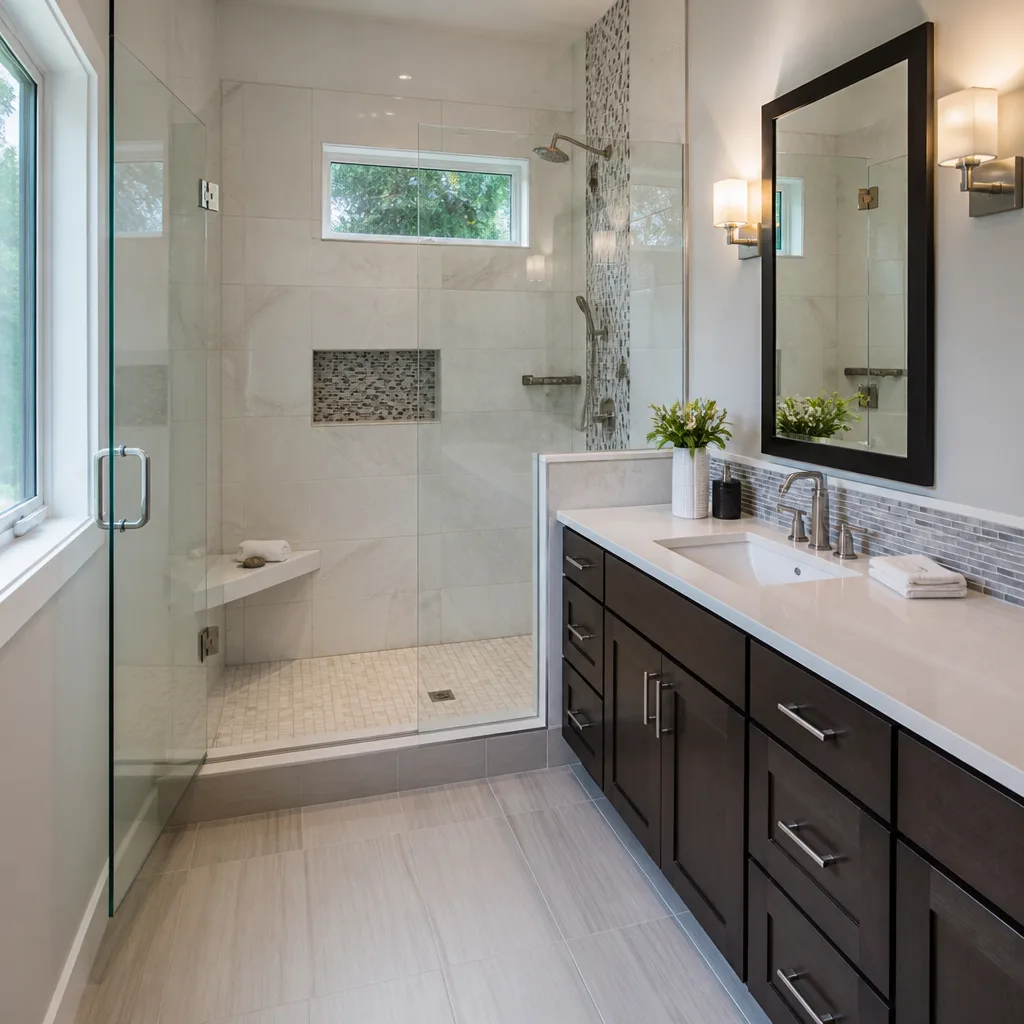
- Tiling. Backsplashes and dry-wall applications are achievable for a careful DIYer. Shower enclosures and wet-area floors are not. Waterproofing is where DIY tile projects in Thousand Oaks fail, and the failure is invisible until the water damage is extensive. A Schluter strip, the metal trim that seals the edge where tile meets flooring or a wall, is just one of the products a professional will use to keep water where it belongs. If you’re tiling a backsplash, go for it. If you’re tiling a shower, leave it to a Bathroom Remodeling in Thousand Oaks professional.
One note on structuring the arrangement: if you’re taking on finish work while a contractor handles the permitted portions, get that split in writing in the bid. A clear scope boundary prevents disagreements about who is responsible for what, and it ensures the contractor’s warranty applies to their work without being voided by yours. We write this split into our bids whenever a homeowner requests it, and it works well when both sides know where the line is.
Reading a Written Contractor Bid vs. Estimating a DIY Budget
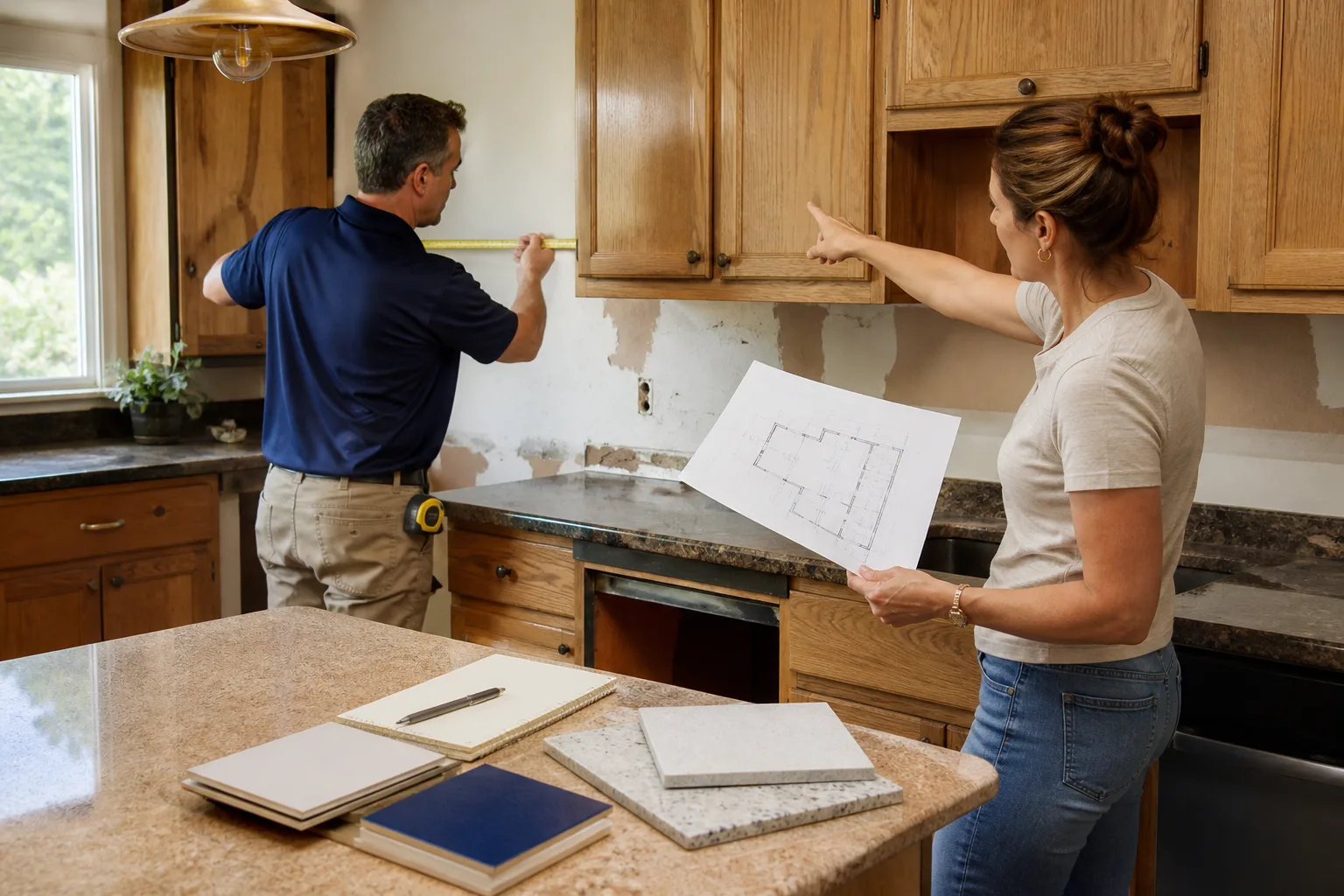
A written bid from a licensed contractor should itemize the project in enough detail that you can see exactly where your money goes. If a bid feels vague, it’s because it is vague, and vagueness is where surprise invoices come from. In our experience, a quality Thousand Oaks bid includes these elements:
- Scope of work: a room-by-room description of what will be done, including fixtures and finish levels
- Materials: specific product names and grades, not just “mid-range tile” or “standard faucet”
- Labor: broken down by phase so you can see what demolition costs versus installation
- Permits and inspections: clearly stated as included or excluded, with the fee
- Schedule: start date, phase milestones, and a target completion date
- Warranty terms: exactly what is covered and for how long from the completion date
- Payment terms: deposit amount, progress payments, and final payment conditions
A DIY budget should look the same, but it almost never does. Most homeowners estimate their material cost from the shelf price and forget the small things: fasteners, blades, mixing buckets, drop cloths, disposal fees. Those add 10 – 20% to the material number, and that’s before you count the $200 – $700 in tools you’ll buy or rent. When you estimate your DIY cost, use the same line-item format as a contractor bid and include a 20% contingency. You’ll get a truer comparison, and the comparison is usually closer than you think.
For example, a basic guest bathroom remodel in Thousand Oaks, replacing the vanity, toilet, shower surround, and flooring, is a $18,000 – $35,000 project with a licensed contractor. A DIYer using big-box materials might complete it for $9,000 – $15,000, not including the owner-builder permit, six months of weekends, and the resale disclosure that follows. Whether the $9,000 – $20,000 difference is worth it depends entirely on the resale question, the insurance question, and the risk question. That’s the decision you’re really making.
Common Mistakes to Avoid
- Pulling an owner-builder permit without understanding the resale disclosure. The CSLB form is not optional, and it will come up when you sell. Read it before you sign the permit application, not after.
- Skipping the permit entirely. Unpermitted work is discovered during pre-sale inspections, and Thousand Oaks buyers routinely ask for remediation. You’ll pay for the permit, the inspection, and the corrections on the buyer’s timeline.
- Self-performing electrical panel or gas line work. This violates California licensing law, voids your insurance for related losses, and creates a safety risk to your family. No article or video makes it legal or safe.
- Underestimating the resale weight of an owner-builder disclosure. In a premium Thousand Oaks market, buyers compare your house against homes where licensed contractors performed the work. Your disclosure creates a gap the buyer’s agent will use in negotiation.
- Ignoring Chapter 7A roofing requirements in fire-zone neighborhoods. A roof that meets standard building code but fails Chapter 7A will not be approved by the city and will complicate a future insurance claim.
- Failing to document DIY work. If you go the DIY route on permitted work, dated photos, receipts, and inspection records are your only defense if a claim or a sale question arises. Without them, you have nothing.
- Comparing a contractor’s bid to a DIY budget without including waste, tools, and time. The gap is smaller than it looks once you account for what actually leaves your bank account.
When to Call a Professional
Call a professional when the project touches structural framing, the electrical panel, gas lines, fire-zone roofing, or any wet-area waterproofing. Call a professional when the resale of your Thousand Oaks home is in your five-year plan, because the owner-builder disclosure stays with the property and the negotiation math rarely favors the seller. Call a professional when you want a written warranty from a company that will still be in business next year. We’re licensed through the Threshold Group network, and every crew member who arrives at your door is background-checked, identity-verified, and introduced to you by name and photo before the visit, with a photo ID badge shown at the door. That’s the Mason Remodeling Co Thousand Oaks home standard. If you’re weighing DIY against hiring a contractor and want an honest cost comparison for your specific project, Mason Remodeling Co Thousand Oaks offers free estimates, and we’ll put the price in writing before any work starts. Call (805) 309-3386.
Frequently Asked Questions
Yes, California allows owner-builders to pull permits for work on their own primary residence, as long as you perform the work yourself or hire licensed subtrades directly, and you comply with the city of Thousand Oaks Building Division requirements. The permit triggers a CSLB owner-builder disclosure obligation when you sell the property.
Cosmetic work like painting, trim installation, flooring replacement, and most landscaping does not require a permit in Thousand Oaks. The moment you alter electrical, plumbing, gas, structural, or roofing components, a permit is required, and some of those trades require licensed professionals regardless.
A guest bathroom remodel with a licensed contractor in Thousand Oaks typically runs $18,000 to $35,000, while a primary bathroom commonly runs $35,000 to $80,000 depending on finishes and layout changes. Call (805) 309-3386 for an exact written quote, and estimates are free.
No. Homeowner’s insurance covers sudden and accidental losses, not faulty workmanship, and a self-performed project that fails and causes damage will typically result in a claim denial under the faulty workmanship exclusion. A licensed contractor’s insurance and warranty provide the coverage a policyholder cannot create for themselves.
Yes. The CSLB owner-builder disclosure form is part of the sale, and buyers in Thousand Oaks frequently use it to negotiate price reductions, request credits, or ask for documentation you may not have. The resale effect often exceeds the money saved by doing the work yourself.
Yes, and it can be a smart approach. Paint, demo, and finish carpentry are phases where a capable homeowner saves money, while a licensed contractor handles the permitted structural, electrical, plumbing, and wet-area work. The key is a written bid that clearly defines where your scope ends and the contractor’s begins, so the warranty responsibilities are clean. We work with Thousand Oaks homeowners on this split regularly. Call (805) 309-3386 to discuss your project.
The Bottom Line
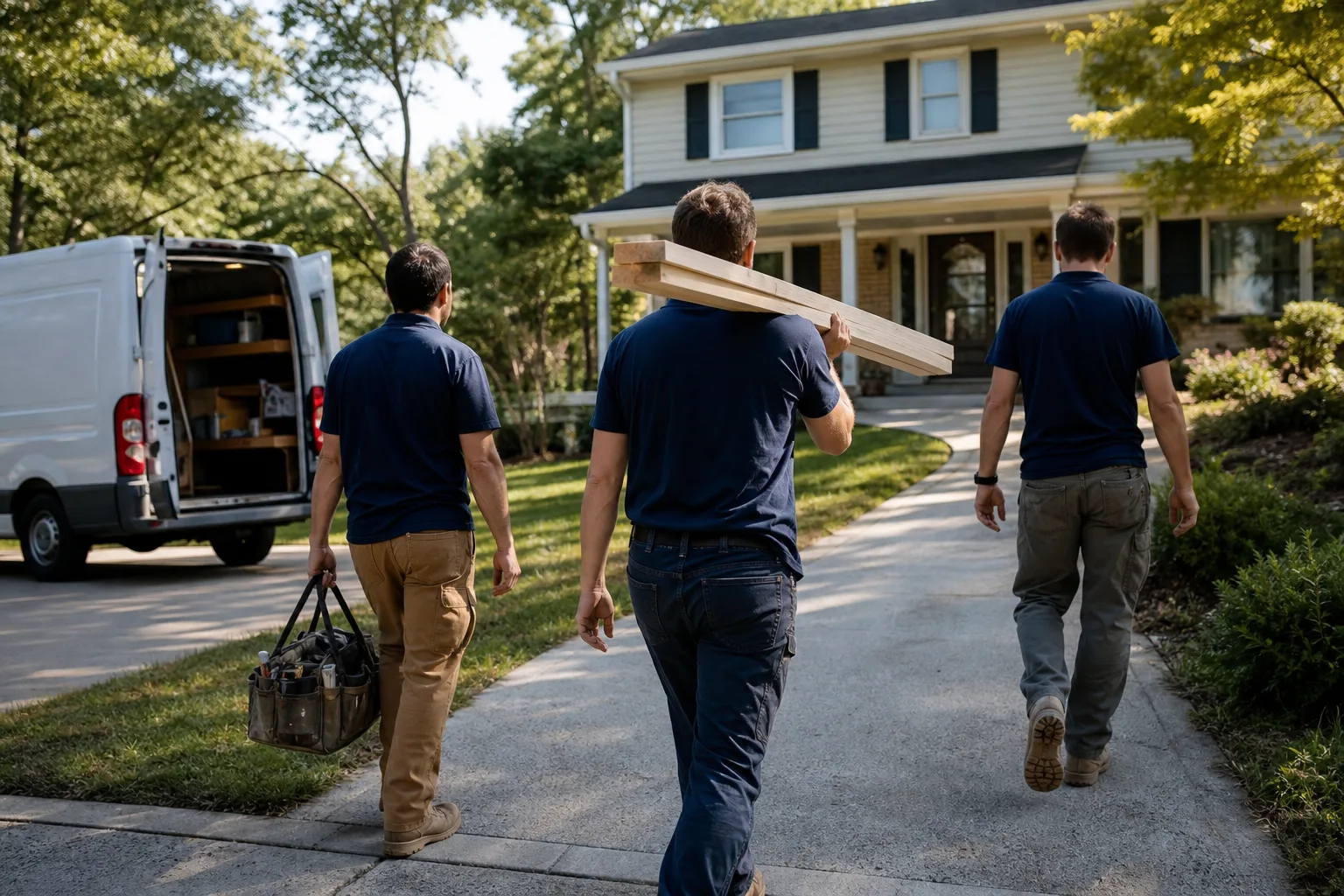
The DIY-versus-professional decision in Thousand Oaks is not just about the money you save on labor. It’s about the disclosure you sign, the warranty you carry, the insurance coverage you maintain, and the resale value you protect. Paint your own walls, lay your own flooring, and hang your own trim. But when the project touches structure, systems, wet areas, or fire-zone roofing, hire a licensed contractor and get the price in writing before the first tool leaves the truck. The strongest position is a written bid from a company that stands behind its work with a warranty and a named, verified crew. If you’re deciding, we’ll give you an honest written estimate and let the numbers speak for themselves.
Written by Isaac Pruett, Owner at Mason Remodeling Co Thousand Oaks, serving Thousand Oaks since 2004.
See the difference
 Before
 After
After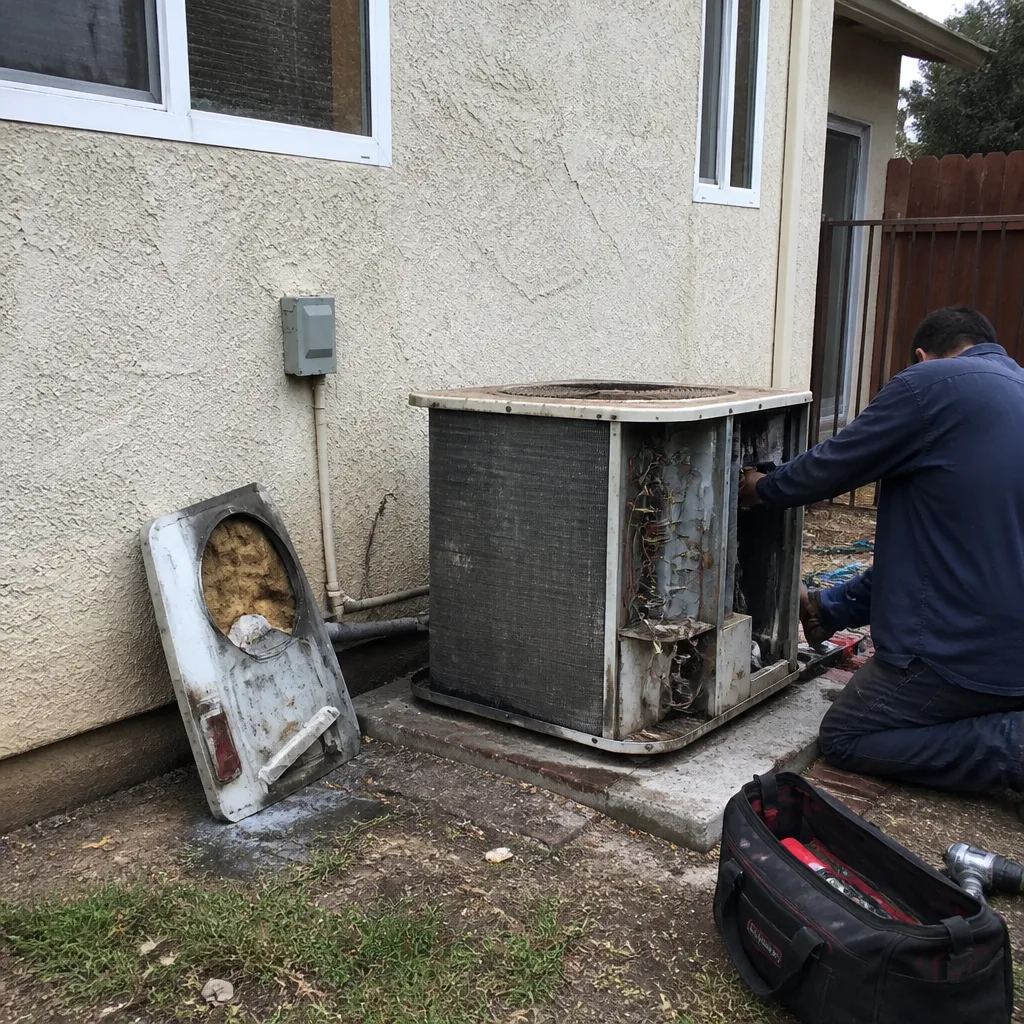 Before
 After
After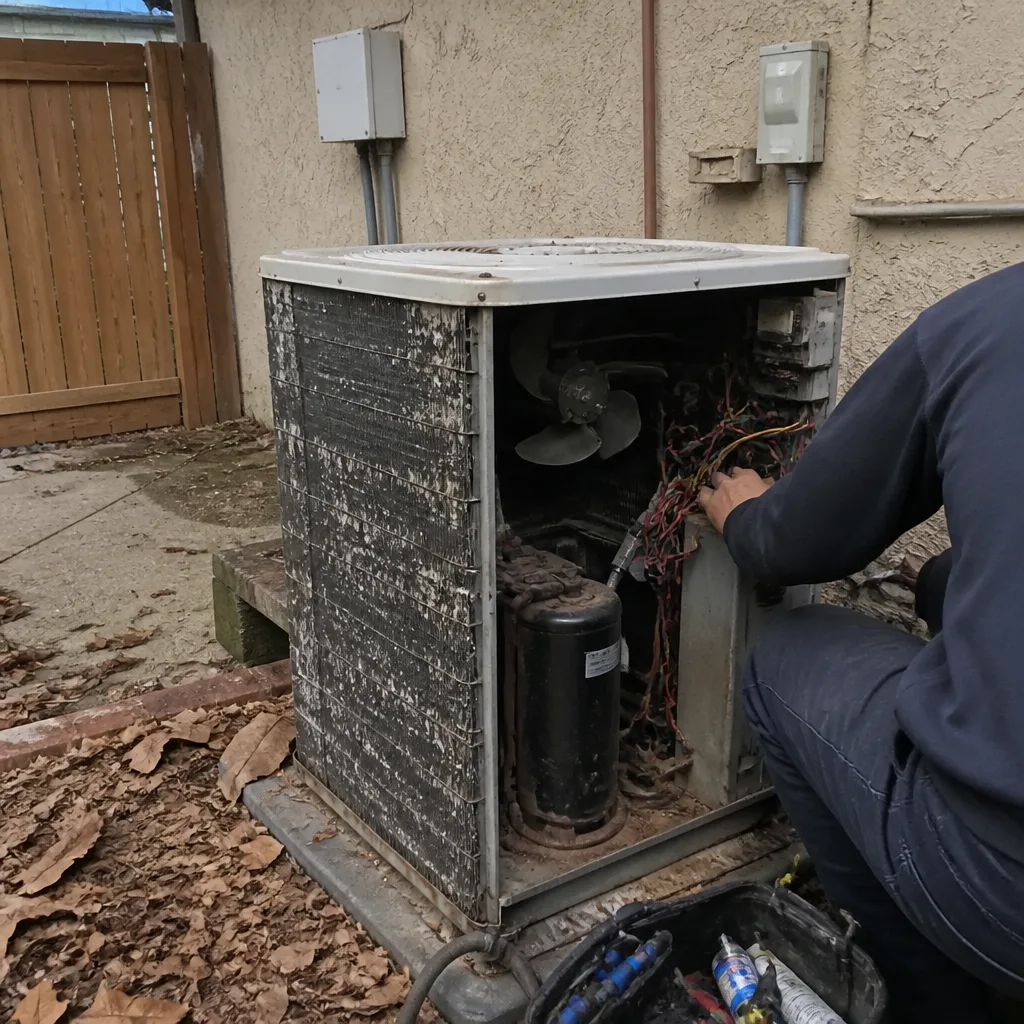 Before
 After
After