Last updated October 15, 2026





Free written scope consultation - allowances, timeline, and change-order rules on paper before a single trade is scheduled
The Complete Guide to Construction in Thousand Oaks
Most construction guides describe a process that works in Phoenix or Portland. Thousand Oaks sits in a Very High Fire Hazard Severity Zone, on terrain that requires grading permits most out-of-area contractors have never pulled, and that difference shows up in timelines, costs, and finished quality. This guide walks you through every phase of a Thousand Oaks construction project, from the soils report that hillside lots demand to the final inspection sign-off, with the local specifics that determine whether your project runs smoothly or stalls for months.
Quick Answer
Construction in Thousand Oaks typically costs $150 to $400 per square foot depending on scope, requires permits from Ventura County Building and Safety, and takes 4 to 18 months from design to final inspection; for a detailed look at where that money goes, see our Construction Cost Breakdown: The Thousand Oaks Homeowner’s Reference for 2026. The city’s fire-zone overlays, hillside grading rules, and Conejo Valley soil conditions mean you need a contractor who has pulled permits here before, not just one who is licensed somewhere in California.
Styles & brands we work with
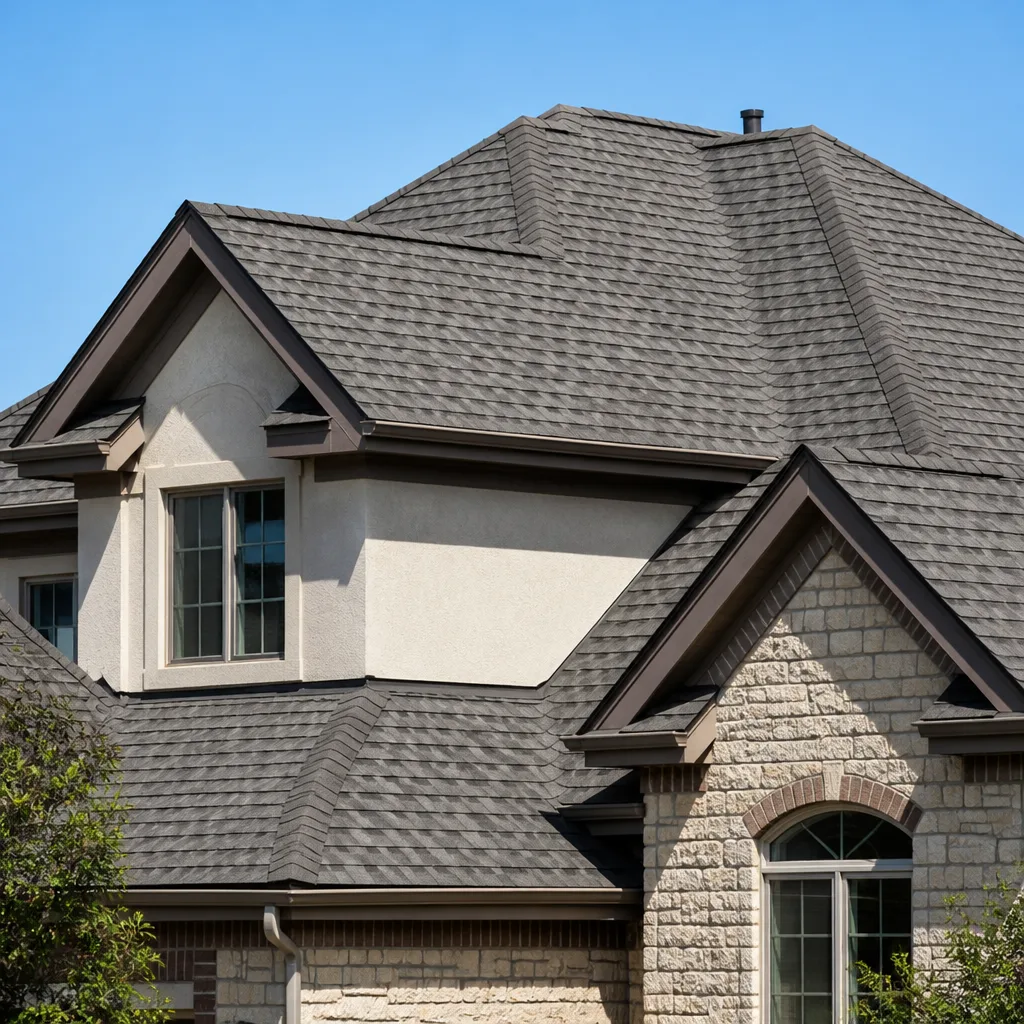
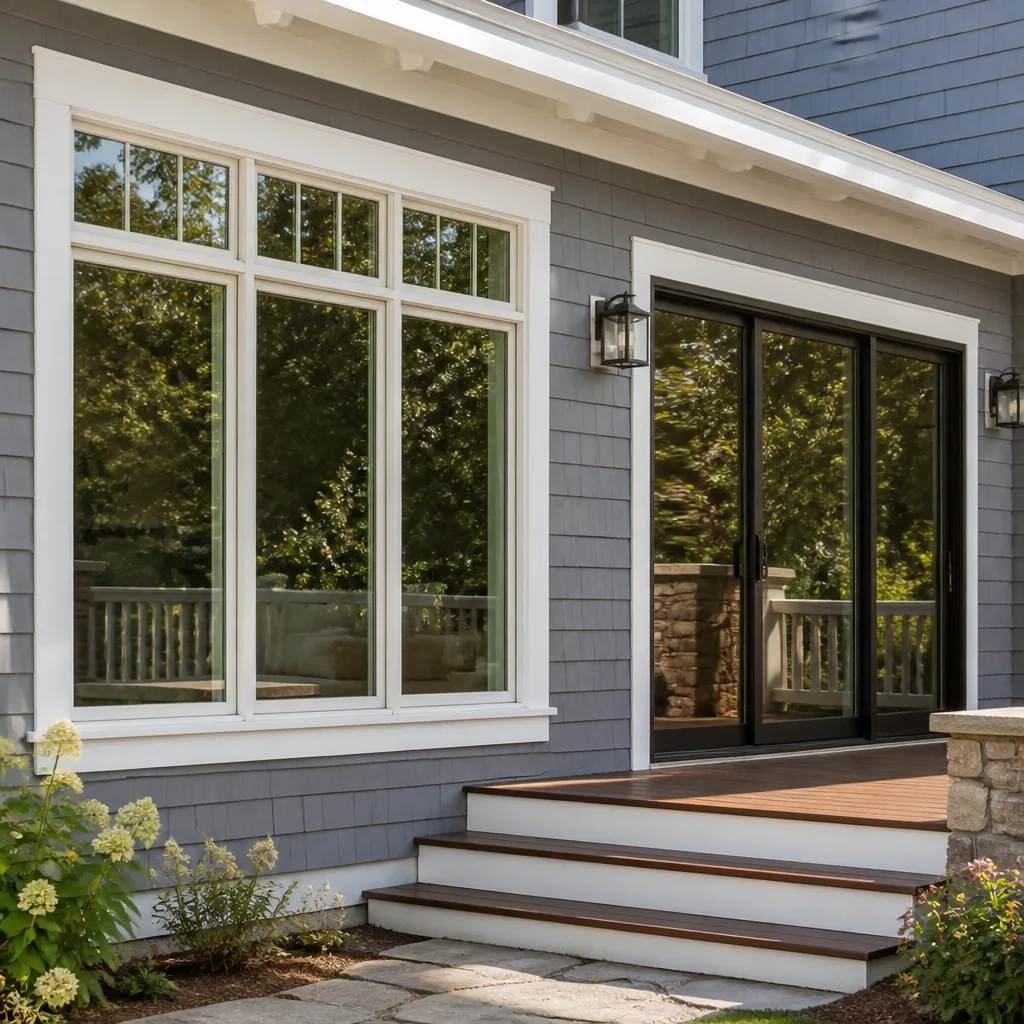
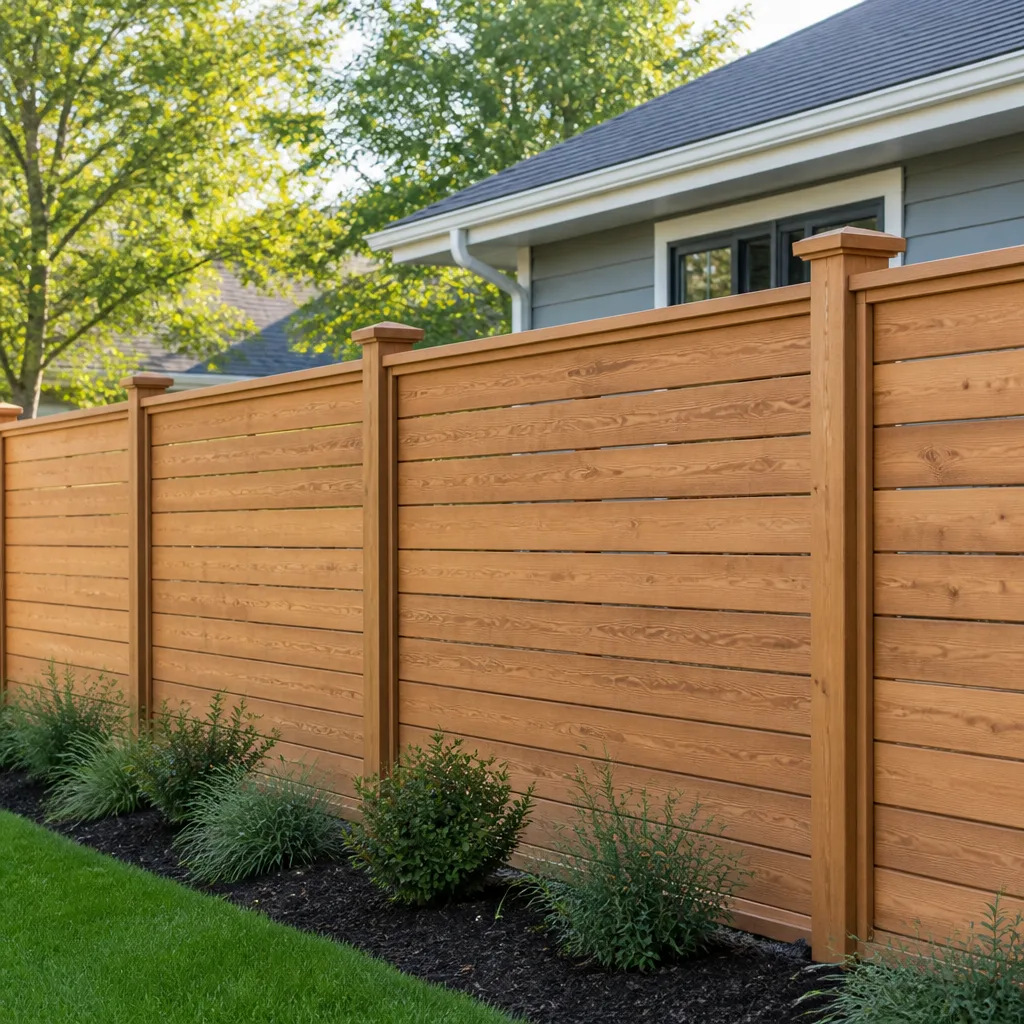
Table of Contents
- What Makes Thousand Oaks Construction Different
- Permits, Approvals, and the Ventura County Timeline
- Fire Zone Requirements and Material Choices
- Soils Reports, Grading, and Drainage Rules
- What Construction Costs in Thousand Oaks
- How to Verify a Contractor for Your Specific Project
- A Realistic Timeline: Design to Final Inspection
- Common Mistakes to Avoid
- When to Call a Professional
- Frequently Asked Questions
What Makes Thousand Oaks Construction Different
Thousand Oaks is not a flat, predictable building environment. The city spans rolling hills, canyon parcels, and established neighborhoods with homes built across six decades, each era bringing its own framing methods, electrical systems, and foundation types. A contractor who builds in the flatlands of the San Fernando Valley may never have encountered the slope-stability requirements, setback rules, or fire-hardening standards that are routine for projects here.
Three forces shape every project in this city:
- Very High Fire Hazard Severity Zone (VHFHSZ) designation. Large portions of Thousand Oaks fall under this Cal Fire classification, which triggers specific building code requirements for exterior materials, venting, and defensible space. Chapter 7A of the California Building Code applies, and inspectors enforce it.
- Hillside and canyon topography. Sloped lots change how foundations are engineered, how drainage is designed, and whether a grading permit is required. Flat-lot rules simply do not apply.
- Ventura County jurisdiction. Thousand Oaks is not in Los Angeles County. Permit review, inspection scheduling, and plan check comments come from Ventura County Building and Safety, which has its own turnaround times and its own interpretation of state code.
We have seen projects in neighborhoods like Lynn Ranch, Wildwood, and the hills above Westlake Boulevard where the difference between a smooth build and a stalled one came down to whether the contractor understood these three factors before the first drawing was submitted. That is the reality of home remodeling in Thousand Oaks: the site dictates the rules, and the rules dictate the budget and schedule.
Permits, Approvals, and the Ventura County Timeline
Every structural project in Thousand Oaks requires a permit from Ventura County Building and Safety. This includes additions, kitchen and bathroom remodels that move walls or alter plumbing, roof replacements, window replacements that change opening sizes, electrical panel upgrades, and any grading work. Cosmetic work like painting, flooring, and cabinet refacing without layout changes typically does not require a permit, but the line is thinner than most homeowners think.
Here is what the permit process looks like in 2025 and 2026, based on what we see in current projects:
- Plan preparation. An architect or designer produces construction drawings. For hillside or canyon lots, a soils report from a geotechnical engineer is usually required before structural drawings can be finalized. This adds 2 to 6 weeks that flat-lot projects do not incur.
- Plan check submittal. The drawings go to Ventura County Building and Safety. Current turnaround for residential plan review is 4 to 10 weeks, depending on complexity. Projects in fire zones take longer due to additional Chapter 7A review.
- Plan check comments. The county returns comments. The design team responds and resubmits. Expect 1 to 3 rounds of comments for a typical addition or major remodel. Each round adds 2 to 4 weeks.
- Permit issuance. Once approved, the permit is issued and fees are paid. Permit fees in Ventura County typically run 1 to 2 percent of the project valuation.
- Inspections. Inspections are scheduled throughout construction. Ventura County typically schedules inspections within 24 to 48 hours of request, which is better than many neighboring jurisdictions, but missed inspections or failed inspections reset the clock.
The full permitting phase, from the first drawing to a ready-to-build permit, runs 10 to 20 weeks for most Thousand Oaks projects. Hillside work with grading review can extend that to 6 months. Any contractor who quotes a start date without asking about your lot’s slope, fire zone, and drainage situation is guessing.
Fire Zone Requirements and Material Choices
If your property sits in a VHFHSZ, and most hillside and canyon properties in Thousand Oaks do, the exterior of your project must meet California Building Code Chapter 7A standards. This is not optional and inspectors in Ventura County check it carefully.
The requirements that affect most projects:
- Roofing: Class A fire-rated roofing is required. This includes most asphalt composition shingles, metal roofing, and tile. Underlayment must meet specific fire-rated standards.
- Eaves and soffits: Enclosed eaves are required in many fire-zone scenarios. Open-eave designs that are common in other Southern California cities may not pass plan check here.
- Vents: Attic and crawlspace vents must have ember-resistant mesh screens with openings no larger than 1/8 inch. This is a small detail that inspectors catch frequently.
- Windows: Exterior glazing in fire zones typically requires tempered glass on the fire-facing sides. For whole-home projects, this requirement often extends to every window on the structure.
- Siding and decking: Combustible siding and decking are restricted or prohibited on fire-facing elevations. Non-combustible options like stucco, fiber cement, and certain composite products are standard choices.
Material selection in a fire zone is not just about compliance. It is about insurance. Many Thousand Oaks homeowners have seen their insurance carriers require proof of fire-hardening upgrades before renewing a policy. We work with specification-grade brands like CGI and ES Windows for fire-rated and impact-rated glazing in hillside properties, and ECO Window Systems for energy-efficient replacement windows in standard-zone homes. The right material choice can satisfy both the building inspector and the insurance underwriter, and that is a conversation worth having before you buy anything.
Soils Reports, Grading, and Drainage Rules
Thousand Oaks sits on the Conejo Valley’s alluvial soils, which vary dramatically from one parcel to the next. Some areas have stable, well-drained soils. Others have expansive clay that moves with moisture content. Some hillside lots sit on fill that was placed decades ago under older grading standards. The only way to know what your foundation is dealing with is a geotechnical investigation, and on hillside parcels, Ventura County will not issue a permit without one.
A soils report typically costs $3,500 to $8,000 in Thousand Oaks, depending on lot size and access. It tells you:
- The soil type and its load-bearing capacity.
- Whether expansive soils are present and require special foundation design.
- What depth of footings or piers is required.
- Whether slope stability is a concern that requires a grading plan.
Grading triggers a separate set of rules. Any project that moves more than a minimal amount of earth, or that changes the way water flows across a property, falls under the Ventura County Watershed Protection District’s jurisdiction. This includes retaining walls over a certain height, cut-and-fill operations, and any change to impervious surface coverage. The county reviews drainage plans carefully because runoff from one property affects everyone downhill. A retaining wall that a homeowner thinks of as a simple landscape feature can require an engineered design, a grading permit, and a drainage plan that adds $10,000 or more to a project that looked straightforward on paper.
This is why we tell every prospective client the same thing: before you fall in love with a design, know what your lot will allow. The lot answers first. The design follows.
What Construction Costs in Thousand Oaks
Construction costs in Thousand Oaks run slightly above the Southern California average because of the permitting complexity, fire-zone material requirements, and the prevalence of hillside lots that need extra engineering. Based on current market conditions in 2025 and 2026, here is what homeowners should expect:
| Project Type | Typical Cost Range | Notes |
|---|---|---|
| Kitchen remodel (mid-range) | $45,000 – $90,000 | Layout changes, semi-custom cabinets, new appliances, quartz or solid surface counters |
| Kitchen remodel (high-end) | $90,000 – $180,000+ | Custom cabinetry, structural changes, premium fixtures, specification-grade surfaces |
| Bathroom remodel (mid-range) | $25,000 – $50,000 | Full gut, new tile, new fixtures, updated plumbing |
| Bathroom remodel (high-end) | $50,000 – $110,000+ | Structural changes, custom shower systems, heated floors, premium tile |
| Room addition | $250 – $450 per sq ft | Includes foundation, framing, roofing, electrical, HVAC extension, and finishes |
| Whole-home remodel | $150 – $350 per sq ft | Depends heavily on scope, structural changes, and existing condition |
| Roof replacement | $18,000 – $45,000 | Fire-rated materials required in VHFHSZ; slope and access affect price |
| Window replacement | $900 – $2,500 per window | Fire-zone requirements can push toward tempered or impact-rated glass |
Permit fees, engineering, soils reports, and design fees typically add 8 to 15 percent on top of construction costs. That line item surprises homeowners who have not built in Thousand Oaks before. A contractor who includes those costs in the written estimate up front is doing you a favor; a contractor who presents a price without them is either inexperienced with this city or planning to add them later as change orders. We provide a written price on every project before any work starts, and that price includes the permits, engineering, and site-specific costs we know the project will require. If a line item turns out to be unnecessary, you do not pay it. If we missed something, that is on us, not on you.
How to Verify a Contractor for Your Specific Project
“Licensed and insured” is the most overused phrase in construction, and it tells you almost nothing. A license that covers concrete work does not authorize a contractor to build a two-story addition. California issues licenses by classification, and you need to match the classification to the work.
Here is how to verify a contractor for your Thousand Oaks project:
- Check the license classification. Go to the Contractors State License Board (CSLB) website and look up the contractor’s license number. For most remodels and additions, you want a Class B General Building contractor. For work limited to one trade, a Class C specialty license is appropriate. Verify that the classification matches the scope of your project.
- Verify the license is active. The CSLB database shows whether a license is active, suspended, or expired. It also shows the license issue date. A contractor who has held an active license for 10 or 20 years has survived market cycles; one who has been licensed for 8 months deserves more scrutiny.
- Check for workers’ compensation coverage. California law requires contractors with employees to carry workers’ comp. If a contractor does not have it and a worker is injured on your property, you can be liable. The CSLB website shows workers’ comp status.
- Ask about Thousand Oaks permit history. A contractor who has pulled permits in Thousand Oaks knows the plan check staff, the inspectors, and the local code interpretations. Ask for examples of permitted projects completed here, not just projects in the general region.
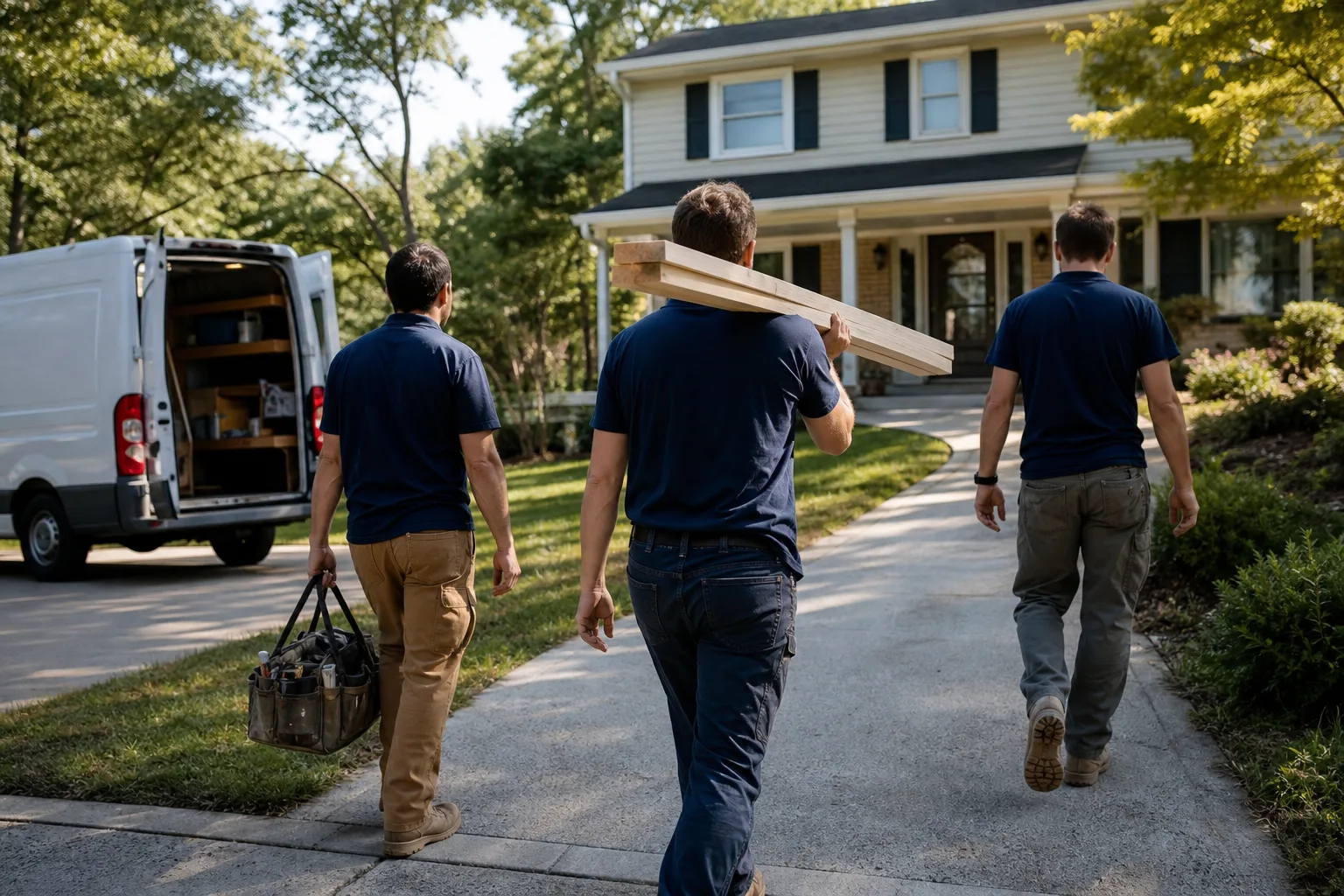
- Verify the people who will actually do the work. The person who signs the contract is often not the person who shows up with a hammer. Ask who the crew lead will be, who the subcontractors are, and how background checks are handled. You have the right to know who is entering your home.
This last point matters more in Thousand Oaks than most contractors admit. A remodeling project means giving strangers access to your home for weeks or months. Mason Remodeling Co Thousand Oaks follows the Threshold Standard on every project: every technician is background-checked and identity-verified, arrives in a clean marked uniform, shows a photo ID badge at the door, and is introduced to you by name and photo before the visit. If a contractor will not tell you who is coming to your home, that is the end of the conversation.
A Realistic Timeline: Design to Final Inspection
Honest timelines are hard to find in this industry. Here is what a typical general contractor in Thousand Oaks should tell you, based on current Ventura County plan check volume and the realities of building on Conejo Valley terrain.
Phase 1: Design and feasibility (4 to 12 weeks)
- Site assessment, including review of slope, drainage, fire zone, and access.
- Soils report if required (typically 2 to 6 weeks).
- Architectural drawings and structural engineering.
- Ballpark budgeting based on the design direction.
Phase 2: Permitting (10 to 20 weeks)
- Plan check submittal to Ventura County Building and Safety.
- Response to plan check comments, typically 1 to 3 rounds.
- Fire zone and drainage review if applicable.
- Permit issuance and fee payment.
Phase 3: Pre-construction (2 to 4 weeks)
- Material ordering, especially for long-lead items like custom windows, cabinetry, and specialty doors. Fire-rated or impact-rated products can add 4 to 8 weeks to lead times.
- Subcontractor scheduling.
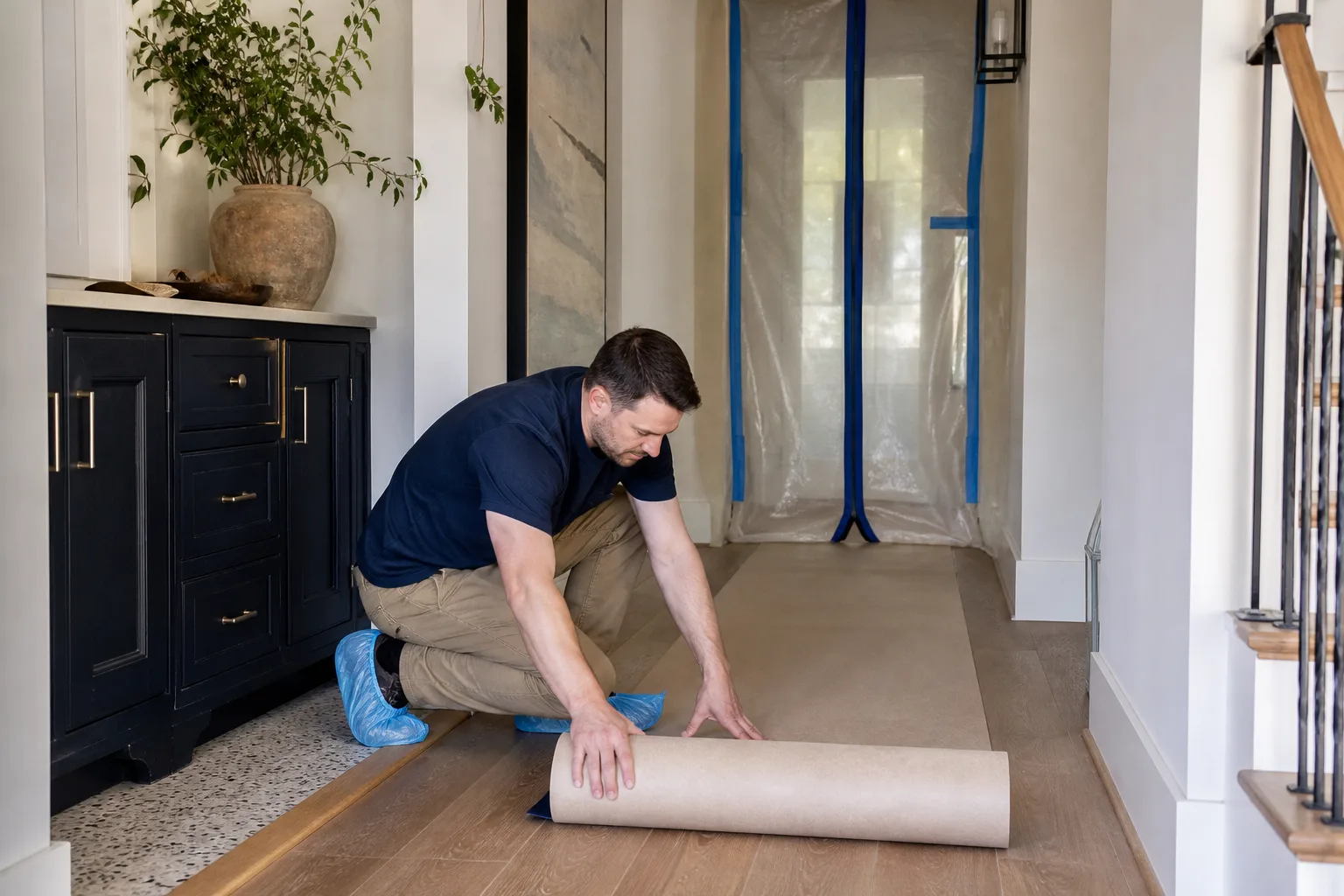
- Site preparation and protection.
Phase 4: Construction (8 to 26 weeks depending on scope)
- Demolition, foundation work, framing, rough electrical and plumbing, insulation, drywall, finishes.
- Inspections at each stage: foundation, framing, rough-in, insulation, final.
- Fire zone compliance verified at framing and final inspection.
Phase 5: Closeout (1 to 3 weeks)
- Final inspection and certificate of occupancy.
- Punch list completion.
- Walkthrough and warranty documentation.
A whole-home remodel in Thousand Oaks typically runs 6 to 14 months from the first design meeting to the final walkthrough. A bathroom remodel can run 3 to 5 months, including permitting. Anyone who promises significantly faster timelines is either skipping permits or will run into a wall at inspection and blame the county for a delay that was predictable from the start.
Common Mistakes to Avoid
- Buying materials before understanding fire zone requirements. We have seen homeowners order windows or siding that their designer specified, only to discover the products do not meet Chapter 7A standards and cannot be returned. Confirm compliance before you spend a dollar on materials.
- Assuming a flat-lot quote applies to a hillside property. Contractors who mostly build in the Valley see a Thousand Oaks address and price it like flat ground. The soils report, grading plan, and slope engineering add real cost, and a low bid that ignores them will not stay low.
- Skipping the drainage conversation. Ventura County Watershed Protection District rules affect many projects, even on lots that look dry and stable. Drainage changes on your property affect your neighbors, and the county will not look the other way.
- Choosing a contractor based on the lowest bid without verifying license classification. Low bids in this market usually mean either missed scope or missing insurance. Both end up costing more than the honest bid.
- Starting a project before the permit is in hand. Demo without a permit is illegal, can result in stop-work orders, and can complicate a future home sale when unpermitted work is discovered during disclosure.
- Ignoring the long-term insurance implications of material choices. In a fire zone, your carrier cares about your roof, your vents, and your siding. A remodel that does not upgrade these items may satisfy the inspector but not the underwriter, and you may not find out until renewal time.
- Not asking who will be in your home. The contract is with a company, but the work is done by people. If the company cannot tell you who those people are, how they are vetted, and how you will recognize them at the door, that is a safety problem, not just a service problem.
When to Call a Professional
Some projects are genuinely DIY territory: painting a bedroom wall, replacing a faucet cartridge, swapping out a light fixture. Structural changes are not. If your project involves moving or removing walls, changing rooflines, adding square footage, altering drainage, working on a hillside, or touching the building envelope in a fire zone, call a professional before you take a hammer to anything. The cost of professional guidance at the front end is a fraction of the cost of fixing a code violation or repairing failed work. If you have a specific project in mind, Mason Remodeling Co Thousand Oaks home details are available online, and you can reach us at (805) 309-3386. Our estimates are free, and a written price is delivered before any work begins, every time.
Frequently Asked Questions
Construction in Thousand Oaks typically costs $150 to $400 per square foot depending on scope, with mid-range kitchen remodels at $45,000 to $90,000, bathrooms at $25,000 to $50,000, and additions at $250 to $450 per square foot. Hillside lots, fire-zone material requirements, and engineering costs add 8 to 15 percent on top of construction-only pricing. Call (805) 309-3386 for a written price on your specific project; estimates are free.
Yes, if the remodel moves plumbing, changes the layout, or alters any wall, a permit from Ventura County Building and Safety is required. Cosmetic updates like replacing a vanity, fixtures, or tile in the same location typically do not require a permit. A bathroom remodeling professional in Thousand Oaks can tell you during the estimate whether your specific scope triggers permit requirements.
Plan check at Ventura County Building and Safety currently runs 4 to 10 weeks for residential projects, with 1 to 3 rounds of comments adding 2 to 4 weeks per round. The full permitting phase from first drawing to ready-to-build permit typically takes 10 to 20 weeks, and hillside or fire-zone projects can take longer.
A VHFHSZ is a designation assigned by Cal Fire to areas with elevated wildfire risk based on terrain, vegetation, and weather patterns. In Thousand Oaks, many hillside and canyon properties carry this designation, which triggers California Building Code Chapter 7A requirements for fire-rated roofing, ember-resistant vents, tempered glazing, and non-combustible siding on fire-facing elevations.
Yes, but hillside construction requires a geotechnical soils report, slope stability analysis, and often a grading plan reviewed by Ventura County Watershed Protection District. These requirements add cost and time that flat-lot projects do not face, and they are required before a permit will be issued, not optional.
It should not, if you have a written contract and a contractor who priced the project accurately from the start. At Mason Remodeling Co Thousand Oaks, we deliver a written price before any work begins, and that price includes anticipated permit, engineering, and site-specific costs. The only legitimate reason for a change order is a homeowner-driven scope change, not a contractor discovering something they should have known during estimating.
The Bottom Line

Construction in Thousand Oaks rewards preparation and punishes shortcuts. This city’s fire zones, hillside lots, and county-level permitting create a building environment that has little in common with flat-land construction in neighboring areas. The homeowners who get the best results are the ones who understand their lot’s constraints before they fall in love with a design, who verify their contractor’s license classification and crew, and who demand a written price before committing. Nothing in this guide is complicated, but every step matters. Skip one and the project finds a way to remind you.
Written by Isaac Pruett, Owner at Mason Remodeling Co Thousand Oaks, serving Thousand Oaks since 2004.
See the difference
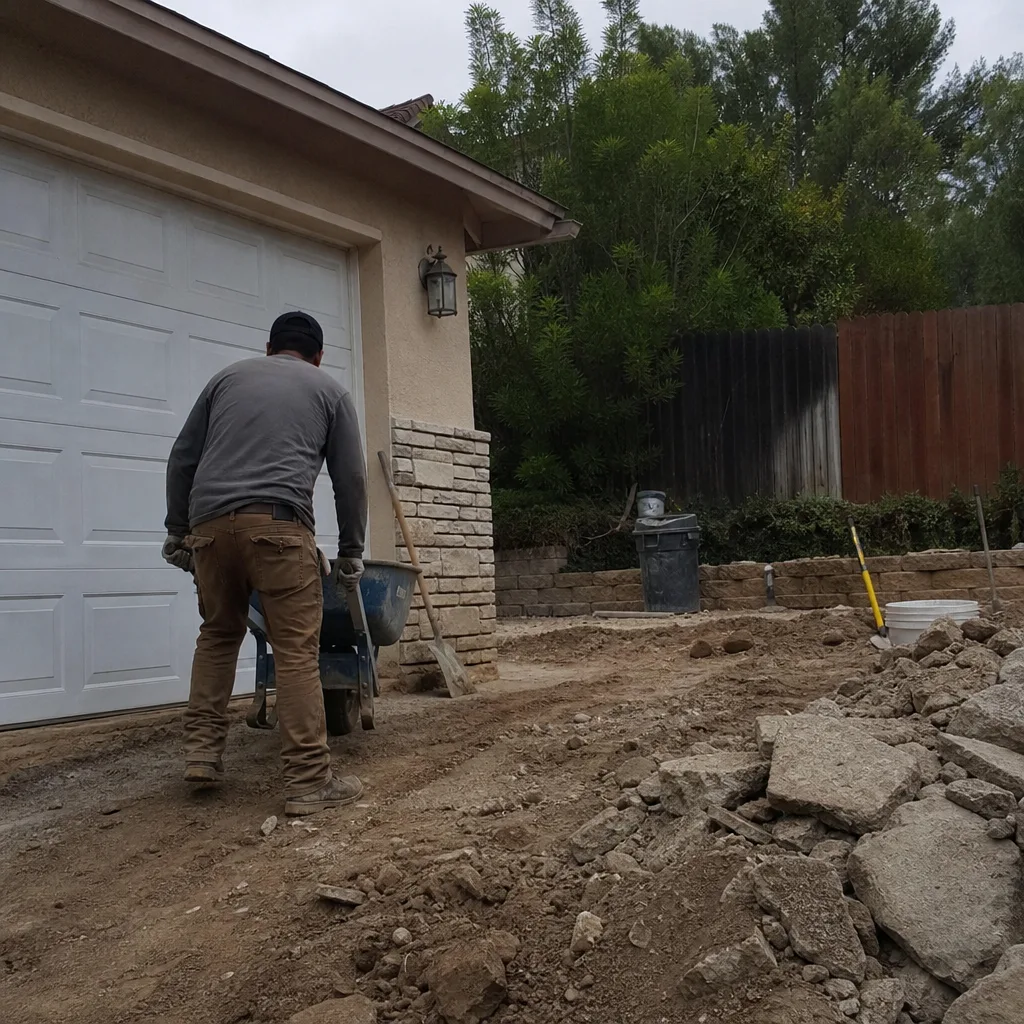 Before
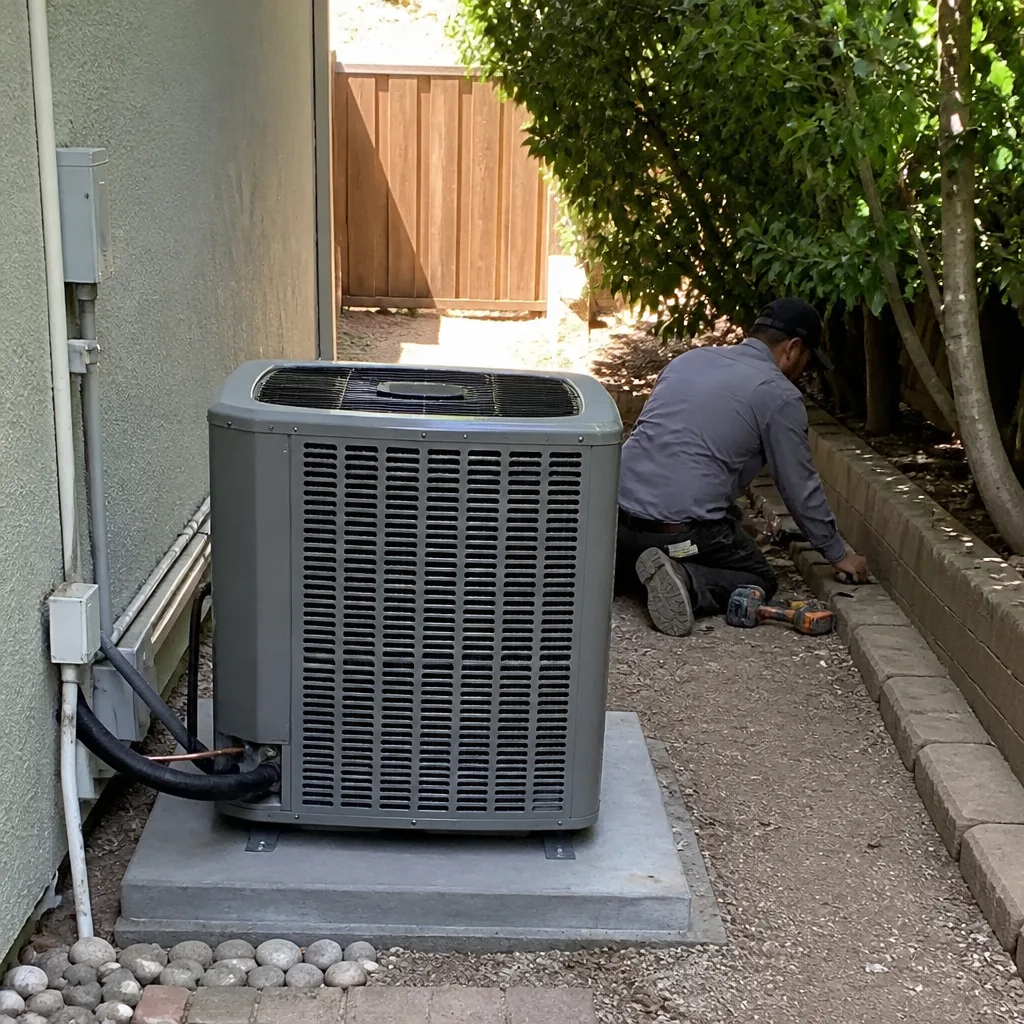 After
After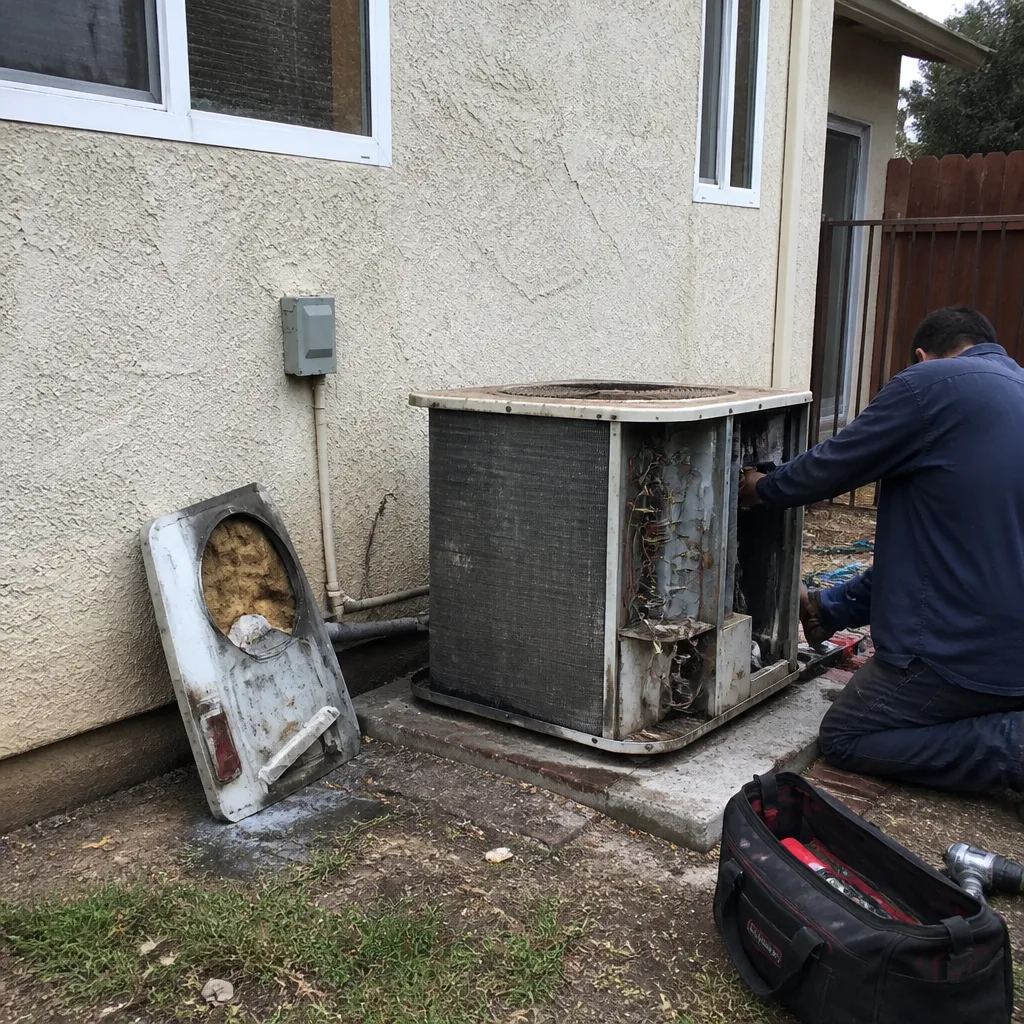 Before
 After
After Before
 After
After