Last updated October 15, 2026




Free written scope consultation - allowances, timeline, and change-order rules on paper before a single trade is scheduled
How to Hire a Construction Contractor in Thousand Oaks: A Step-by-Step Guide
The Contractors State License Board received more than 17,000 complaints against California contractors in a single recent year. Dig into those complaints and one pattern dominates: the person who sold the job is not the person who runs the crew, and the written contract does not match what was said across the kitchen table. Thousand Oaks homeowners do not need more review websites. You need a verification process. This guide and our Complete Guide to Construction in Thousand Oaks walk you through exactly how to confirm the contractor quoting your remodel is the contractor who will show up, and how to make every promise enforceable in writing before you hand over a deposit.
Styles & brands we work with

Quick Answer
To hire a construction contractor in Thousand Oaks, verify the license on the CSLB website beyond the word “active” by checking for disciplinary actions and confirming the classification matches your project, require a written scope of work with line-item pricing before signing, confirm in writing who will be on-site each day and how substitutions are communicated, cap your deposit at California’s legal limit of 10% or $1,000 (whichever is less), and structure payments so final payment is only due after you walk the finished project and sign off. A contractor who resists any of these steps is telling you something worth hearing.
Table of Contents
- Step 1: Verify the License Beyond “Active” Status
- Step 2: Demand a Written Scope of Work, Not a One-Page Estimate
- Step 3: Verify Who Will Be On-Site and How You Will Know Them
- Step 4: Understand California Deposit Law Before You Pay
- Step 5: Structure Payments to Protect Completion
- Step 6: Confirm Insurance, Bonds, and Permits
- What Makes Thousand Oaks Projects Different
- Common Mistakes to Avoid
- When to Call a Professional
- Frequently Asked Questions
- The Bottom Line
Step 1: Verify the License Beyond “Active” Status
Every legitimate construction contractor in Thousand Oaks carries a California contractor’s license issued by the Contractors State License Board (CSLB). Checking that a license exists is the bare minimum. Most homeowners stop there, and that is precisely where the risk lives.
- Run the full CSLB license check. Go to the CSLB website and enter the license number. Confirm the name on the license matches the person or company you are dealing with. If the person who quoted the job is not the license holder or a named officer on the license, ask why.
- Check for disciplinary actions. The license detail page includes a history section. Look for suspensions, revocations, citations, or arbitration awards against the contractor. A license can say “active” and still carry a pattern of complaints. One old citation may mean little. Three citations in two years means something.
- Confirm the classification matches your project type. California has distinct license classifications. A “B” license covers general building. A “C-54” covers tile, a “C-36” covers plumbing, a “C-10” covers electrical. A contractor holding only a specialty classification cannot legally act as the general contractor on a multi-trade whole-home remodel. In Thousand Oaks, where additions and whole-home remodels routinely require structural, electrical, plumbing, and finish work under one scope, you want a General B license or a contractor who openly manages licensed subs under their own B license.
- Verify the license has no outstanding liabilities. The CSLB page may show bond cancellations or workers’ compensation coverage gaps. A cancelled bond means the contractor is not legally permitted to operate. If the bond is not current, walk away.
Mason Remodeling Co Thousand Oaks operates as part of the Threshold Group family of home-service companies, and every project is run under the Threshold Standard: background-checked, identity-verified technicians who arrive in marked uniforms and show photo ID at the door. This is not a substitute for your own license check. It is a complement to it. Run the check on anyone you consider. A contractor who has nothing to hide will not flinch when you ask for the license number.
Step 2: Demand a Written Scope of Work, Not a One-Page Estimate
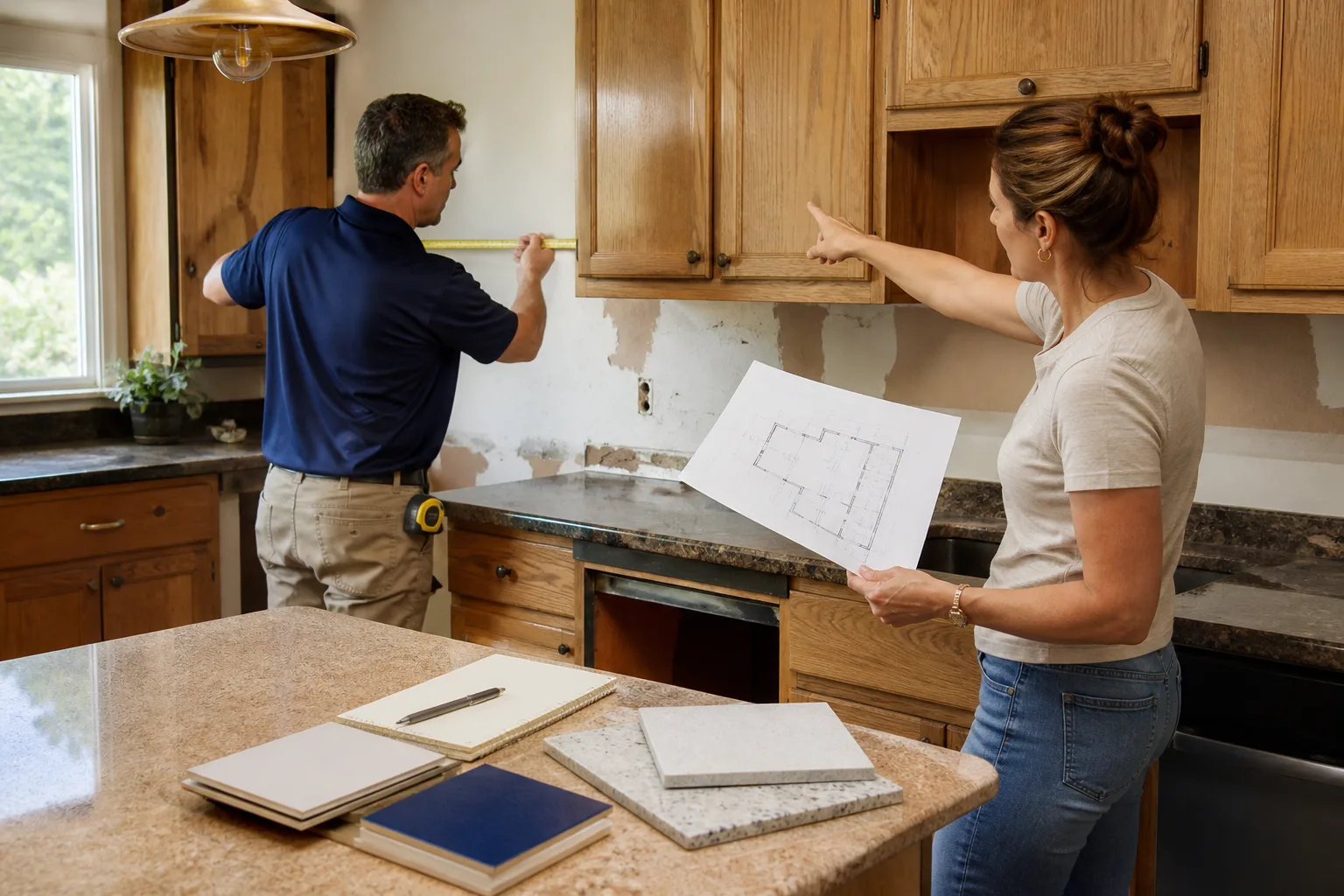
A one-page estimate that reads “kitchen remodel: $48,000” is not a contract. It is a conversation starter. The gap between that sheet of paper and the finished project is where Thousand Oaks disputes are born.
A legitimate written scope of work includes, at minimum:
- Line-item pricing. Demolition, framing, drywall, plumbing, electrical, cabinetry, countertops, flooring, trim, painting, cleanup. Each as its own line. If a contractor cannot break the job into line items, they have not actually priced it, they have guessed.
- Material specifications. Brand, model, color, finish, quantity. “New cabinets” is not a spec. “KraftMaid Vantage line, Durham door style, cotton finish, 14 linear feet of uppers and 16 linear feet of lowers” is a spec. “Quartz countertops” is not a spec. “Cambria Britannica, 3cm, eased edge, 42 square feet” is a spec.
- Explicit exclusions. What is not included matters as much as what is. Paint touch-up? Dump fees? Permit fees? Access issues? An honest scope lists what you are not getting.
- Payment terms. Amounts, triggers, and due dates. Not “as work progresses.” Specific milestones tied to specific observable completion points.
- Change order process. How changes are requested, priced, and approved, in writing, before the change is made. Verbal change orders are how a $60,000 remodel becomes an $80,000 remodel.
- Timeline with milestones. Start date, substantial completion, final walkthrough. Delays happen, but a written estimate of duration means a delay is a deviation you can discuss, not a surprise you absorb.
- Permit responsibility. Who pulls permits, who schedules inspections, and what happens if an inspection fails.
At Mason Remodeling, a written price is delivered before any work begins. That is not a promotion and it is never waived. The written scope is how we make sure the conversation at the kitchen table and the contract on the counter say the same thing. When you compare bids in Thousand Oaks, compare scopes, not headline numbers. A $42,000 bid with a thin scope will cost more than a $47,000 bid with a real one.
Step 3: Verify Who Will Be On-Site and How You Will Know Them
You are not hiring a license number. You are hiring people who will stand in your kitchen, walk through your hallway, and use your bathroom. If you are a parent home with young children, or an older adult home alone during the day, the question of who is coming through the door is not a formality. It is the core of the decision.
Ask every contractor you interview these questions, and require the answers in writing:
- Who exactly will be on my property each day? Names, not “my crew.” Ask how many people, what their roles are, and whether the same people will stay on the job from start to finish.
- How will I be notified of substitutions? Crews change. That is the reality of construction. The question is whether the contractor tells you before a new person arrives or after they are already in your home. Require advance notice, with a name and a photo.
- What identification will each person carry? A legitimate company equips its people with photo ID badges. Ask to see the badge at the door, every time, for every person. No badge, no entry.
- Are all workers background-checked? Ask directly. If the answer is vague, that is an answer.
- Will the person who quoted the job be on-site? The single biggest complaint trend in California is the estimator who disappears after the contract is signed. Ask how often the project lead will be physically present and how you will reach them.
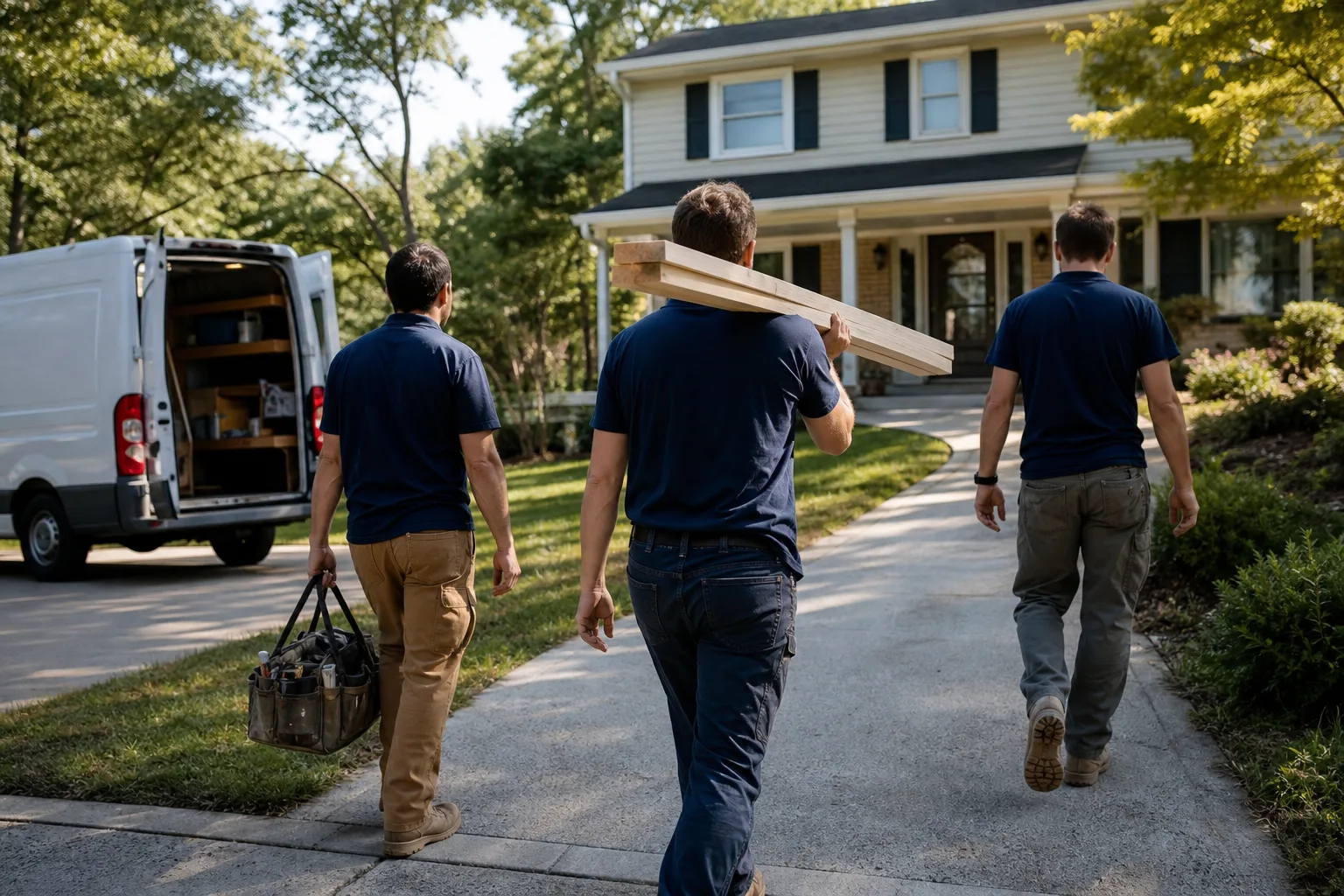
This is where the Threshold Standard matters. Every Mason Remodeling technician is background-checked and identity-verified. You receive the technician’s name and photo before the visit, and the technician shows a photo ID badge at the door on arrival. You know who is coming before they ring the bell. That is the verification standard Thousand Oaks homeowners should expect from any contractor. If a company will not tell you who is coming, they have told you something about how they operate.
Step 4: Understand California Deposit Law Before You Pay
California Business and Professions Code Section 7159 caps contractor deposits on most home improvement contracts at 10% of the total project cost or $1,000, whichever is less. That is not a guideline. That is the law.
On a $50,000 remodel, a contractor may legally request no more than $1,000 as a deposit. If a contractor asks for 30% or 50% up front to “secure materials” or “hold your place in the schedule,” that is a red flag the size of a dumpster. Exceptions exist for some custom materials, but the exception must be justified in writing, tied to specific non-returnable items, and documented with invoices.
Watch for these deposit patterns:
- The 50/50 deal. Half now, half later. Illegal on most jobs and structurally dangerous for you, because the contractor now has more incentive to finish fast than to finish right.
- The “materials deposit” that never gets itemized. If materials are being pre-purchased, you should see the supplier invoice, the exact items, and the delivery schedule. Vague materials language is a red flag.
- The “good faith” deposit above the legal cap. Trust is built by following the law, not by asking you to ignore it.
- The cash-only or check-to-a-person request. Payments should be made to the licensed entity, traceable, with receipts.
- Deposit. 10% or $1,000, whichever is less, per California law.
- First progress payment. Tied to a specific, observable milestone: demo complete, framing complete, rough inspection passed. Pay only after you have seen the completed work and, where applicable, the inspection sign-off.
- Second progress payment. Tied to another milestone: drywall hung and taped, cabinetry installed, tile set.
- Final payment. Held until you have walked the project, created a punch list, confirmed every item is complete, received lien releases for all subs and suppliers, and received the written warranty. Final payment should be the largest single line item after the deposit, 10% or more, so the contractor’s incentive to finish all the small things stays real.
- Hiring on price alone. A bid that is 20% below the next two is not a bargain. It is an incomplete scope or a contractor who plans to make it up in change orders. In Thousand Oaks, the cost of labor and materials does not vary that much between legitimate companies. If the price gap is huge, the scope gap is the reason.
- Skipping the license check. “He’s a friend of a friend” is not verification. Run the CSLB check every time, for every contractor, friends included. Friends of friends file mechanics liens too.
- Paying a deposit above the legal cap. The law exists for a reason. If a contractor asks for 30% up front, they have just told you they do not respect California contractor law. Believe them.
- Accepting verbal change orders. The phrase “we’ll just figure it out at the end” means you will pay more than you think at the end. Written change orders, signed by both parties, before the work is done. No exceptions.
- Not asking who will be on-site. If you are home alone with children or are an older adult, the identity of the people in your house is not a minor detail. Require names, photos, and badges. A contractor who pushes back is not the right contractor.
- Making final payment before the punch list is done. Once the check clears, the leverage shifts. Hold final payment until every item on the punch list is complete, inspections have passed, and lien releases are in hand.
- Hiring an unlicensed specialty contractor for general work. The guy who did great tile work on your neighbor’s backsplash may not be licensed to run the structural work on your addition. Check the classification matches the scope.
The deposit law exists because contractors in California historically failed to start jobs or applied deposits to the previous job. The cap protects you. A contractor who follows it is demonstrating that they can manage cash flow like a business. A contractor who pushes past it is demonstrating something else.
Step 5: Structure Payments to Protect Completion
The deposit is the first payment. The rest of the schedule matters just as much. The goal is simple: the contractor should always have enough money to do the work but never so much that finishing becomes optional.
A sound payment structure on a Thousand Oaks remodel looks like this:
Never pay ahead of completed work. Never let a progress payment be tied to a calendar date rather than a milestone. And never make a payment without a corresponding signed receipt that identifies what the payment covers.
One more thing: lien releases. In California, subcontractors and suppliers who are not paid can file a mechanics lien against your property, even if you paid the general contractor in full. Before final payment, require conditional and unconditional lien releases from every sub and supplier who worked on or delivered to the job. A legitimate contractor provides these as standard practice. The written guarantee on every Mason Remodeling project states coverage terms plainly, and lien releases are part of the closeout documents we prepare on every completed job.
Step 6: Confirm Insurance, Bonds, and Permits
Three documents separate a professional contractor from a person with a truck. Ask for all three before work starts.
General liability insurance. This covers damage to your property caused by the contractor’s work. Require a certificate of insurance naming you as an additional insured, issued directly from the insurance carrier, not a photocopy from the contractor. Verify the policy is current.
Workers’ compensation insurance. If a worker is injured on your property and the contractor does not carry workers’ comp, that worker may sue you as the property owner. In California, any contractor with employees must carry workers’ comp. Ask to see the certificate. If the contractor says they have no employees and will use day labor, ask harder questions.
Contractor’s license bond. The CSLB requires a $25,000 bond. This bond exists to compensate homeowners for certain violations of contracting law. It is not insurance. It is a regulatory safety net, and it is a sign the contractor is current with the state.
Permits. In Thousand Oaks, work that changes structure, moves plumbing or electrical, or alters square footage requires a city permit. The City of Thousand Oaks enforces California Building Standards Code. An unpermitted remodel may function fine for years, until you try to sell the house and the unpermitted work surfaces on a disclosure form, or until an insurance claim is denied because the work was never inspected. Ask who pulls the permit. That person is legally responsible for passing inspections. A contractor who suggests skipping permits to save money is asking you to accept a liability you do not want. Every Mason Remodeling general contracting project pulls permits where required and passes inspections before final payment.
What Makes Thousand Oaks Projects Different
Thousand Oaks sits at the western edge of the Conejo Valley, where summer heat and Santa Ana winds put real stress on materials and assemblies. Homes in neighborhoods like Newbury Park, Lynn Ranch, Wildwood, and the older tracts around Avenida de Los Arboles were built across different decades under different code cycles. A remodeler who has worked in Thousand Oaks knows what a 1970s ranch near Conejo Creek has in its walls and what a 1990s tract home in Lang Ranch will need for shear wall upgrades under current seismic codes, as covered in our Seasonal Construction Care for Thousand Oaks: Year-Round Homeowner’s Guide.
Seismic codes are not abstract here. Ventura County sits in active seismic country, and Thousand Oaks enforces current California Building Standards Code requirements for shear wall, foundation anchorage, and structural connections on any remodel that opens walls or adds square footage. A general contractor who works in Thousand Oaks regularly will know when a simple kitchen remodel triggers a structural upgrade and will include that cost in the written scope up front, rather than discovering it mid-project and issuing a change order.
Climate matters too. Thousand Oaks sees 90-plus-degree days from June through October, and Santa Ana wind events that push temperatures higher and dry out everything. Material choices that fail in this climate include cheap laminate flooring that warps in temperature swings, low-grade paint that chalks under intense UV exposure, and exterior sealants that shrink and crack in low-humidity wind conditions. A thoughtful Thousand Oaks contractor specs materials that hold up to this specific climate and schedules work around the heat where it affects installation.
Permitting in Thousand Oaks goes through the city’s building and safety division. Review times for plan checks vary by project scope and current workload. A contractor who works in Thousand Oaks often has a working relationship with city inspectors and knows what the plan checker will flag before the plans are submitted. That local knowledge is invisible in a written bid but it shows up in the schedule and in the absence of surprise change orders.
For depth on what a full-service general contracting relationship looks like in this market, our General Contractor in Thousand Oaks page covers scope, process, and what to expect from start to finish.
Common Mistakes to Avoid
When to Call a Professional
Some work is genuinely DIY territory: paint a room, swap a faucet, hang a shelf. But any project that touches structure, plumbing, electrical, gas, or the building envelope belongs with a licensed contractor. If you are opening walls, moving a bathroom, reworking a kitchen layout, adding square footage, or replacing a roof, do not learn on your own house. The cost of a mistake is not the cost of the materials. It is the cost of the rework, the failed inspection, the insurance denial, and the lost resale value. Mason Remodeling Co Thousand Oaks offers free estimates in Thousand Oaks. Call (805) 309-3386 and we will walk your project, ask the right questions, and put a written price in front of you before any work begins.
Frequently Asked Questions
General contractors in Thousand Oaks typically charge between $85 and $150 per hour for their own time, with specialty subcontractors billing $65 to $120 per hour depending on trade. Most legitimate remodel work is quoted as a fixed project price, not hourly. A written scope with line-item pricing protects you from hourly billing surprises. For a fixed-price quote on your specific project, call (805) 309-3386.
Go to the Contractors State License Board website, enter the license number or business name, and review the full license record, including classification, bond status, workers’ comp coverage, and any disciplinary actions. Do not stop at the word “active.” The record includes complaint history, citations, and arbitration awards. Run this check before you sign anything or pay anyone.
For most home improvement contracts in California, the maximum legal deposit is 10% of the total project price or $1,000, whichever is less. On a $60,000 remodel, that means $1,000. Anything above that is a violation of Business and Professions Code Section 7159 unless specifically justified for custom non-returnable materials, documented with supplier invoices. Call (805) 309-3386 if you want to talk through what a legal payment structure looks like for your project.
No. Unpermitted structural, plumbing, or electrical work creates liability on resale, can void insurance claims, and may require costly tear-out if discovered. A contractor who suggests skipping permits is asking you to carry risk they should be carrying themselves. A Home Remodeling in Thousand Oaks project should include permits in the written scope and inspections passed before final payment.
A full kitchen remodel in Thousand Oaks typically takes 6 to 10 weeks from demo to final walkthrough, depending on scope, permitting timelines, and material lead times; see our Construction Cost Breakdown: The Thousand Oaks Homeowner’s Reference for 2026 for typical investment ranges. Custom cabinetry from brands like KraftMaid or Wellborn can add 4 to 8 weeks to material lead time. Your written scope should include a timeline with milestones, and you should expect updates if material delays occur.
A written guarantee should state what is covered, what is excluded, and for how long. On every Mason Remodeling project, the 365-Day Done Right Promise applies: if the work is not right within a year of completion, we make it right at no cost to the homeowner. A guarantee is not a vague reassurance. It is specific language with a specific duration. Ask for it in writing before you sign. For more on what goes into a Bathroom Remodeling in Thousand Oaks project or any other remodel, see our service pages for full scope details.
Every answer above leads to the same place: if the numbers matter to you, call (805) 309-3386 for an exact quote. Estimates are free.
The Bottom Line
Hiring a contractor in Thousand Oaks is not about finding the lowest bid or the most polished website. It is about verification: confirming the license beyond the word “active,” demanding a written scope with line-item pricing, knowing exactly who will be on your property and how you will recognize them, respecting California’s deposit cap, and structuring payments so the final check clears only when the work is done and the punch list is empty. A contractor who welcomes that process is a contractor who can finish the job. A contractor who resists it has shown you what a dispute will look like before you have even signed. Start with the Mason Remodeling Co Thousand Oaks home page to see how a verified, written-price, written-guarantee process works, and call (805) 309-3386 when you are ready to talk through your project.
Written by Isaac Pruett, Owner at Mason Remodeling Co Thousand Oaks, serving Thousand Oaks since 2004. Explore more guides & resources on hiring and managing home construction.
See the difference
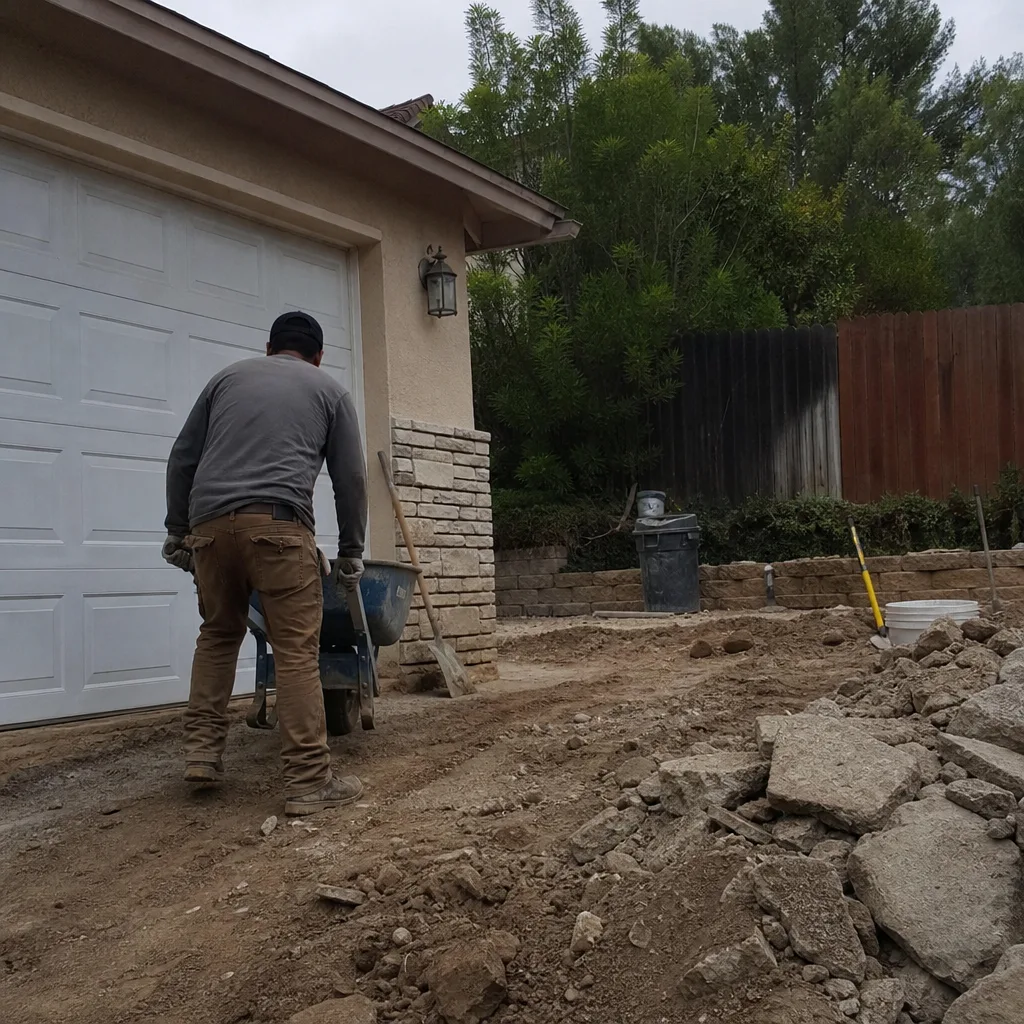 Before
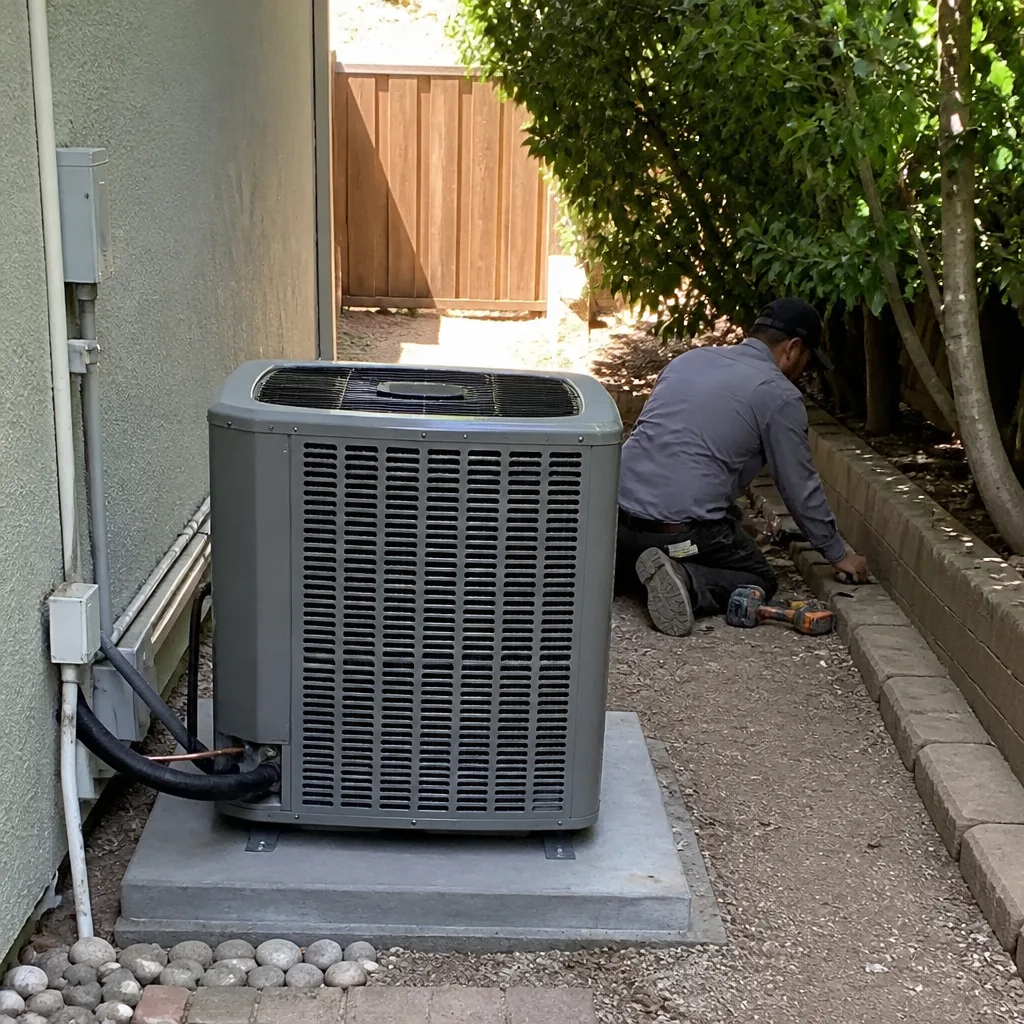 After
After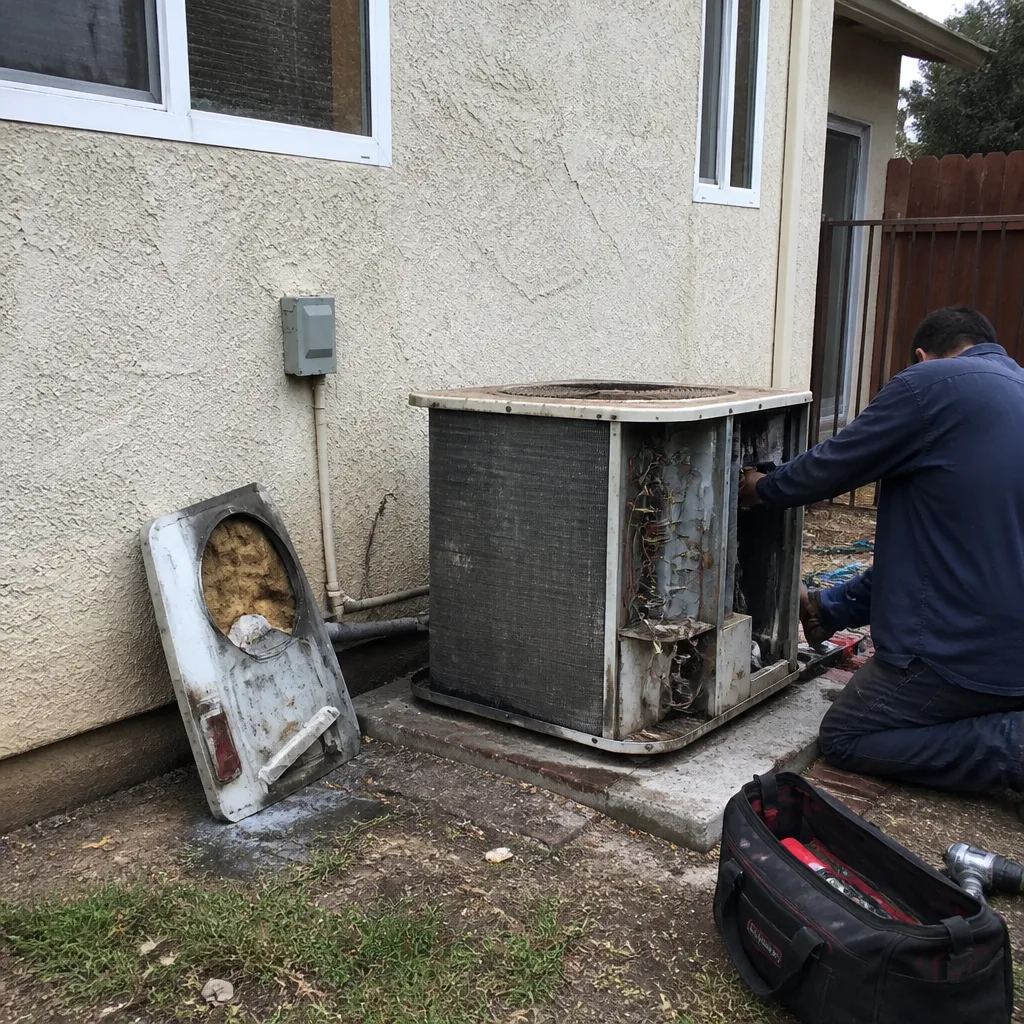 Before
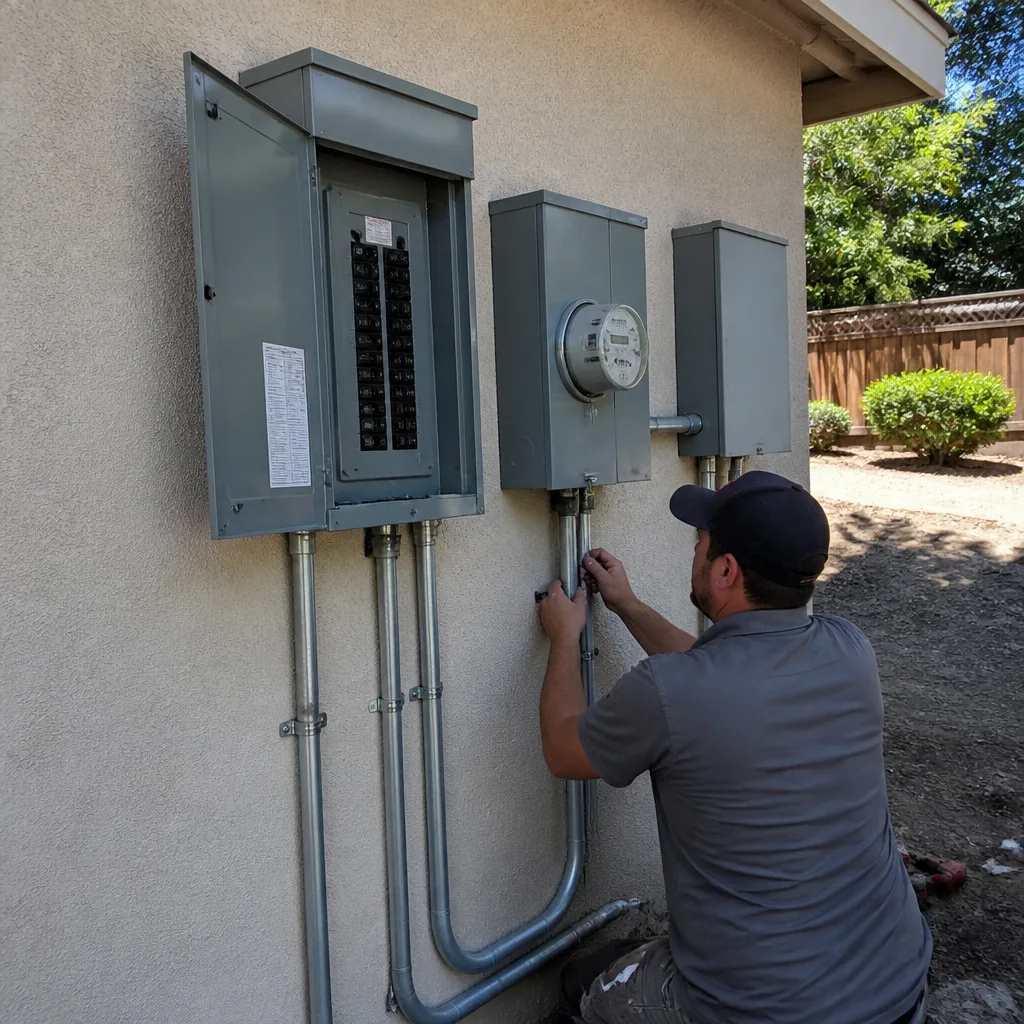 After
After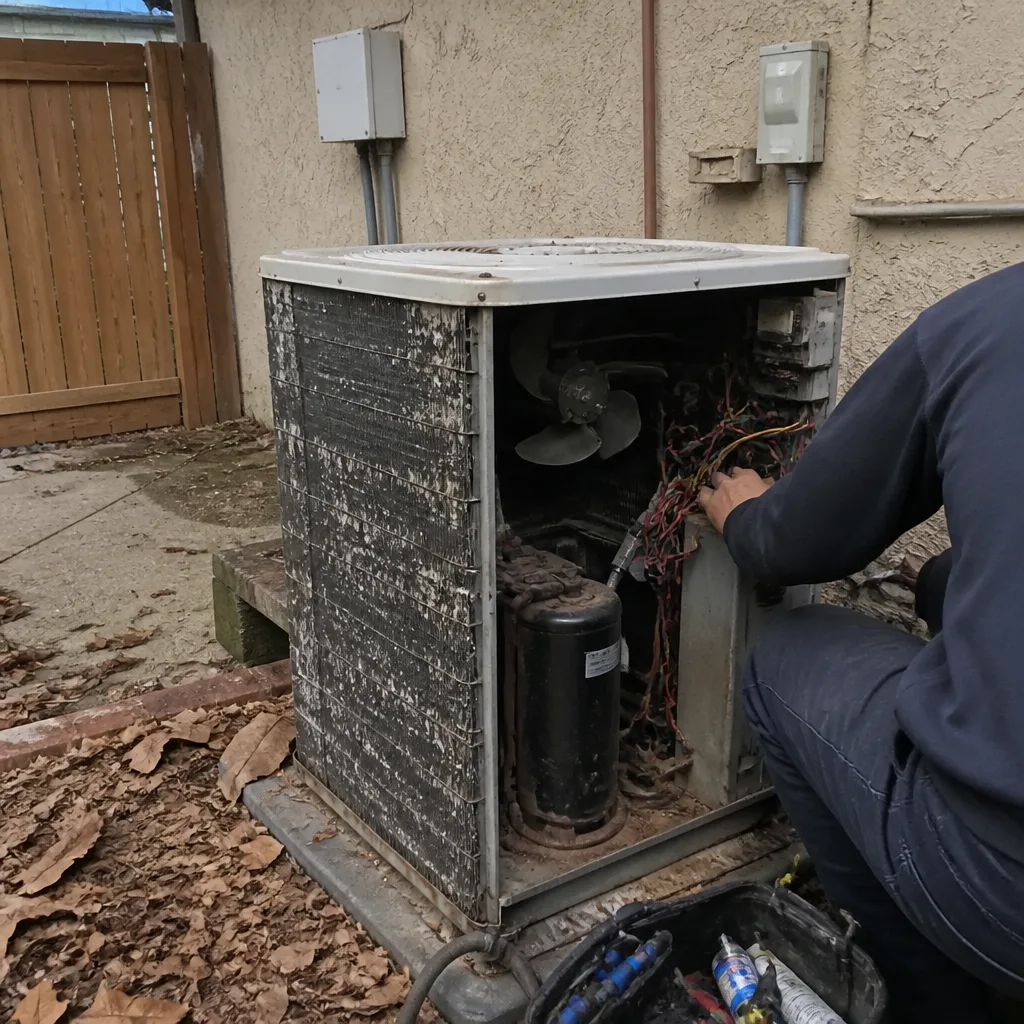 Before
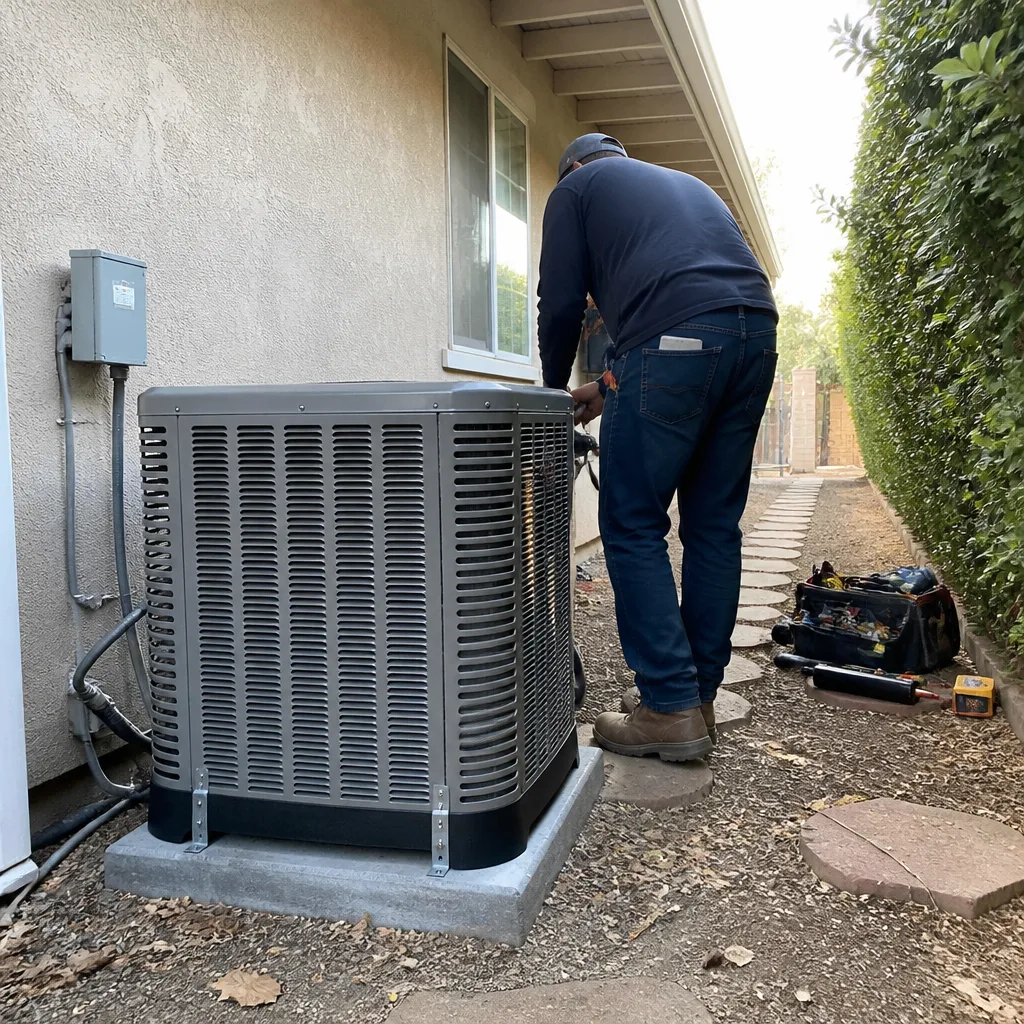 After
After