

Free written scope consultation - allowances, timeline, and change-order rules on paper before a single trade is scheduled
Silestone Home Additions & ADU: The Thousand Oaks Owner’s Guide
If you’re planning a home addition or ADU in Thousand Oaks with Silestone surfaces, you’re looking at a full-scope project that typically runs $45,000 – $130,000 for the addition itself, with Silestone countertop fabrication and installation adding $2,000 – $6,500 per surface area depending on slab size and edge profile. We’re Mason Remodeling Co Thousand Oaks, and we handle the entire build: framing, plumbing, electrical, flooring, and the Silestone fabrication and install so the finished space looks cohesive from day one.
What usually brings homeowners to this page is a project that’s stalled or gone sideways. Maybe a previous contractor quoted Silestone but couldn’t source the slab, or the countertop cracked during a shoddy install, or the ADU passed framing inspection but the finish work has dragged on for months. We see these exact situations across Thousand Oaks, from Newbury Park to Wildwood, and the fix usually starts with an honest conversation about what’s salvageable and what needs to be redone. That’s what this guide covers.
Key Takeaways:
- Full home additions in Thousand Oaks run $45,000 – $130,000; ADU construction runs $90,000 – $220,000
- Silestone countertop installation as its own scope runs $2,000 – $6,500
- We specify, source, fabricate, and install Silestone in-house, so you’re not coordinating three vendors
- Every project gets a written price before work starts, and every completed build is covered by our 365-Day Done Right Promise
Which Silestone Models This Applies To
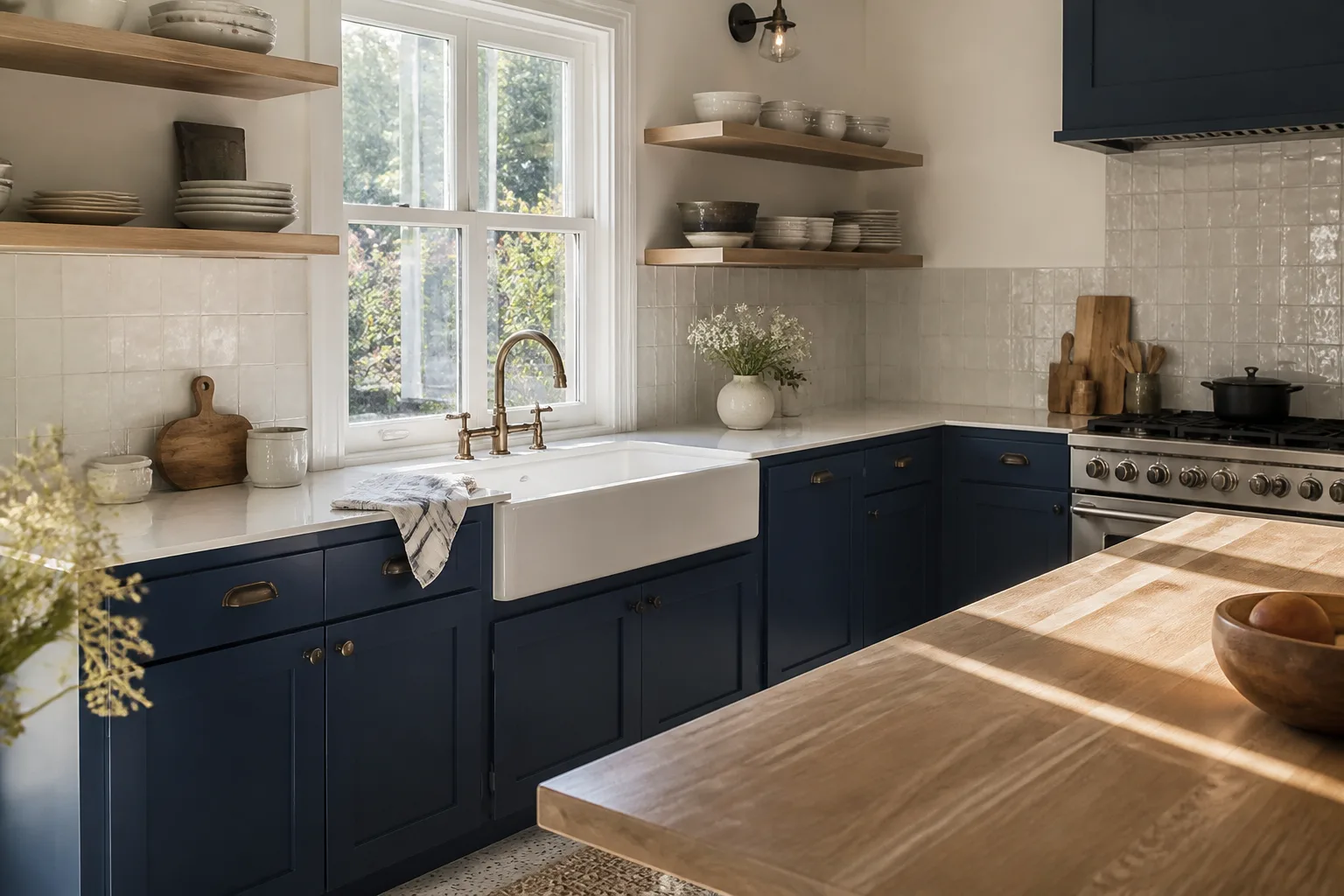
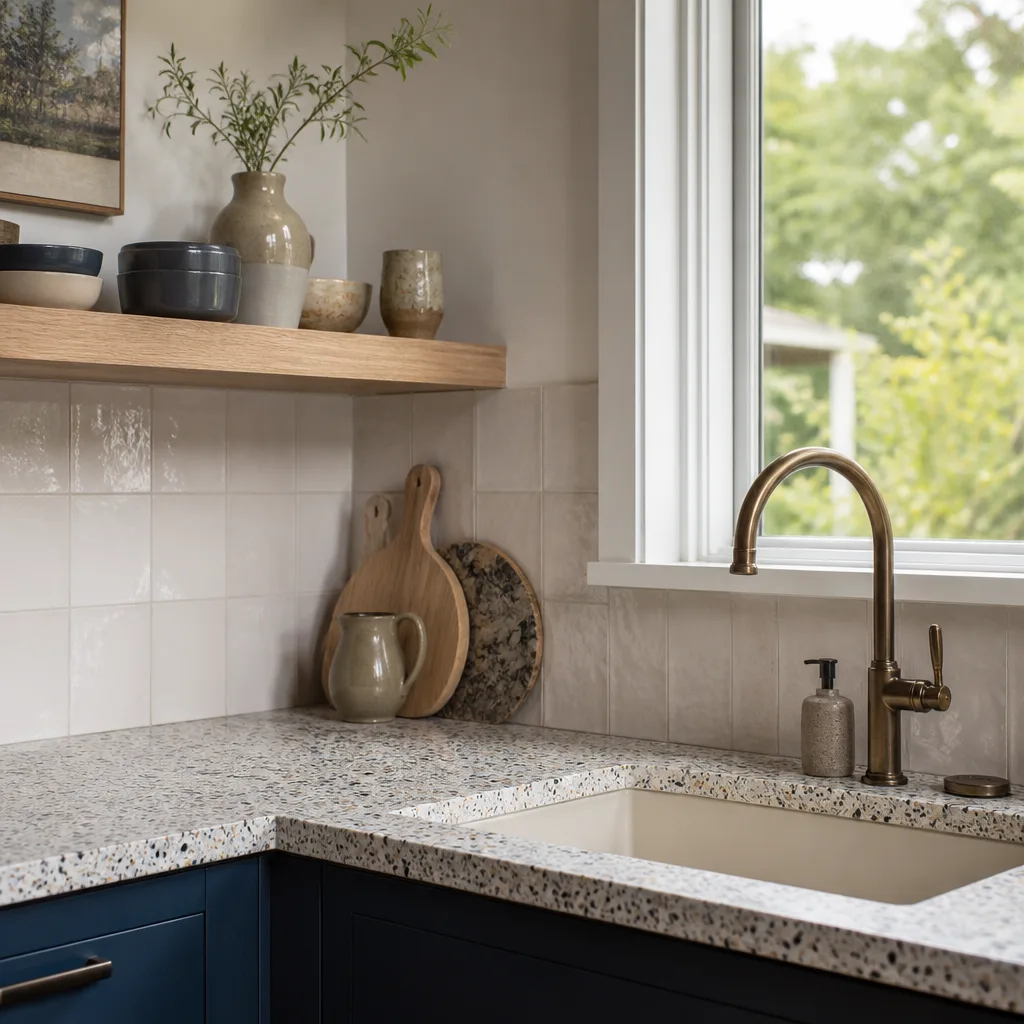
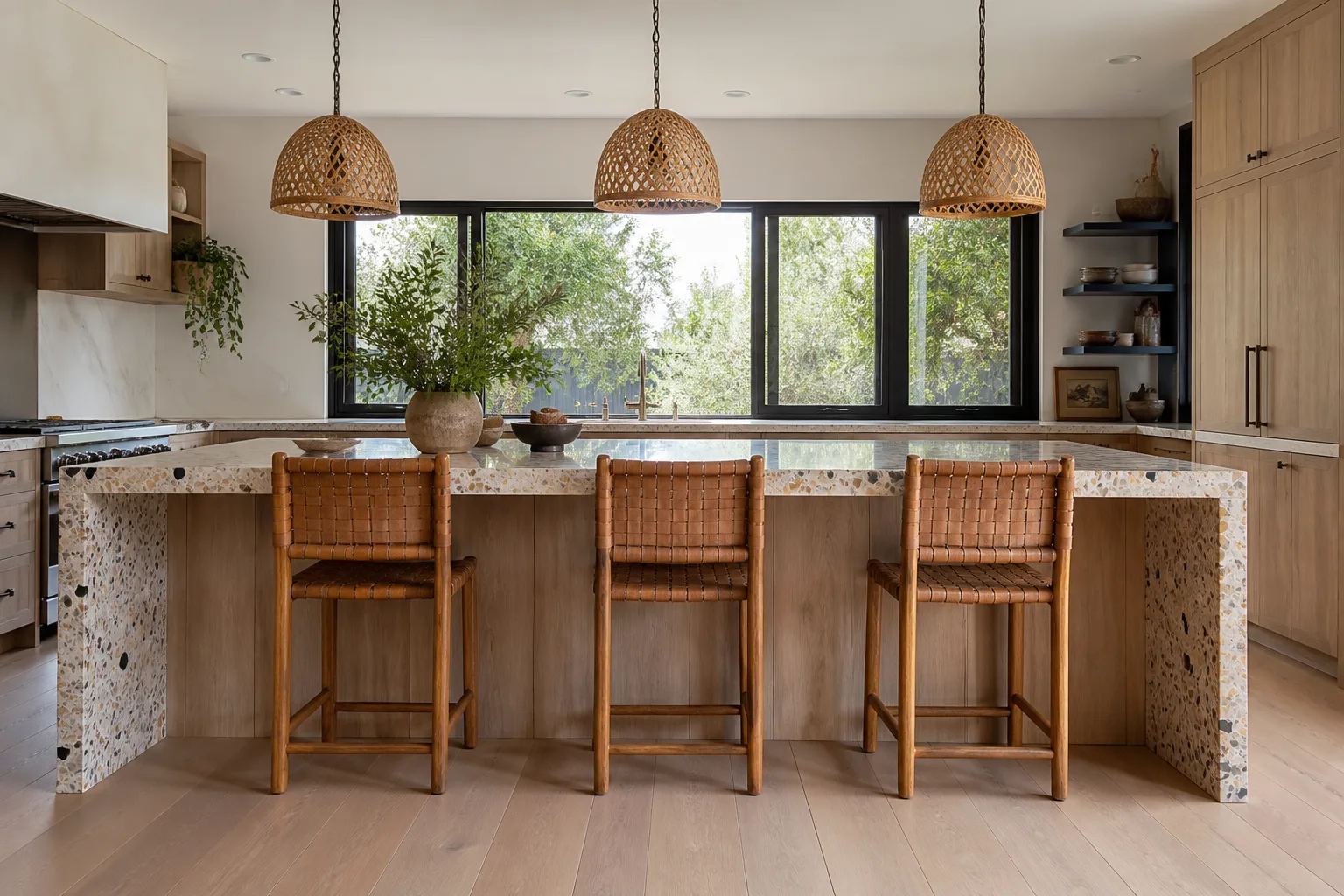
Silestone is Cosentino’s quartz line, and we’ve worked with nearly every series they’ve released over the past two decades. In Thousand Oaks kitchens and ADUs, the most common lines we spec are the Eternal series (classic colors like Blanco Zeus and Negro Tebas), the Urban series with its subtle veining, and the Sunlit Days collection for homeowners who want a warmer, more organic look. All are engineered quartz: roughly 90% natural quartz bound with resin, which means they resist staining and scratching differently than natural stone.
Here’s the compatibility gotcha most people don’t know until it’s too late: Silestone slabs come in two thicknesses, 1.2 cm (about 1/2 inch) and 2 cm (about 3/4 inch) plus a newer 3 cm option for some colors. The thickness changes how the slab must be supported and what edge profiles will work. A 1.2 cm slab needs a plywood substrate underneath and typically a laminated or built-up edge to look substantial. A 2 cm or 3 cm slab can often sit directly on cabinets with a simple eased or beveled edge. If a previous bid seems suspiciously low, it’s often because they quoted a thinner slab that will need more labor to look right. We verify the SKU and thickness before we ever give you a written price.
One more thing worth knowing: Silestone’s warranty applies to the material, not the installation. If your slabs were installed poorly, Cosentino won’t cover the result. That’s why we handle fabrication and installation as a single scope with our own crew. We’re an independent contractor, not affiliated with Silestone or Cosentino, but we’ve been building with their products long enough to know exactly how they behave in Southern California’s dry, sunny climate.
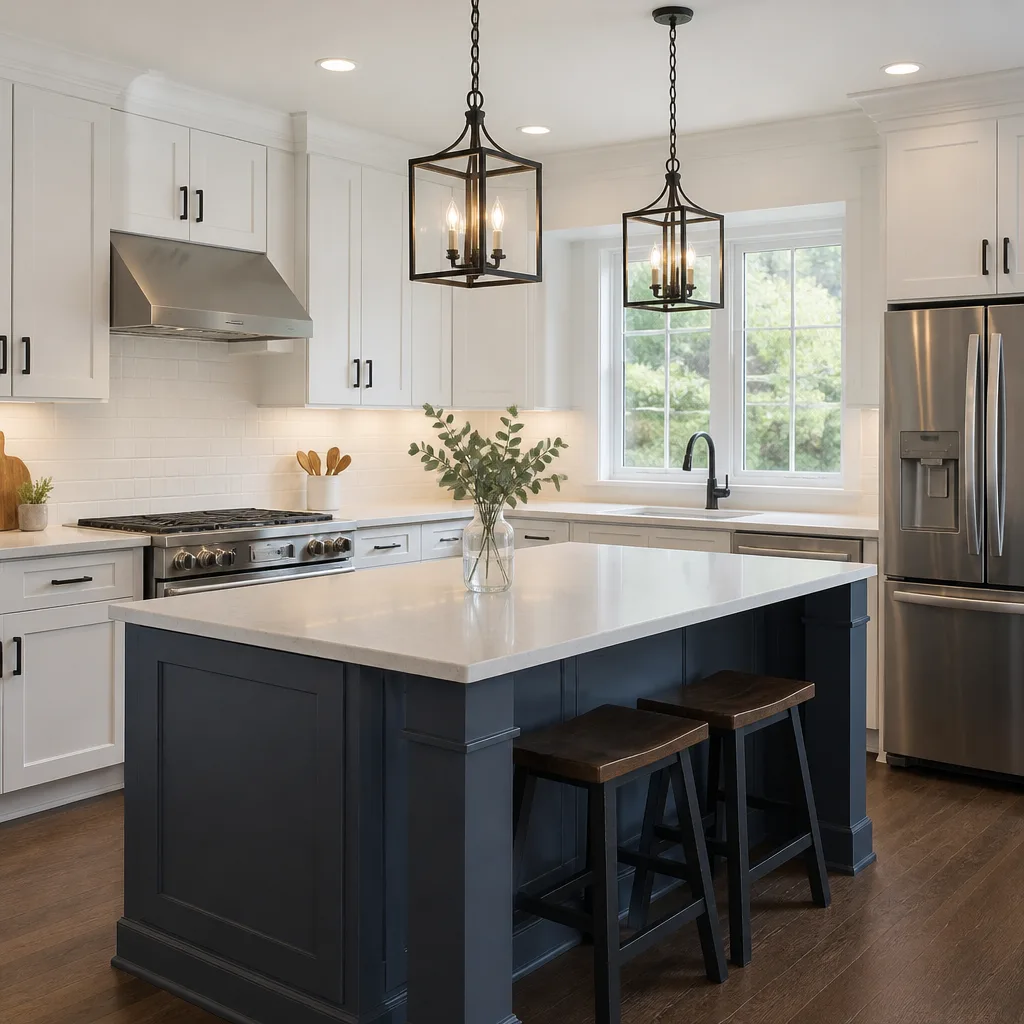
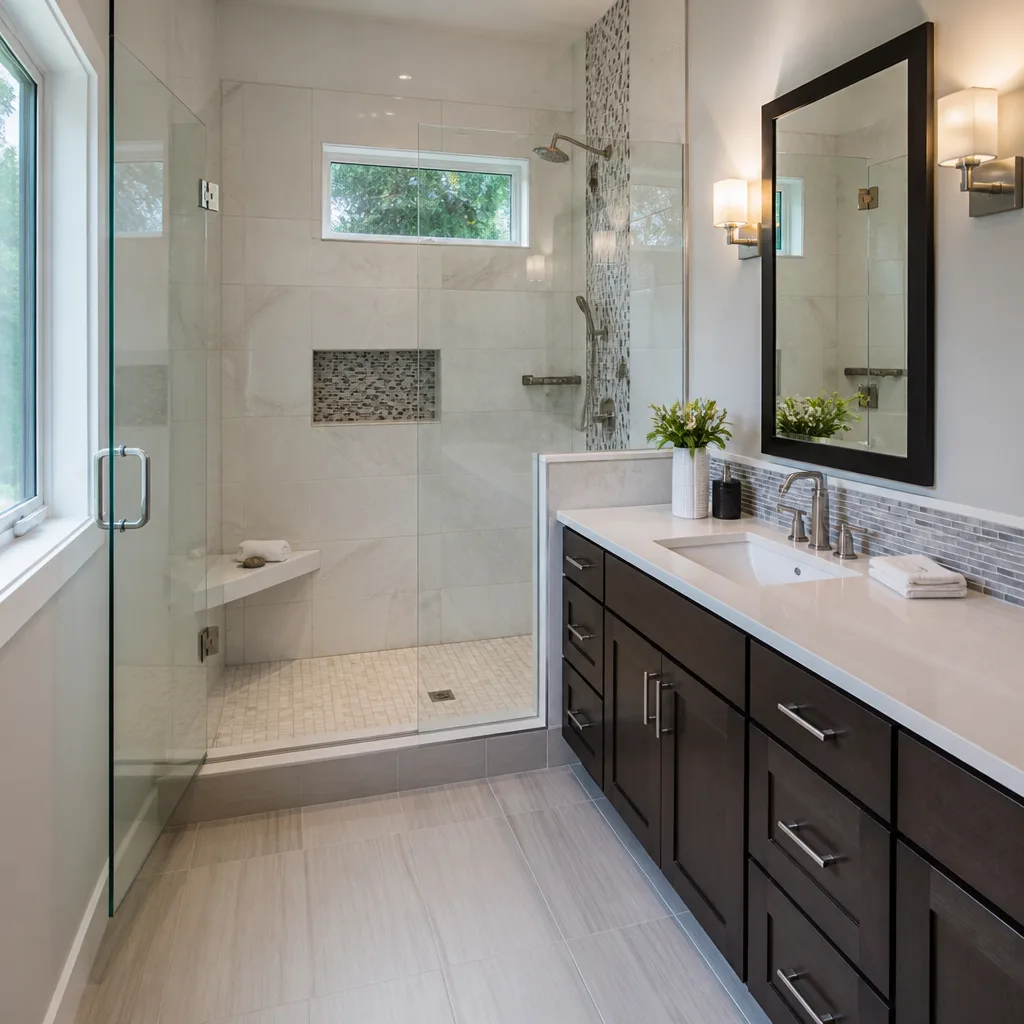
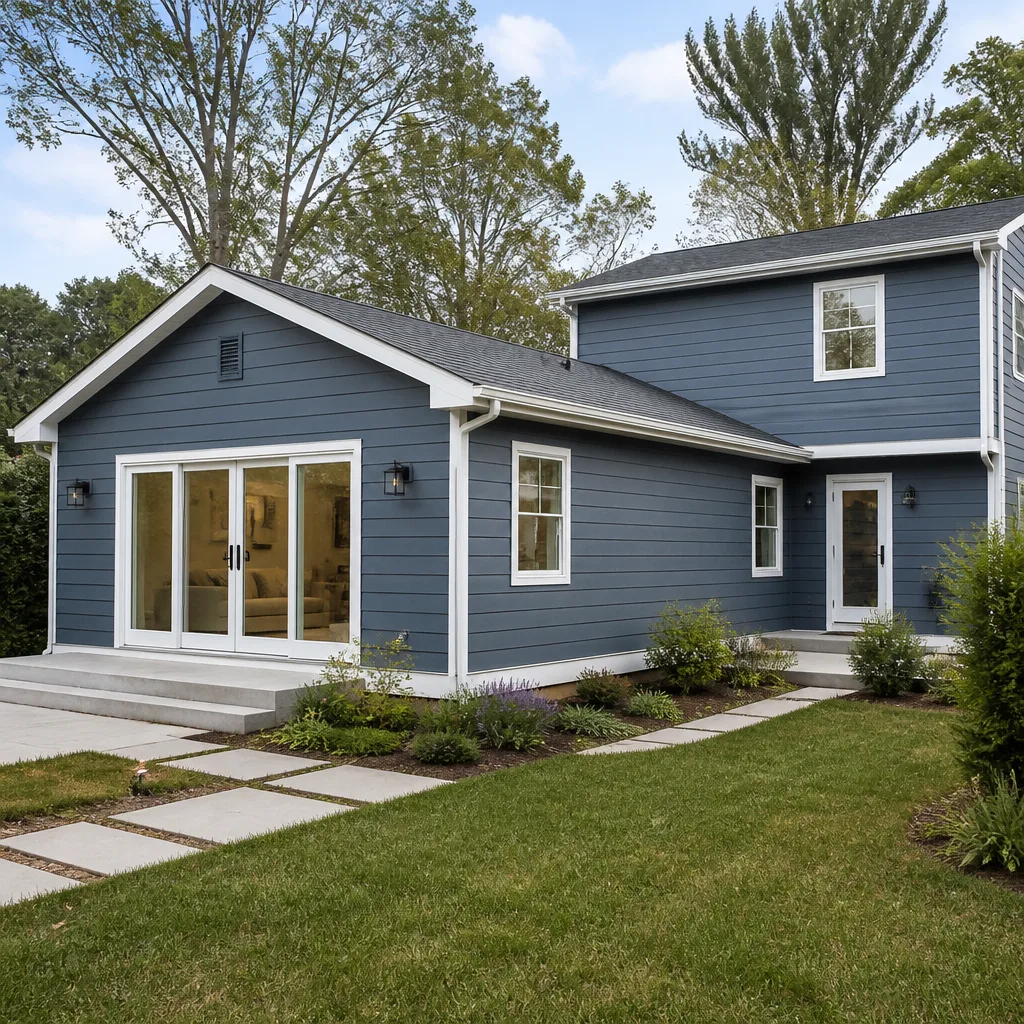
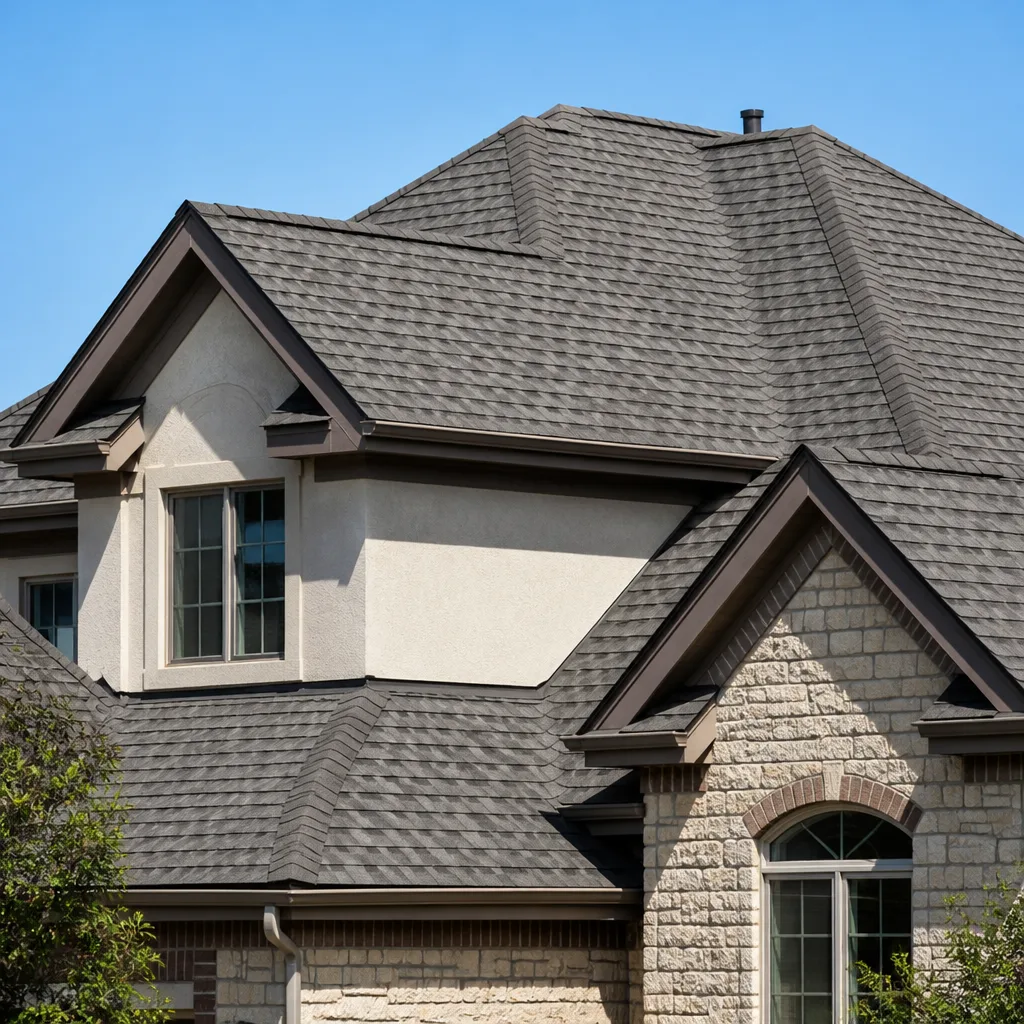
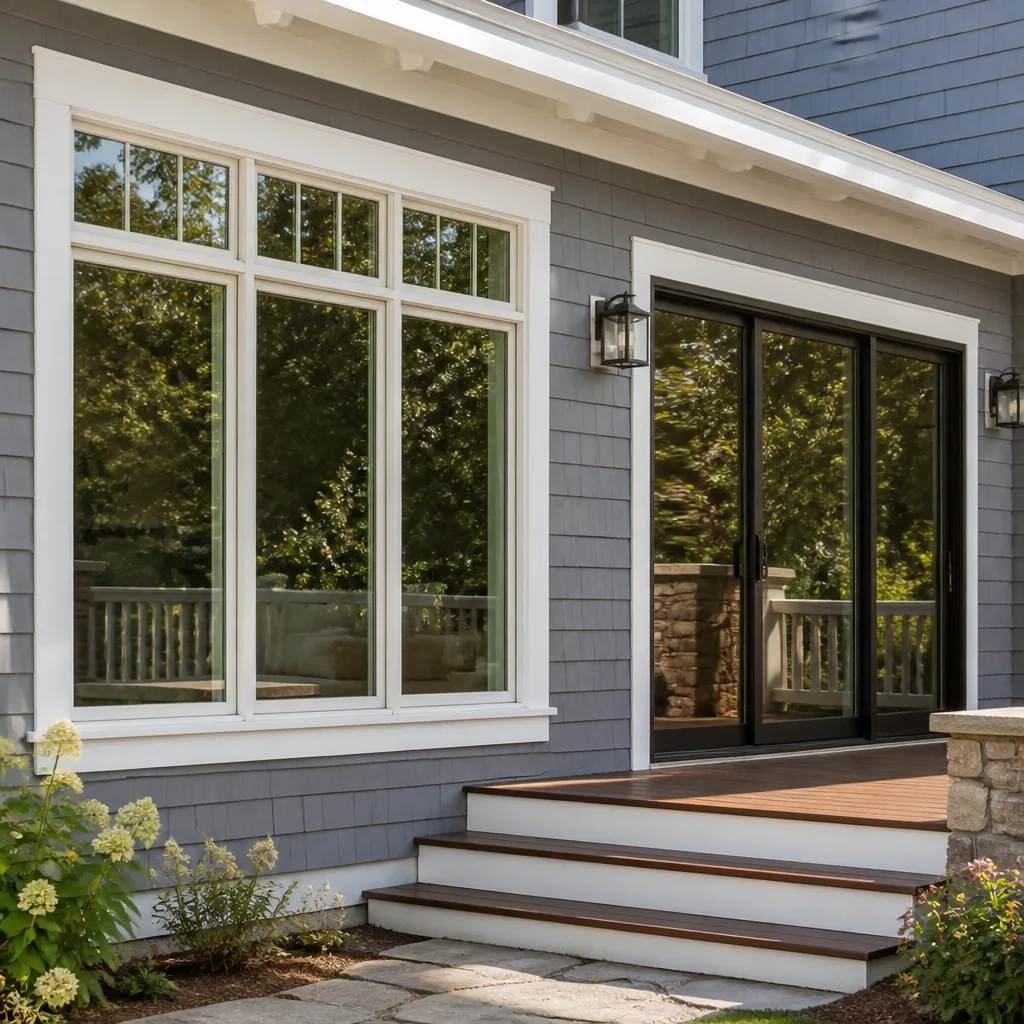
Styles & brands we work with
Signs Your Silestone Home Additions & ADU Is Failing
Here’s what we see on real Thousand Oaks job sites when an addition or ADU that was supposed to include Silestone starts showing problems:
- Cracks near the sink or cooktop cutouts. This is the most common failure point in any quartz countertop, and it’s almost always an installation defect. The cutout was too tight, the support wasn’t adequate, or the seam was placed in a stress point. A properly installed Silestone top shouldn’t crack under normal use.
- Visible seam lines that catch your fingernail. Silestone seams should be nearly invisible and perfectly flush. If you can feel the seam, the installer didn’t level the slabs or used too much adhesive. In Thousand Oaks’ dry climate, slight slab movement as the house settles makes poorly done seams more visible over time.
- Chipping along the front edge. Quartz is hard, but it can chip if the edge profile was cut too sharp or if cabinet doors and drawers impact the overhang. A good fabricator rounds or eases the edge enough to prevent this.
- Discoloration or dull spots that won’t polish out. Silestone doesn’t require sealing like granite, but harsh chemical cleaners (drain cleaners, paint strippers) can permanently etch the resin. If the surface looks cloudy in patches, someone used the wrong product on it.
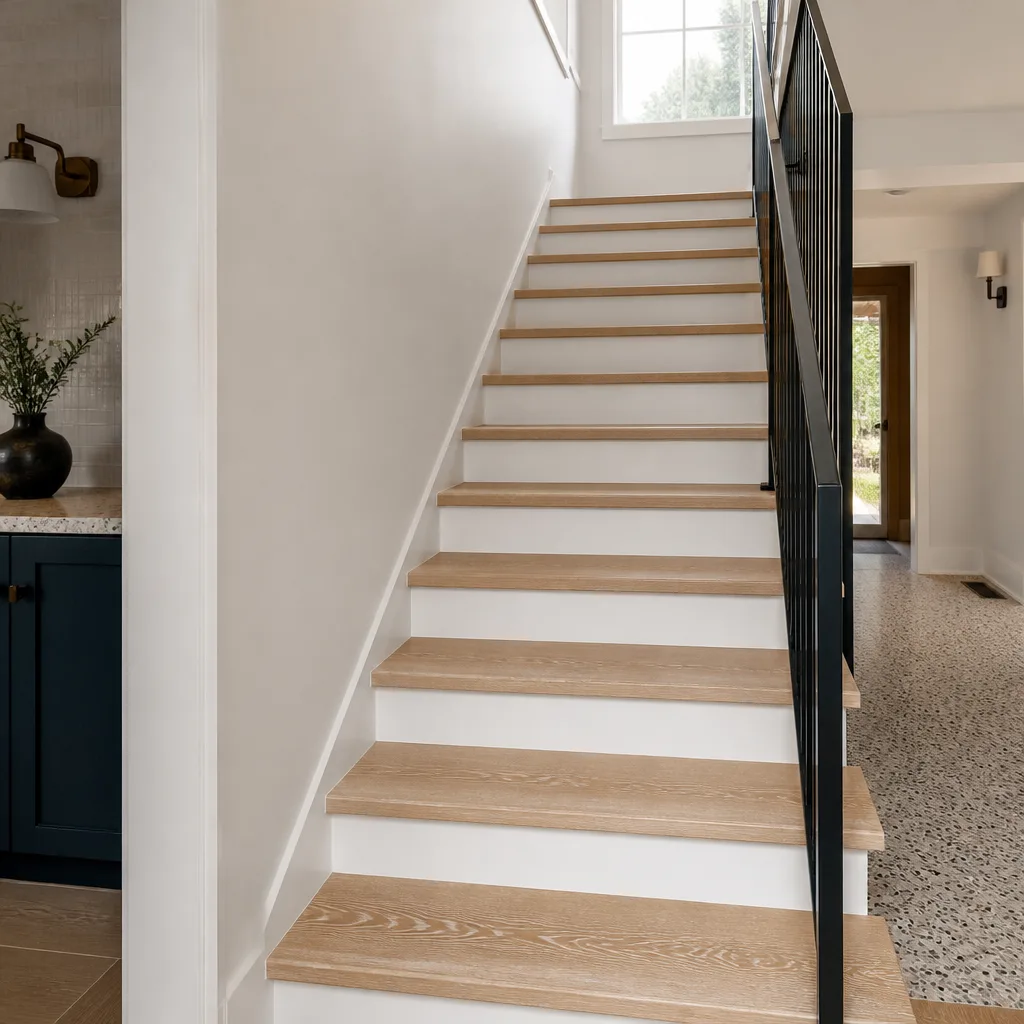
- The ADU or addition itself has uneven floors or walls where counters meet. Silestone can mask small irregularities, but if the framing or drywall work was sloppy, the counter will telegraph those flaws. We often find that what looks like a countertop problem is actually a framing problem underneath.
See the difference
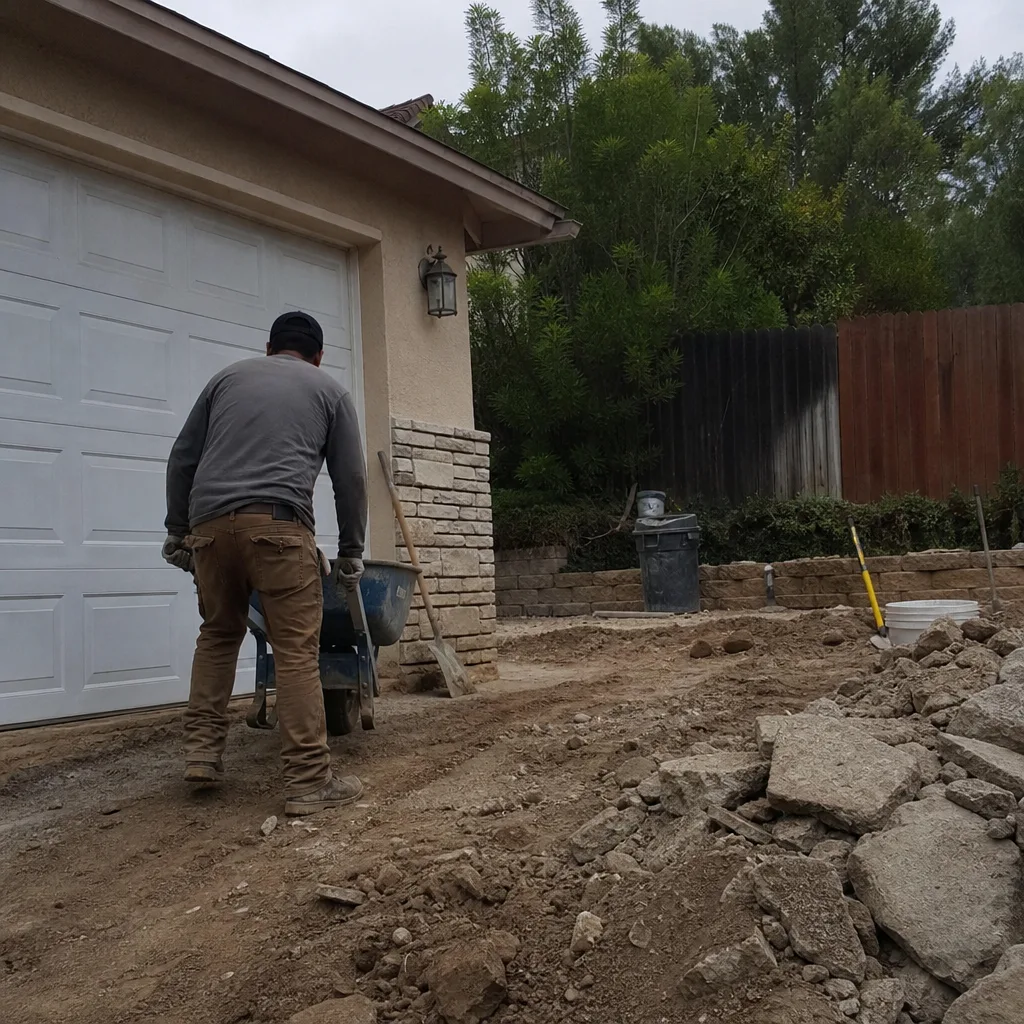 Before
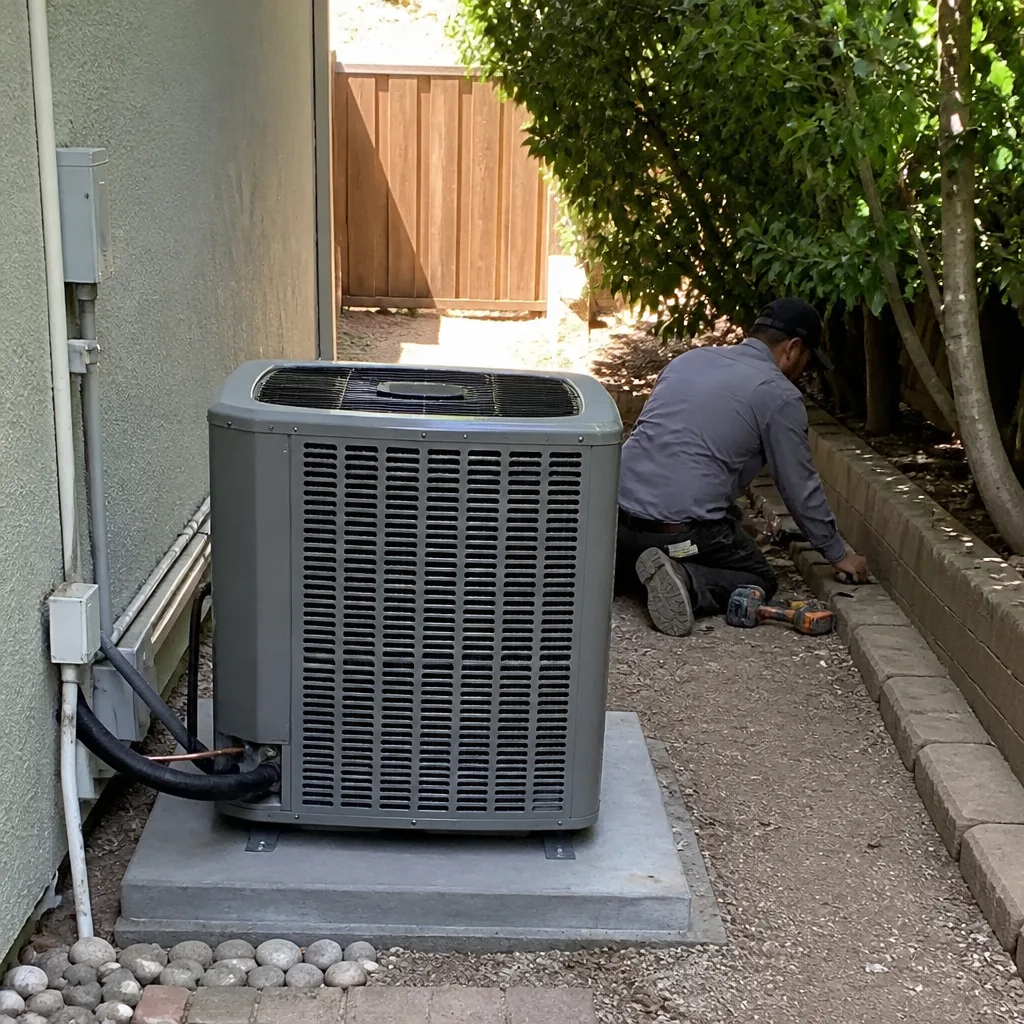 After
After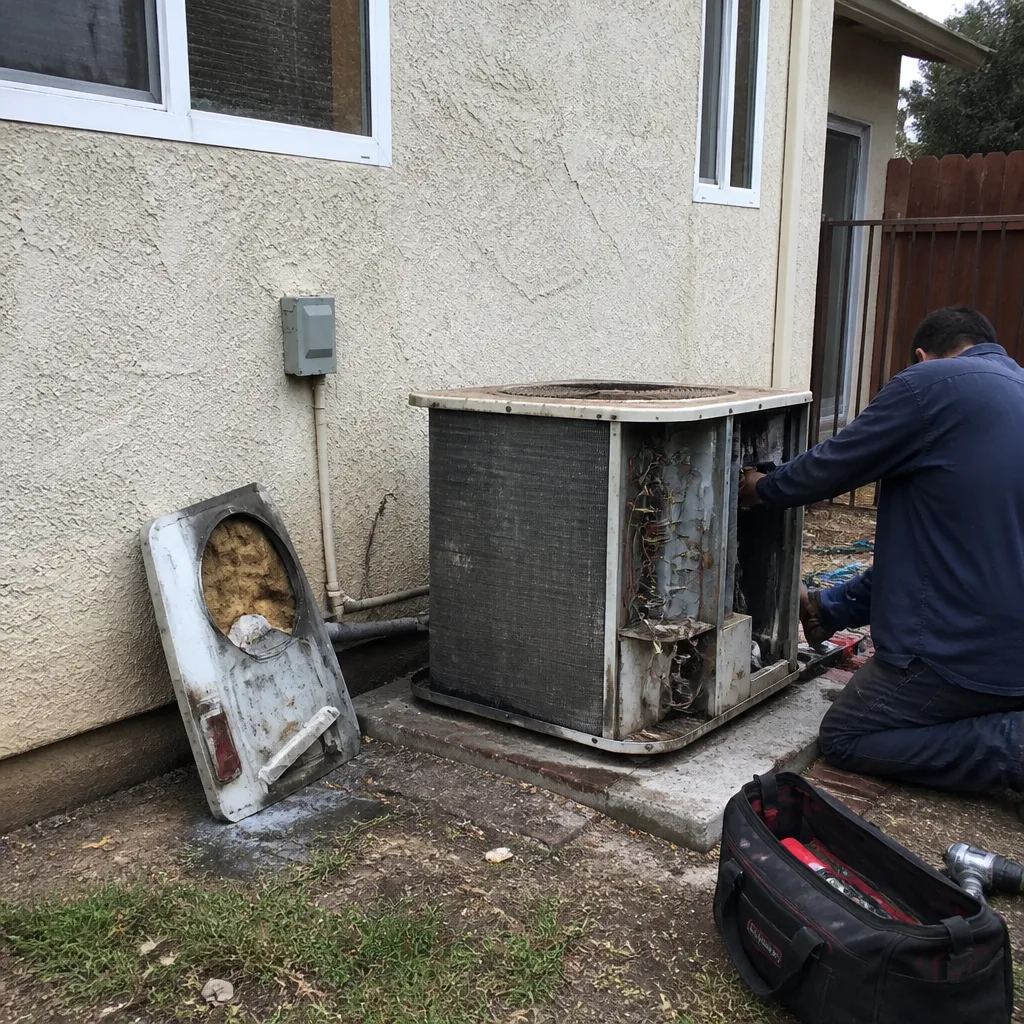 Before
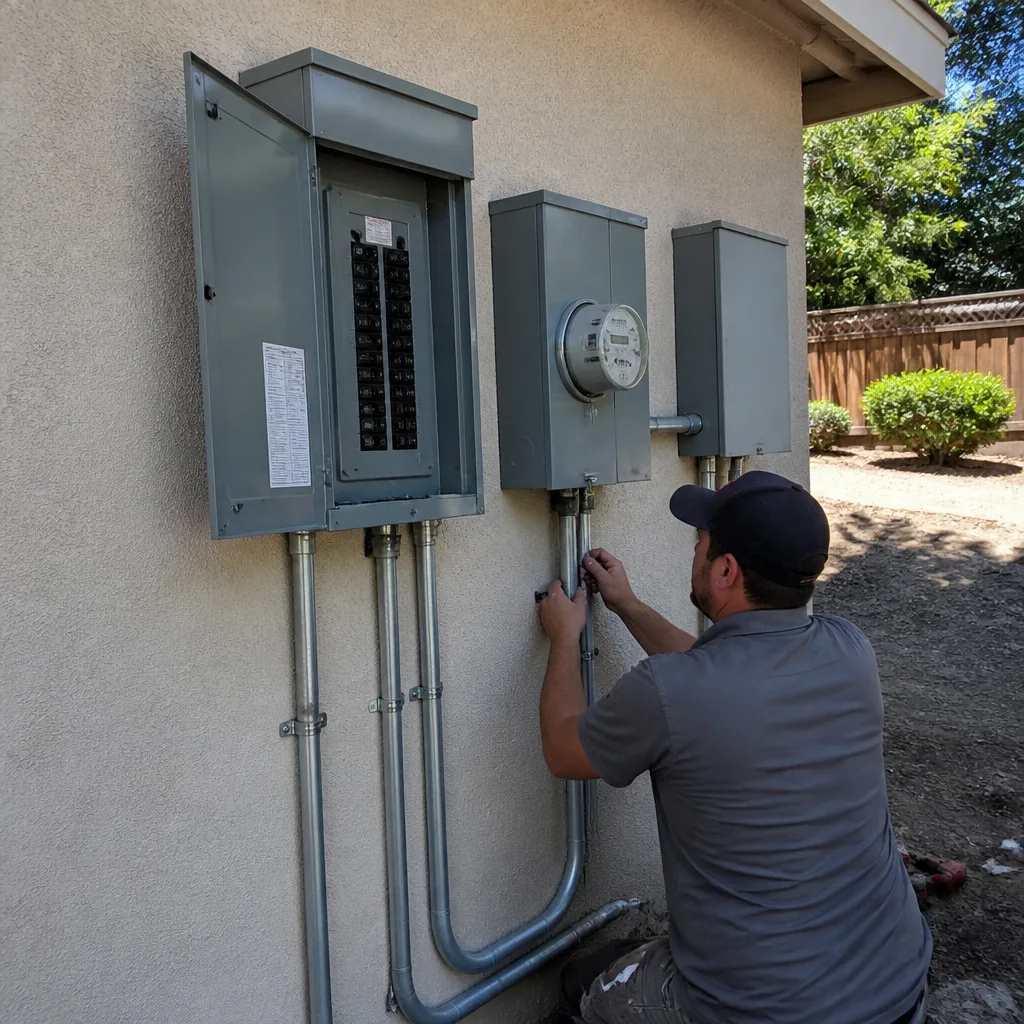 After
After Before
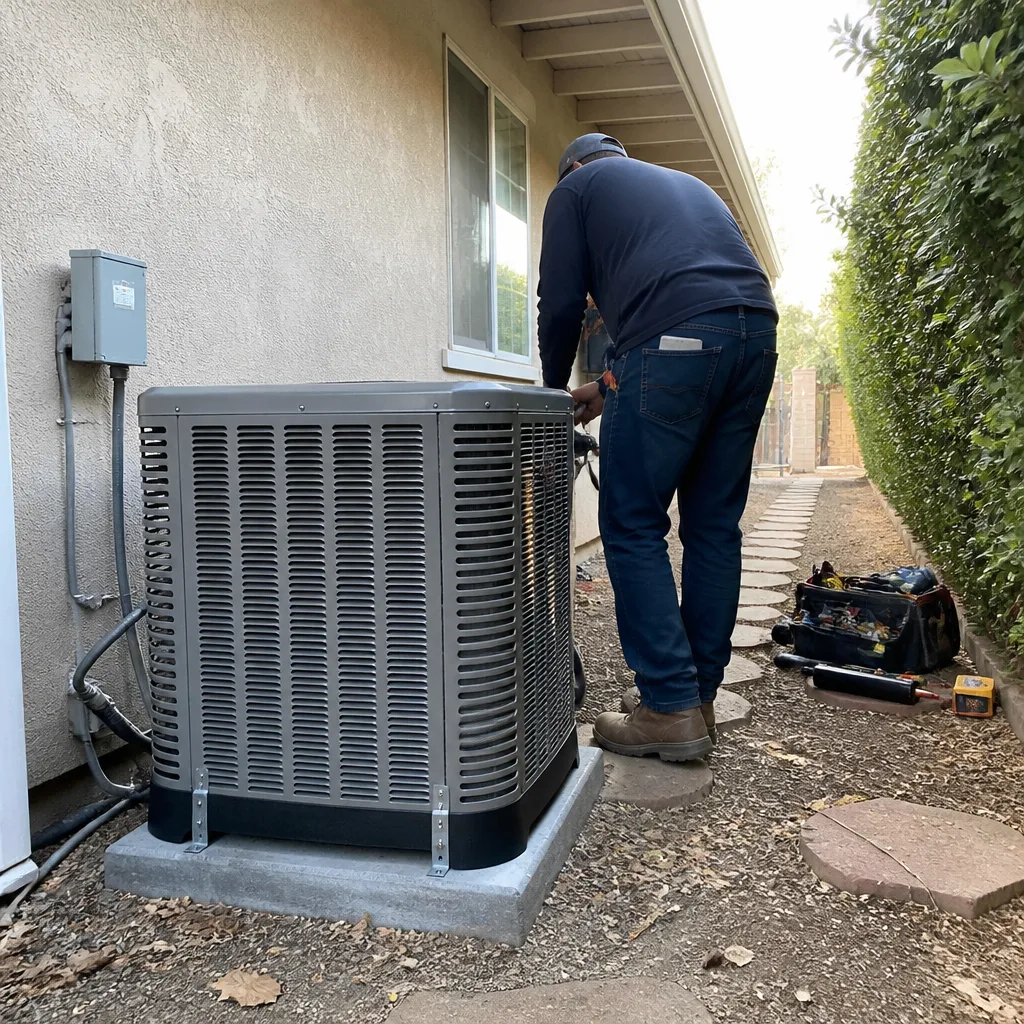 After
AfterReplacement Cost & What’s Included

In Thousand Oaks, full home additions run $45,000 – $130,000, with ADU construction at $90,000 – $220,000. When Silestone is part of that scope, countertop fabrication and installation adds roughly $2,000 – $6,500 depending on square footage, slab thickness, edge profile, and whether we’re also doing the backsplash. Here’s how that breaks down:
- Silestone slab material: $60 – $120 per square foot depending on color and series
- Fabrication (cutting, edge profile, cutouts): $25 – $45 per square foot
- Installation including seam work and sealing: $15 – $30 per square foot
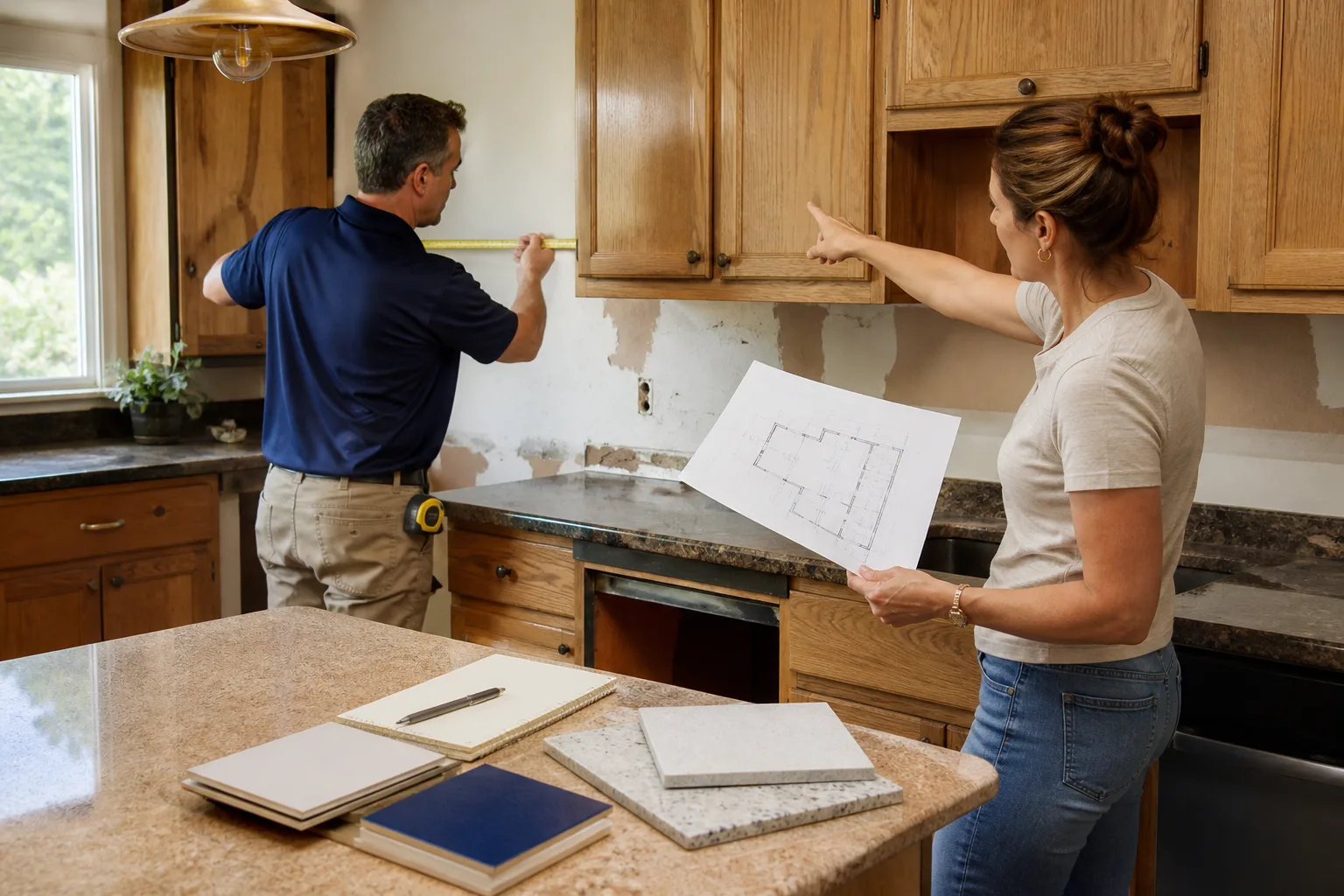
- Template and measurement visit: Included in our written quote, never billed separately
- Removal and disposal of old countertop: $200 – $600 depending on material and access
What drives the price up: complex edge profiles, waterfall edges on islands, larger slabs that require a crane or extra crew for safe handling, and any repair work to the underlying cabinets before the slab goes down. What drives it down: standard eased edges, simple rectangular layouts, and combining the Silestone install with a larger project we’re already doing.
Every quote from Mason Remodeling Co Thousand Oaks is a written line-item price delivered before we start, so you know exactly what the Silestone is costing you. The workmanship is covered by our 365-Day Done Right Promise: if something’s not right within a year of completion, we make it right at no cost to you. No change orders creep in because we wrote the price down before the first tool came out.
DIY or Call Us?
Silestone is not a DIY-friendly material. It’s heavy (a full slab can weigh 600 – 800 pounds), it requires diamond-blade cutting tools most homeowners don’t own, and a botched cut turns a thousand-dollar slab into scrap. We’ve watched weekend warriors try to save money by self-installing a quartz countertop, then call us to fix the cracked result. The repair ends up costing more than the original install would have.
What you can safely do yourself: measure your existing countertop dimensions, note where the sink and cooktop sit, take photos of any damage, and have your model number or color name ready when you call. That helps us give you an accurate ballpark over the phone. That’s where the DIY should end.
If you have Silestone in an addition or ADU that’s failing, or you’re planning a new build and want the surface done right the first time, call us at (805) 309-3386. Isaac will ask you a few questions about what you’re seeing, then tell you straight what it’ll take to fix it. That’s how we work.
FAQs
With proper installation and basic care, Silestone should last 25+ years in a Thousand Oaks home. The material itself is extremely durable, so most failures we see are installation defects that show up within the first two years. The dry Southern California climate doesn’t significantly impact quartz, but if your addition gets heavy direct sunlight, lighter colors can fade slightly over a decade or more. Call (805) 309-3386 if you’re seeing wear that doesn’t match the age of your install.
Small chips can sometimes be filled with a color-matched resin, but a structural crack through the slab means replacement. Quartz doesn’t have the natural fault lines that granite does, so a crack means the material was stressed beyond its limit, usually from a bad seam placement or impact damage. A patch job will fail. Call (805) 309-3386 and we’ll tell you honestly whether repair is possible or replacement is the right call.
From template to completed install, a straightforward countertop replacement takes about two to three weeks in Thousand Oaks. The template visit takes an hour, fabrication takes one to two weeks depending on the shop’s schedule, and install day is usually four to six hours. Larger projects like full additions or ADUs follow the construction timeline, which we map out for you in the written schedule before we start. Call (805) 309-3386 for a current timeline on your scope.
We don’t keep full slabs in stock, but we order directly from Cosentino’s west coast distribution and typically have your color in hand within 5 – 10 business days. We can also access KraftMaid cabinetry, Cambria and Kohler fixtures through our trade partnerships, so your entire addition or ADU can be sourced through one point of contact. Tell us the Silestone color or series you want, and we’ll confirm current availability and lead time before you commit to anything.
Written by Isaac Pruett, Owner, Mason Remodeling Co – Thousand Oaks, CA at Mason Remodeling Co Thousand Oaks, serving Thousand Oaks and nearby areas.