





Free written scope consultation - allowances, timeline, and change-order rules on paper before a single trade is scheduled
Silestone Fence Installation: The Thousand Oaks Owner’s Guide
Silestone fence installation in Thousand Oaks typically runs $3,500 to $9,000 installed, depending on the fence style, linear footage, and whether we’re working with Silestone’s composite fencing panels or the Silestone-branded post and rail system. Most homeowners discover the problem the hard way: a gate that won’t latch after a windstorm, a post that’s listing toward the neighbor’s yard, or a bottom rail that’s started to separate from the panel after a few seasons of Thousand Oaks heat. The good news is you’re not looking at a mystery repair. If you know what failed and roughly when it started, we can usually quote the fix over the phone and have the parts on the truck for the first visit.
Here’s the thing about Silestone fencing in our climate. Thousand Oaks gets hot, dry summers with UV that breaks down polyurethane coatings faster than most of California, and we get those Santa Ana winds that test every post footing and gate hinge. A fence that was installed five years ago with unsealed fasteners or posts set in soil that drains poorly near Wildwood or Lynn Ranch is going to show it. We’ve seen more failures from installation shortcuts than from the Silestone material itself, which is actually built to handle this climate well when it’s set correctly.
Which Silestone Models This Applies To
Silestone makes two fence product lines that show up in Thousand Oaks yards. The first is their composite privacy fence system, which comes in 6-foot and 8-foot panel widths with matching post sleeves and a hidden fastener rail. The second is their post-and-rail system, more common in front yards and along property lines where homeowners want a clean sightline. The two are not interchangeable, and that’s the compatibility gotcha we run into most often. You can’t swap a composite privacy panel onto a post-and-rail post, because the post dimensions, internal rail brackets, and post cap designs are different. If you’re not sure what you have, look at the post base. Silestone stamps a product code on the inside face of the post cap or on the bottom rail, and that code tells us the series and panel width in about ten seconds.
On the OEM-versus-aftermarket question, we take a practical position. Silestone’s OEM posts and rails are precision-molded, and if you mix an OEM post with a third-party post sleeve, the gap tolerances are visibly off. For panels and rails, we use Silestone OEM because the color match matters. For post caps, gate hardware, and concrete post anchors, we use quality aftermarket equivalents that cost less and perform the same. The aftermarket gate hinges we install have a stainless steel pin that doesn’t corrode the way the older Silestone zinc-plated hinges did, which is a real upgrade in a coastal-adjacent climate like Thousand Oaks where morning fog creeps over the hills from Malibu and sits on metal hardware.
One more compatibility note: Silestone changed their post dimensions in 2019. If your fence was installed before that, measure the post width. The pre-2019 posts are 4 inches square; the current posts are 4.5 inches. That half inch determines which post sleeves, caps, and rail brackets you order, and it’s the most common ordering mistake we fix for homeowners who tried to buy parts themselves.
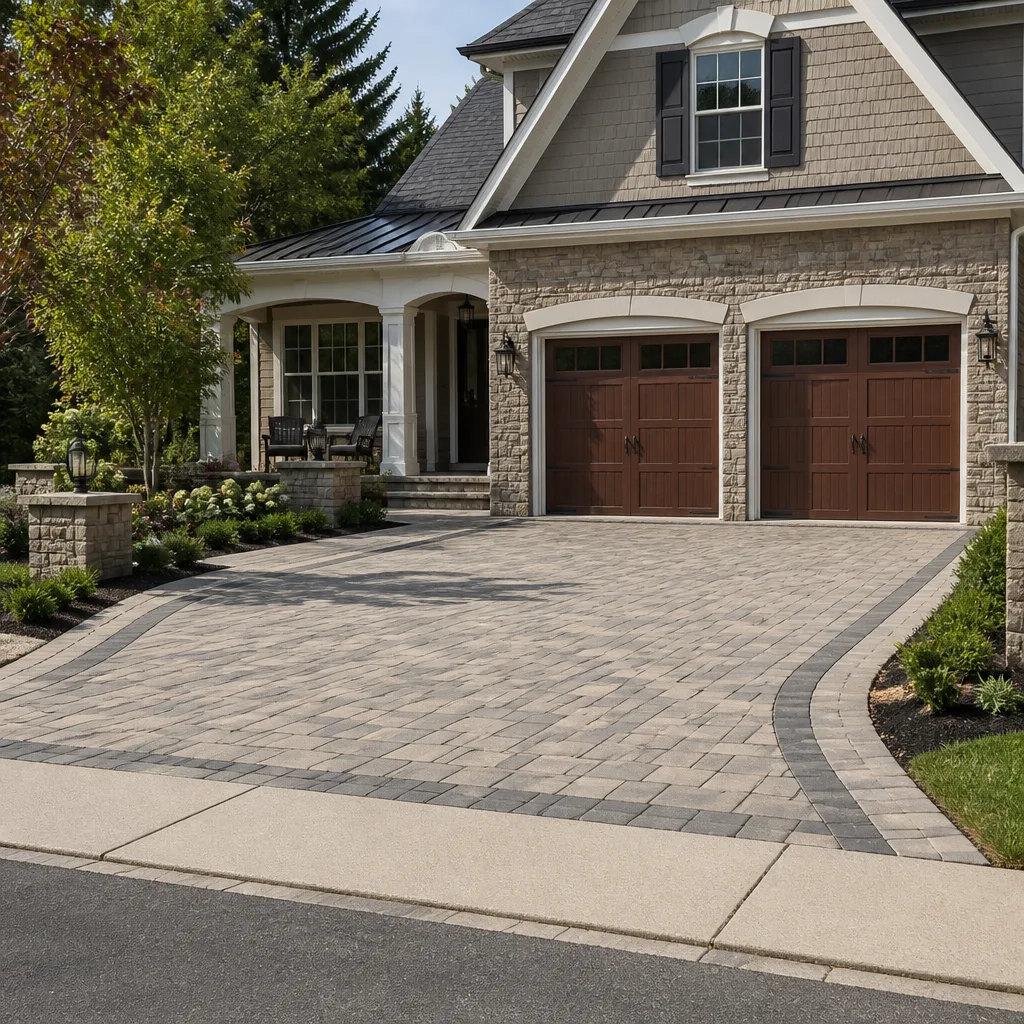
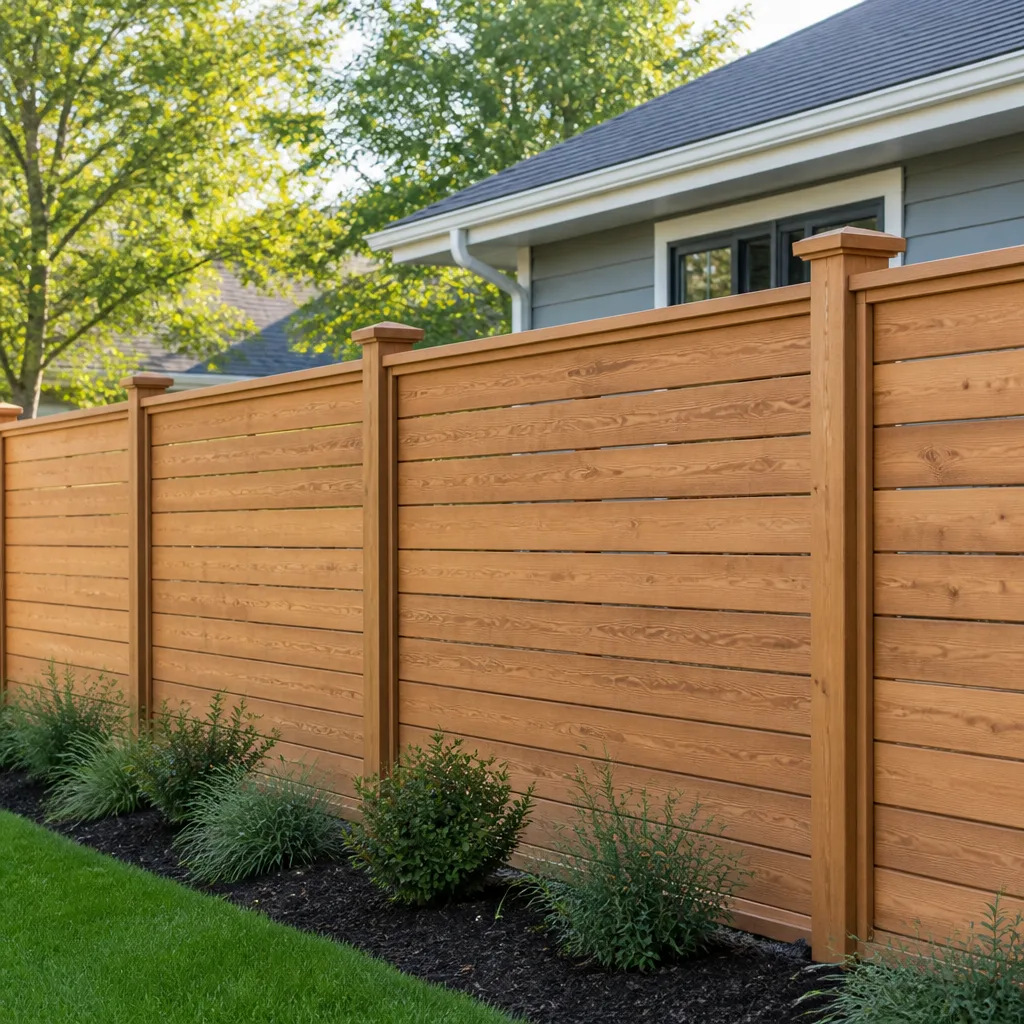
Styles & brands we work with
What Is a Fence Installation?
A fence installation is the complete set of new fence components installed as a system, not a patch job. When Mason Remodeling Co Thousand Oaks does a Silestone fence installation, we remove the old fence or the failed sections, set new posts in concrete to the correct depth for Thousand Oaks soil, install the Silestone panels or rails, hang and adjust the gate, and haul away the old material. You get a written price before we start, and the work is covered by our 365-Day Done Right Promise. If the fence installation is not right within a year of completion, we make it right at no cost to you.
What most Thousand Oaks homeowners don’t expect is that half the labor in a fence installation is in the post footings and gate alignment, not the Silestone panels themselves. A panel clicks onto a rail in minutes. Digging a proper post hole, setting the post plumb, letting the concrete cure, and then hanging a gate so it swings true and latches without dragging, that’s where the craft is. We set posts in concrete with a minimum depth of 24 inches in Thousand Oaks, which is deeper than code requires in most parts of Ventura and Los Angeles counties because we’ve seen what shallow footings do when the ground gets saturated after a wet winter. A post set at 18 inches will lean after one good rain year.
Signs Your Silestone Fence Installation Is Failing
- Gate dragging or won’t latch. This is the most common first sign. The cause is usually a post that has settled or shifted, which pulls the gate frame out of square. If the gate was fine a year ago and now it scrapes the ground on one side, the problem is under the fence, not in the gate hardware.
- Visible gap at the rail-to-post connection. On Silestone’s composite privacy system, the rails fit into pre-molded bracket slots inside the post. When a post shifts, the rail pulls out of that slot and leaves a half-inch to full-inch gap you can see from the street. That gap lets water into the post interior, and the freeze-thaw cycle we do get on cold Thousand Oaks nights can split the post from the inside.
- Post leaning more than a few degrees. A perfectly plumb post that now leans five or ten degrees means the footing is failing or the soil around the post has eroded. This is especially common on slopes near Tarantula Hill or along arroyo-adjacent lots where drainage channels undercut post holes over a few years.
- Panel discoloration or chalking that won’t wash off. Silestone’s UV stabilizers are good, but Thousand Oaks sees more direct sun than most coastal cities. If the panel surface is leaving a chalky white residue on your hand when you wipe it, the protective cap layer is breaking down. The fence still functions, but the panel is halfway through its lifespan.
- Loose or missing post caps. Post caps are not decorative. On Silestone posts, the cap seals the hollow interior against water, insects, and debris. When caps crack and fall off, the post fills with water every time the sprinklers run, and that water sits there and degrades the post from the inside. Replacing a cracked cap is a twenty-dollar fix that prevents a three-hundred-dollar post replacement.
See the difference
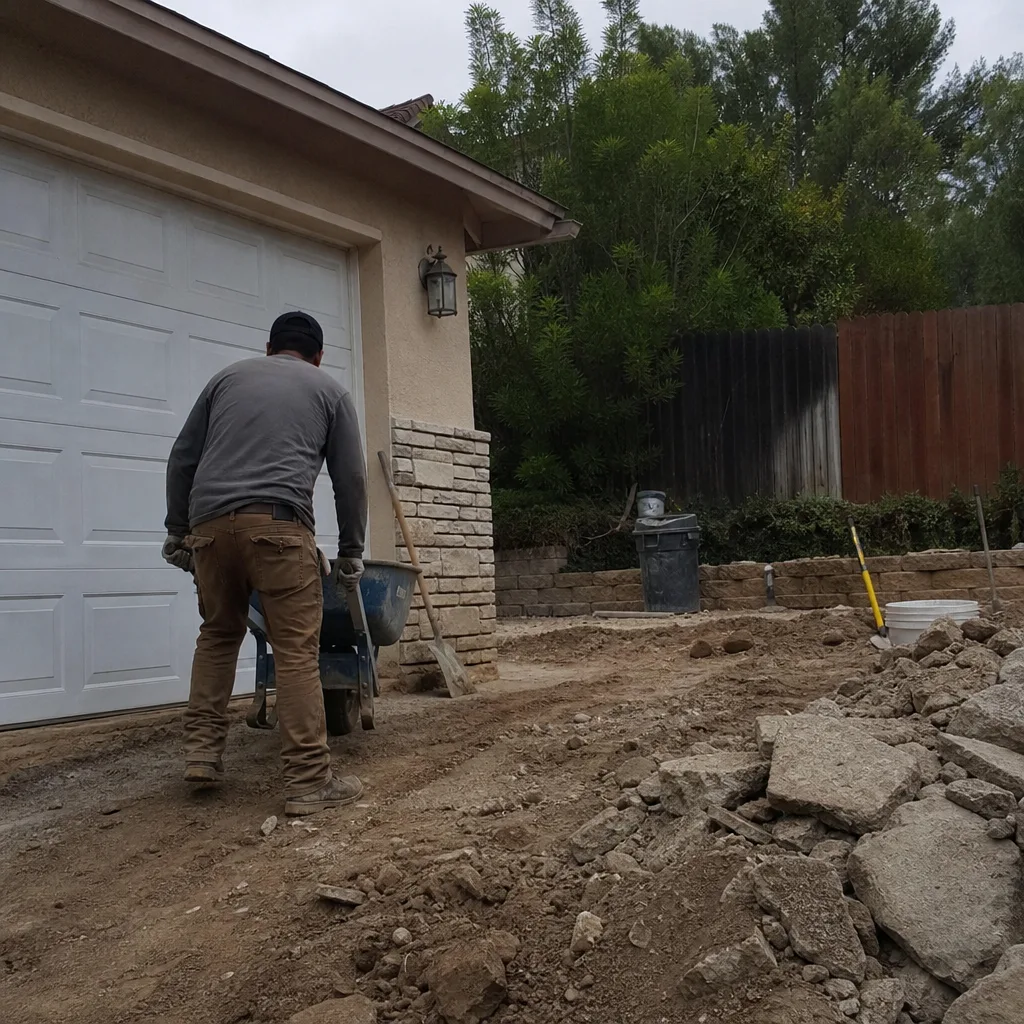 Before
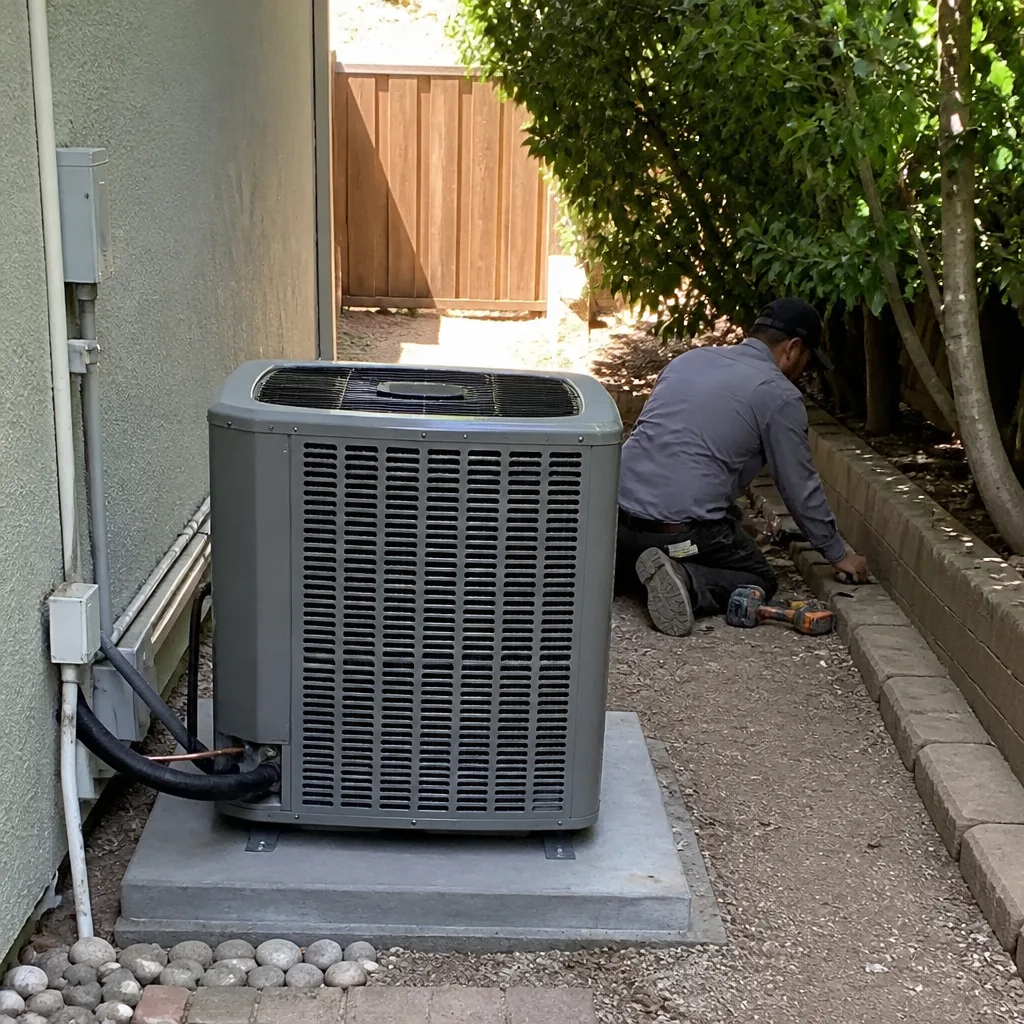 After
After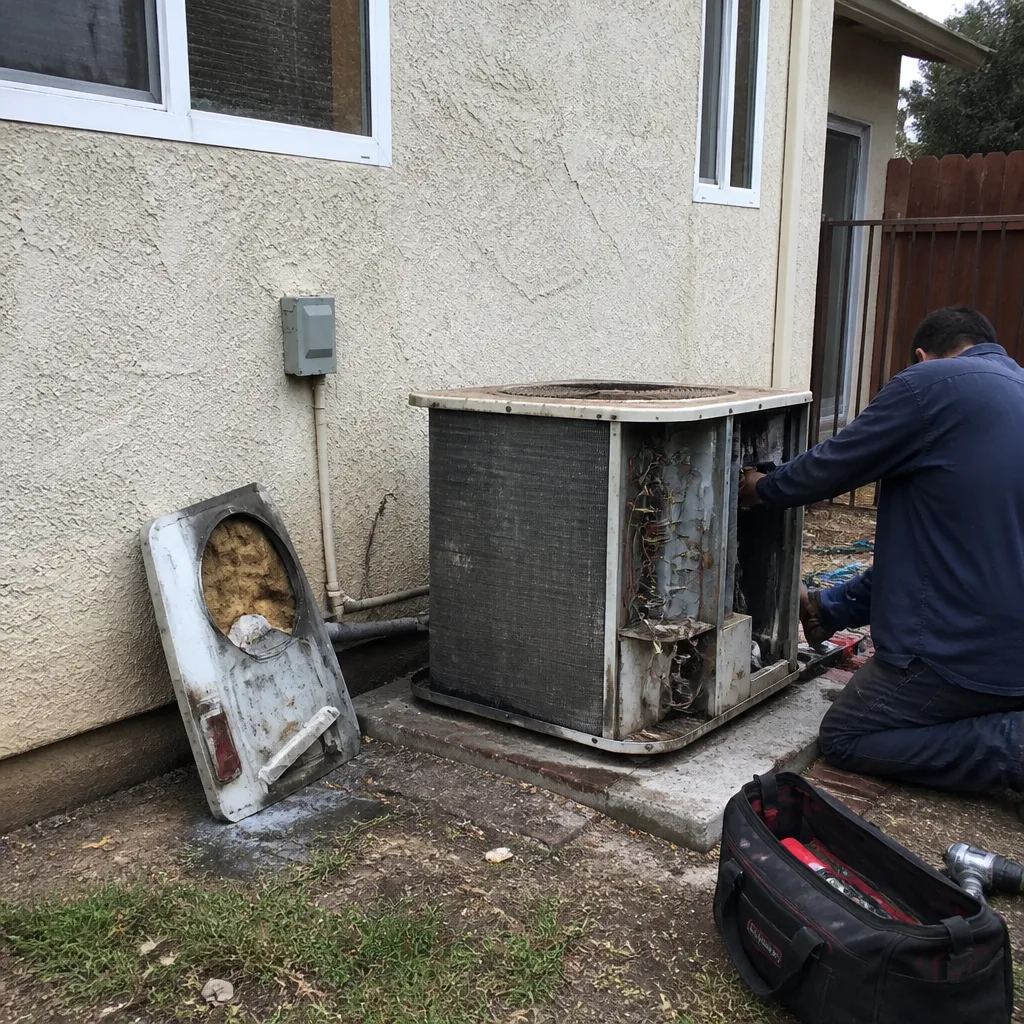 Before
 After
After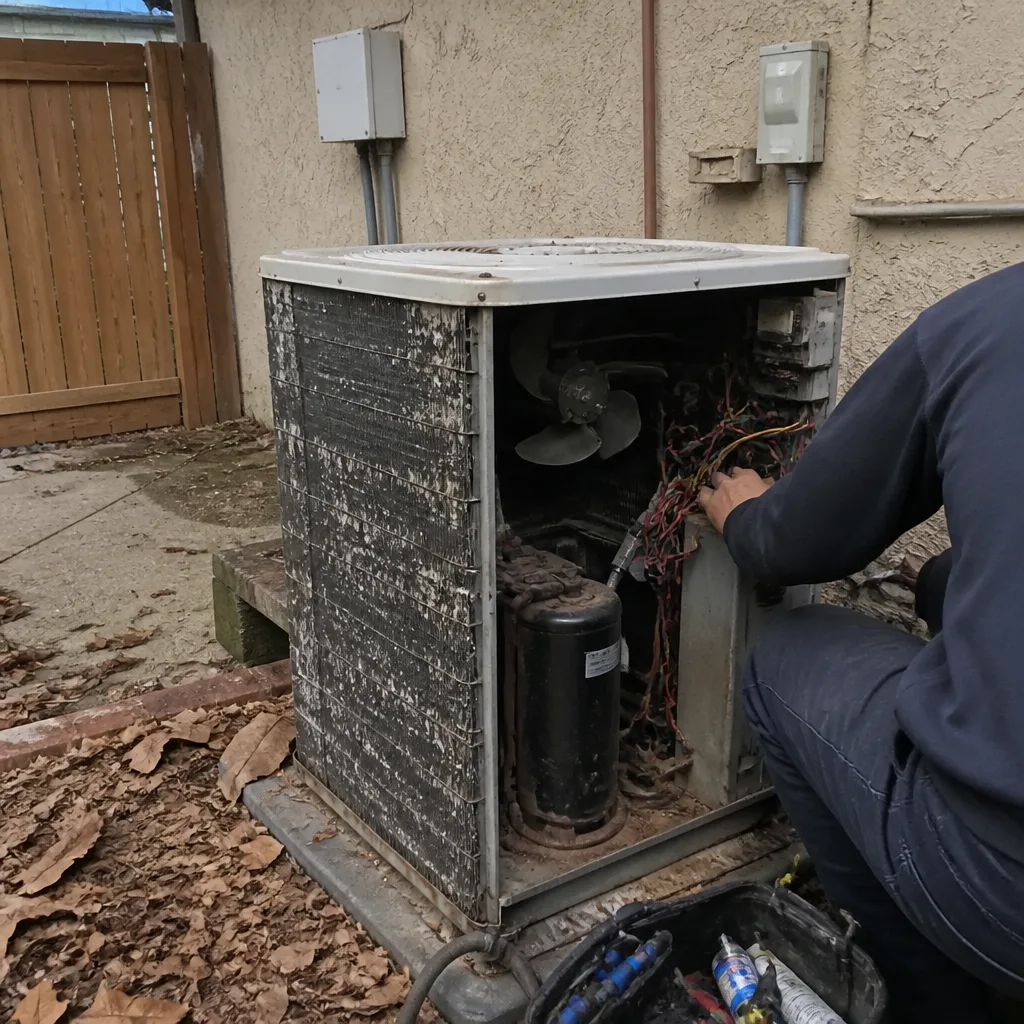 Before
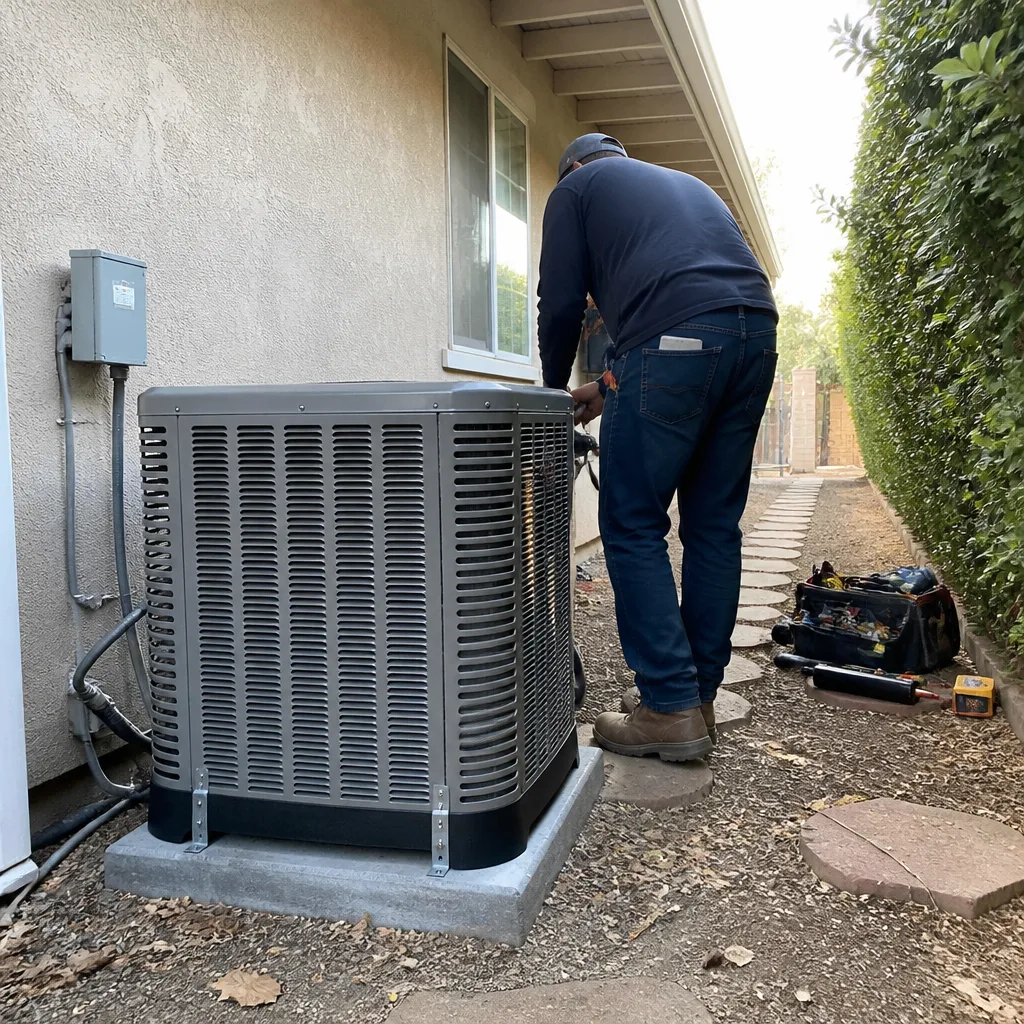 After
AfterReplacement Cost & What’s Included
In Thousand Oaks, a Silestone fence installation runs $3,500 to $9,000 installed. The low end covers a shorter run, roughly 40 to 60 linear feet, with simple post-and-rail installation and no gate. The high end covers a full property line or a privacy fence with one or two gates, including heavier footings on sloped lots and concrete removal if you’re replacing an old masonry or chain-link fence. The single biggest cost driver is lineal footage, followed by gate count. Every gate adds hardware, alignment labor, and usually a steel post reinforcement.
Here’s how the pricing breaks down on a typical Thousand Oaks Silestone fence job:
| Scope | What’s Included | Typical Range |
|---|---|---|
| Small post-and-rail run (40 – 60 ft) | Posts, rails, concrete footings, caps, no gate | $3,500 – $5,000 |
| Mid-size privacy fence (60 – 100 ft) | Panels, posts, concrete, caps, one gate | $5,000 – $7,500 |
| Full property line (100+ ft) | Panels/posts, concrete, caps, two gates, old fence removal | $7,500 – $9,000 |
You get a written price before any work starts. No verbal estimate that grows. No change orders unless you ask for something additional. The installation is backed by our 365-Day Done Right Promise, and if anything is not right within a year of completion, we return and fix it at no charge. That’s the same standard we hold on every bathroom remodel and kitchen project we do in Thousand Oaks.
DIY or Call Us?

Fence work is not high-tension dangerous like a garage door spring, but there are two parts of a Silestone fence installation where DIY goes wrong in ways that cost more than hiring us would have. The first is post setting. If you set a post in concrete without proper drainage gravel at the base, water pools at the bottom of the post and rots it from below. In Thousand Oaks clay soil, which holds water differently than the sandy soil over in Newbury Park, this failure shows up about two years later. The second is gate alignment. A gate that’s off by a quarter inch at the hinge translates to a three-inch drop at the latch end.
What you can safely check yourself: look at post caps for cracks, run your hand along rail connections for gaps, and watch the gate swing once from open to closed. That tells you what’s wrong. Fixing it correctly so it stays fixed, that’s our job. Call (805) 309-3386 and Isaac or one of the crew will walk you through what you’re seeing and give you an honest read on whether it’s a quick fix or a full replacement.
FAQs
A properly installed Silestone fence in Thousand Oaks lasts 20 to 25 years for the panels and rails, with posts lasting 15 to 20 years depending on soil drainage and sun exposure. The panels are the strongest component; the posts and gate hardware fail first because they take the structural load and the water exposure. Our 365-Day Done Right Promise covers installation defects, and we stock post replacements so you’re not waiting on a special order. Call (805) 309-3386 to have Isaac take a look at your fence and give you an honest remaining-lifespan assessment.
In many cases yes, if it’s caught early, which usually means replacing posts, re-setting footings, adding new rail brackets, or installing upgraded gate hardware instead of replacing the whole fence. The panels themselves rarely need replacement unless they’re physically cracked or badly UV-degraded. We’d rather repair a fence than replace it when the panels still have good service life left. Call (805) 309-3386 and tell us what the fence is doing, and we can usually tell you over the phone whether it looks like a repair or a full replacement.
A typical Silestone fence installation in Thousand Oaks takes one to two days on site, plus concrete cure time of 24 to 48 hours before we hang gates and panels. The schedule depends on linear footage, gate count, and whether we’re removing an old fence first. We give you a written timeline with the written price, and that timeline is what we hit.
We stock the common Silestone fence parts on our trucks: post caps for both pre-2019 and current post sizes, rail brackets, gate hinges with stainless steel pins, and post anchors. For full panel replacements or color-matched rails, we order Silestone OEM through our supplier network, which gets material to Thousand Oaks in under a week. If you have a KraftMaid cabinet, Cambria countertop, or Kohler fixture project that also needs attention, we handle those material lines as well through our standard supplier partnerships.
Tell me what you need done. We’ll tell you what it costs and how long it takes, then we’ll do exactly that. Call (805) 309-3386 for a free estimate on your Silestone fence installation in Thousand Oaks. Isaac Pruett and the Mason Remodeling Co Thousand Oaks crew will walk the fence line with you, measure what’s there, confirm the Silestone series, and put the number in writing before anything gets scheduled.
Written by Isaac Pruett, Owner, Mason Remodeling Co – Thousand Oaks, CA at Mason Remodeling Co Thousand Oaks, serving Thousand Oaks and nearby areas.