

Free written scope consultation - allowances, timeline, and change-order rules on paper before a single trade is scheduled
James Hardie Fence Installation: The Thousand Oaks Owner’s Guide
James Hardie fence installation in Thousand Oaks typically runs $3,500 to $9,000 for a full panel-and-post replacement, depending on linear footage and whether we’re matching existing Hardie plank profiles or starting fresh. Most jobs are completed in two to three days, and we stock Hardie-compatible trim, flashing, and fasteners on our trucks so there’s no waiting on a parts run from a supply yard.
The way most Thousand Oaks homeowners discover their James Hardie fence has failed isn’t dramatic. It’s a post that’s started leaning after a wet winter, a bottom plank that’s gone soft where sprinklers hit it every morning, or a gate that suddenly drags on one corner. Fiber cement is tough stuff, but it isn’t indestructible. When water gets into a cut edge that was never sealed, or a post was set in soil that drains poorly, the damage creeps in slowly. By the time you notice the lean or the soft spot, the fix has usually moved beyond caulk and paint.
Which James Hardie Models This Applies To
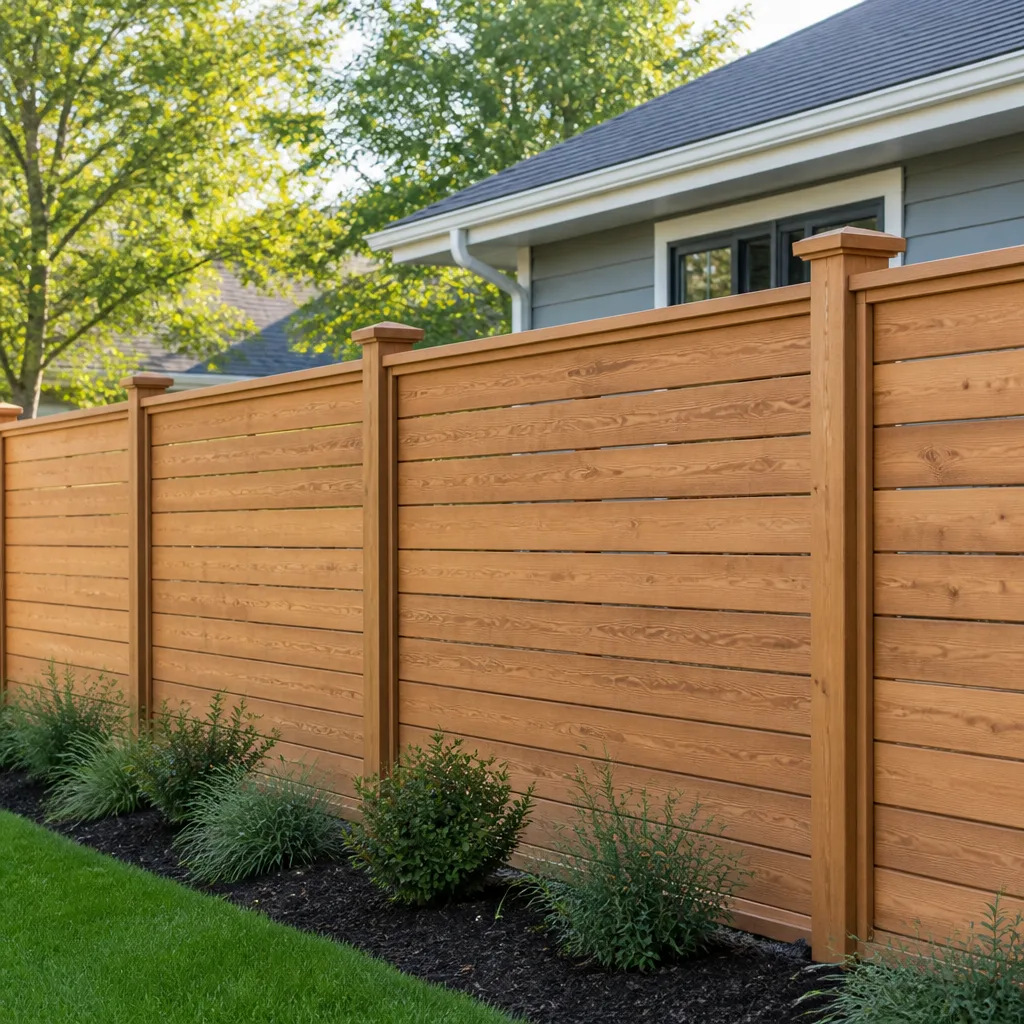
James Hardie doesn’t make a dedicated fence panel line, which trips up a lot of homeowners. What Thousand Oaks fences use is HardiePlank lap siding or HardiePanel vertical siding, milled and installed as fence boards. The compatibility question is really about profile and thickness. HardiePlank comes in 5/16-inch and 7/16-inch thicknesses, and most fence installations use the 7/16-inch product because it holds up better to wind load and impacts from lawn equipment.
The key identification detail is on the back of the board. Every genuine Hardie product carries a printed code that identifies the plant, the line, and the production date. If the board is painted or the back is inaccessible, measure the exposed thickness. The 7/16-inch profile is what we match for fence work about 90 percent of the time in the Conejo Valley area around Thousand Oaks. For OEM versus aftermarket: we install genuine James Hardie product when matching existing material, but for trim and batten strips, we’ll often recommend a high-quality aftermarket fiber cement trim because Hardie’s own trim line doesn’t always match the dimensions of what was used on fences built in the early 2000s. It’s a compatibility gotcha that catches people off guard.
One more spec point worth knowing: Hardie lap siding is rated for 24-inch on-center framing when installed horizontally, but as a vertical fence application, it wants 16-inch on-center support framing behind it. A lot of the fences we replace in Thousand Oaks were originally built on wider spacing, and that’s precisely why the boards have started to warp between posts.
Styles & brands we work with
Signs Your James Hardie Fence Installation Is Failing
- Bottom-edge swelling and delamination. This is the classic sprinkler pattern. Fiber cement wicks water like a sponge at any unsealed cut edge, and in Thousand Oaks, where irrigation runs year-round, bottom planks almost always fail first. The board layers start separating and the surface feels chalky or puffy.
- Leaning posts that were fine last season. Conejo Valley soil is clay-heavy in a lot of neighborhoods, and clay expands and contracts aggressively with moisture. A post set without proper gravel drainage will slowly get pushed out of plumb. It’s not the panel failing, it’s the foundation detail.
- Hairline cracks radiating from fastener points. This happens when someone used standard deck screws instead of fiber cement-rated fasteners. Hardie board doesn’t flex like wood. When it’s pinned too tightly with the wrong hardware, it cracks around the penetration. Once that crack opens, water gets in and the failure accelerates.
- Rust stains below every nail or screw head. Fasteners not rated for fiber cement will corrode, and the corrosion transfers into the board as staining. The board itself isn’t rusting, but the fastener failure is now compromising the panel’s attachment.
- Gate sag that adjustment won’t fix. When a Hardie gate starts dragging, it’s usually because the hinge fasteners have wallowed out the fiber cement. The panel material is fine, but the attachment points are gone. Continuing to force the gate just tears out more material around the hinges.
See the difference
 Before
 After
After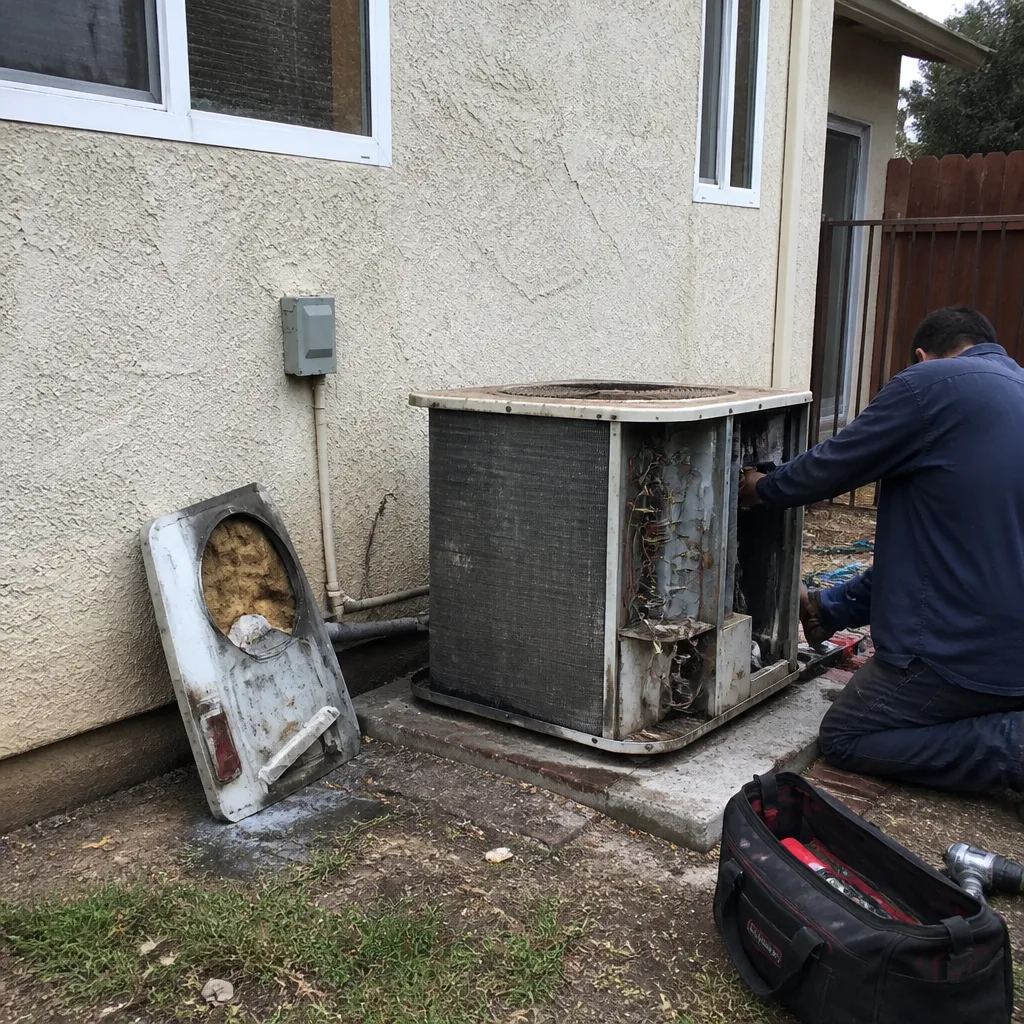 Before
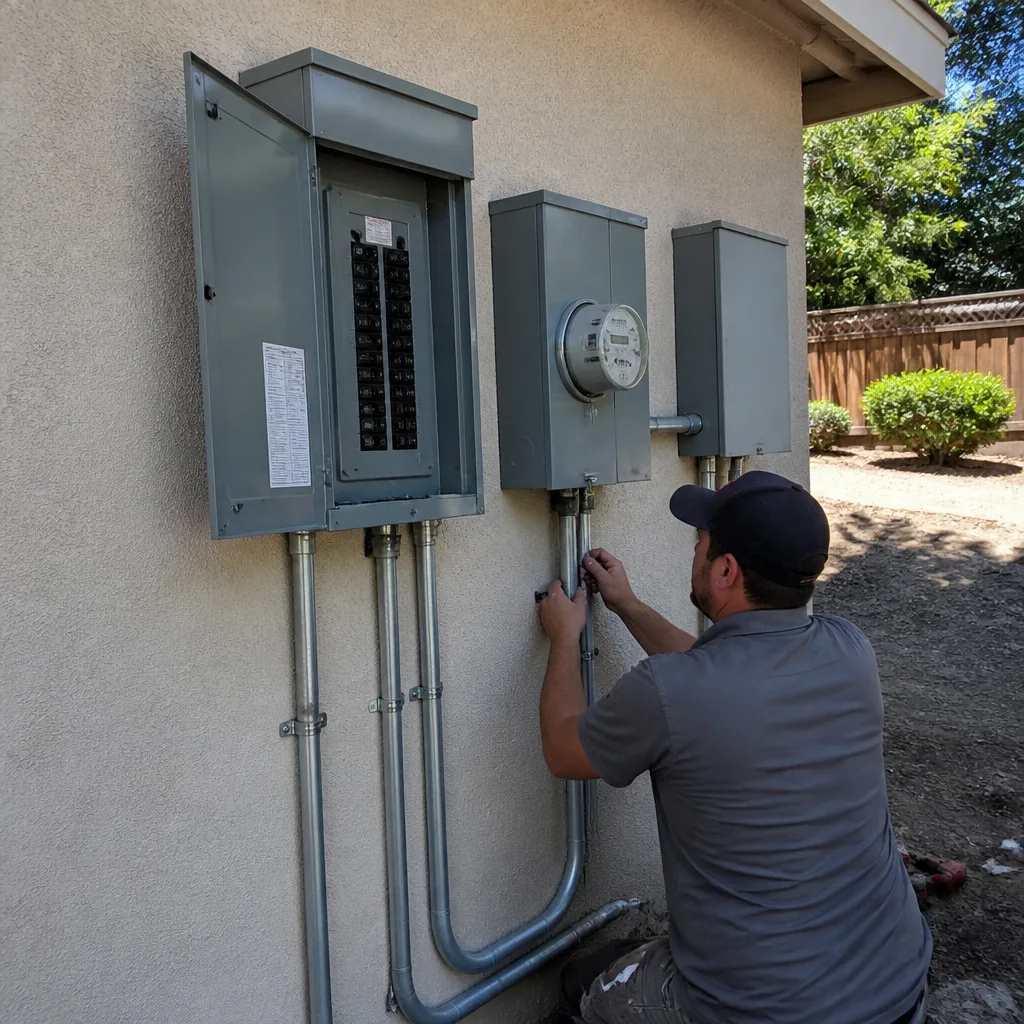 After
After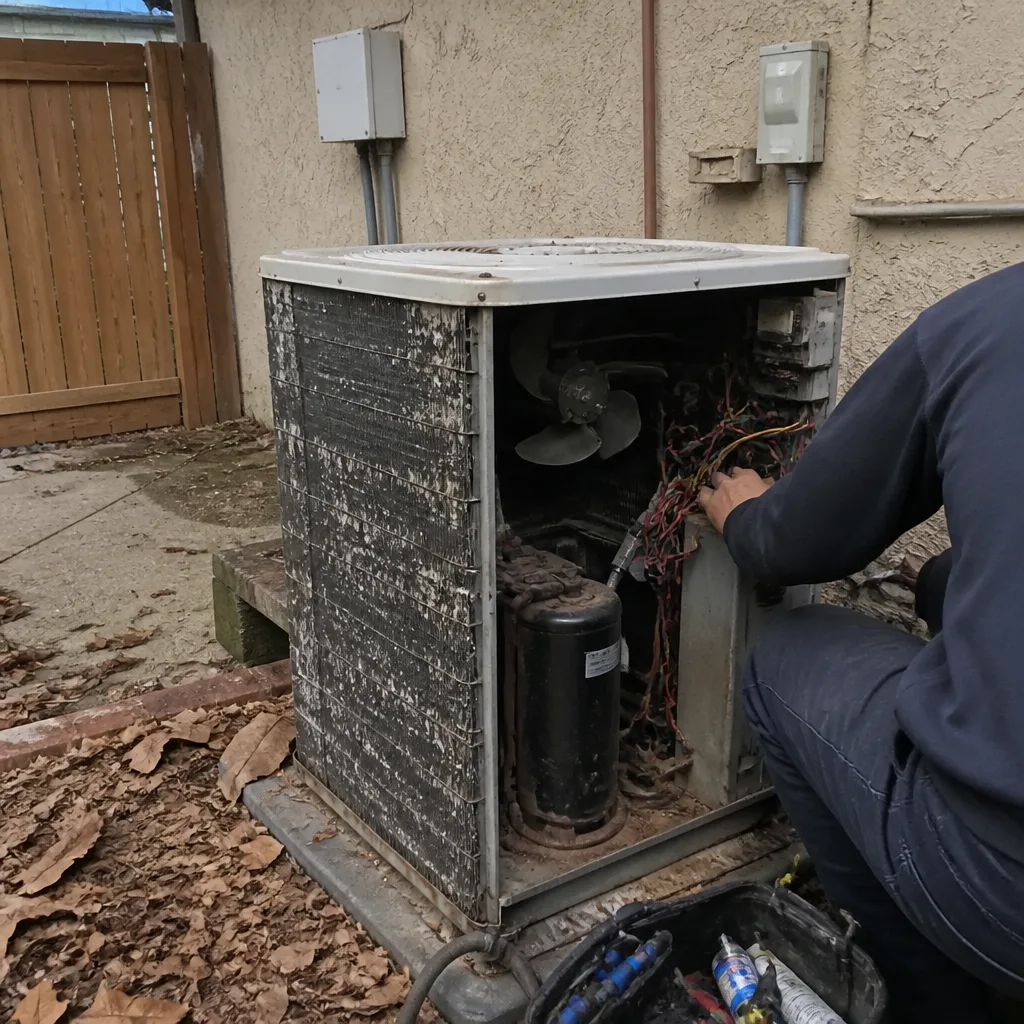 Before
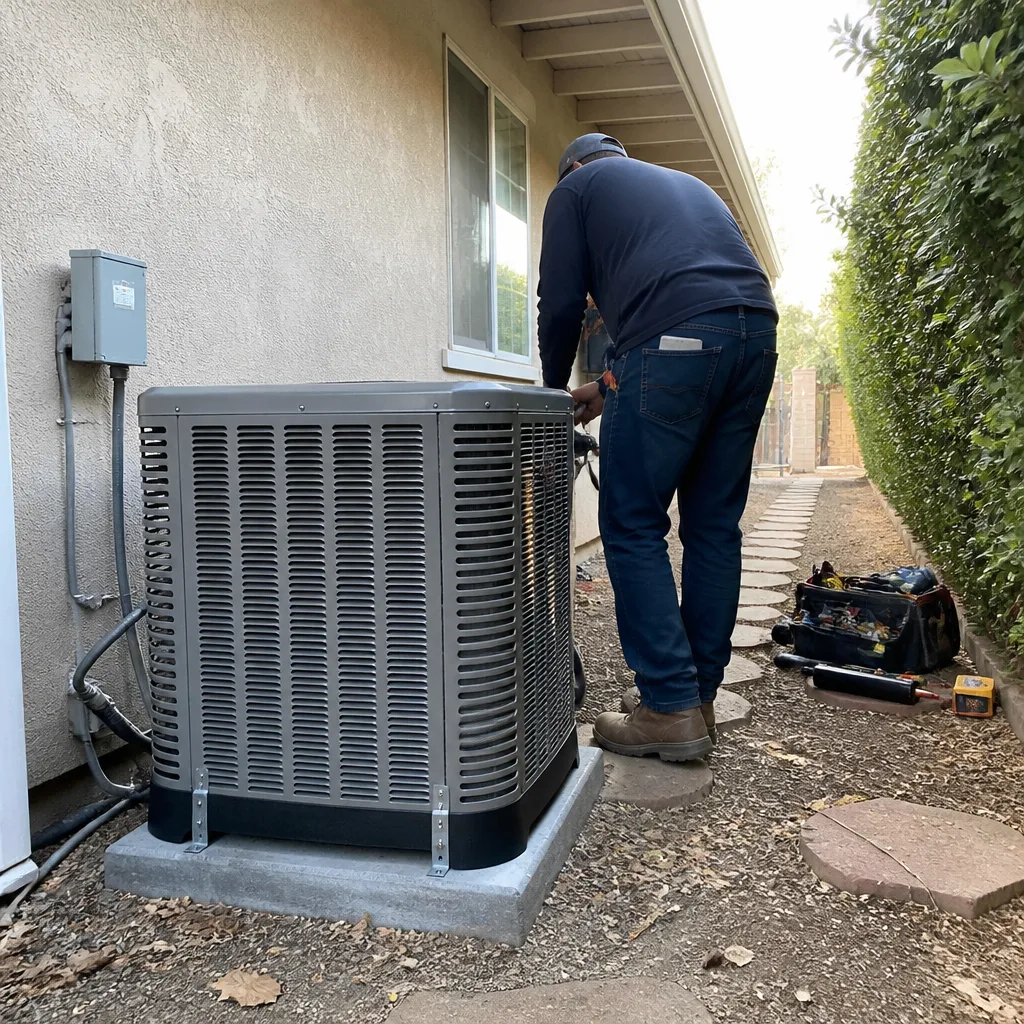 After
AfterReplacement Cost & What’s Included
Installed James Hardie fence replacement in Thousand Oaks runs $3,500 to $9,000. The spread is driven almost entirely by three things: total linear footage, whether we’re setting new posts or reusing existing steel post bases, and how much of the old panel material can stay in place.
Here’s the line-item breakdown we give every homeowner before work starts:
- Panel and trim material (Hardie or equivalent fiber cement): $18 – $32 per linear foot installed
- New steel post bases with proper gravel drainage and concrete: $95 – $180 per post, materials and labor
- Fasteners, flashing, and edge sealing on every cut: $250 – $600 for the average Thousand Oaks yard
- Gate rebuild with new hinge backing plates: $450 – $1,100 per gate, depending on width and hardware
You get a written price before any work starts. That’s not a promotion and it’s not optional. Every fence installation we complete in Thousand Oaks is covered by our 365-Day Done Right Promise: if it isn’t right within a year of completion, we make it right at no cost. The workmanship guarantee is on paper, with what’s covered and what’s excluded spelled out in plain language.
DIY or Call Us?
A fiber cement fence is not a pizza delivery. You can safely do the diagnosis yourself: check for soft edges, look at the bottom plank after a rain, and note which posts are leaning. Those observations are genuinely useful when you call us, because they help us scope the job accurately.
Where DIY goes wrong is the installation side. Cutting fiber cement with a circular saw creates silica dust that you do not want in your lungs, and it requires specific blade and dust control methods. Setting a post in clay-heavy Thousand Oaks soil without proper drainage is how you end up redoing the whole thing in three years. And once a panel is compromised, patching always costs more over time than a clean replacement of the affected section. If you want to check what you’re dealing with, call (805) 309-3386 and we’ll walk you through what to look for. If it’s beyond a visual check, we’ll come out and give you a written estimate.
FAQs

In the Conejo Valley, a properly installed James Hardie fence with sealed edges and correctly drained posts will last 20 to 30 years before panels need replacement. The limiting factor isn’t the board itself, it’s the irrigation exposure and the quality of the original post installation. Fences built with poor drainage or unsealed bottom cuts start showing real problems in 8 to 12 years.
Yes, if the damage is contained to a run of planks and the posts are still solid. We’ll cut out the bad section, replace it with matching Hardie product, and seal every exposed edge on both the new and old material. If the posts are moving, sectional repair just postpones the inevitable. Call (805) 309-3386 and we’ll tell you honestly which situation you have.
Most Thousand Oaks fence replacements take two to three days from the first post hole to the final inspection. Larger properties with multiple gates or difficult access can run four to five days. You’ll have a written schedule before we start, and we stick to it.
We keep 7/16-inch Hardie-compatible plank, trim, fasteners, and flashing on the truck for standard Thousand Oaks fence work. If your existing fence uses a less common profile or an older panel size, we’ll order the exact match and schedule the work once it’s in hand. Homeowners also ask us about KraftMaid cabinetry, Cambria surfaces, and Silestone countertops, since those are brands we work with daily in the remodeling side of our business.
If your James Hardie fence in Thousand Oaks is leaning, cracking, or softening at the edges, call (805) 309-3386 for a free estimate. Tell me what you need done. We’ll tell you what it costs and how long it takes, then we’ll do exactly that. Isaac Pruett and our crew have been serving Thousand Oaks for years, from whole-home renovations near Lang Ranch to smaller builds where homeowners trust us to get it right the first time. A live person answers the phone, and every technician who comes to your door is background-checked, identity-verified, and introduced to you by name and photo before they arrive.
Written by Isaac Pruett, Owner, Mason Remodeling Co – Thousand Oaks, CA at Mason Remodeling Co Thousand Oaks, serving Thousand Oaks and nearby areas.