


Free written scope consultation - allowances, timeline, and change-order rules on paper before a single trade is scheduled
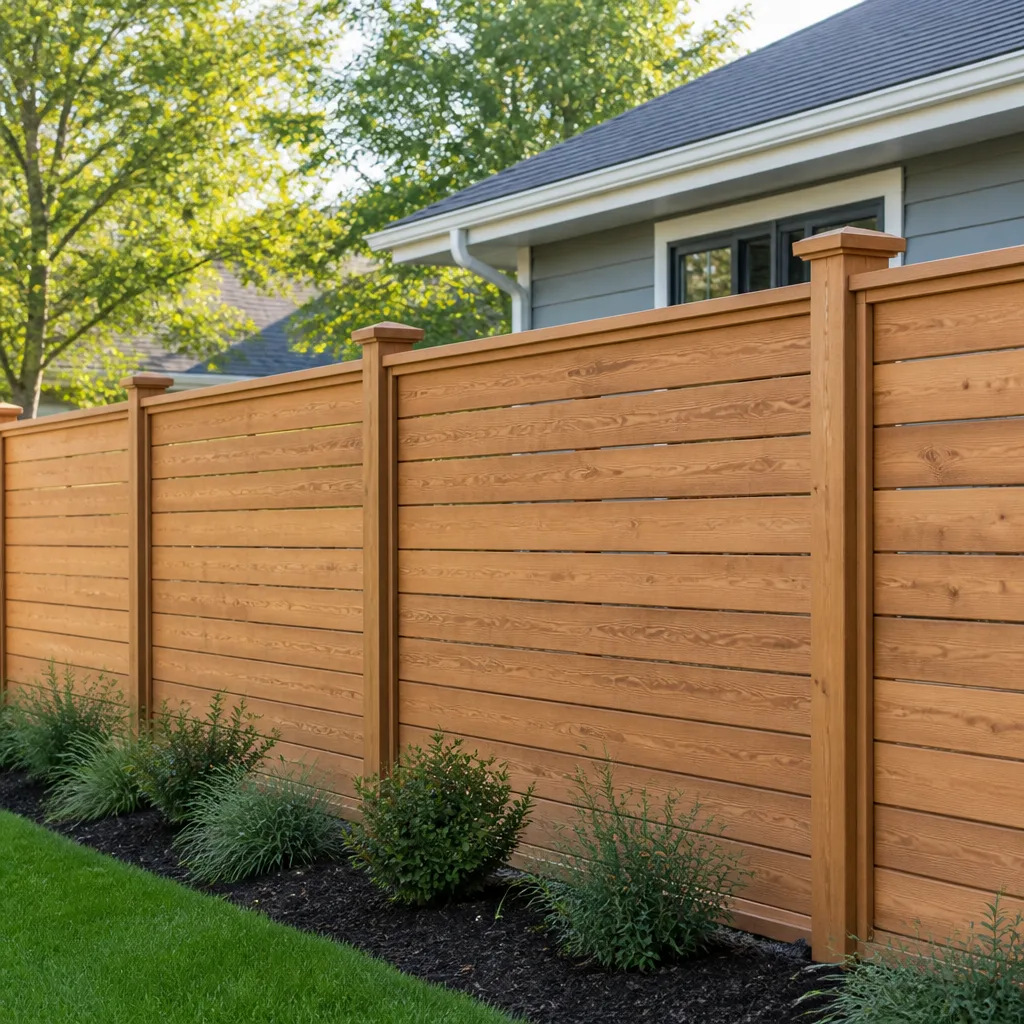
CGI Fence Installation: The Thousand Oaks Owner’s Guide
CGI fence installation in Thousand Oaks typically runs $3,500 to $9,000 installed, depending on the product line, linear footage, and whether we’re replacing an existing run or starting fresh. We stock the common components and can schedule a crew visit quickly once we confirm your CGI model and measurements. Most of the calls we get start the same way: a homeowner notices a cracked rail, a post that’s begun to lean after a Santa Ana wind event, or a gate that no longer latches square, and they want to know if it’s a repair or a full re-install before the next wind season hits.
Here’s what we know from working on CGI fence systems across Thousand Oaks: the aluminum is well-made, but the fasteners, post bases, and gate hardware take the real beating in this climate. Dry heat, heavy morning marine layer moisture near the 101 corridor, and seasonal wind all work on the connection points before the panels themselves ever fail. If you’re seeing movement at the post base or hairline cracks along a rail, the installation is telling you something. We’ll explain exactly what that is below, what it costs, and when it makes sense to call us at (805) 309-3386.
Which CGI Models This Applies To

CGI (Commercial Grade Industries) manufactures aluminum fence systems sold under several residential and light-commercial product lines. The most common ones we see in Thousand Oaks are the CGI S-Series, which uses a routed rail system where pickets slide into pre-punched horizontal rails, and the CGI C-Series, a commercial-grade panel designed for taller runs and wider post spacing. The mounting brackets and post sizes differ between these two, which matters more than most homeowners expect. You cannot mix S-Series rails with C-Series post brackets, for example. The bracket bolt pattern is different, and forcing it means a rail that sits proud of the post and a gate that never closes right.
How to identify what you have: look for a small stamped label on the inside face of a post, usually near the top cap or about six inches from the bottom. If the label is gone, measure the post dimensions. Residential runs are almost always 2-inch square posts with 1-inch square pickets. CGI’s commercial line uses heavier gauge 2.5-inch posts with thicker wall sections. The post cap style also helps: flat caps with a single screw are typically S-Series, while the heavier lines use a notched or flanged cap.
On the OEM versus aftermarket question: CGI sells its own hardware kits and replacement pickets, which we can order directly. But for certain wear items, like post caps, gate hinges, and self-closing spring mechanisms, we often recommend a quality aftermarket equivalent that matches the finish and gauge. The aftermarket hinges we use, for example, have a polymer bushing that holds up better to repeated gate cycles than the original metal-on-metal pivot. You’re getting equal or better performance for about 25 percent less on those parts.
Styles & brands we work with
Signs Your CGI Fence Installation Is Failing
- Post lean, especially on the windward side. In Thousand Oaks, sustained Santa Ana conditions will expose a shallow post footing within a season or two. The post base bracket may still be attached, but the concrete footing itself has shifted or cracked, and the post is now out of plumb. That’s not a panel problem; it’s an installation problem that a replacement bracket alone won’t fix.
- Rails pulling away from the post. The rail bracket screws are usually the first failure point on CGI fences, because they carry the full wind load across the entire run. When you see a gap between the rail end and the post face, or a rail that wiggles when you push on the fence, the bracket screws have stretched or backed out. If left alone, the rail will eventually pull free completely and drop the pickets with it.
- Gate sagging or dragging at the latch side. This is almost always the hinge assembly wearing out, not the gate frame bending. The original hinges on many CGI residential gates have a narrow bearing surface, and with daily use over several years, they develop vertical play. The gate drops a quarter inch, then half an inch, and eventually the latch post no longer lines up.
- Hairline cracks at the weld points or rail joints. Aluminum fatigues differently than steel. It doesn’t rust, but repeated stress will cause a fine crack that looks like a pencil line, often at the corner where the rail meets the post bracket. Once that crack starts, it propagates quickly, especially with thermal expansion from the heat we get in the Conejo Valley in August and September.
- Finish peeling in patches rather than fading evenly. CGI’s powder coat is decent, but when moisture gets trapped between the coating and the aluminum, usually at a small scratch or a drilled hole that wasn’t sealed, it will lift in flakes. We see this most often on fences facing south or west, where the afternoon sun and morning condensation work together on the exposed face.
See the difference
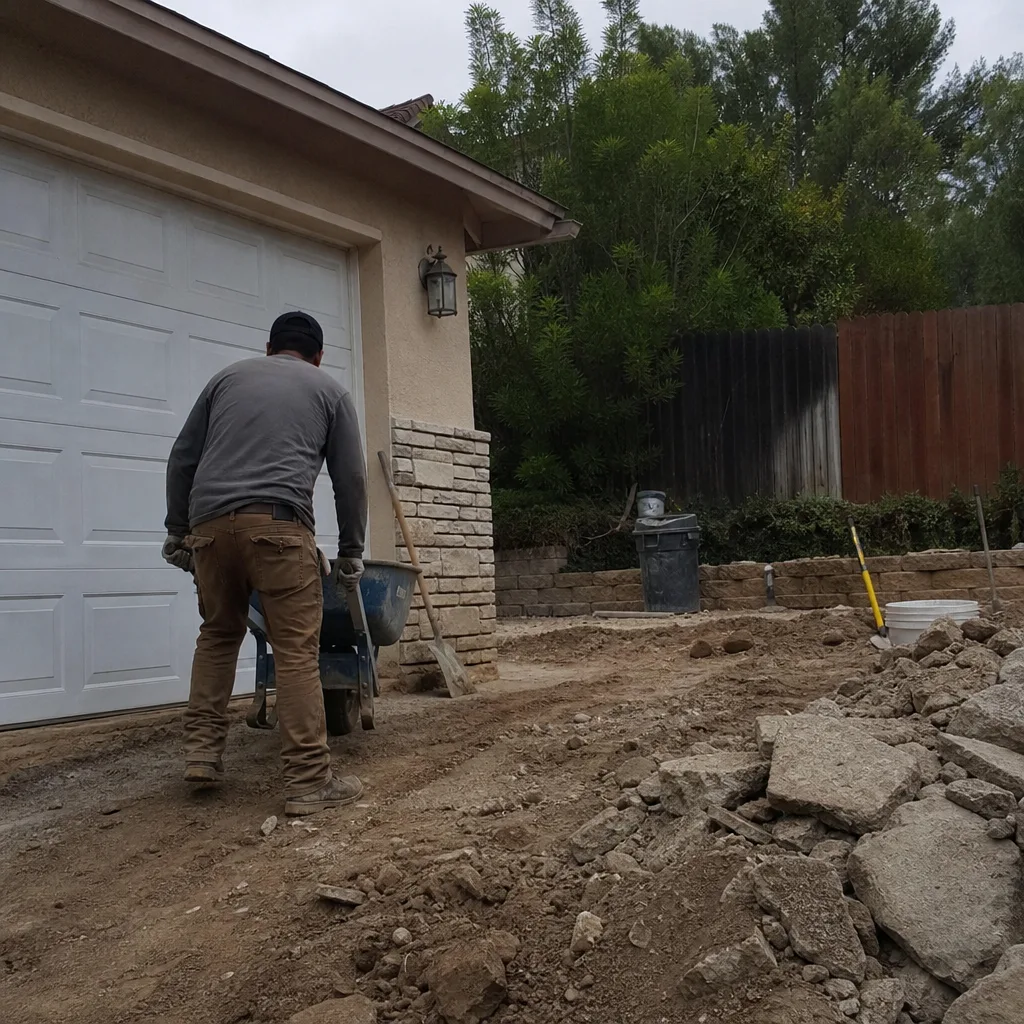 Before
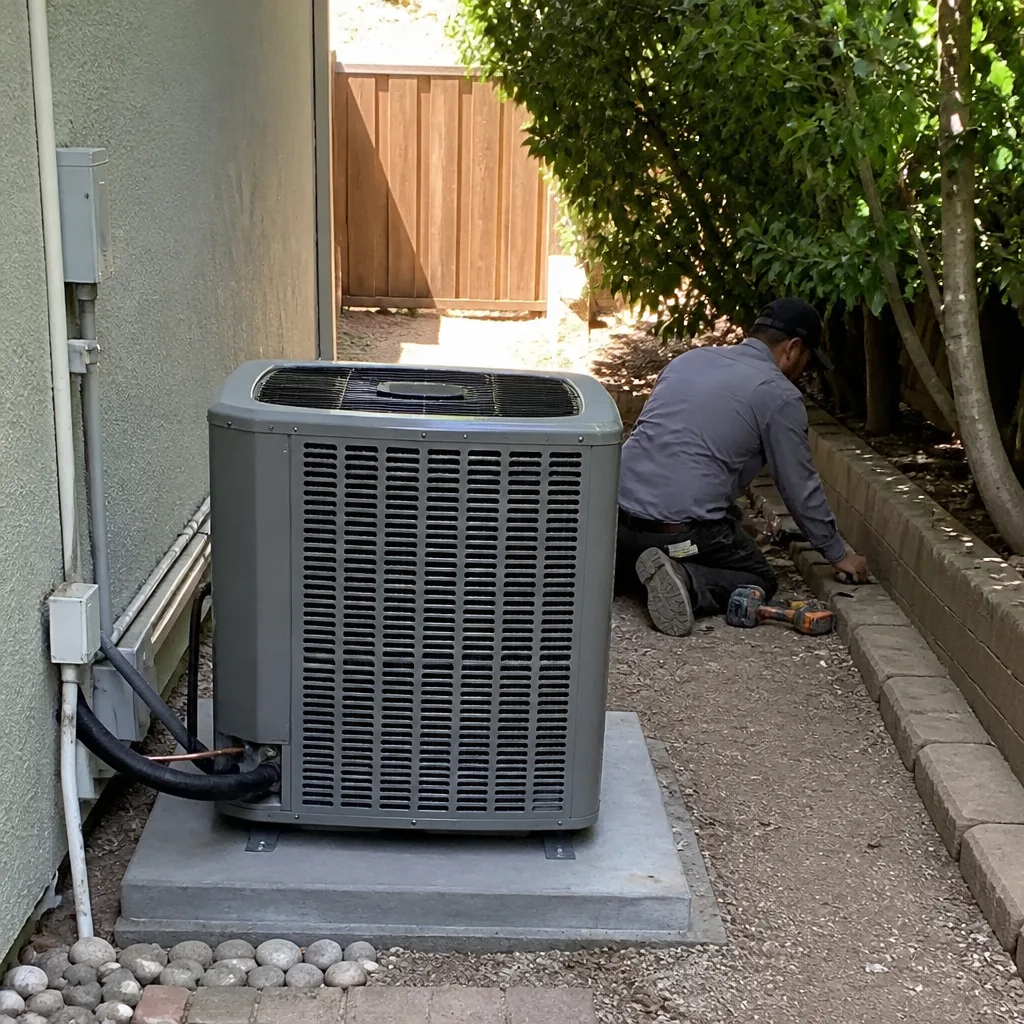 After
After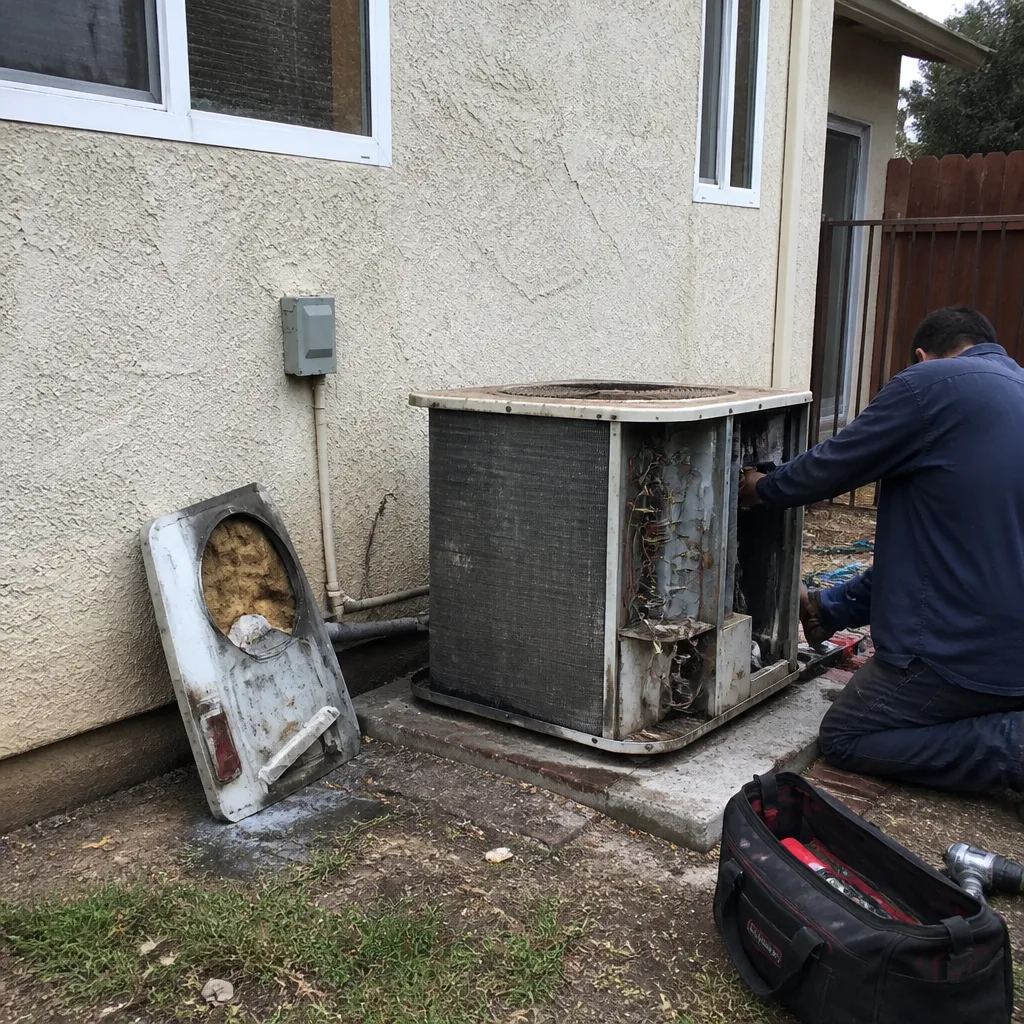 Before
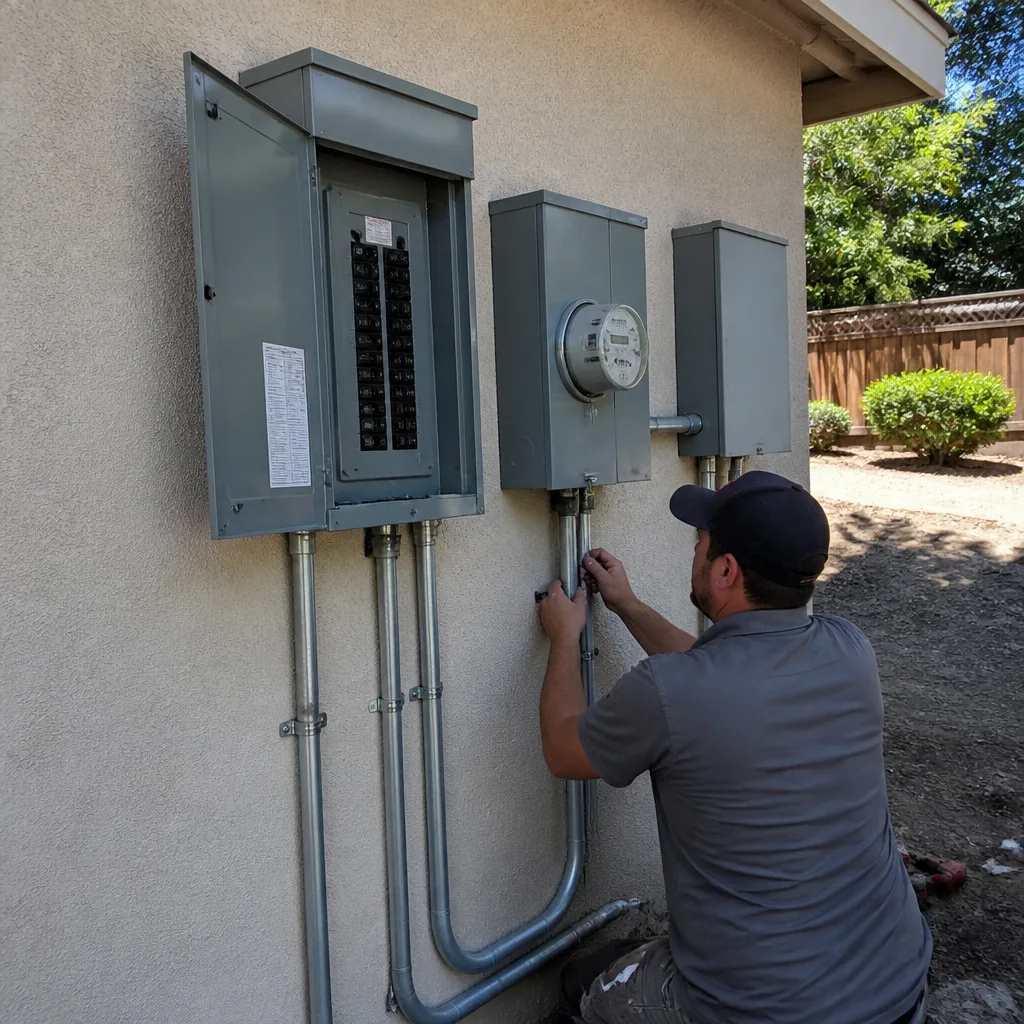 After
After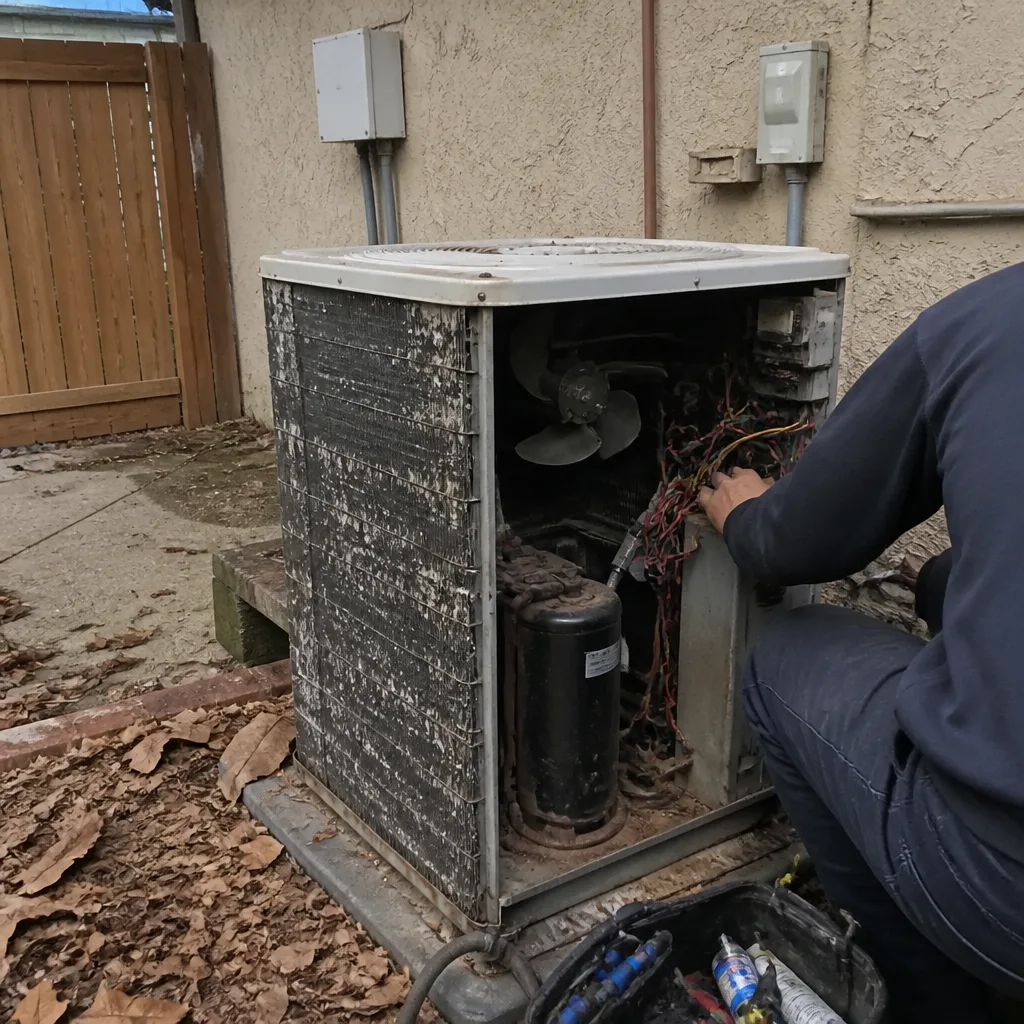 Before
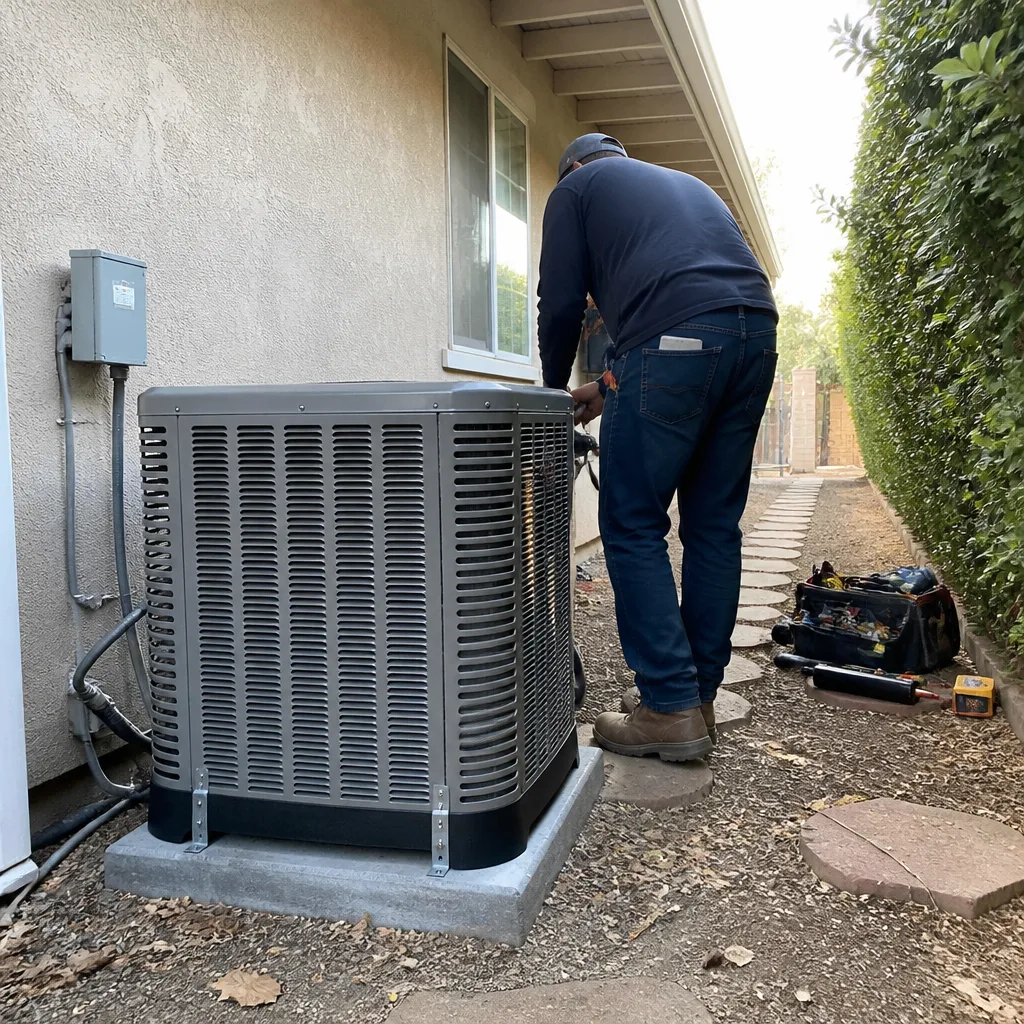 After
AfterReplacement Cost & What’s Included
For CGI fence installation in Thousand Oaks, plan on $3,500 to $9,000 as a realistic range for replacing a failing product line. The low end covers a shorter run, maybe 40 to 60 linear feet, where we’re reusing the existing posts and replacing only damaged rails, pickets, and hardware. The high end covers a full perimeter, 150 feet or more, including new posts, new post footings where needed, a new gate, and disposal of the old material.
What moves the number: linear footage is the biggest driver, but gate count matters too. A driveway gate with a self-closing hinge and latch runs $400 to $900 by itself, depending on width. If your posts are set in concrete that’s cracked or undersized, we add footing replacement per post. And if we’re matching an existing CGI finish that’s been discontinued, there may be a small premium to source correct-match panels from CGI or our commercial suppliers.
Every quote is a written price before any work starts. You’ll see parts separated from labor, so you know exactly what you’re paying for. The installation is covered by our workmanship warranty for 365 days from the completion date. If anything related to our work fails in that window, we come back and fix it at no charge. The CGI aluminum components carry the manufacturer’s finish warranty, which we’ll document for you.
DIY or Call Us?
You can safely check your fence for the symptoms above without any special tools: push on each post to check for movement, look for gaps at the bracket connections, and open and close each gate a few times to feel for sag. What you should not do is attempt to pull a leaning post back into place with a come-along or replace rail brackets while the pickets are still loaded. When a post is out of plumb, the rails and pickets are under enough tension that releasing the wrong bracket can cause the whole section to drop suddenly. Aluminum panels are heavier than they look, and a falling rail with 20 pickets attached will break bones.
If the gate is off its hinges or you’re dealing with a run that’s actively pulling apart, call us. We’ll send a crew member who is background-checked, uniformed, and identity-verified before they arrive, which means you’ll know who is coming and what they look like before the truck pulls up. Isaac Pruett has been running jobs like this in Thousand Oaks for years, and the process is the same every time: we tell you what needs to be done, we give you a written price, and then we do exactly that. Call (805) 309-3386 for a free estimate.
FAQs
A properly installed CGI fence in our climate will give you 20 to 25 years of service before you’re looking at a real replacement, not just hardware swaps. The aluminum itself won’t rust, which is the big advantage over steel. What fails first here is the hardware and the post footings, because the wind and the shrink-swell cycle of our clay-heavy soil work on the connections long before the pickets deteriorate. If your fence was installed 10 years ago and the posts are still solid and plumb, you’re doing well. If it’s 15 years old and you’re seeing the symptoms above, expect to replace hardware and possibly some rails, but the pickets themselves may have another decade in them.
Most of the time yes, as long as the posts are still structurally sound and the pickets aren’t cracked. We replace rail brackets, gate hinges, post caps, and individual pickets or rails as needed, and that’s often a $400 to $1,200 job rather than a $4,000-plus reinstallation. The exception is when posts are leaning or footings are compromised. You can’t shim a post back to plumb and expect it to hold through the next wind event. We’ll tell you honestly which situation you’re in, because the written price depends on it. Call (805) 309-3386 and we’ll walk through what you’re seeing.
For a typical residential run of 60 to 100 linear feet with existing posts in good shape, the swap takes one to two days. If we’re setting new posts in concrete, add a day for the footings to cure before we hang the panels and set the gates. We stage materials the day before and keep the work area clean. For a full perimeter replacement with multiple gates, plan on three to four working days from start to finished, including haul-away of the old material.
We keep the common wear items on the truck: rail brackets, post caps, gate hinges, latch hardware, and fasteners that match standard CGI residential dimensions. For full panels, specialty pickets, or color-matched runs, we order from our suppliers, which usually turns around in 3 to 5 business days. You never have to source parts yourself. We handle it, and the written quote includes everything.
Written by Isaac Pruett, Owner, Mason Remodeling Co – Thousand Oaks, CA at Mason Remodeling Co Thousand Oaks, serving Thousand Oaks and nearby areas.