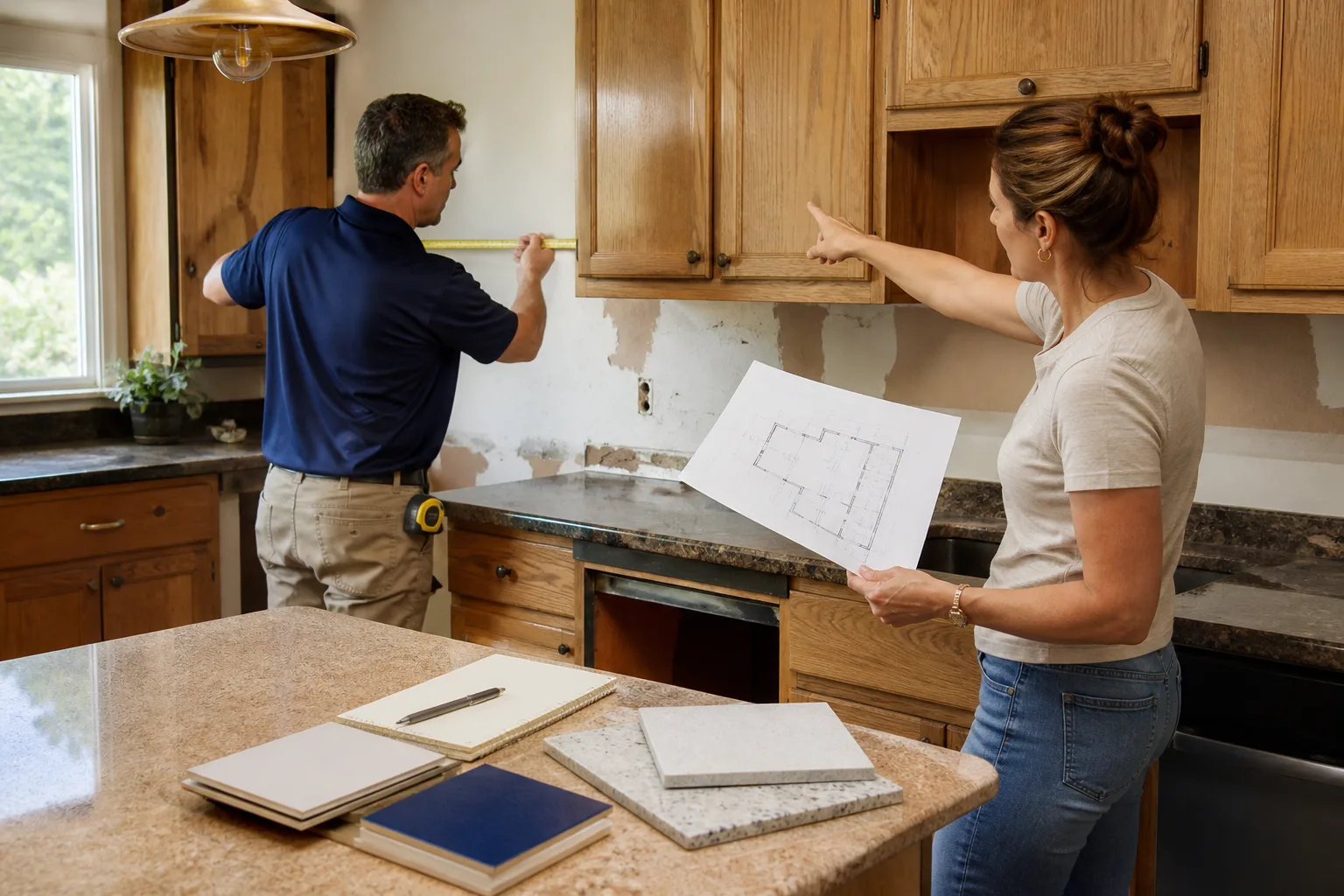

Free written scope consultation - allowances, timeline, and change-order rules on paper before a single trade is scheduled
CertainTeed Home Additions & ADU: The Thousand Oaks Owner’s Guide
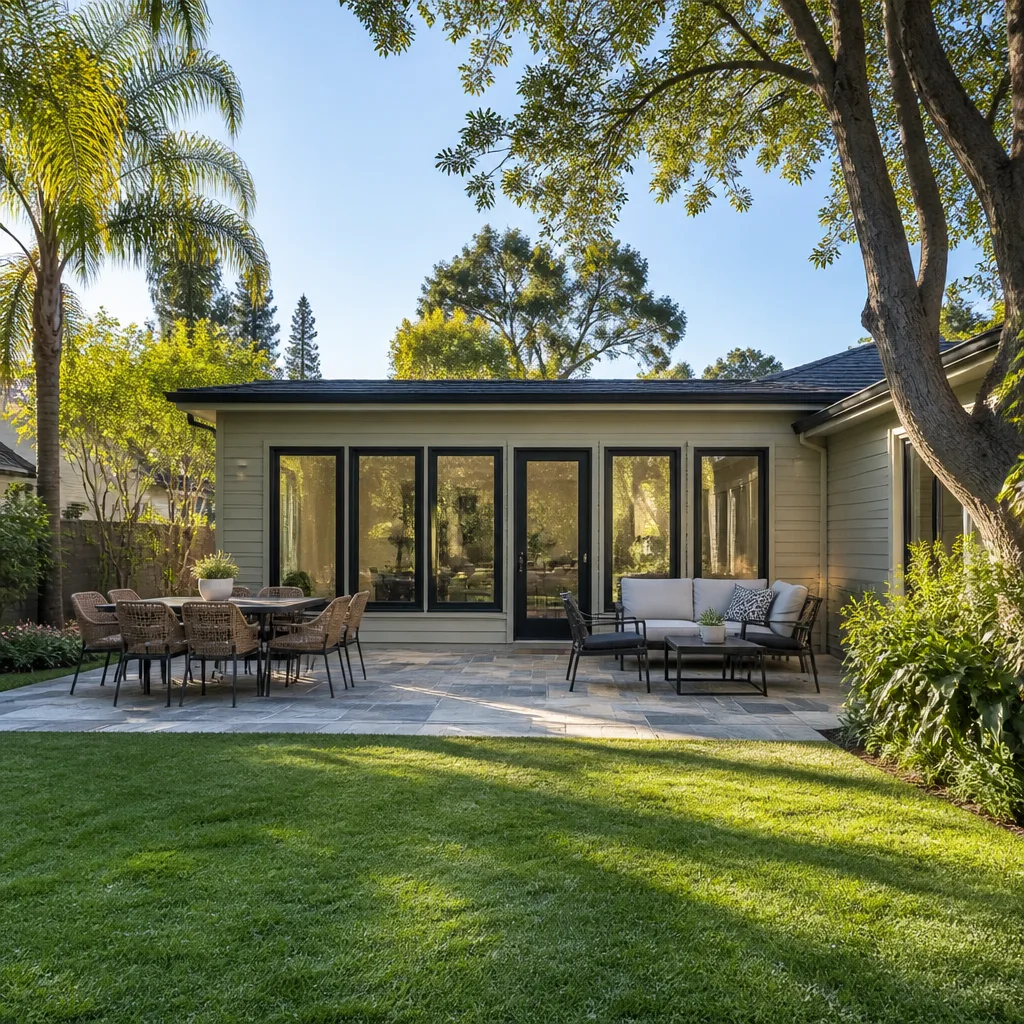
If you’re planning a home addition or ADU in Thousand Oaks using CertainTeed materials, the installed cost typically runs $45,000 to $130,000 for an addition and $90,000 to $220,000 for a full ADU build. We source and install CertainTeed siding, roofing, insulation, and drywall products on additions and accessory dwelling units throughout Thousand Oaks, Newbury Park, and Westlake Village. Most homeowners call us because their existing CertainTeed siding has cracked, their CertainTeed roofing has failed after years of Ventura County sun, or they simply need a contractor who won’t treat CertainTeed products like generic building materials.
We’re an independent contractor, not affiliated with CertainTeed. That matters because we recommend what works, not what a manufacturer pushes. Isaac Pruett has been building additions and ADUs in Thousand Oaks for years, and the thing he tells every homeowner is this: CertainTeed makes excellent material, but only if it’s installed to spec. Half the failures we see trace back to shortcuts taken during the original install.
Which CertainTeed Models This Applies To
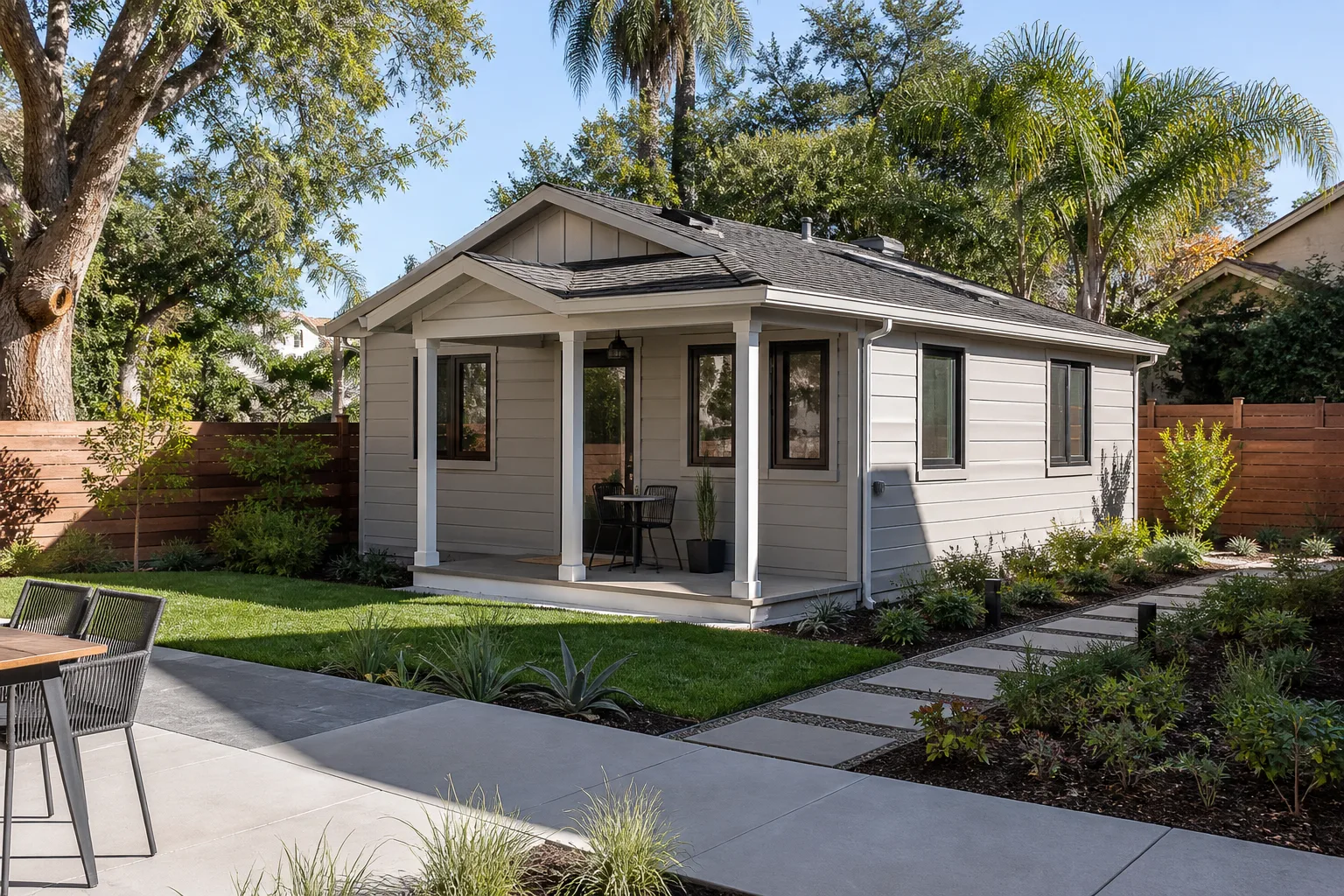
CertainTeed’s home addition and ADU product lines span several categories, and compatibility depends on which system you’re matching. Here’s what we work with most in Thousand Oaks:
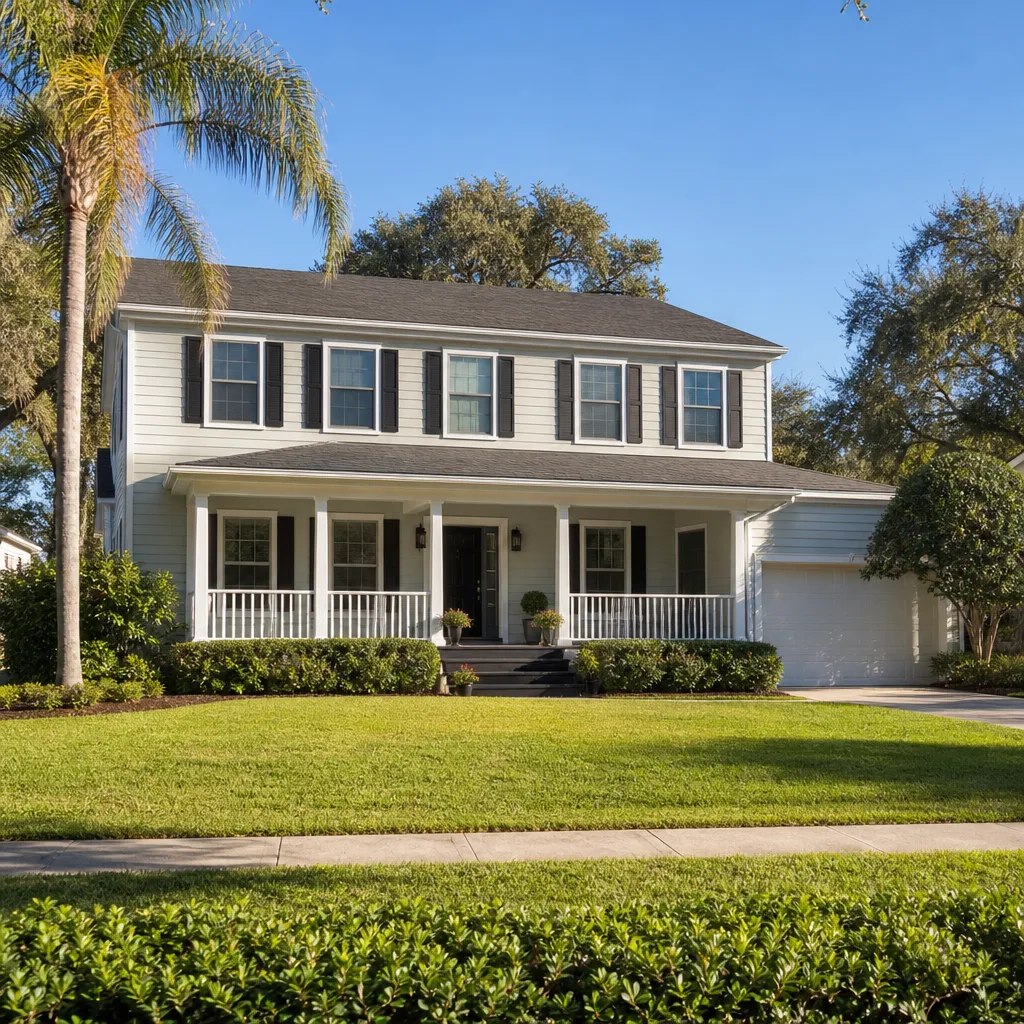
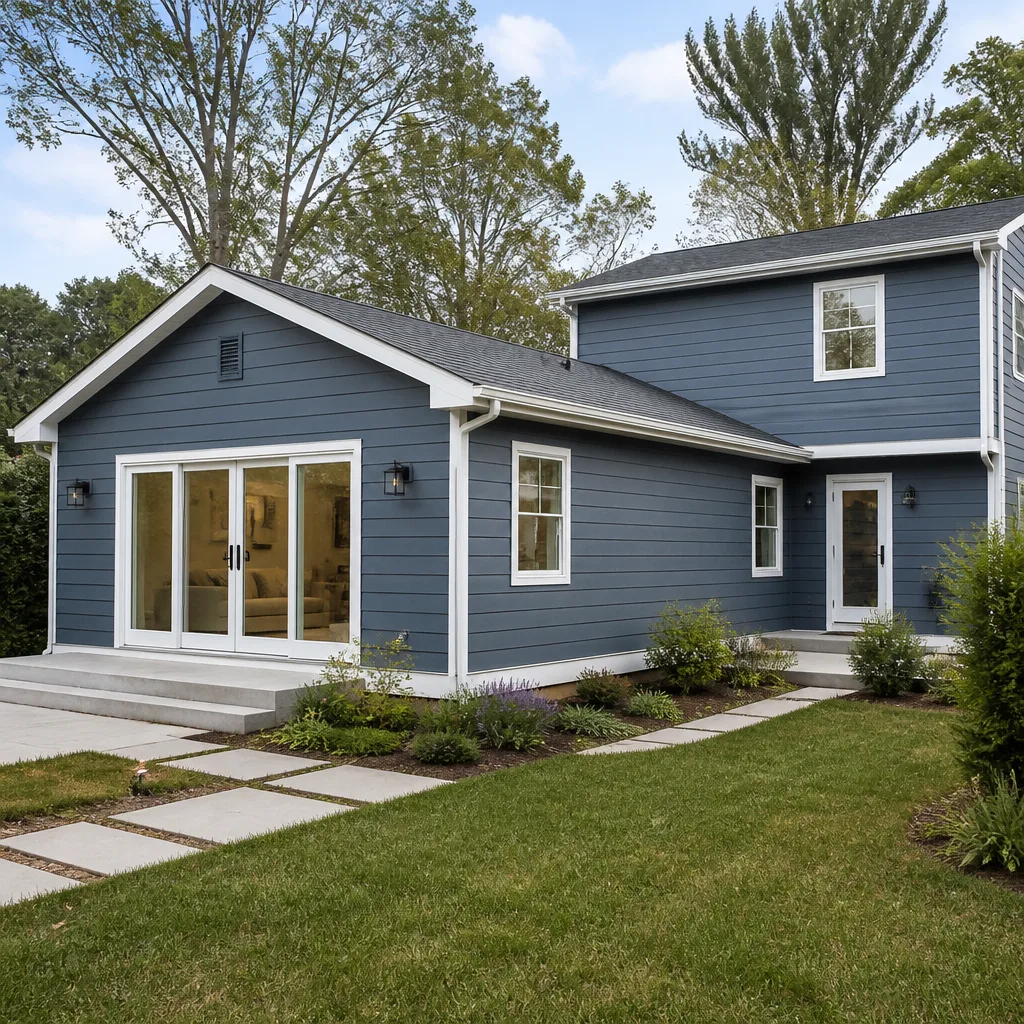
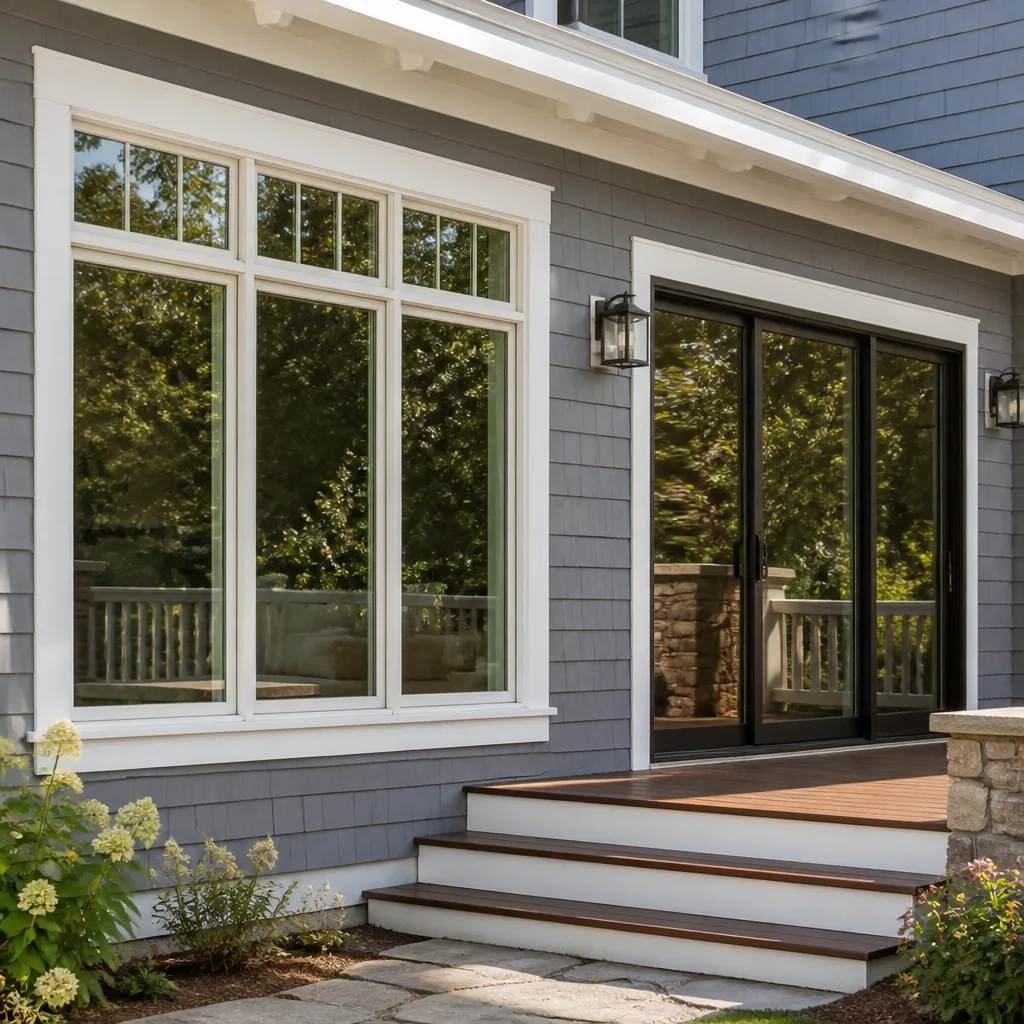
- Siding: Cedar Impressions, Monogram, MainStreet, and Board & Batten lines. The big gotcha: CertainTeed siding profiles have specific locking geometry. A Cedar Impressions panel won’t interlock with a Monogram panel, even if both look similar from the curb. If you’re matching an existing wall, measure the panel width and check the back for a molded code.
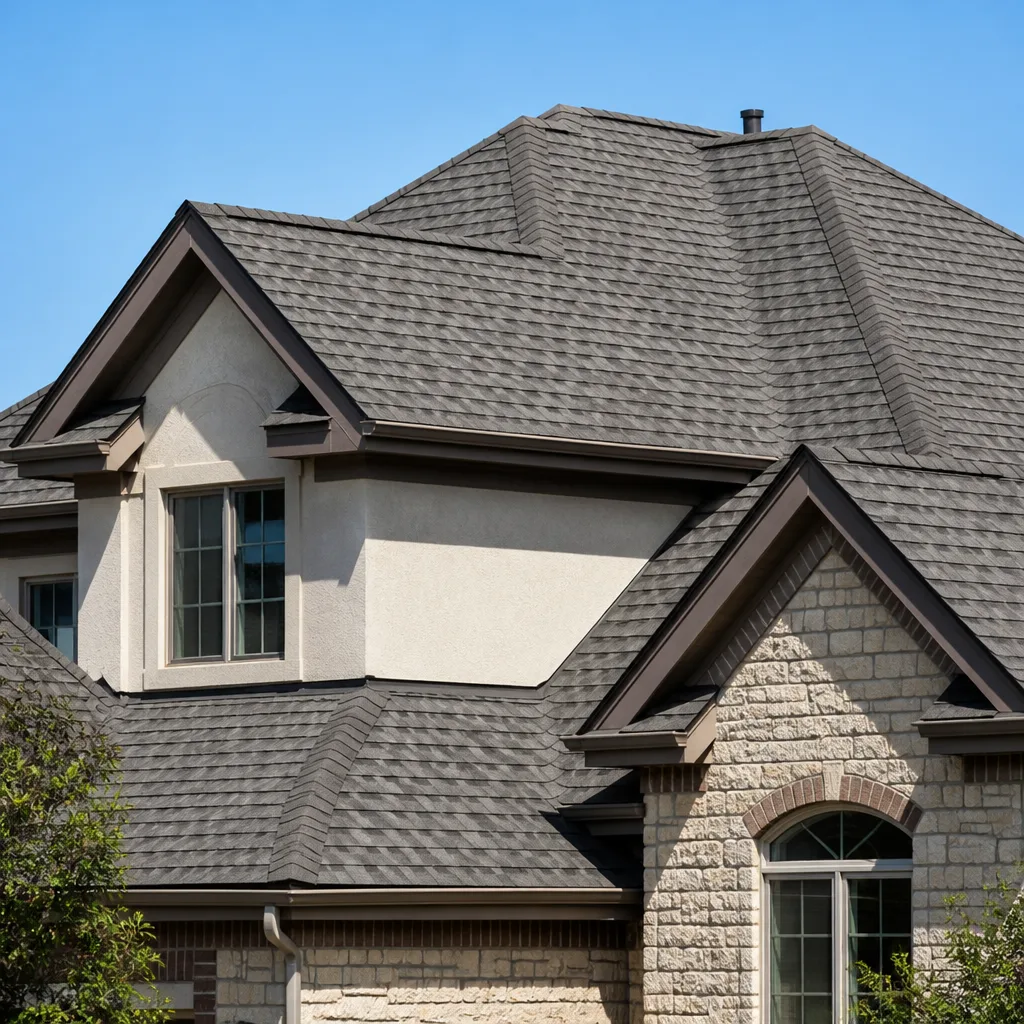
- Roofing: Landmark, Landmark Pro, Presidential Shake, and XT 25 shingles. Landmark Pro is thicker and carries a longer warranty, but it also requires a steeper minimum slope than XT 25. On flat sections common on Thousand Oaks ADUs, XT 25 is often the safer call.
- Insulation: CertainTeed fiberglass batts (R-13, R-19, R-30) and blow-in products. Thousand Oaks falls in climate zone 3B, which drives the R-value requirements on any permitted addition.
- Drywall: CertainTeed’s M2Tech moisture-resistant board. For ADUs with tight bathroom corners, this is our default spec.
OEM versus aftermarket: for siding and roofing, we recommend OEM CertainTeed. The color matching alone is worth it on an addition that ties into an existing structure, and aftermarket color lots rarely match a five-year-old wall. For drywall and basic framing lumber, generic equivalents are fine, and we’ll tell you when saving money makes sense.
Styles & brands we work with
Signs Your CertainTeed Home Additions & ADU Is Failing
- Cracked or warped siding panels. Thousand Oaks sees wild temperature swings from Santa Ana heat to coastal fog. CertainTeed vinyl expands and contracts, and if the original installer nailed it too tight, panels buckle at the seams within a few seasons.
- Water staining on interior ceilings or walls. Often points to failed CertainTeed roofing underlayment or compromised flashing at the roof-to-wall intersection where an addition meets the original structure. That seam is the most common failure point on Thousand Oaks additions.
- Higher energy bills without a change in usage. Batt insulation settles over time, and blown-in CertainTeed insulation can compact in attic spaces. We’ve opened up Thousand Oaks attics where the R-30 had packed down to R-19 or worse.
- Mold or musty smell in tight corners. Standard drywall wicks moisture at the base. If the original build used regular board instead of M2Tech in a bathroom or laundry corner, you’ll smell it before you see it.
- Shingle granules in gutters after every rain. Southern California sun breaks down asphalt shingle surfaces faster than the warranty suggests. CertainTeed Landmark shingles in direct sun often show granule loss by year 12 in Thousand Oaks. Not a defect, just reality.
See the difference
 Before
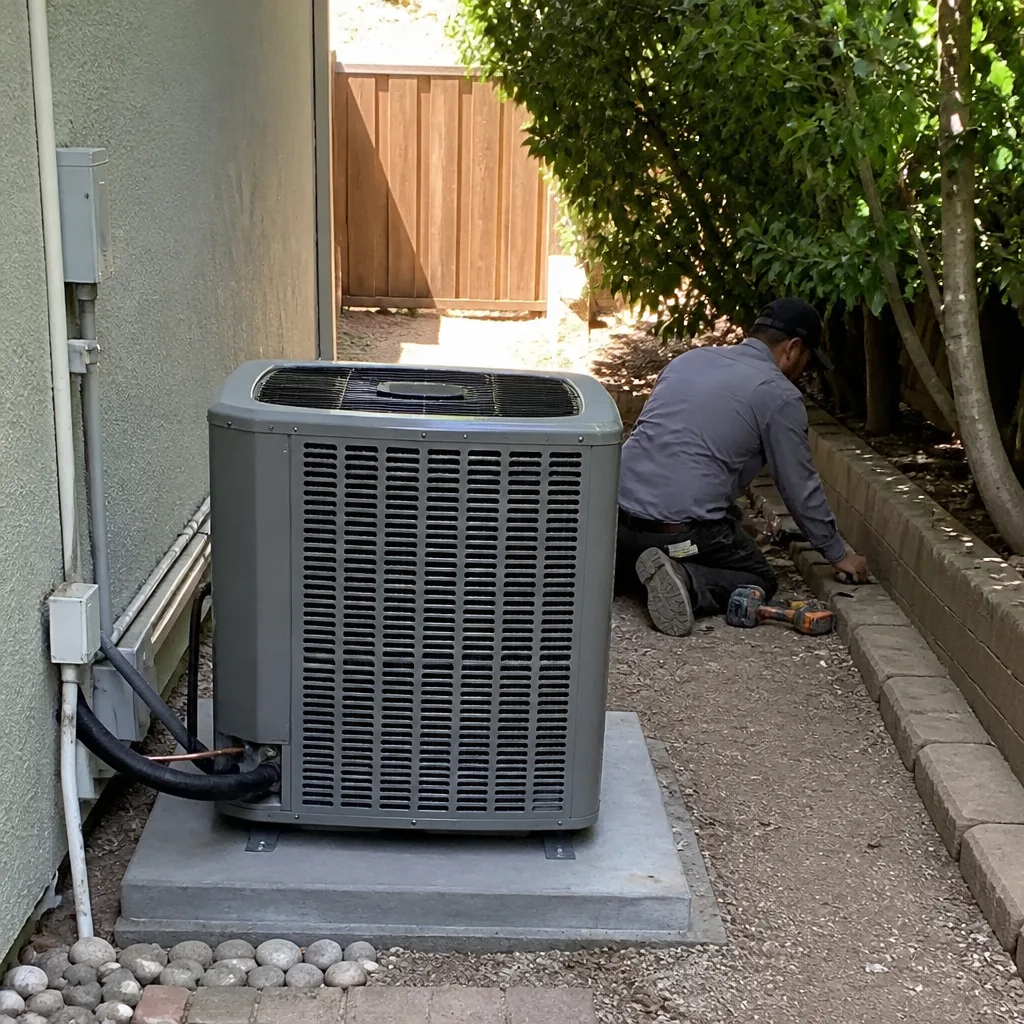 After
After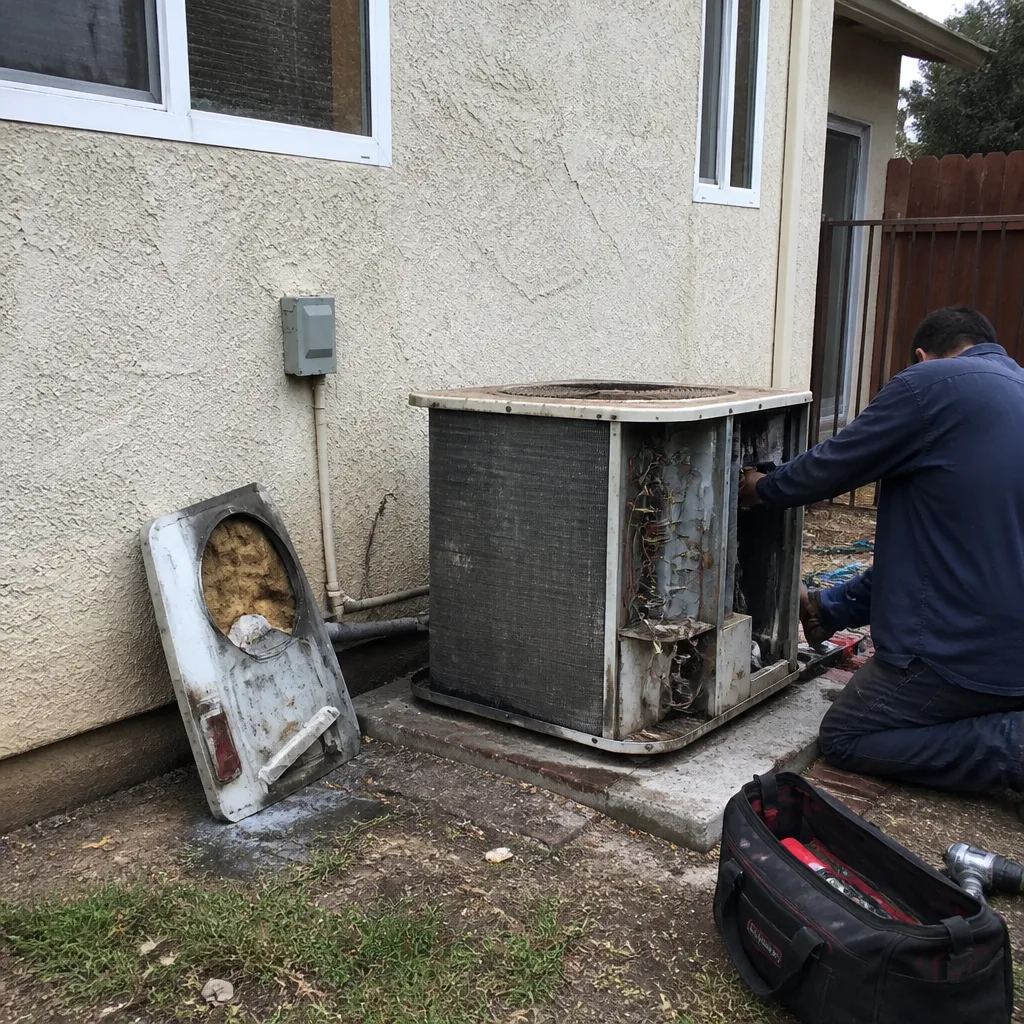 Before
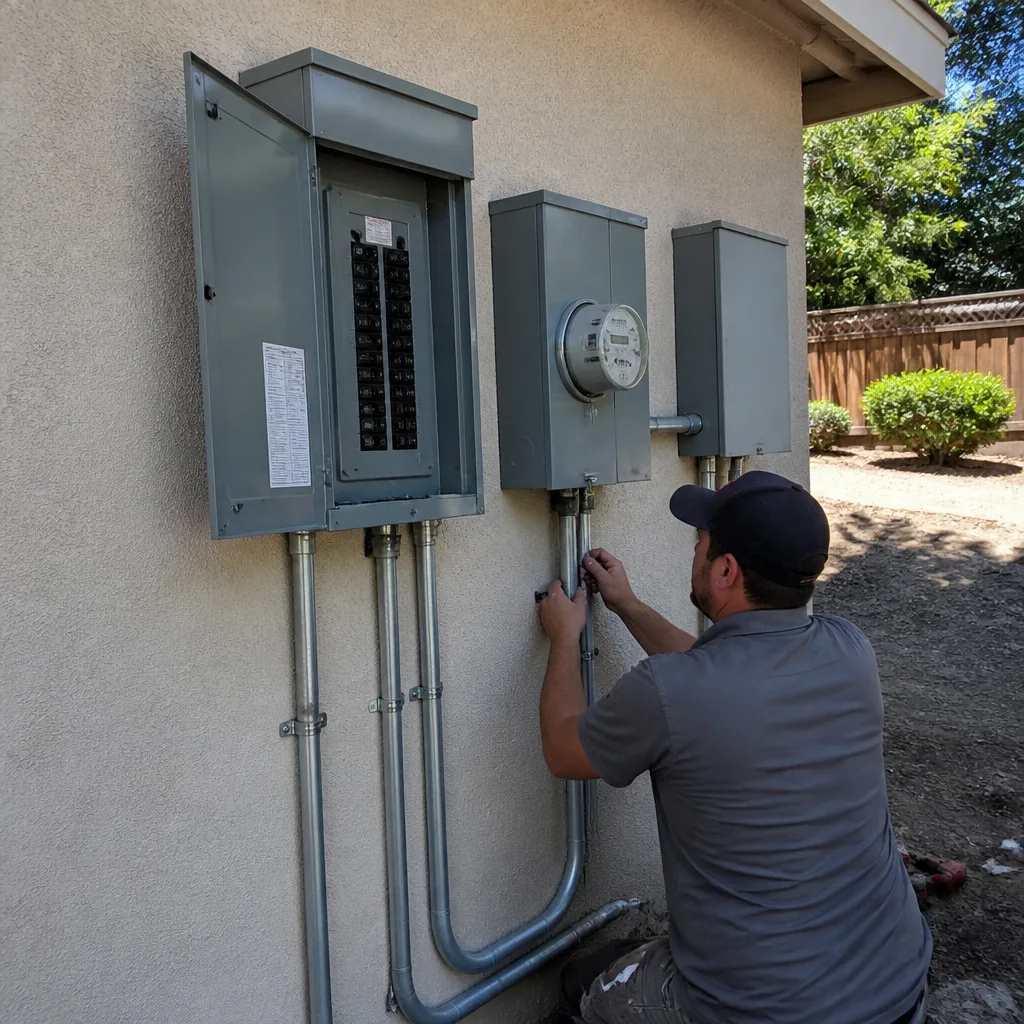 After
After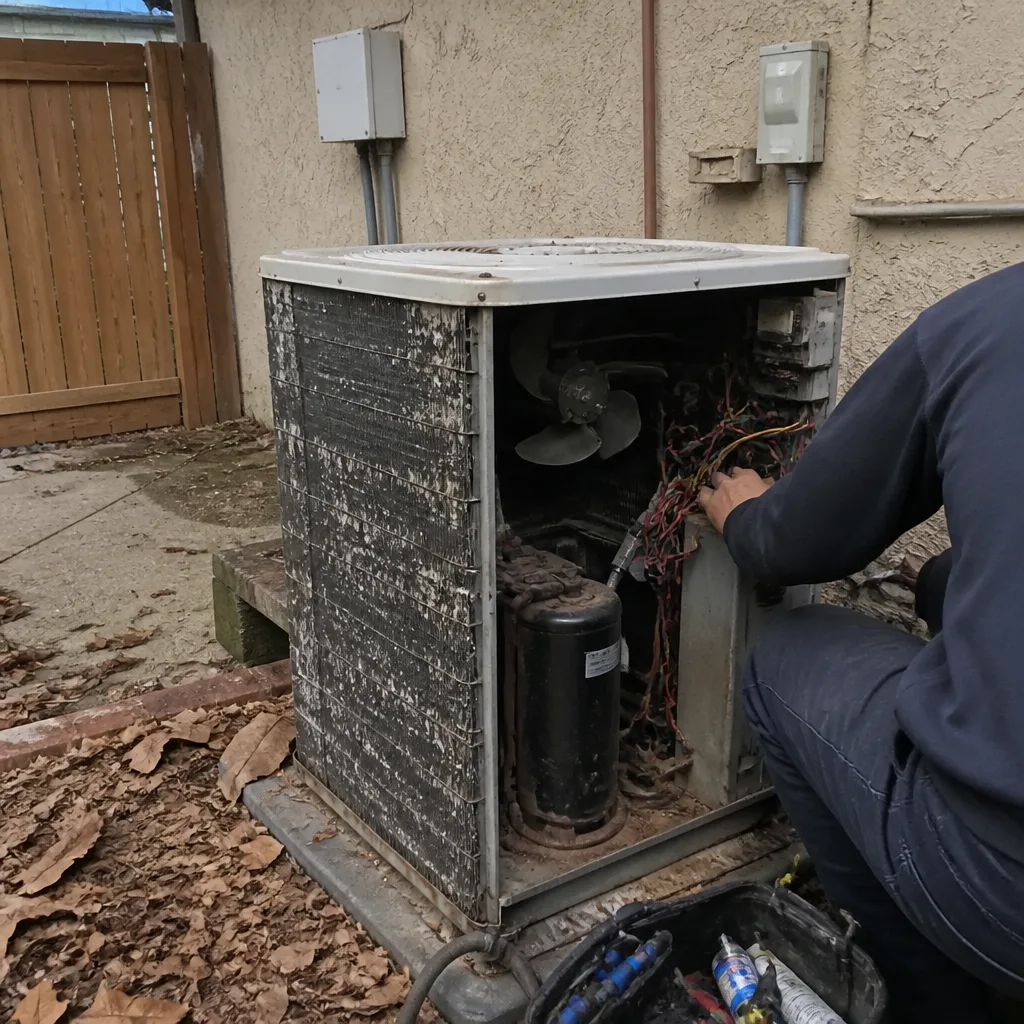 Before
 After
AfterReplacement Cost & What’s Included
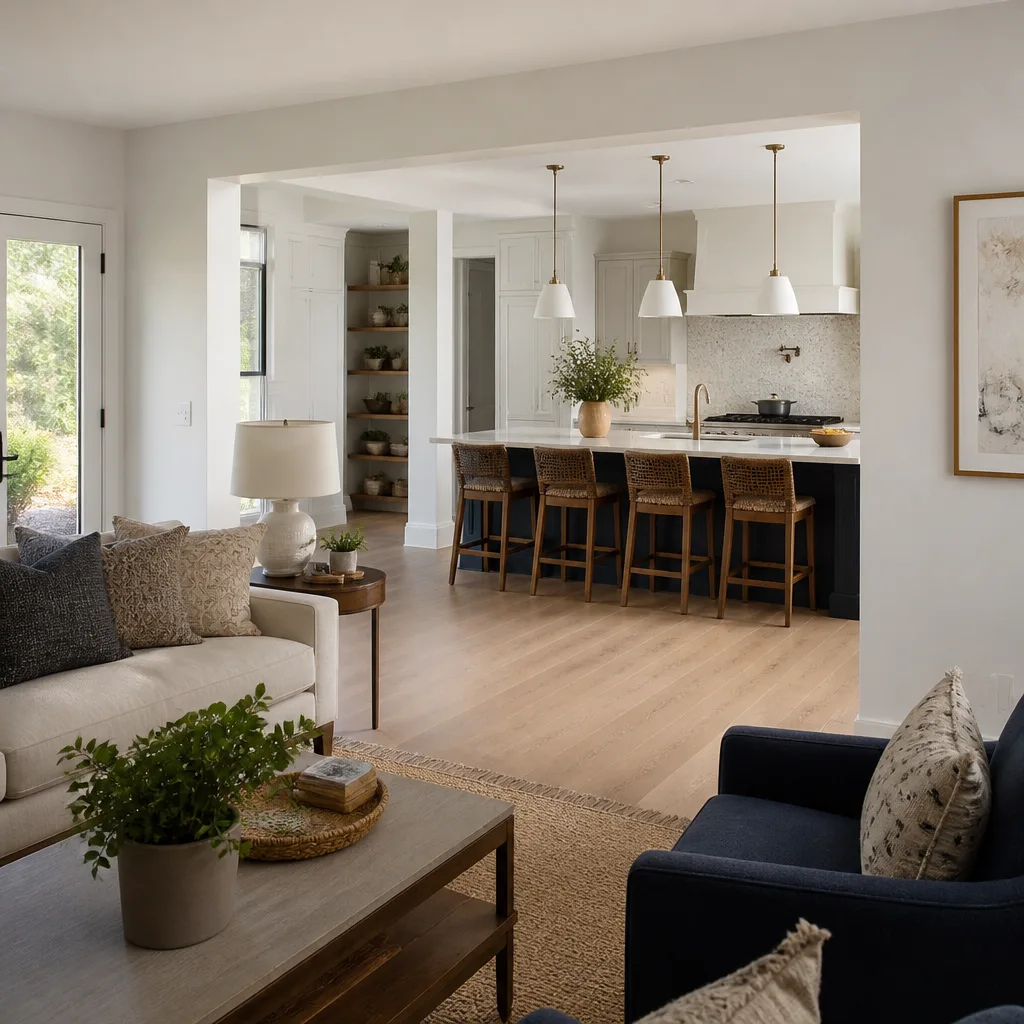
For a home addition in Thousand Oaks using CertainTeed materials, expect $45,000 to $130,000 depending on square footage, site conditions, and whether you’re matching existing siding and roofing. A detached ADU build with CertainTeed products throughout runs $90,000 to $220,000. These ranges include permits, materials, labor, and the written warranty we provide on every project.
What drives the spread:
- Foundation work. Thousand Oaks sits on a mix of clay and sandy loam, and some lots require deeper footings or soil compaction. That can add $8,000 to $25,000 before framing starts.
- Matching existing finishes. Blending new CertainTeed siding into a 10-year-old wall means color-lot matching and sometimes specialty ordering. It costs more than starting fresh.
- Roof tie-ins. A new addition that intersects the existing roofline requires re-flashing, possibly partial re-roofing, and inspection. Figure 10 to 15 percent of the total on top just for the tie-in.
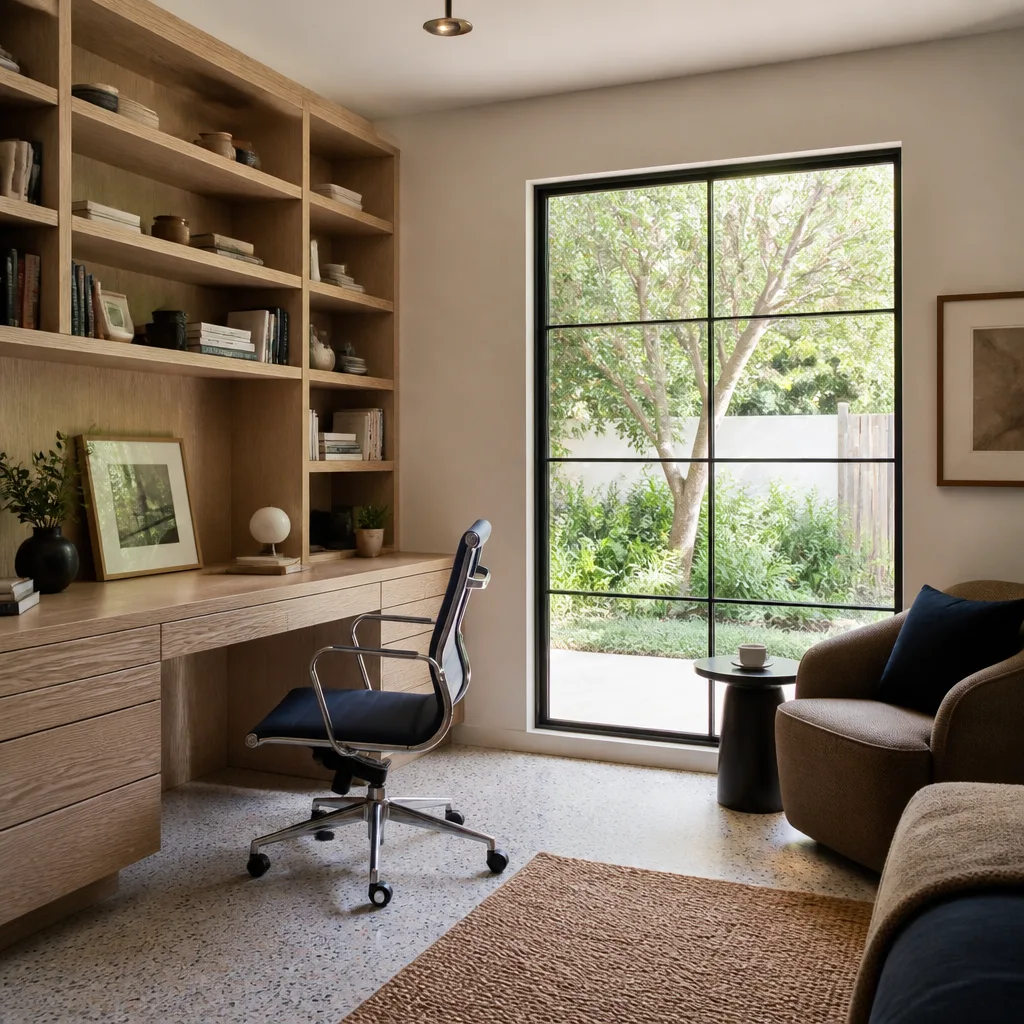
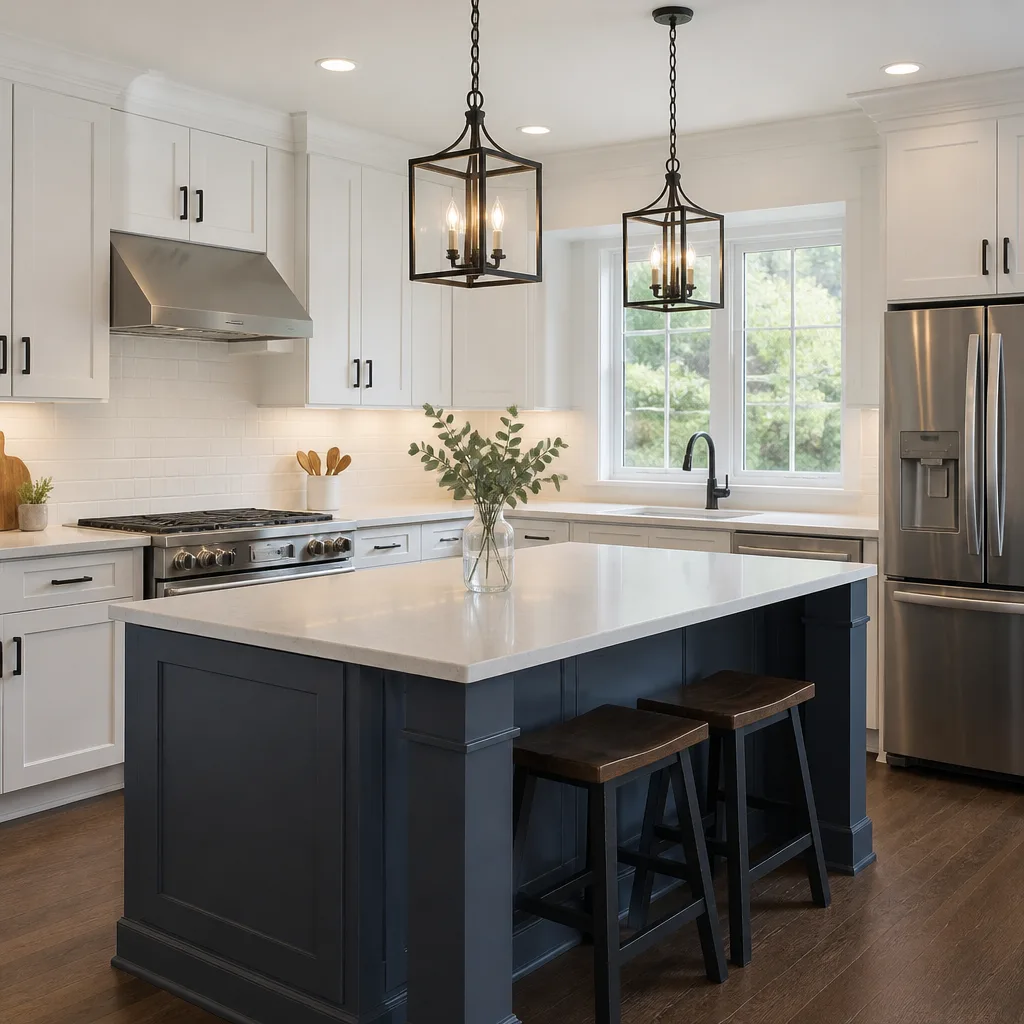
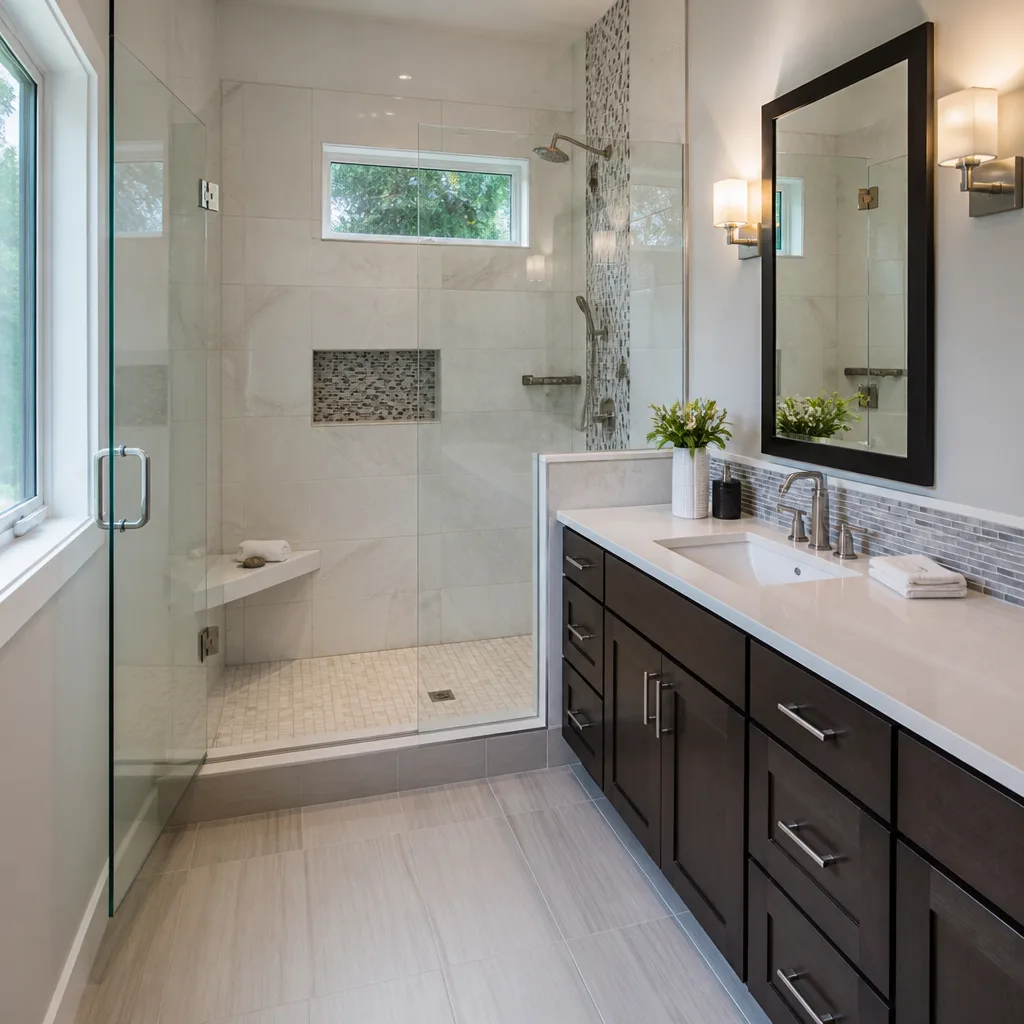
- Interior finish level. A shell addition with drywall and electrical is one price. A finished space with a bath and kitchenette is another tier entirely.
Every quote we write in Thousand Oaks includes a written price before work starts. No change orders, no surprise invoices at the end. If we find something unexpected, we stop and tell you what it costs before touching it.
DIY or Call Us?
Some things on a CertainTeed addition you can handle yourself. Swapping a cracked piece of siding on a ground-level wall is doable if the panel isn’t locked into a second story. Touching up peeling caulk at a window edge is fine. Checking your attic insulation depth with a ruler is smart.
But framing a load-bearing wall, tying a roof into existing structure, or running electrical for an ADU is not a weekend project. We’ve rebuilt three Thousand Oaks additions in the last two years where a homeowner’s DIY framing passed initial inspection but failed when the engineer looked at the plans. The fix cost more than doing it right the first time. If you’re unsure, call (805) 309-3386 and ask. We’ll tell you honestly whether it’s a handyman job or needs a crew.
FAQs
CertainTeed vinyl siding typically lasts 25 to 35 years in the Thousand Oaks climate, while Landmark shingles realistically last 18 to 22 years under direct Ventura County sun. The manufacturer’s warranty is a material warranty, not a weather reality warranty. Call (805) 309-3386 if you want an honest assessment of what you actually have left.
It depends on what failed. Siding panels can be spot-replaced if the color matches. Roofing underlayment failures usually require removing shingles down to the deck. Structural framing issues on a DIY addition often require full reconstruction. We’ll tell you which camp you’re in with a free inspection.
A medium-size addition using CertainTeed products typically takes 10 to 16 weeks from demo to final inspection. A detached ADU runs 4 to 7 months depending on utility connections and Thousand Oaks permit review times. We give you a written timeline before the job starts, and Isaac Pruett calls you back the same day with updates on anything that shifts.
We keep common CertainTeed siding profiles, Landmark shingle bundles, insulation batts, and M2Tech drywall in our Thousand Oaks shop for fast starts. Specialty colors and profiles are ordered direct from CertainTeed distribution and usually arrive within a week. Call (805) 309-3386 and we’ll check stock while you’re on the phone.
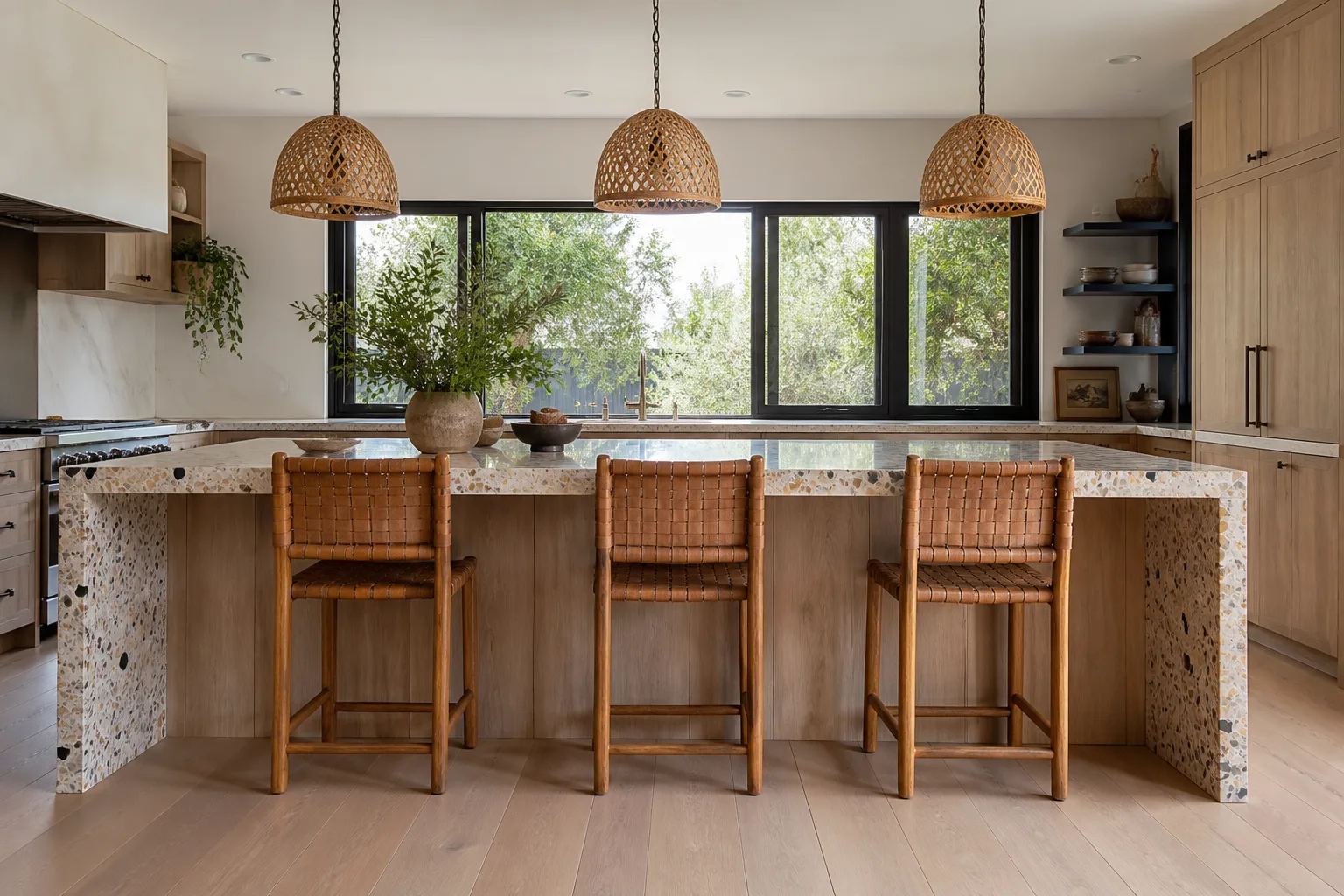
We also work with KraftMaid, Cambria, and Silestone on addition interiors and kitchen finishes, so whatever the project needs, we source it from names we’ve installed for years. Tell me what you need done. We’ll tell you what it costs and how long it takes – then we’ll do exactly that. Call (805) 309-3386 for a free estimate on your Thousand Oaks home addition or ADU.
Written by Isaac Pruett, Owner, Mason Remodeling Co – Thousand Oaks, CA at Mason Remodeling Co Thousand Oaks, serving Thousand Oaks and nearby areas.