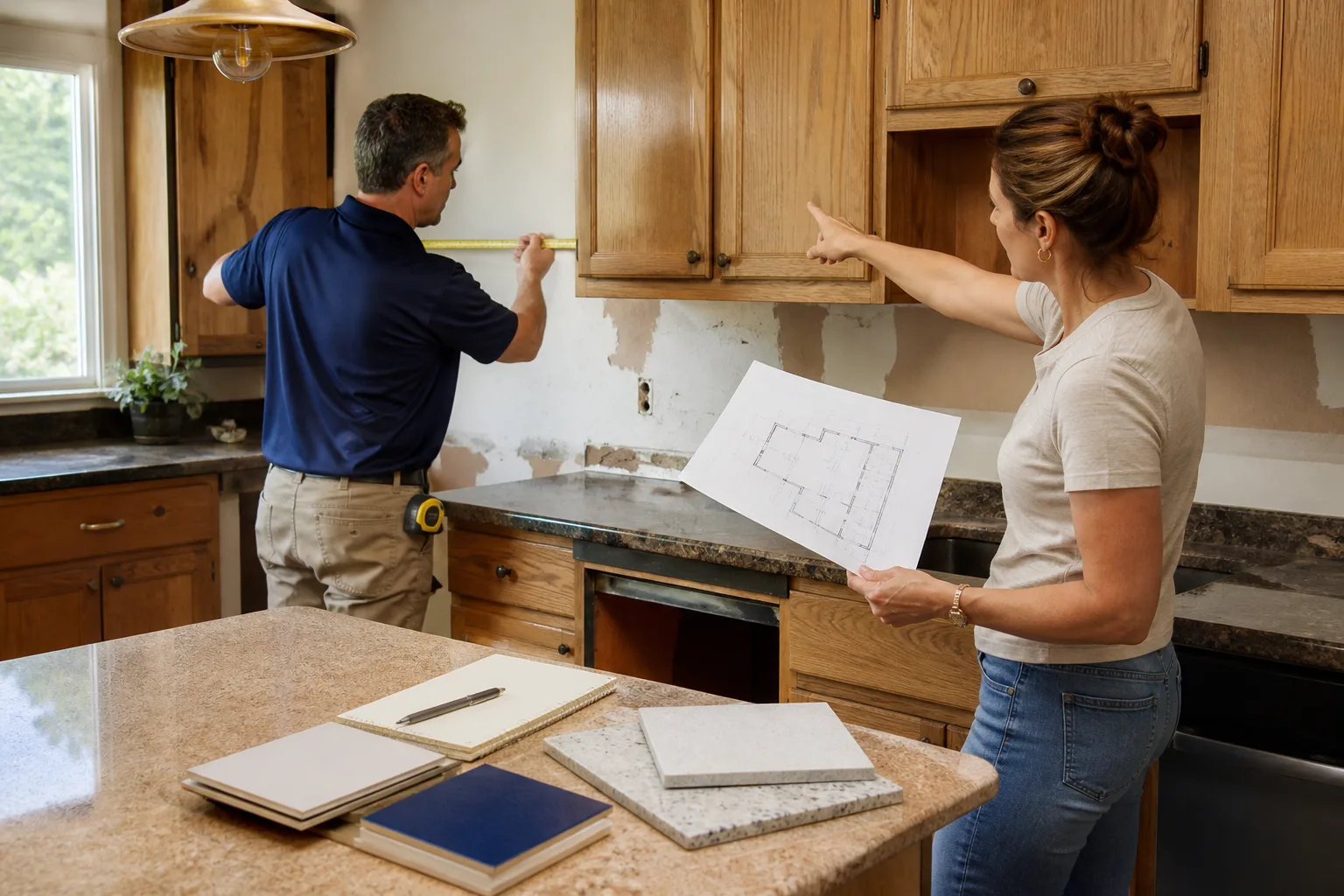
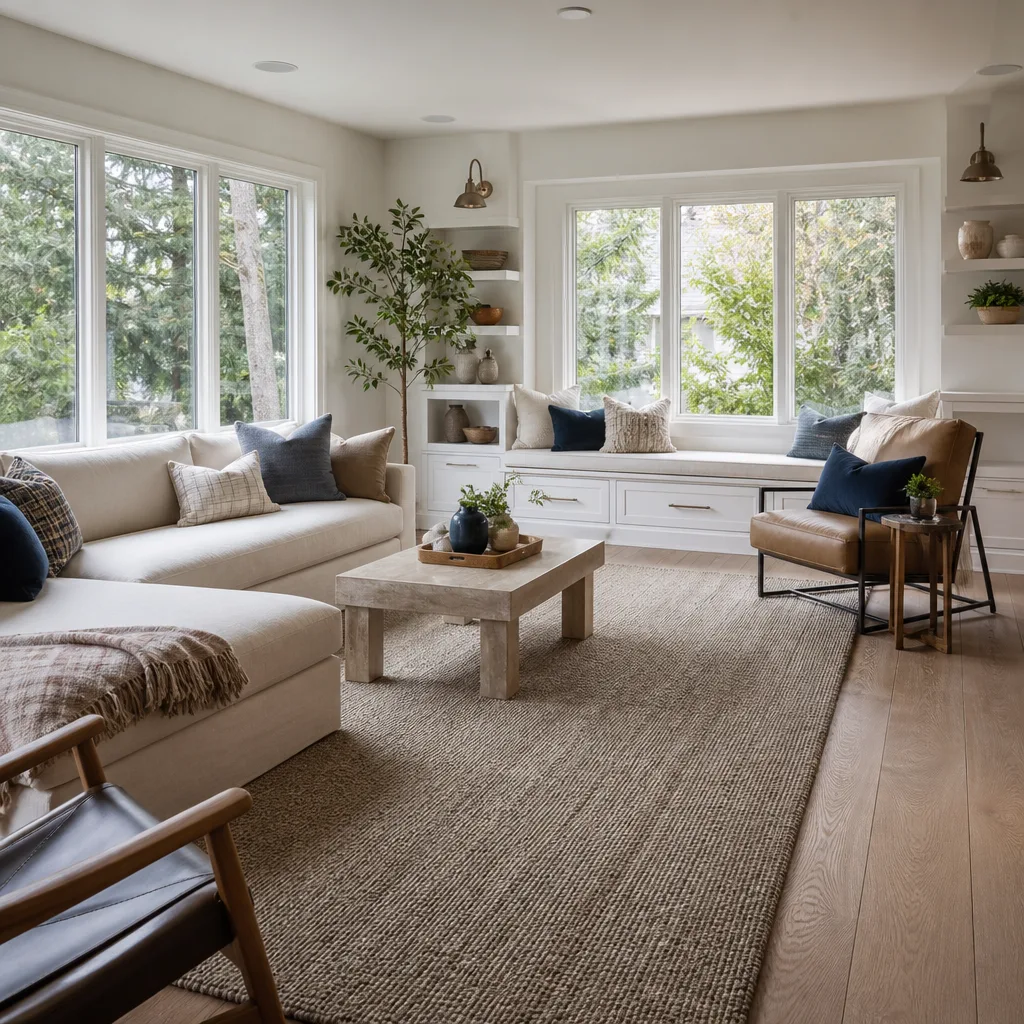
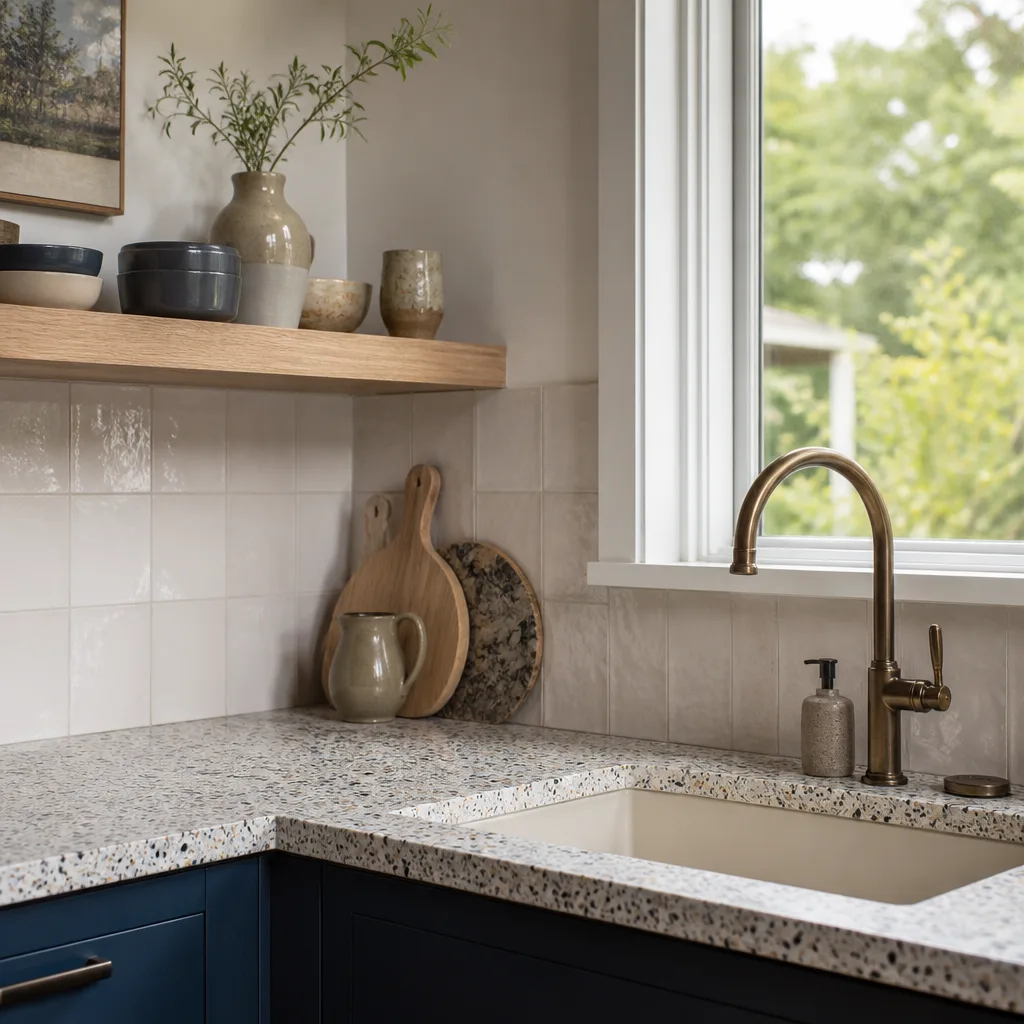
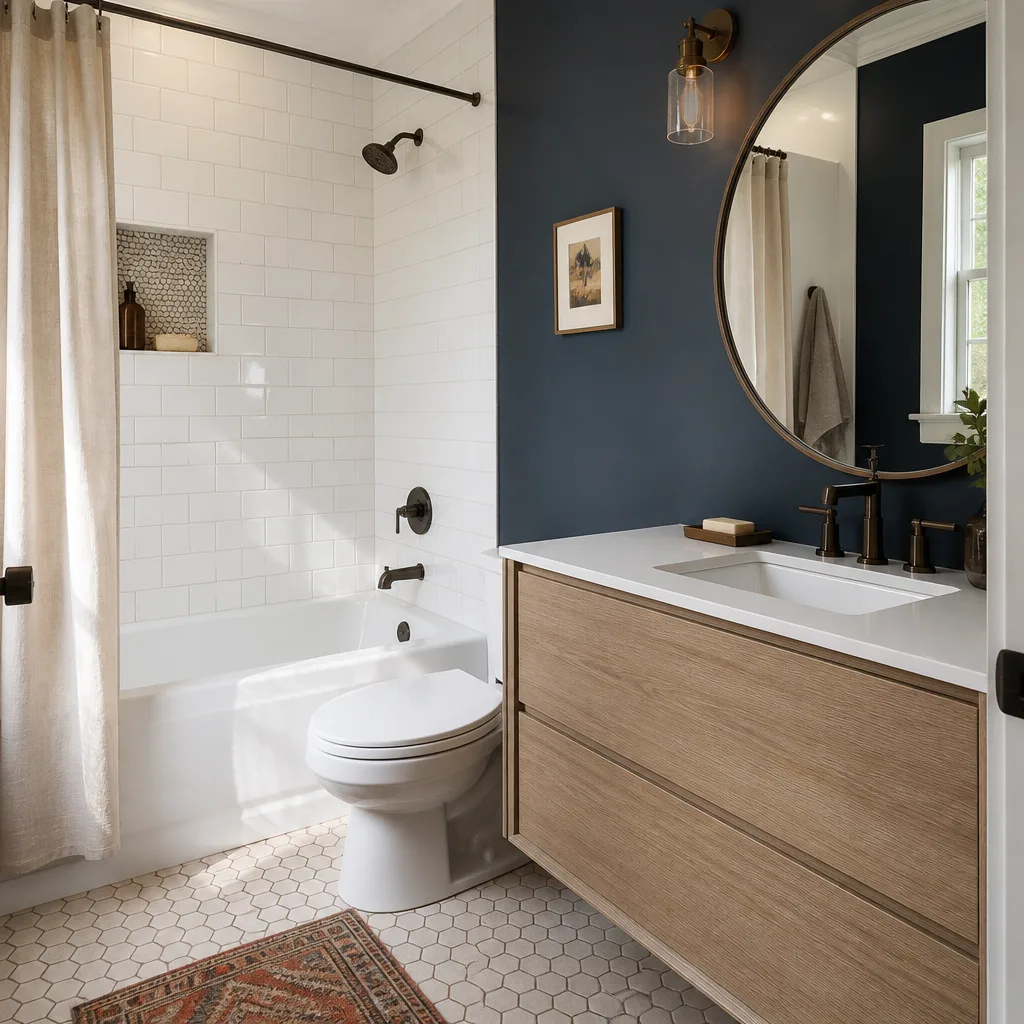
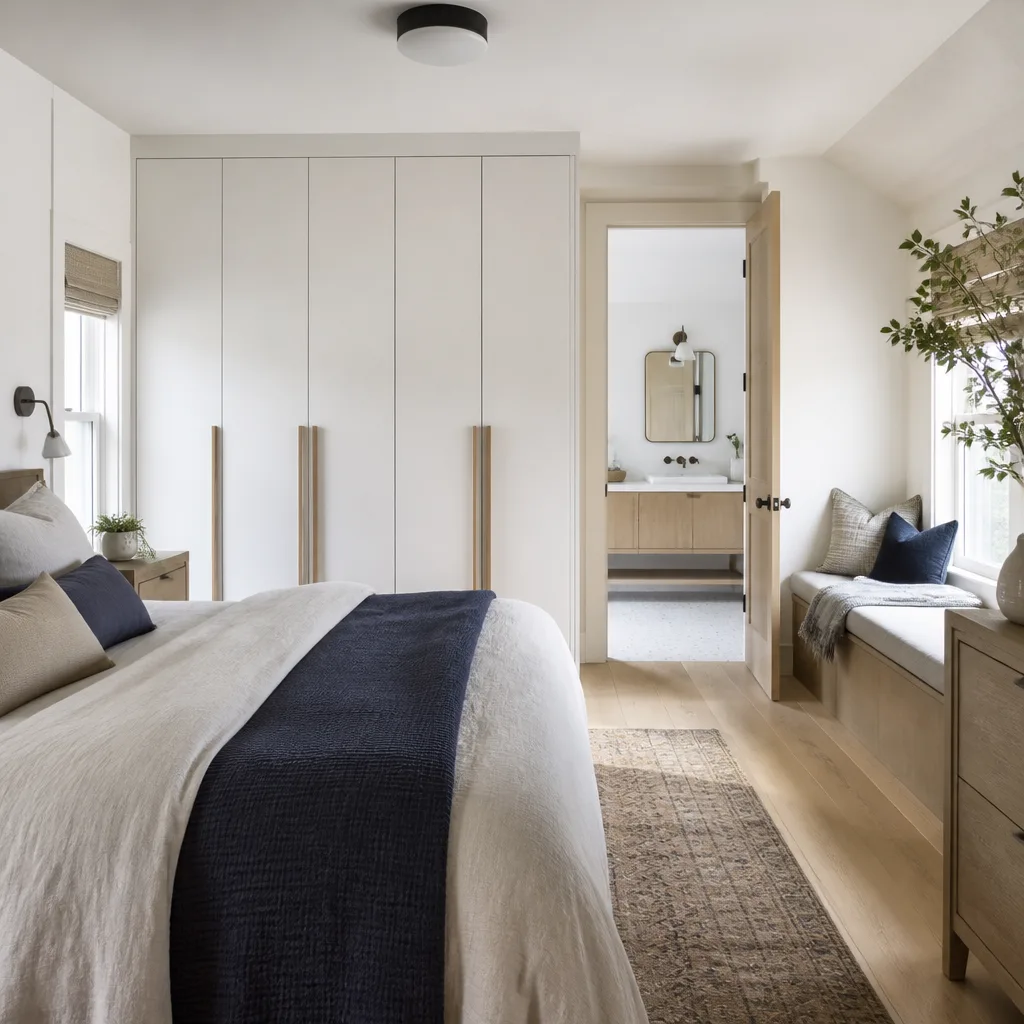
Free written scope consultation - allowances, timeline, and change-order rules on paper before a single trade is scheduled
Atlas Home Additions & ADU: The Thousand Oaks Owner’s Guide
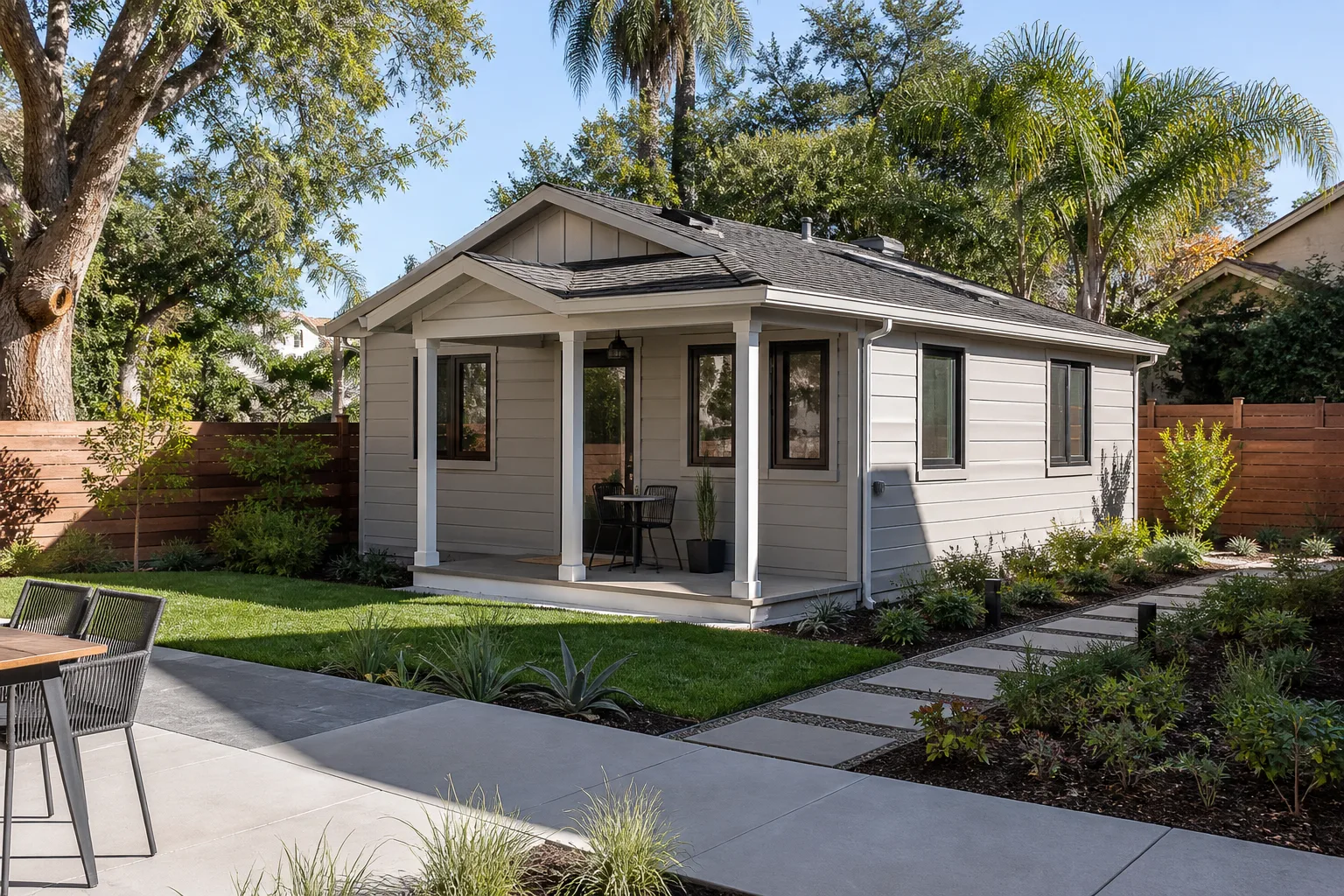
We plan and build Atlas-compatible home additions and ADUs throughout Thousand Oaks, with full-project pricing that typically lands between $45,000 and $130,000 for additions, and $90,000 to $220,000 for a complete ADU. Most Thousand Oaks homeowners reach out after one specific moment: a failed permit review, a foundation quote that spiraled, or a previous contractor who left the project half-framed. What they need is not another vague estimate, but a written price, a named crew, and a clear schedule before a single tool touches the property.
We are an independent design-build contractor serving Thousand Oaks and nearby Ventura County neighborhoods. We are not affiliated with Atlas, but we work with Atlas products and systems every week, and we know where these projects go wrong before they start.
Which Atlas Models This Applies To
When Thousand Oaks homeowners mention “Atlas” in the context of an addition or ADU, they are usually referring to one of three things: Atlas precast foundation systems, Atlas steel framing components, or Atlas exterior panel and insulation products used in the walls and roofline. The compatibility question matters because these are not interchangeable across every floor plan or hillside lot.
The single most important identifier is the lot’s soil report and the structural plan set. Atlas foundation panels are engineered for specific seismic zones, and Thousand Oaks sits across shifting soil bands between the Conejo Valley floor and the steeper grades near North Ranch and Lang Ranch. If the original plans call for an Atlas series 4 panel and a contractor substitutes a generic stem wall, the city of Thousand Oaks will flag it during plan check. We verify the stamped plan set, match the Atlas series number to the structural drawings, and only then price the build.
For the interior, Atlas wall panels come in 4-inch, 6-inch, and 8-inch thicknesses. The 6-inch panel is the most common for ADUs in Thousand Oaks because it meets Title 24 insulation requirements without a second interior furring wall. Aftermarket equivalents exist, but we have seen too many fail the city’s energy compliance inspection because the R-value documentation was incomplete. On load-bearing walls, we recommend staying with stamped OEM or spec-equivalent panels that carry the same ICC-ES report number as the plan set. It keeps permitting clean.
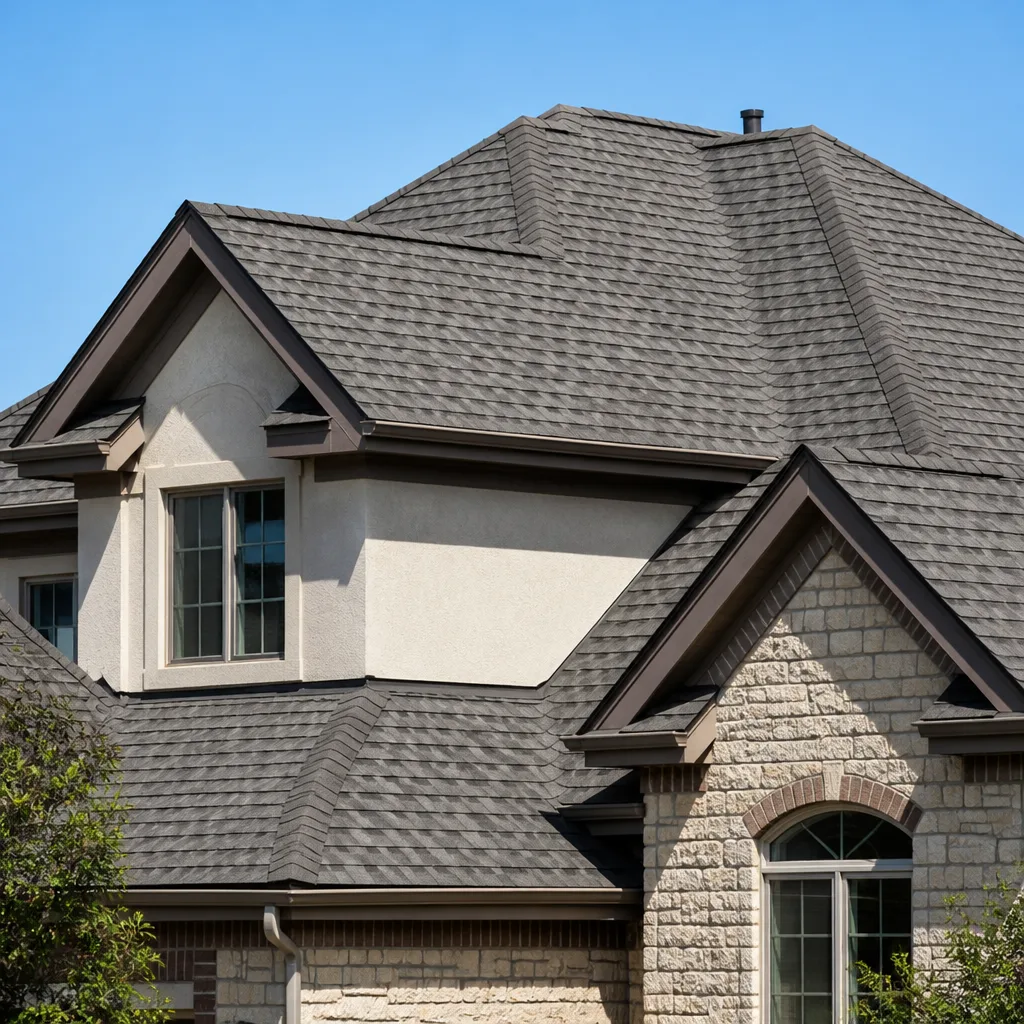
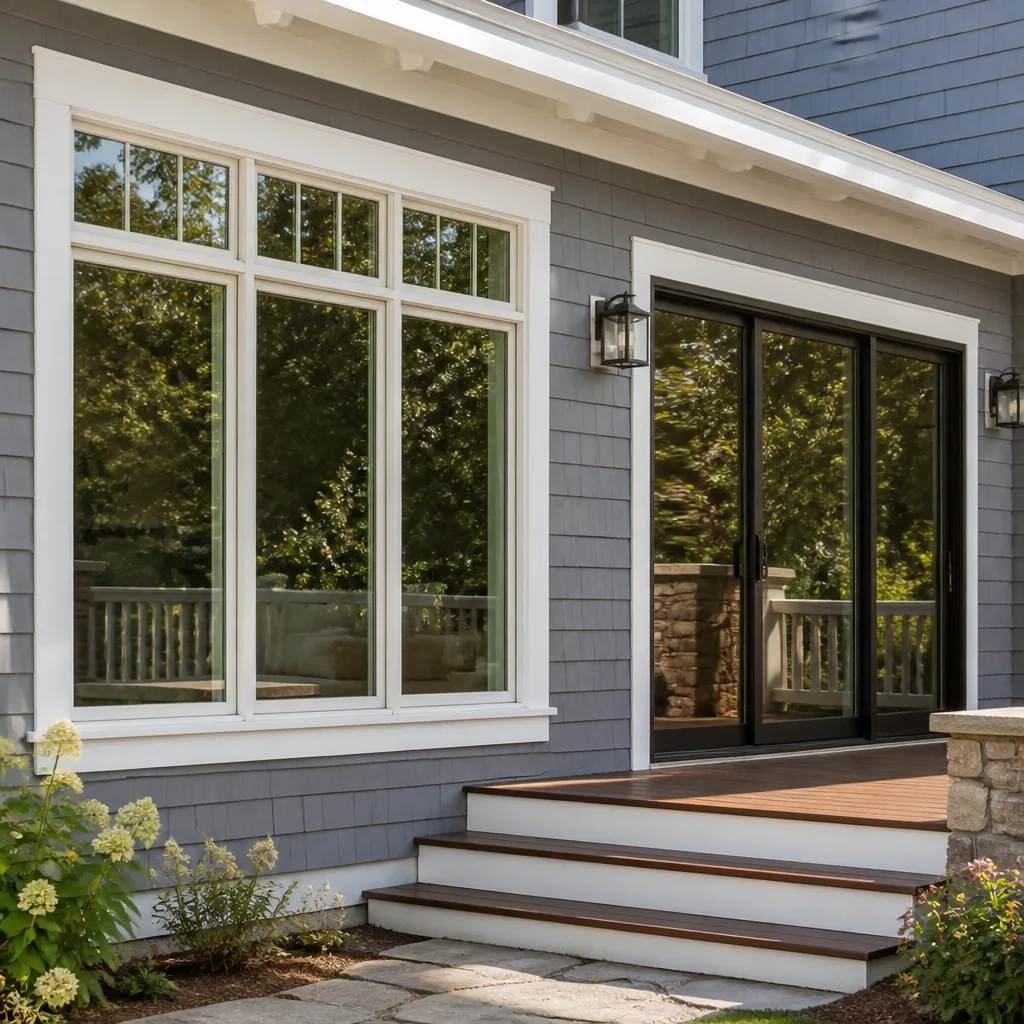
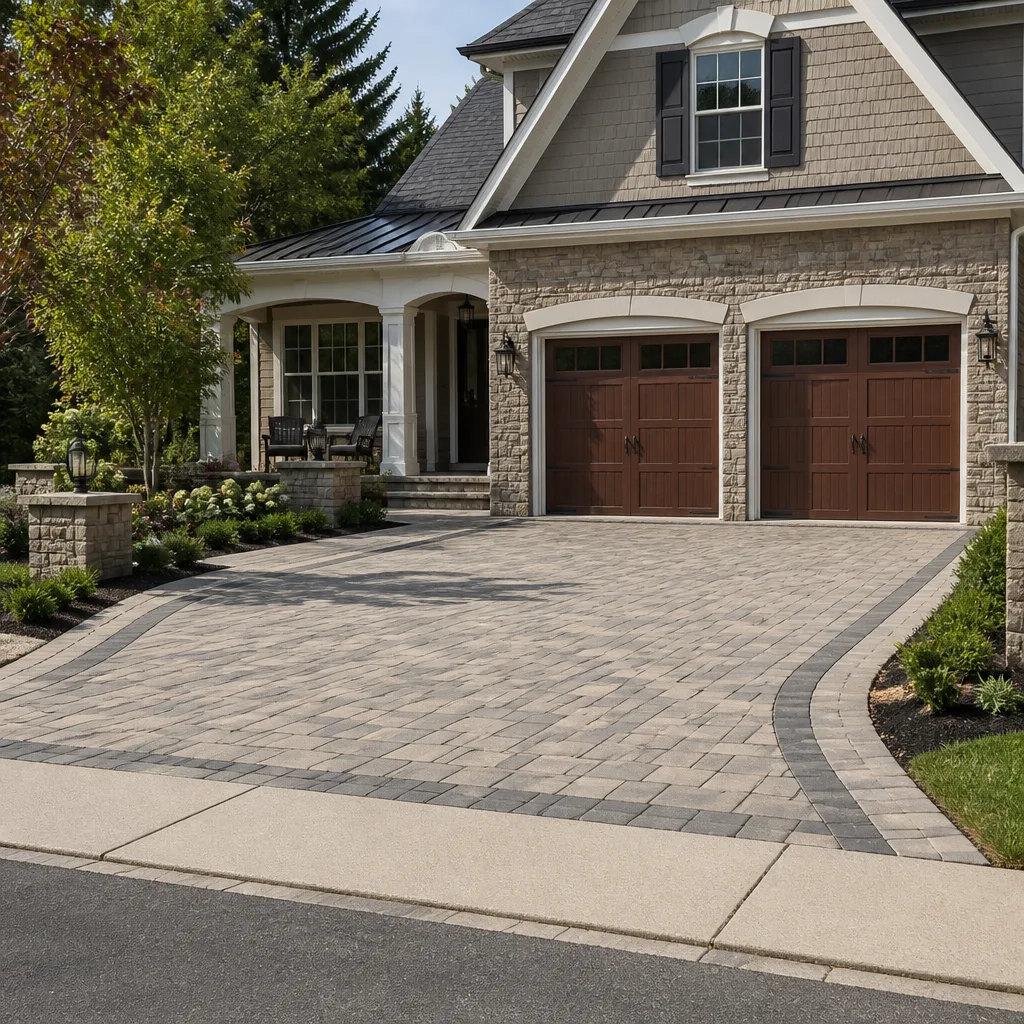
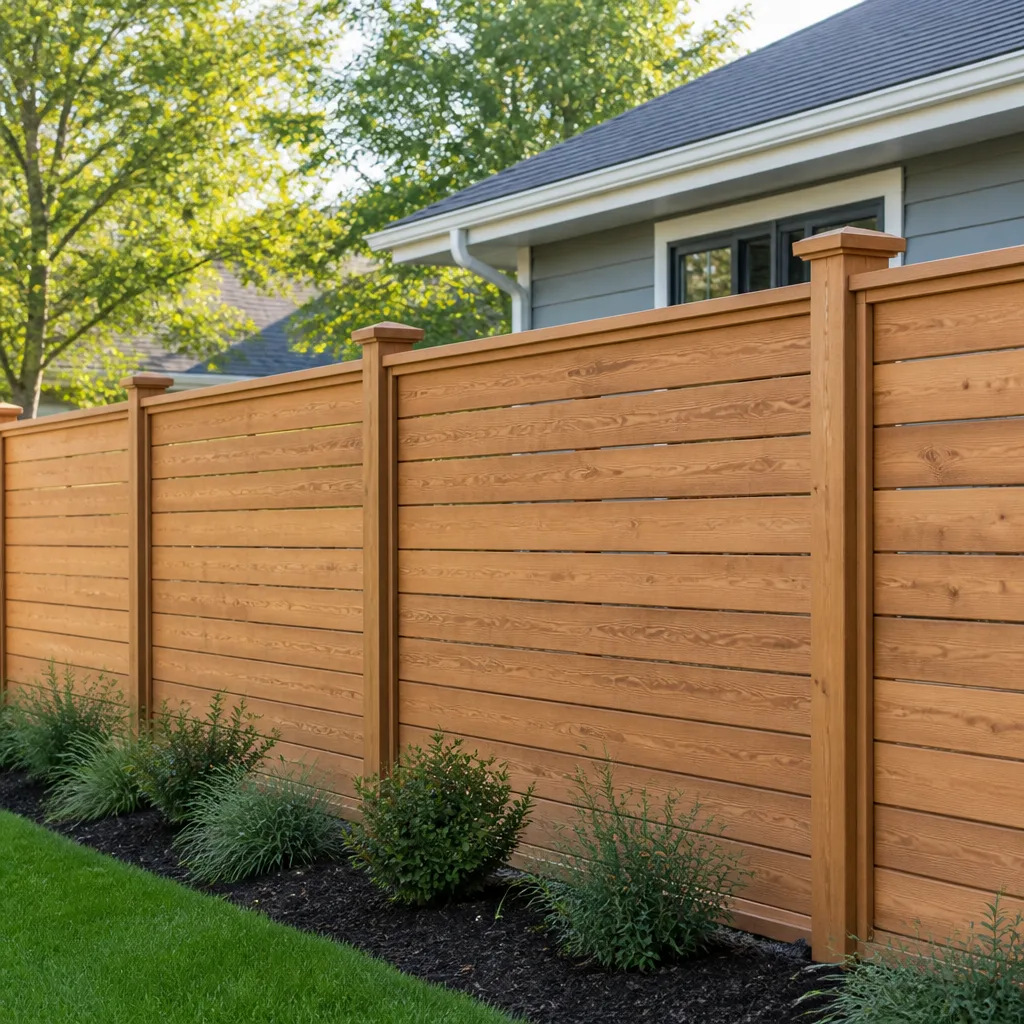
Styles & brands we work with
Signs Your Atlas Home Additions & ADU Is Failing
- Hairline cracking at panel seams. This usually means the foundation shifted slightly or the panel was set without the required expansion gap. In Thousand Oaks, summer heat expands panel edges; winter moisture does the rest. The fix is rarely the panel itself. It is the connection detail beneath it.
- Doors and windows that stick or bind. If a completed Atlas-structured room suddenly has doors that rub, the header or the panel above it has moved. We check the anchor bolt torque and the shear wall schedule before assuming anything is wrong with the door itself.
- Condensation or damp drywall along the lower third of interior walls. Atlas exterior panels perform well, but if the sill flashing was skipped or the weep screed was buried in stucco, moisture wicks up. Thousand Oaks gets more fog and marine layer than people expect, especially in the western parts of the city.
- Floor bounce or soft spots in a second-story addition. Atlas steel joists deflect less than wood, but the connection to the existing ledger matters more than the joist brand. A loose ledger bolt pattern reads as bounce. We have opened floors near Newbury Park and found exactly that.
- Visible rust staining at panel fasteners. Atlas panels use coated fasteners from the factory. Rust staining means someone substituted an off-the-shelf screw that does not carry the same corrosion rating. In Thousand Oaks, with our dry-to-damp cycles, that will only accelerate.
See the difference
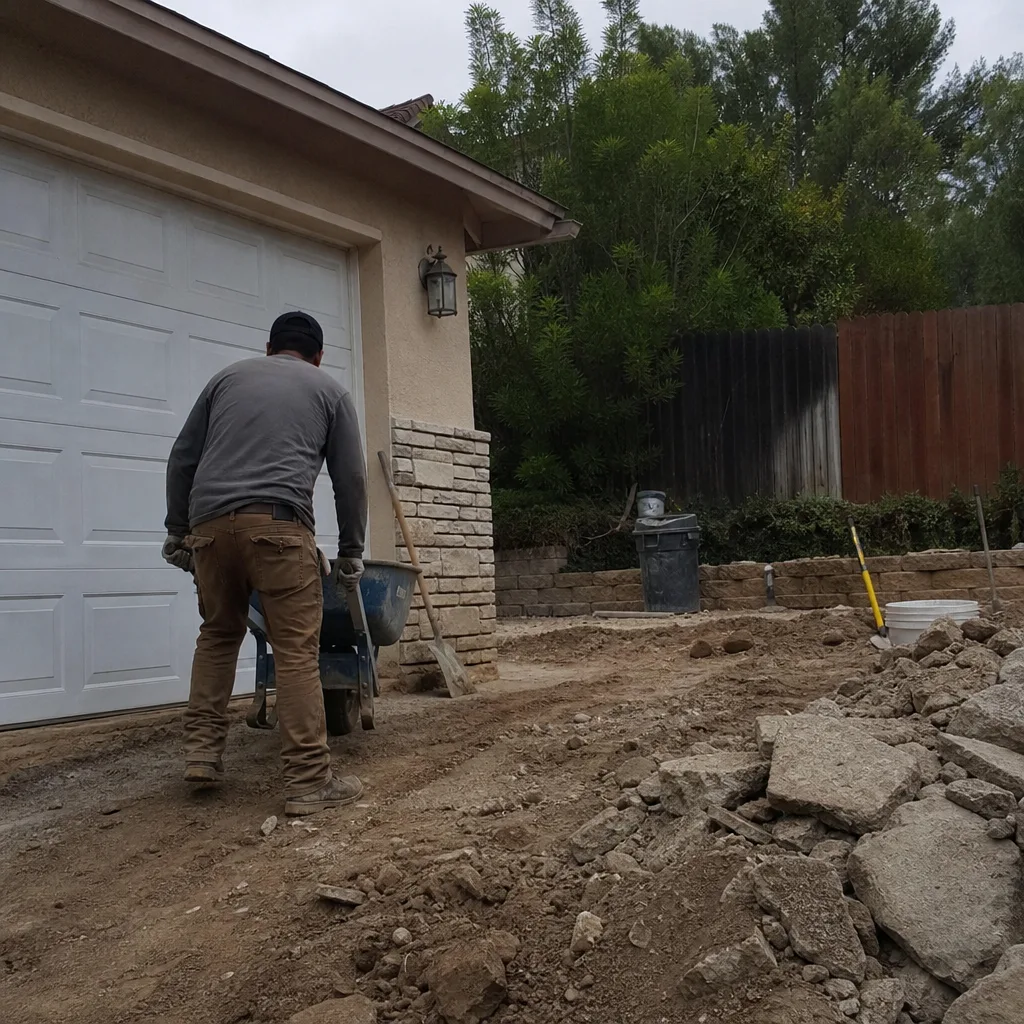 Before
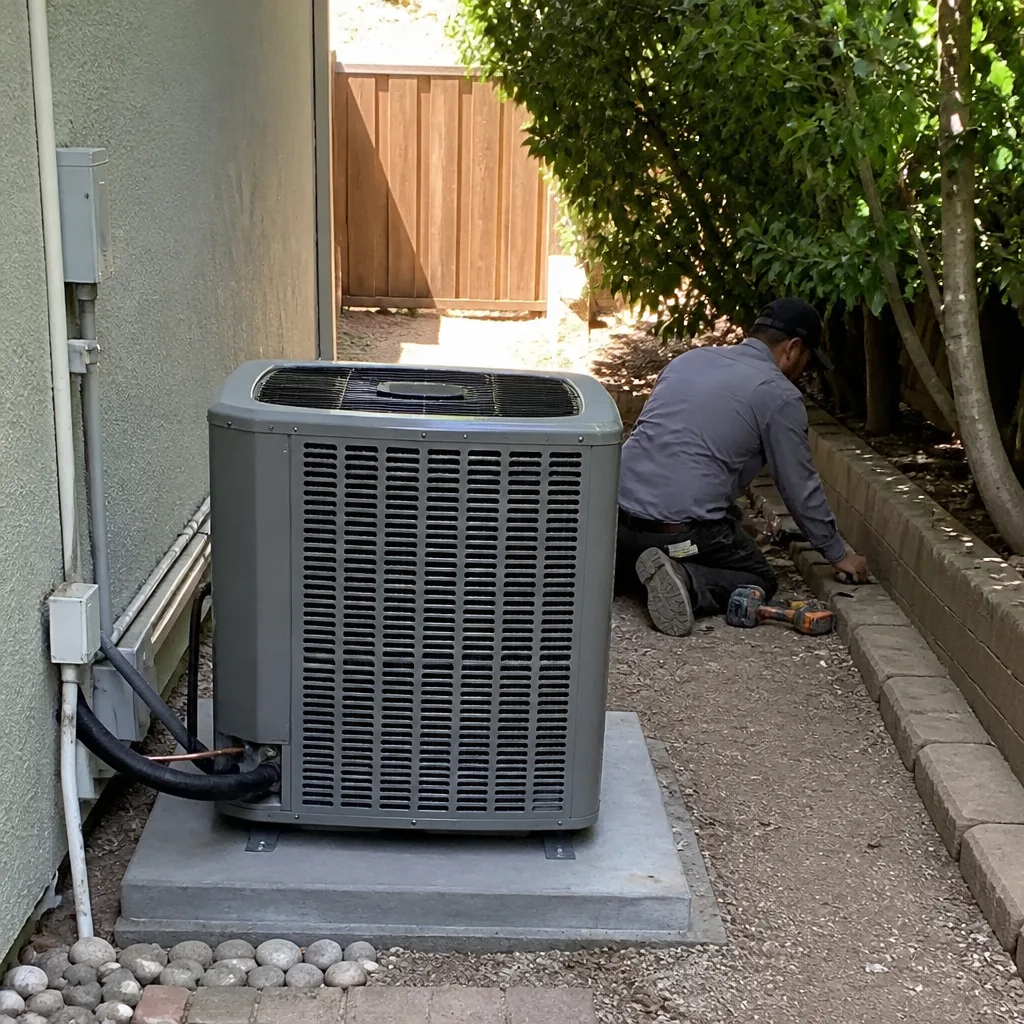 After
After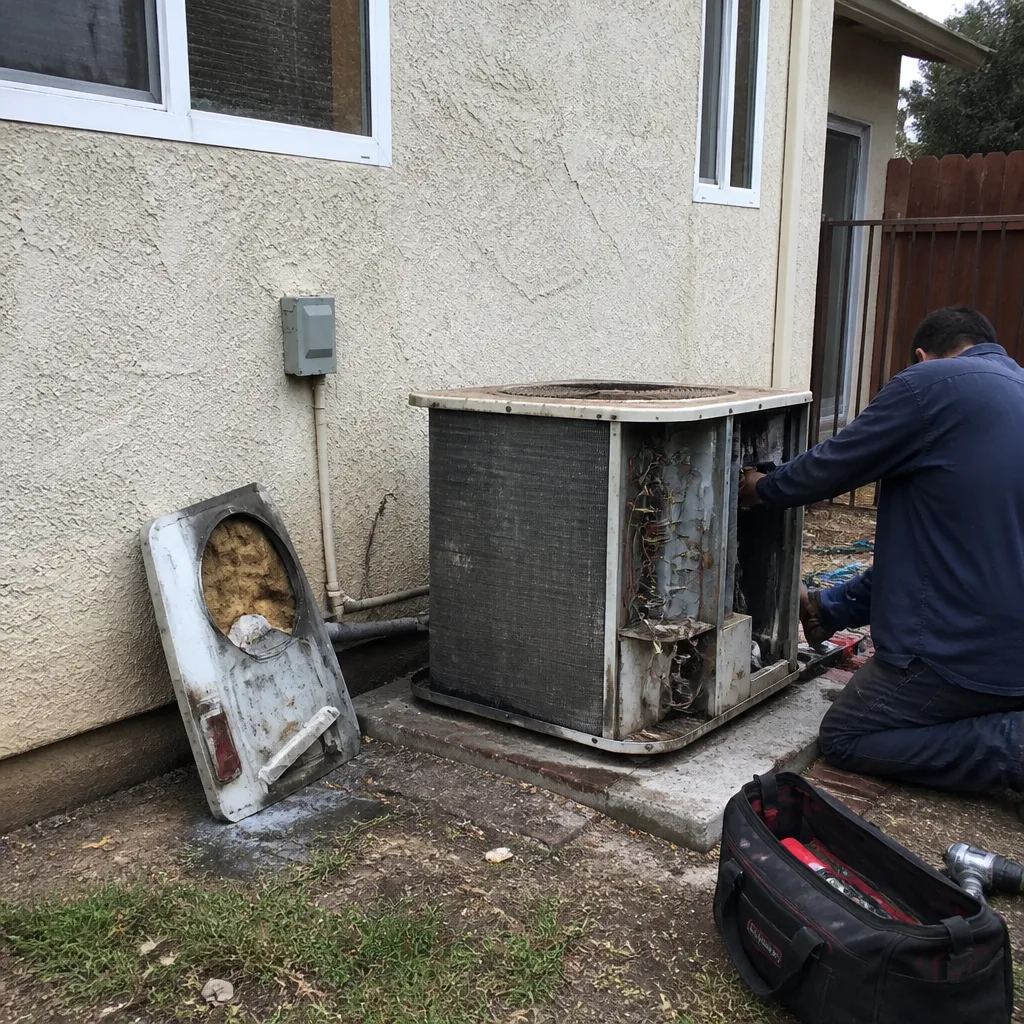 Before
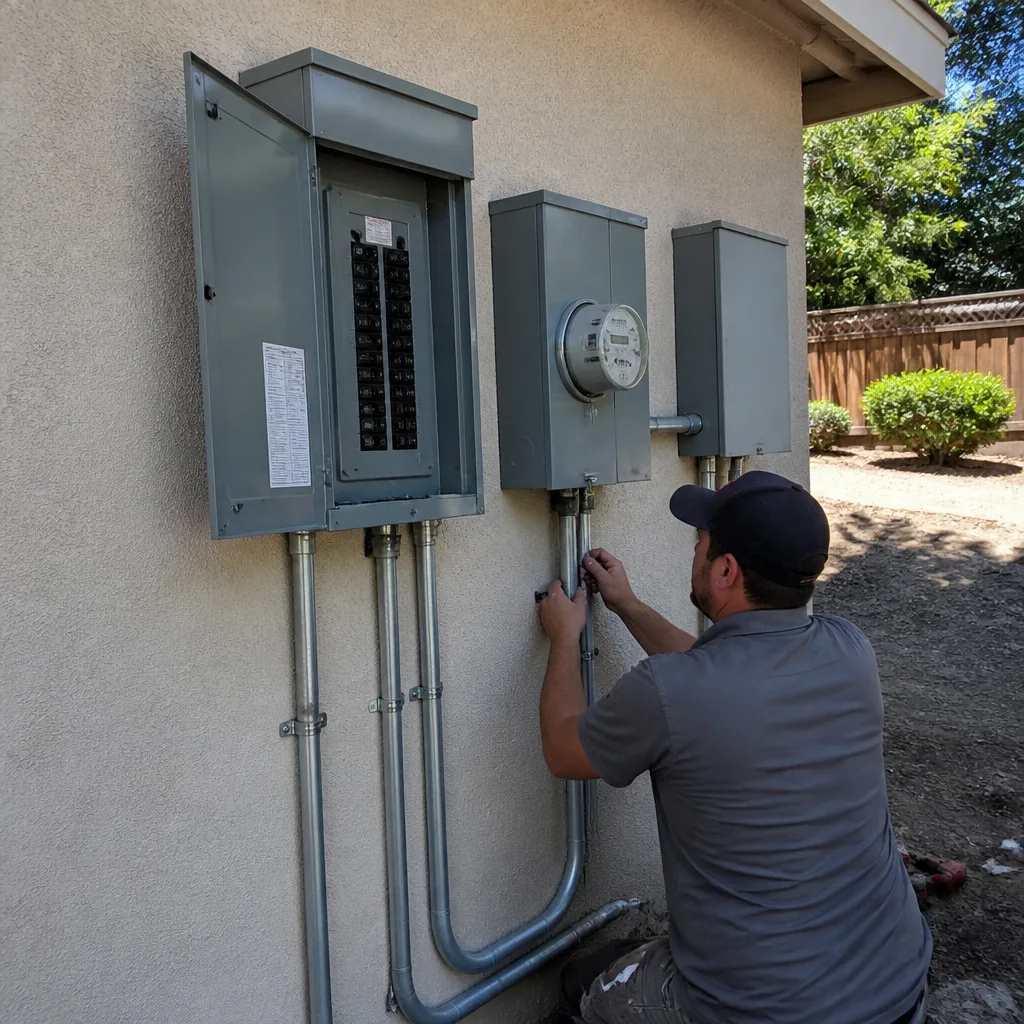 After
After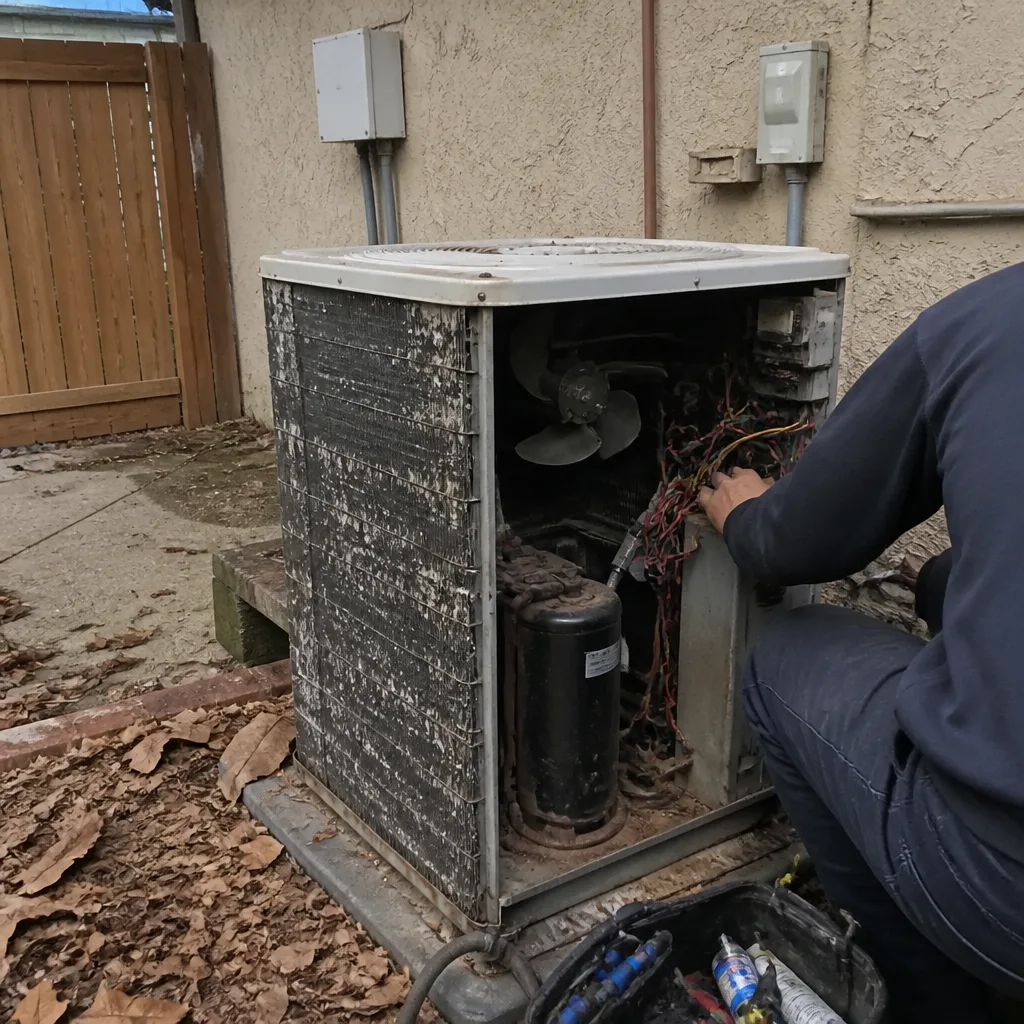 Before
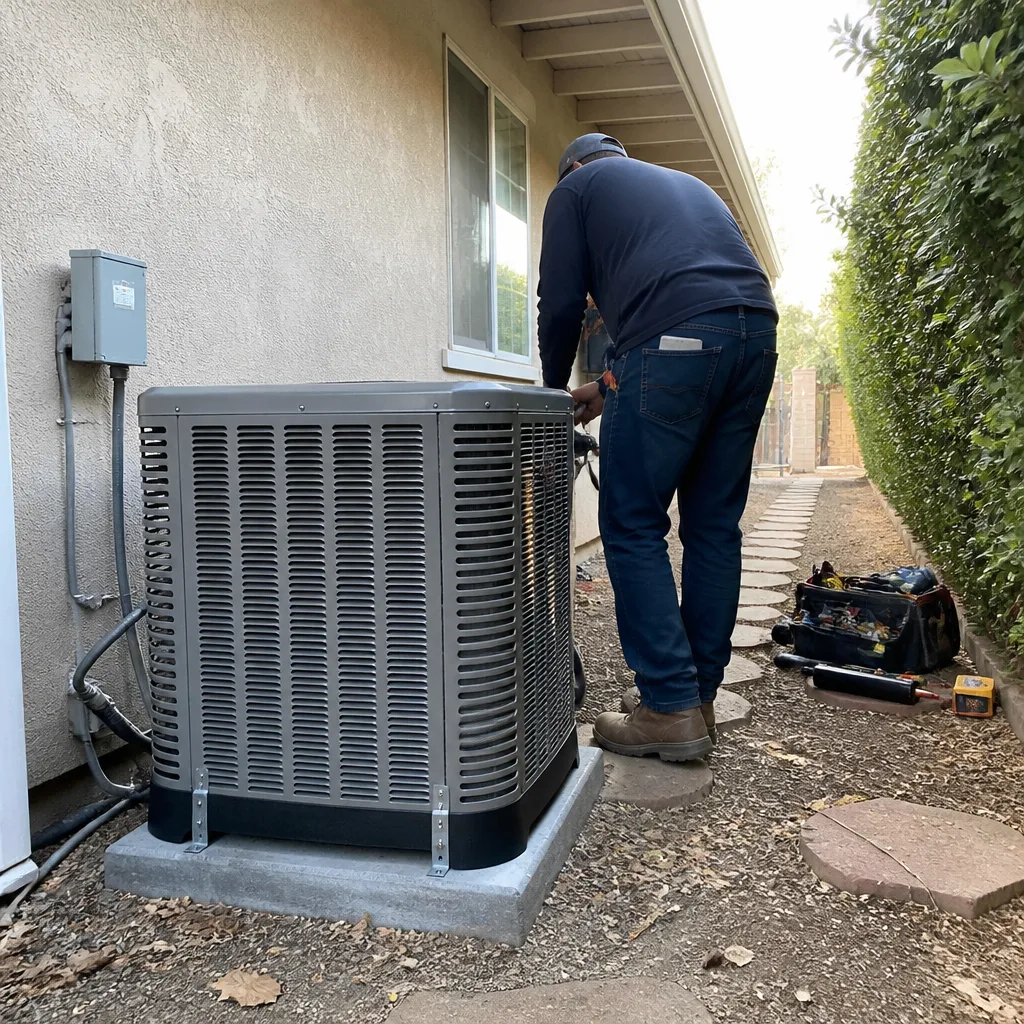 After
AfterReplacement Cost & What’s Included
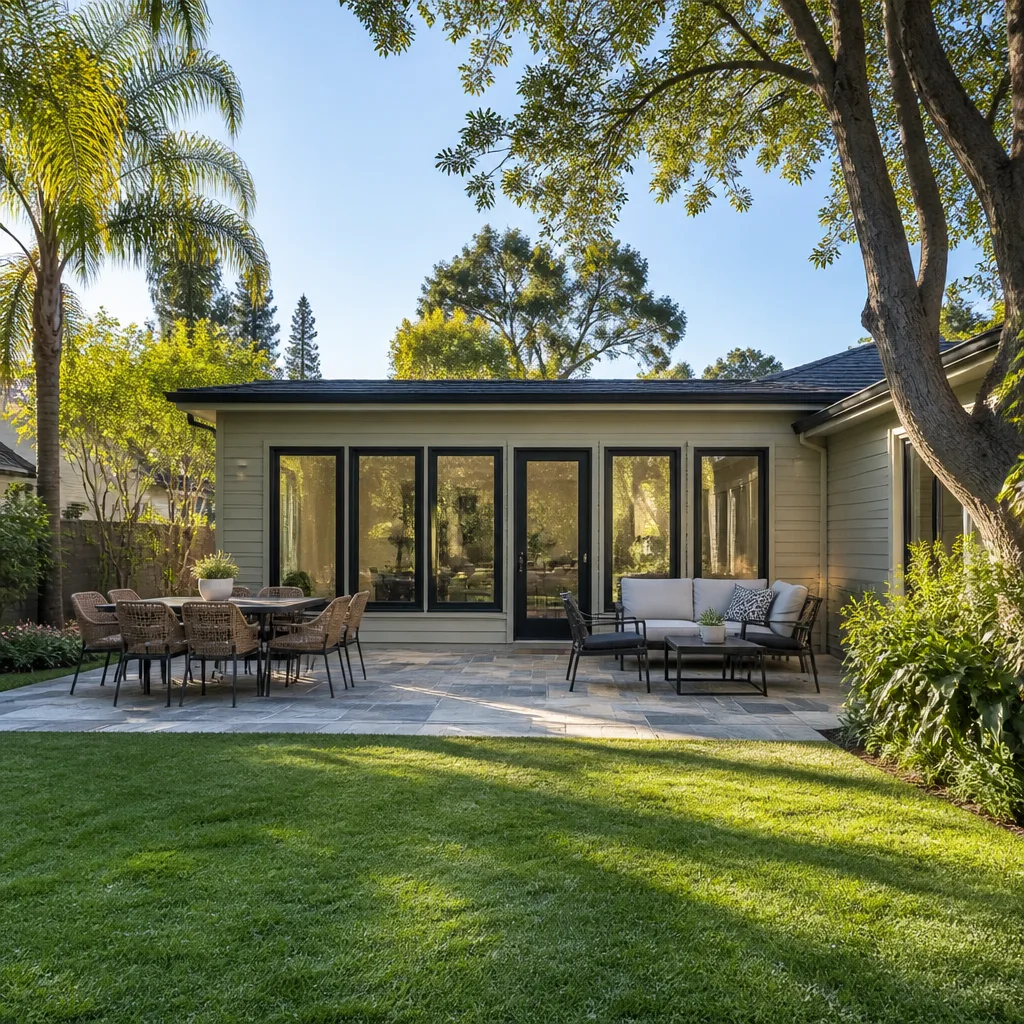
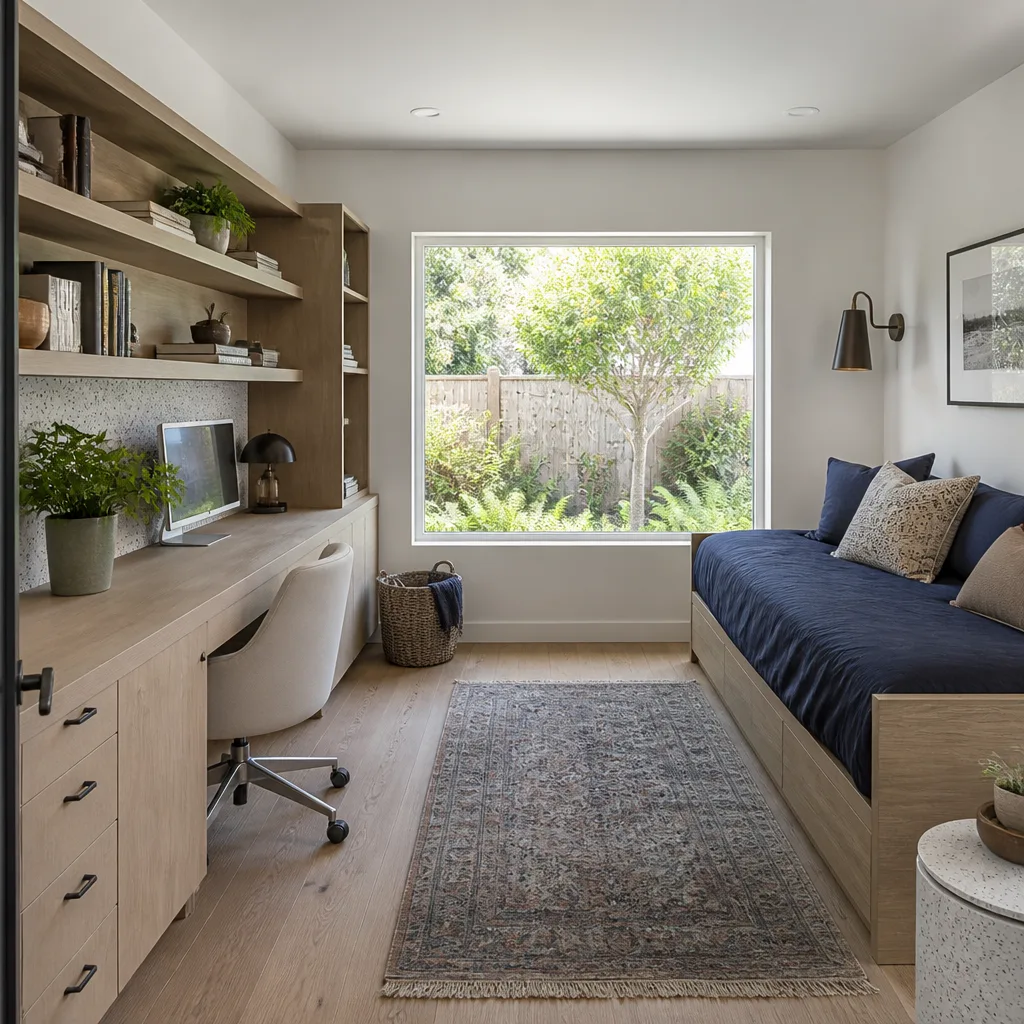
For a full home addition in Thousand Oaks, expect $45,000 to $130,000 depending on square footage, foundation type, and whether the existing roofline can be tied in cleanly. A separate ADU runs $90,000 to $220,000 once you include utilities, a kitchenette or bath, Title 24 compliance, and the Atlas or equivalent panel system the plans require. A garage conversion using Atlas-compatible interior framing lands between $30,000 and $80,000.
Every written price we deliver includes the part or material alone as a line item, labor as its own line item, permit fees, and a schedule of payments tied to inspections. That is the way Isaac Pruett has run Mason Remodeling Co Thousand Oaks since he started applying what he learned at Los Angeles Trade-Technical College: no verbal numbers, no change-order surprises. The 365-Day Done Right Promise applies to every addition and ADU we build. If something is not right within 365 days of completion, we return and make it right at no cost.
DIY or Call Us?
You can check the panel seams, look for rust at fasteners, and photograph any cracking you see. That helps us prepare before we visit. What you should not do is remove a load-bearing Atlas panel, loosen anchor bolts, or attempt to shim a foundation issue yourself. A compromised shear wall in an addition is not a cosmetic problem. It is a structural one. Thousand Oaks sits in a seismic zone, and the force calculations that went into the original plan set depend on every connection staying exactly as engineered.
If you suspect a panel or connection has failed, call us. We will send a named, background-checked tech with the plan details in hand, and we will give you a written fix price before any work starts. That is the Threshold Standard, and it applies to every visit.
Call (805) 309-3386 and tell us what you are seeing. We will tell you what it costs and how long it takes, then we will do exactly that.
FAQs
With proper flashing and fastener matching, Atlas structural panels and framing in the Thousand Oaks climate typically last the life of the structure, which is 50 years or more. The failure points we see are almost always installation errors, not product defects. Rust at substituted fasteners and missing sill flashing are the two most common issues we correct on homes near Thousand Oaks’ western and hill-adjacent neighborhoods.
Yes, in many cases. A cracked seam at a non-load-bearing wall can be re-flashed and sealed, and a single rusted fastener can be swapped for the correct coated version, provided the surrounding panel is intact. If the panel itself is delaminating or the anchor point has moved, replacement is the honest fix. Call (805) 309-3386 and send us a few photos. We will tell you which path applies before we schedule anything.
For a typical panel seam repair or fastener replacement on a Thousand Oaks addition, plan on one to two days, including inspection if the city requires it. A full panel replacement near a load-bearing corner usually takes two to three days because the wall must be temporarily supported while the panel is exchanged. We will put the schedule in writing with the price, so you know both before we start.
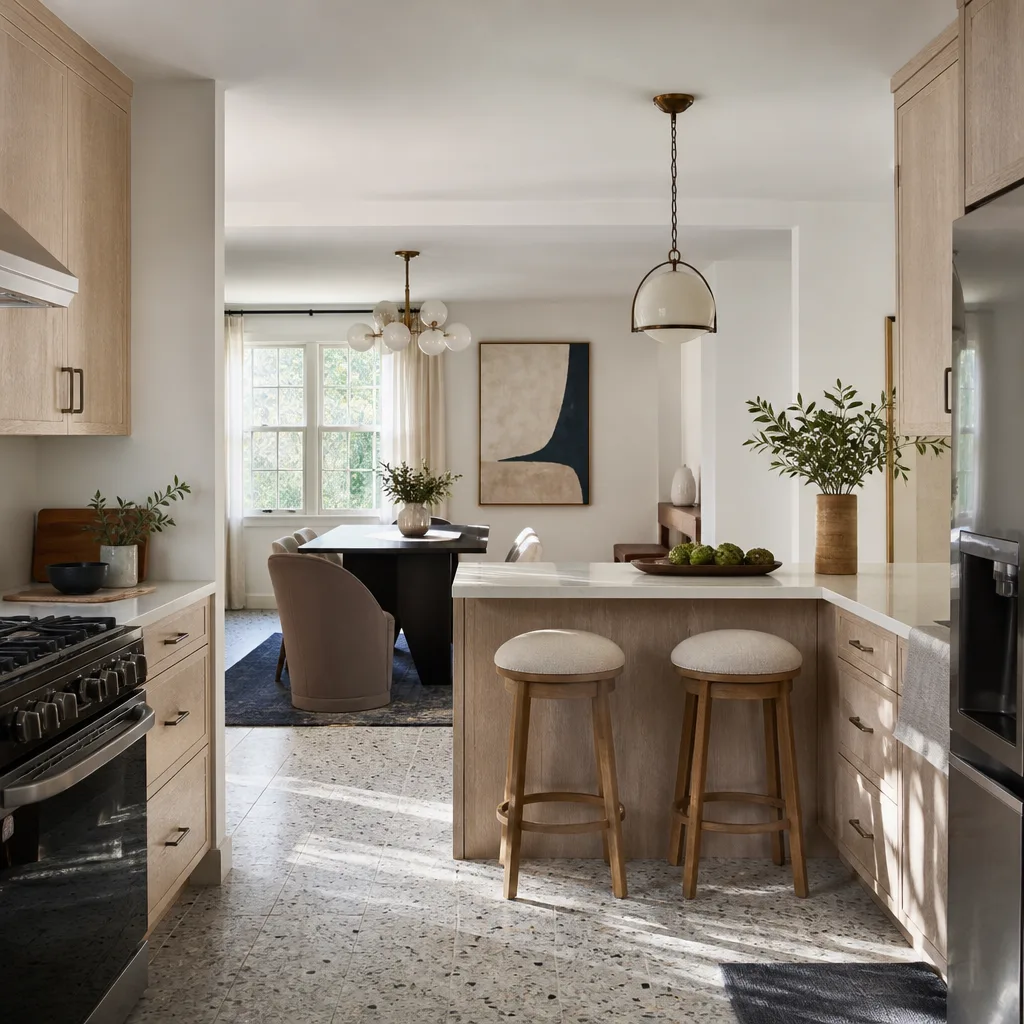
We stock the common replacement fasteners, flashing profiles, and seam tapes for Atlas panel systems on our trucks, and we can source full panels and steel framing components directly through our supplier network within a few business days. You will never be asked to pick up a structural component yourself. We also work regularly with KraftMaid, Cambria, and Silestone finishes for the interior of the additions and ADUs we build.
Written by Isaac Pruett, Owner, Mason Remodeling Co – Thousand Oaks, CA at Mason Remodeling Co Thousand Oaks, serving Thousand Oaks and nearby areas.