



Free written scope consultation - allowances, timeline, and change-order rules on paper before a single trade is scheduled
Atlas Fence Installation: The Thousand Oaks Owner’s Guide
Atlas fence installation in Thousand Oaks typically runs $3,500 – $9,000 for a standard residential project, depending on linear footage, terrain grade, and whether we’re pulling old posts or starting fresh. If your Atlas fence is leaning, pulling loose at the post line, or has panels that rattle in the wind, we can usually get a crew out within the week to assess it. Most Thousand Oaks homeowners call us after a windy stretch off the 118 or when a sprinkler line has been quietly softening the soil around a post for months.
We’re an independent Thousand Oaks contractor. We install and repair Atlas fence systems, but we’re not affiliated with the Atlas manufacturer. That matters because we’ll tell you straight when an OEM post or panel is worth the extra cost versus when a quality aftermarket match will hold up just as well in Ventura County’s sun and clay soil.
Which Atlas Models This Applies To

Atlas makes two primary residential fence lines we see across Thousand Oaks: their standard galvanized steel post system and the heavier-duty vinyl and aluminum hybrid panels. The compatibility gotcha most homeowners hit is post dimension. Atlas vinyl panels from before 2018 used a 4″ x 4″ post interior channel. Newer runs, especially the Atlas Pro Series, stepped up to a 5″ x 5″ post. You can’t mate an older panel into a newer post without shims that eventually fail.
To identify what you have, look at the post cap. The model number is stamped inside the cap on most Atlas posts, and the panel extrusion code runs along the bottom lip of the panel itself. If the sun has faded the stamp, measure the post interior with a tape measure. That measurement determines everything about the replacement.
For most Thousand Oaks installations, OEM Atlas parts are worth it when the fence is under ten years old and the failure is isolated. Once a fence passes the 12 to 15 year mark and you’re replacing panels, aftermarket vinyl that matches Atlas’s UV stabilizer rating will cost 30 to 40 percent less and hold up fine in our climate.
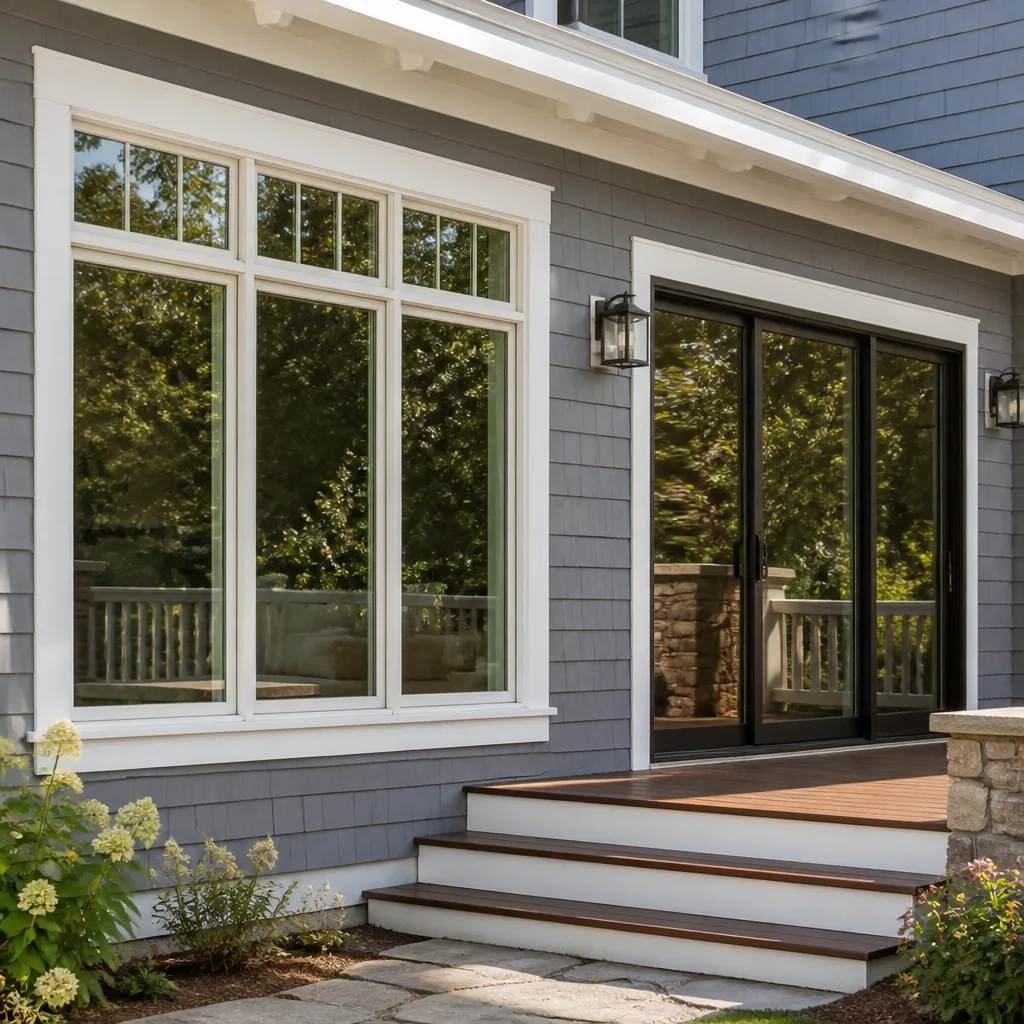
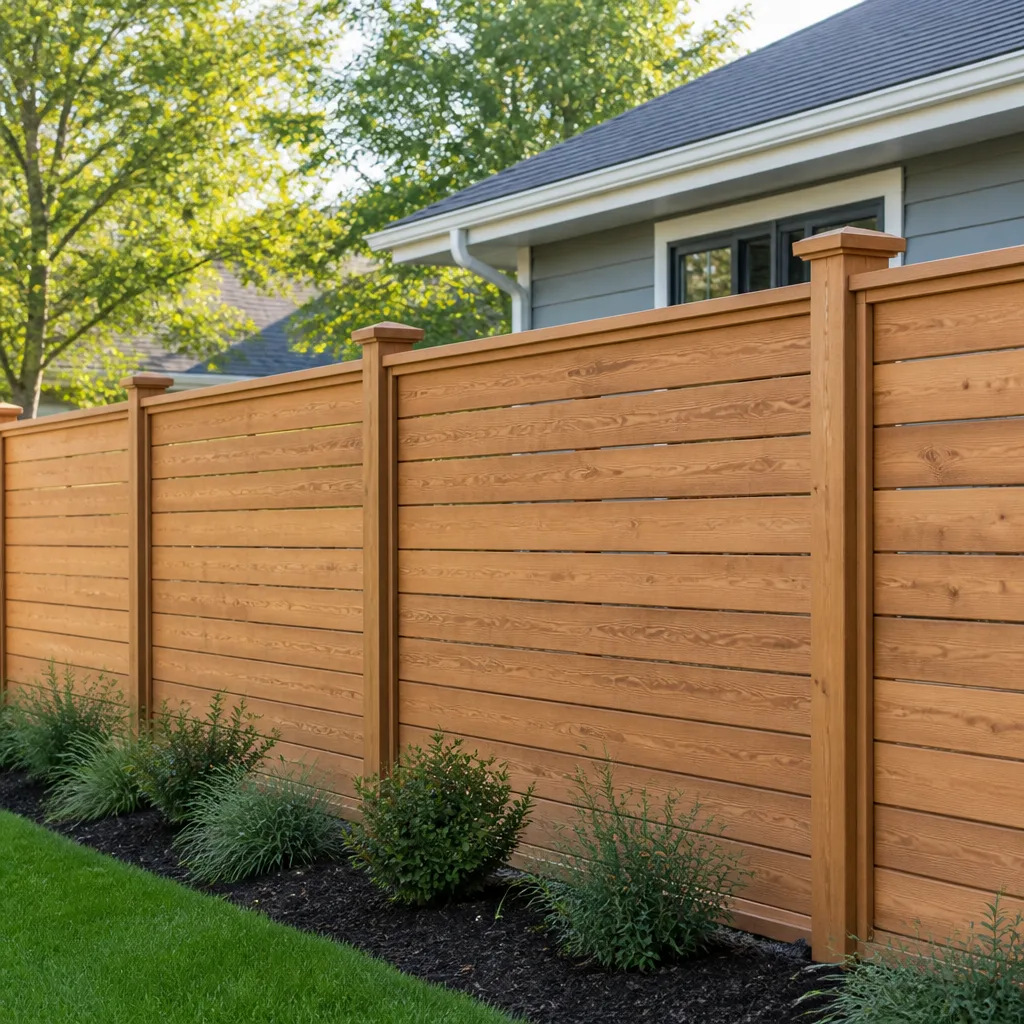
Styles & brands we work with
Signs Your Atlas Fence Installation Is Failing
- Leaning posts that were straight last season. In Thousand Oaks, the usual cause is irrigation overspray saturating the soil around the post footer. Once clay soil in the Conejo Valley gets waterlogged, it loses its grip on concrete footers. The fix is usually a new footer, not a new post.
- Panels that slap or rattle in moderate wind. Atlas panels lock into routed post channels. When a channel cracks (common after a Santa Ana wind event), the panel still sits in the track but loses its mechanical lock. Left alone, it will eventually crack the channel completely.
- White chalky residue running down the panel face. This is the UV stabilizer breaking down. It’s cosmetic at first, but it means the vinyl is losing flexibility. Panels that chalk heavily in Thousand Oaks sun get brittle and crack at the bottom rail within a few years.
- Gaps opening at panel seams near gates. Gate posts take lateral stress every time the gate swings. On Atlas installations, the gate post is the first component to shift, and the seam gap is usually visible before the post visibly leans.
- Bottom rails sagging or touching soil. Atlas bottom rails can warp when sprinklers hit the same spot daily. Wet vinyl panels expand slightly, then contract in summer heat. Repeated cycles warp and eventually split the rail.
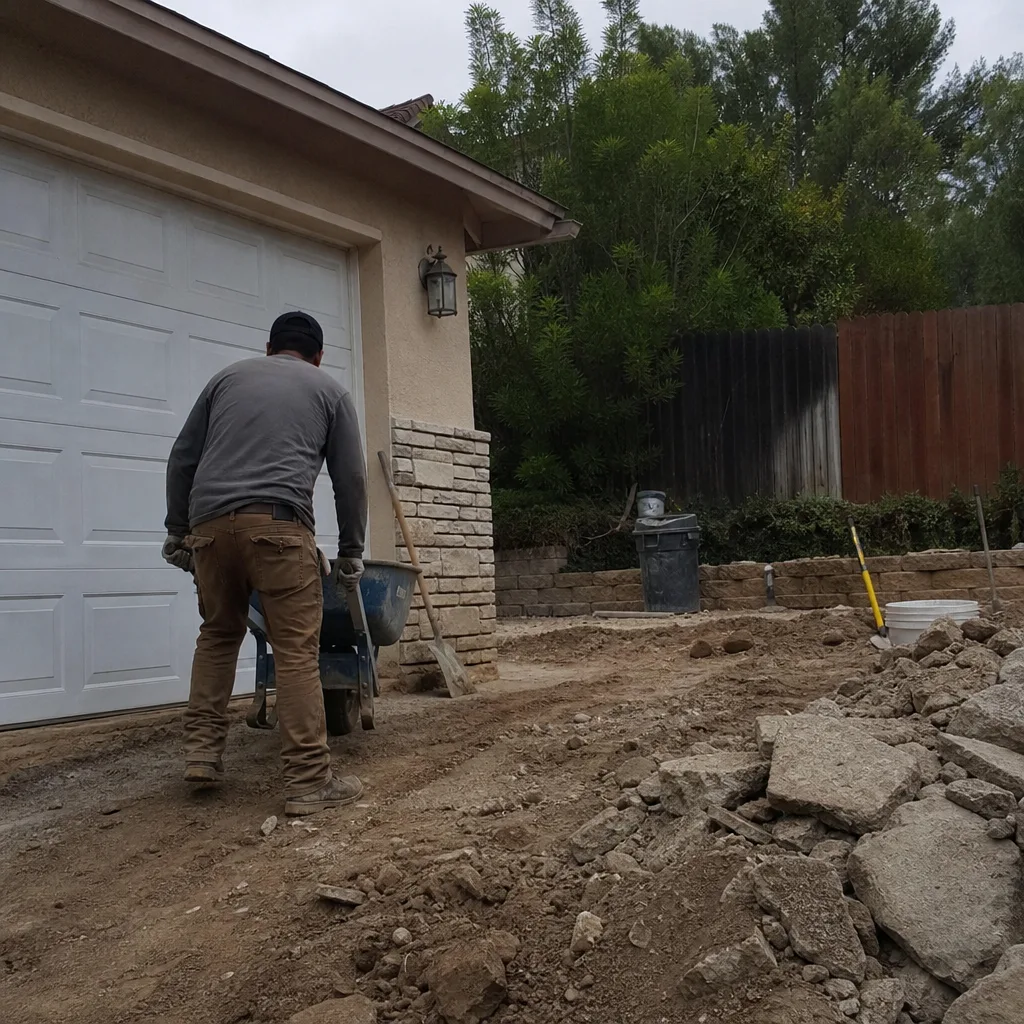
See the difference
 Before
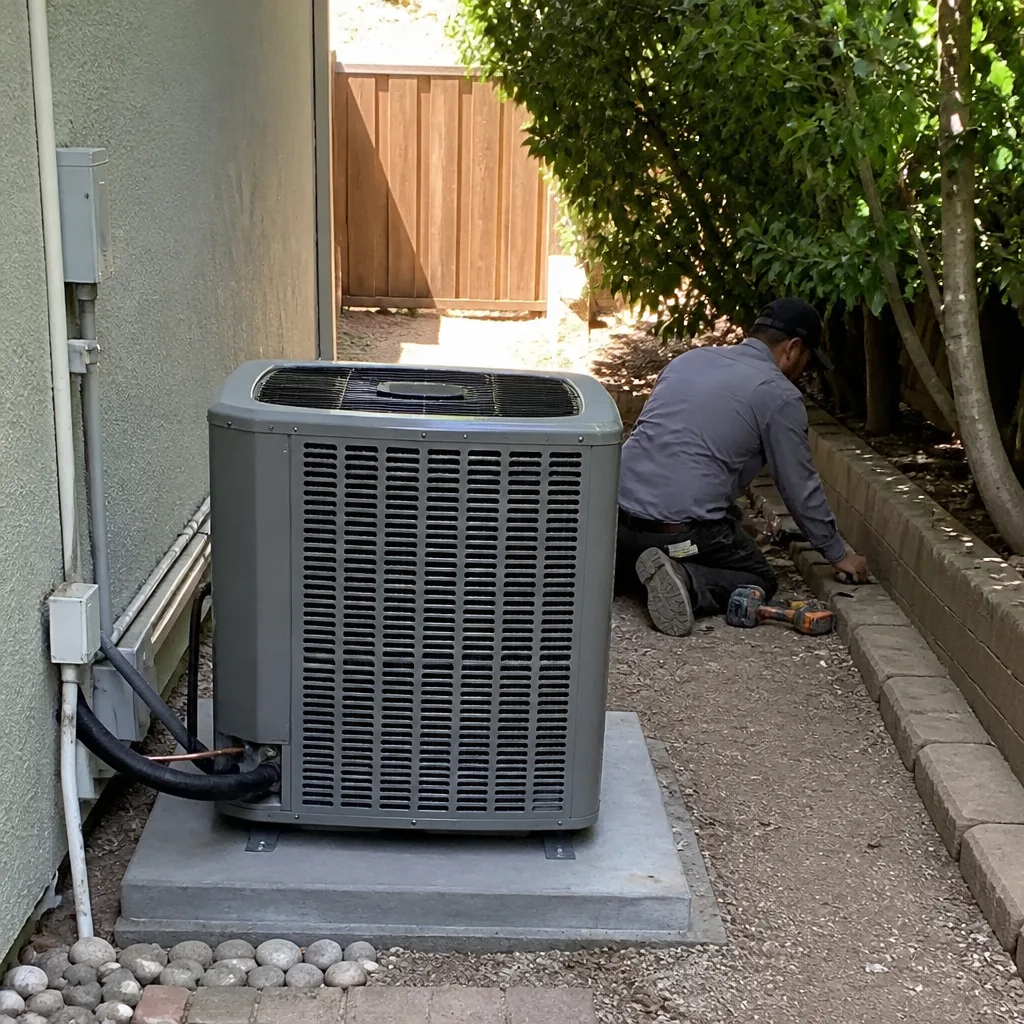 After
After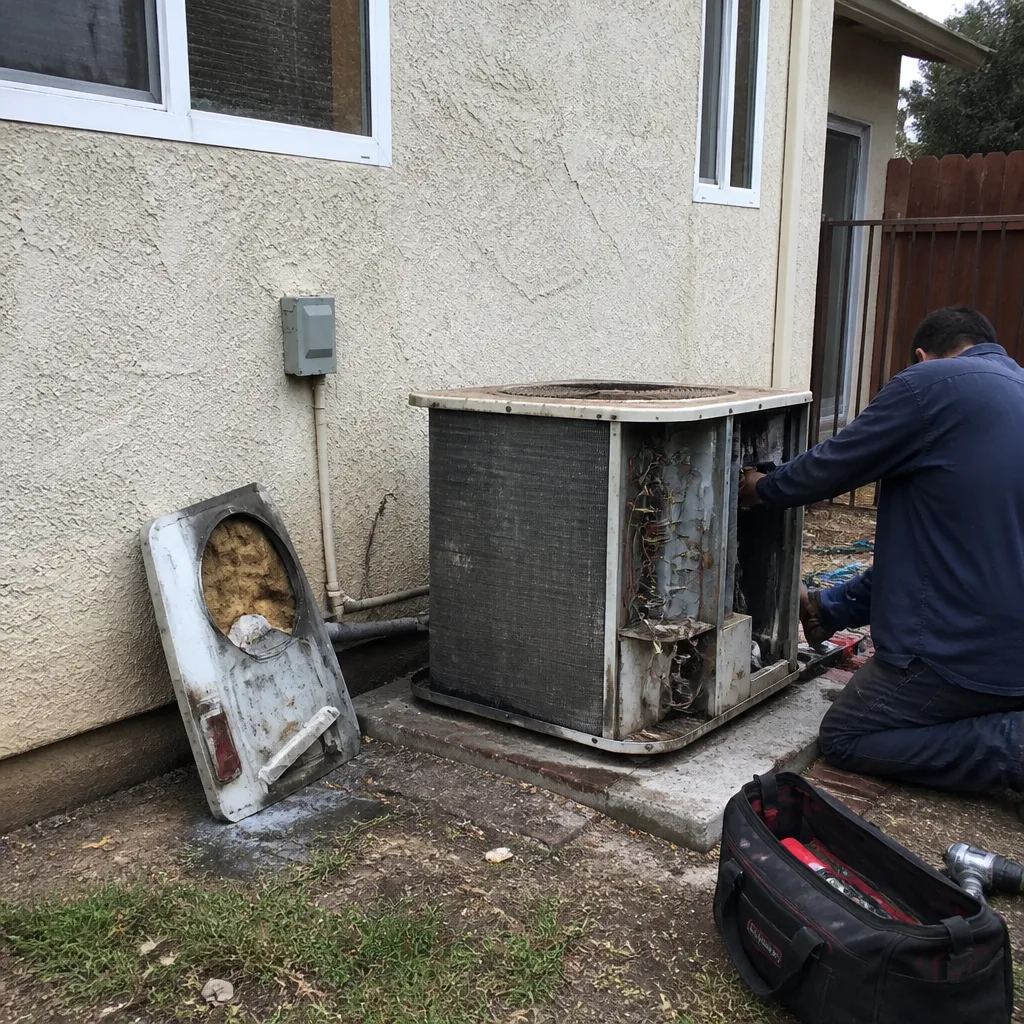 Before
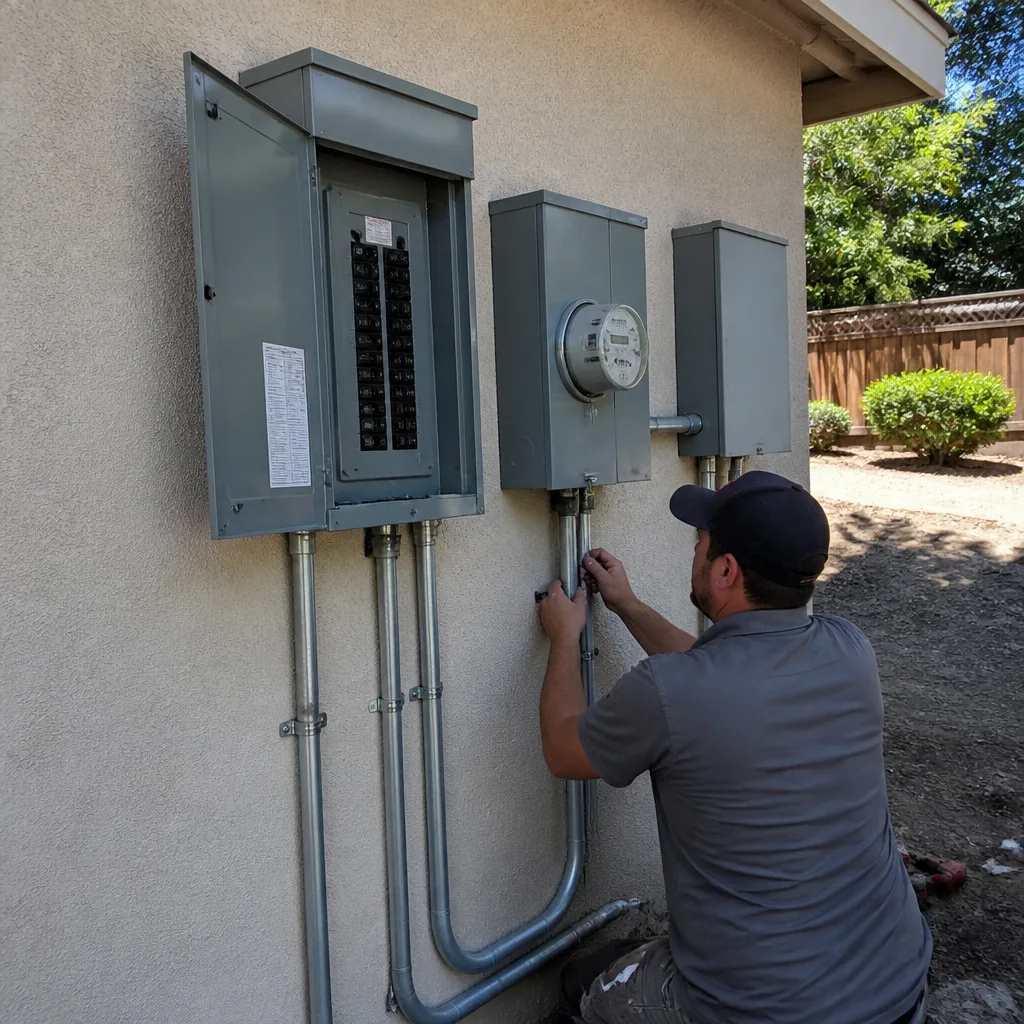 After
After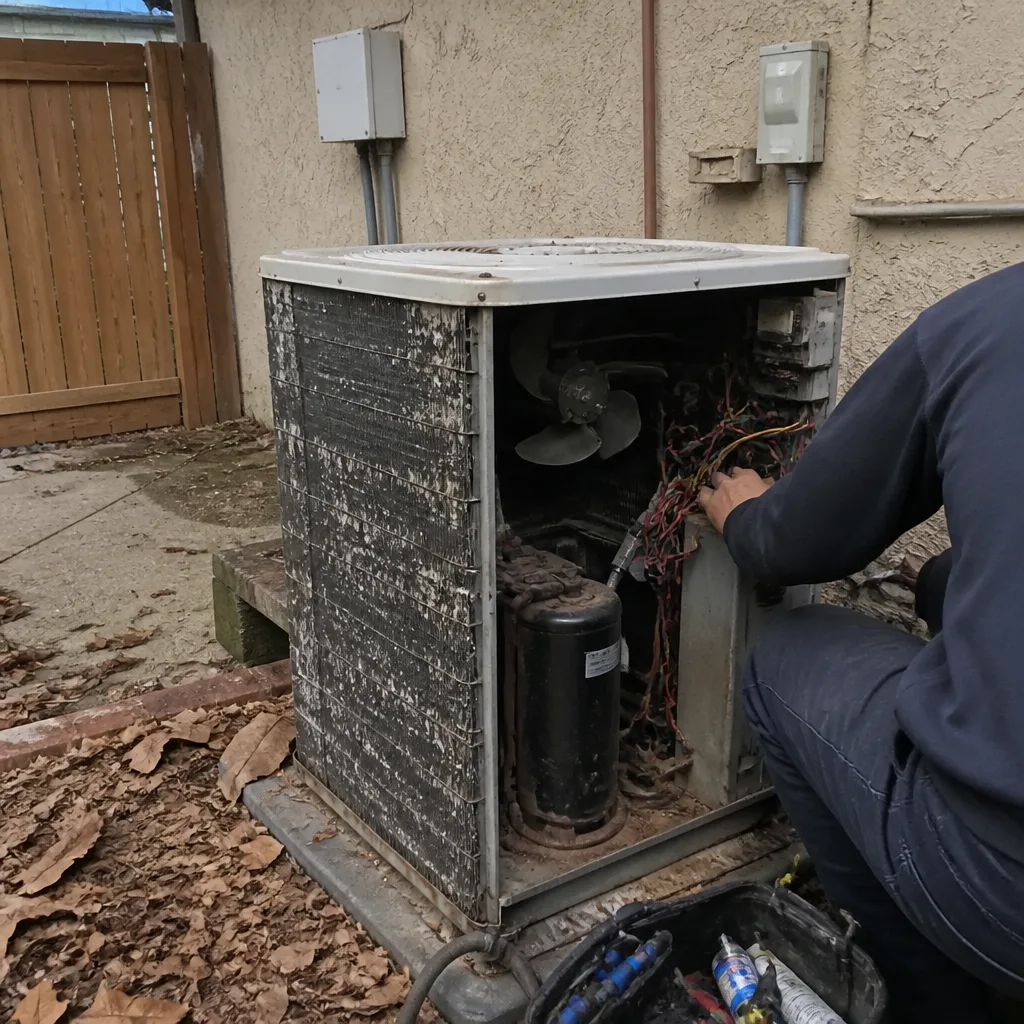 Before
 After
AfterReplacement Cost & What’s Included

A full Atlas fence installation in Thousand Oaks lands between $3,500 and $9,000. Smaller repairs, like resetting two or three posts with new footers, run closer to $1,200 – $2,800. The biggest price drivers are lineal footage, whether we’re on flat ground or working a slope (half of Thousand Oaks is slope), and whether the existing footers can be reused.
Every quote we give is a written, line-item price. You’ll see the cost of posts, panels, Gates, concrete, haul-away, and labor separated out. That price doesn’t change once we start digging unless we find something genuinely hidden, like a buried gas line that reroutes the footer plan.
Our workmanship on fence installation is covered by the 365-Day Done Right Promise. If a post shifts or a panel fails within a year of completion, we fix it at no cost. No argue, no dispute process. The Atlas parts themselves carry their own manufacturer warranty, which we walk you through when we hand you the paperwork.
DIY or Call Us?
You can safely check a few things yourself: look at whether the post is actually cracked or just leaning, check if irrigation heads are spraying directly on rails, and see if gate hinges are pulling out of the post. None of that costs you anything but ten minutes.
What you shouldn’t do is sink a new post on a Thousand Oaks slope without accounting for drainage. The soil here is unforgiving. Sandy decomposed granite in some Conejo Valley pockets drains too fast, and the clay pockets hold water too long. Both fail footers when the concrete mix or depth is wrong. Atlas posts also carry the full panel load, so a footer dug shallow will heave within two seasons. If you’re not set up for a 30-inch minimum burial with proper gravel base, this is a job better left to a crew that does it weekly.
If you want us to look at it, call (805) 309-3386. Tell me what you need done. We’ll tell you what it costs and how long it takes, then we’ll do exactly that.
FAQs
An Atlas vinyl fence installed correctly in Thousand Oaks lasts 20 to 25 years before it needs panel replacement, and the steel post system often outlasts the panels. The limiting factor is UV exposure on the west and south-facing runs, which can chalk and get brittle 5 to 8 years sooner than shaded sections.
In most cases, a leaning Atlas post can be reset with a new concrete footer instead of being replaced entirely. If the post itself is cracked, bent, or pulling out of the ground with decomposed concrete attached, we’ll replace the post. The decision comes down to post integrity, not the soil condition.
A standard residential Atlas fence installation in Thousand Oaks takes 2 to 4 days from first dig to final gate adjustment. Larger properties with 200+ linear feet, substantial slope work, or extensive old-fence removal can run 5 to 7 days. We schedule the crew, set the expectation up front, and hold to it.
We stock the most common Atlas posts, panels, gates, and gate hardware in our Thousand Oaks shop, and we carry Atlas-compatible aftermarket panels for older models where OEM is discontinued. If your fence is a newer Atlas series or a custom color, we order from our supplier and have the parts within a week. Call (805) 309-3386 and we’ll check inventory while you’re on the phone.
Written by Isaac Pruett, Owner, Mason Remodeling Co – Thousand Oaks, CA at Mason Remodeling Co Thousand Oaks, serving Thousand Oaks and nearby areas.