Free written scope consultation - allowances, timeline, and change-order rules on paper before a single trade is scheduled
Sakrete Home Additions & ADU: The Thousand Oaks Owner’s Guide
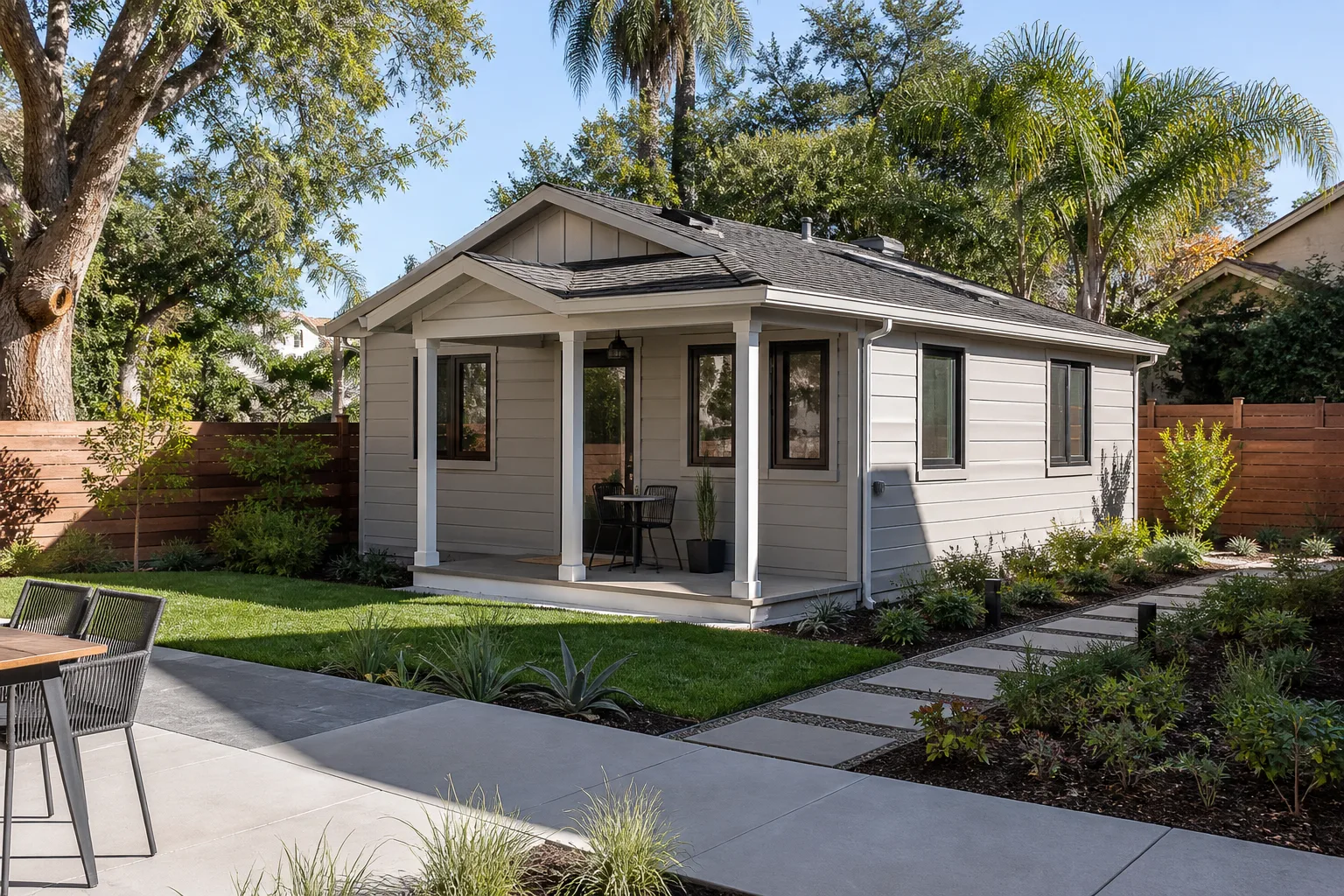
If you’re planning a home addition or ADU in Thousand Oaks using Sakrete products, you’re looking at an installed range of $45,000 – $130,000 for a home addition and $90,000 – $220,000 for a full ADU construction, depending on square footage, site prep, and finish level. We install Sakrete-compatible concrete, mortar, and anchoring systems as part of slab foundations, stem walls, and structural work on additions and ADUs across Thousand Oaks, including neighborhoods like Newbury Park, Westlake, and Lang Ranch. What usually brings homeowners to us isn’t the Sakrete itself failing – it’s discovering the concrete or anchoring work was under-specified for Southern California soil conditions, and they need the foundation corrected before the framing can proceed safely.
Here’s what we’ve learned doing this work in Thousand Oaks for years: the soil here expands and contracts with our wet winters and dry summers, and a concrete mix or footing that works fine in the Valley can crack or shift in the Conejo Valley. If your Sakrete product is part of a foundation, post anchor, or retaining element that’s showing stress, you’re in the right place.
Key Takeaways
- Installed cost for a home addition in Thousand Oaks: $45,000 – $130,000; ADU construction: $90,000 – $220,000
- We work with Sakrete products as part of larger structural builds – we’re an independent contractor, not affiliated with Sakrete
- Foundation and anchoring failures typically trace back to soil movement, not the Sakrete product itself
- Written price before any work starts – that’s our standard on every project, every time
Which Sakrete Models This Applies To
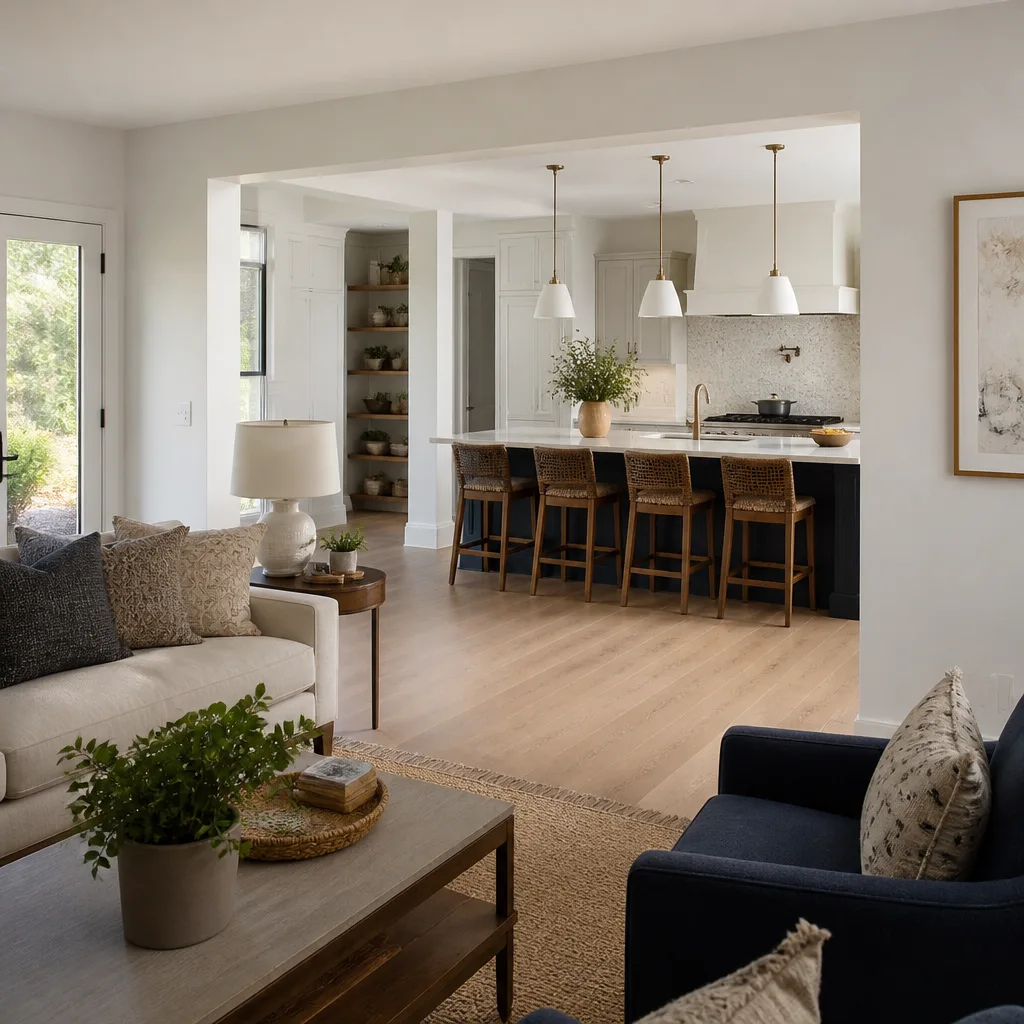
When we talk about Sakrete in the context of home additions and ADUs in Thousand Oaks, we’re primarily dealing with their structural product lines: high-strength concrete mixes, sand mixes, anchoring cement, and their Fast-Setting line for posts and footings. The specifications matter more than the model name. A 4,000 PSI mix behaves differently than a 5,000 PSI mix under Thousand Oaks’ soil conditions, and using the wrong one for a stem wall or retaining element is the most common spec error we correct.
Here’s the compatibility gotcha most people don’t know: Sakrete’s standard bagged concrete is not spec’d for structural footings on expansive clay soil without a proper rebar schedule and the correct PSI rating. If you’re pulling an old permit from a previous owner or inheriting a half-finished addition, you need to verify the PSI rating matches what Ventura County’s building department requires for your soil type. Many DIY pours use whatever bag was on sale, and that’s a five-figure correction waiting to happen. For anchoring posts, railings, or bolting a new addition’s sill plates to an existing slab, we use Sakrete’s anchoring cement or epoxy systems depending on the load – and those specs live in your permit documents.
As for OEM versus aftermarket: Sakrete doesn’t really have an “aftermarket” in the way appliance parts do. The question is whether you use Sakrete’s specified mix or a competing brand’s equivalent. We carry Sakrete products on our trucks because the consistency is good and the spec sheets are easy to verify, but for some structural applications, a spec-sheet-equivalent from Quikrete or a local batch plant does the same job. What matters is that the PSI, aggregate size, and cure time match your engineered plans – not the logo on the bag.
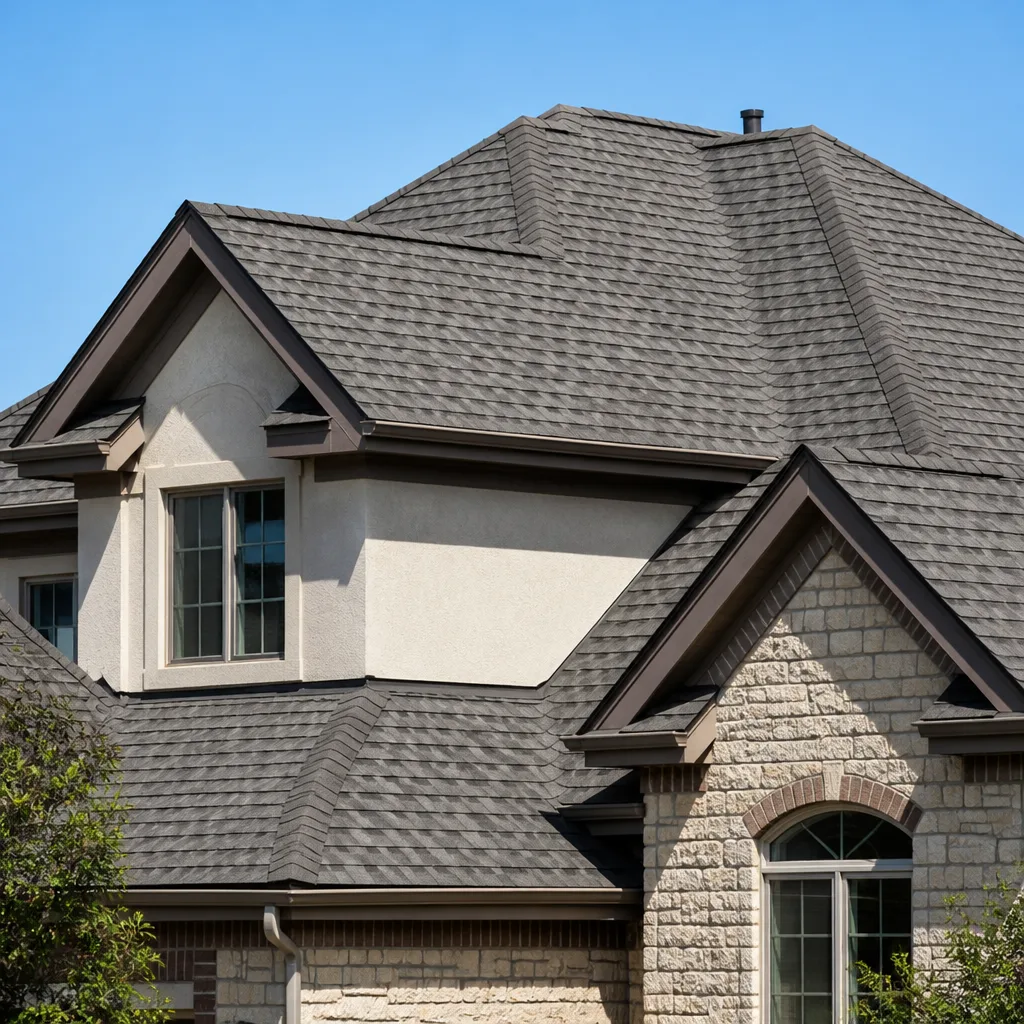
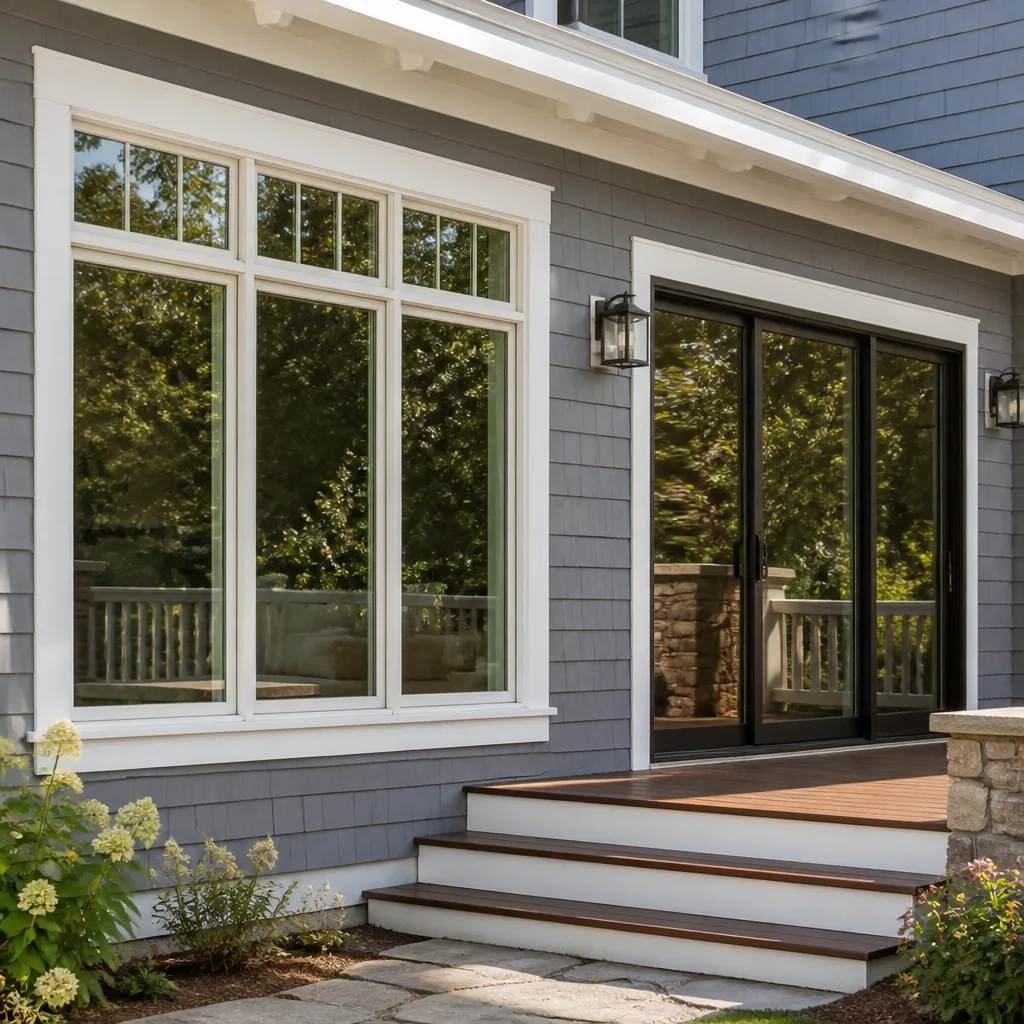
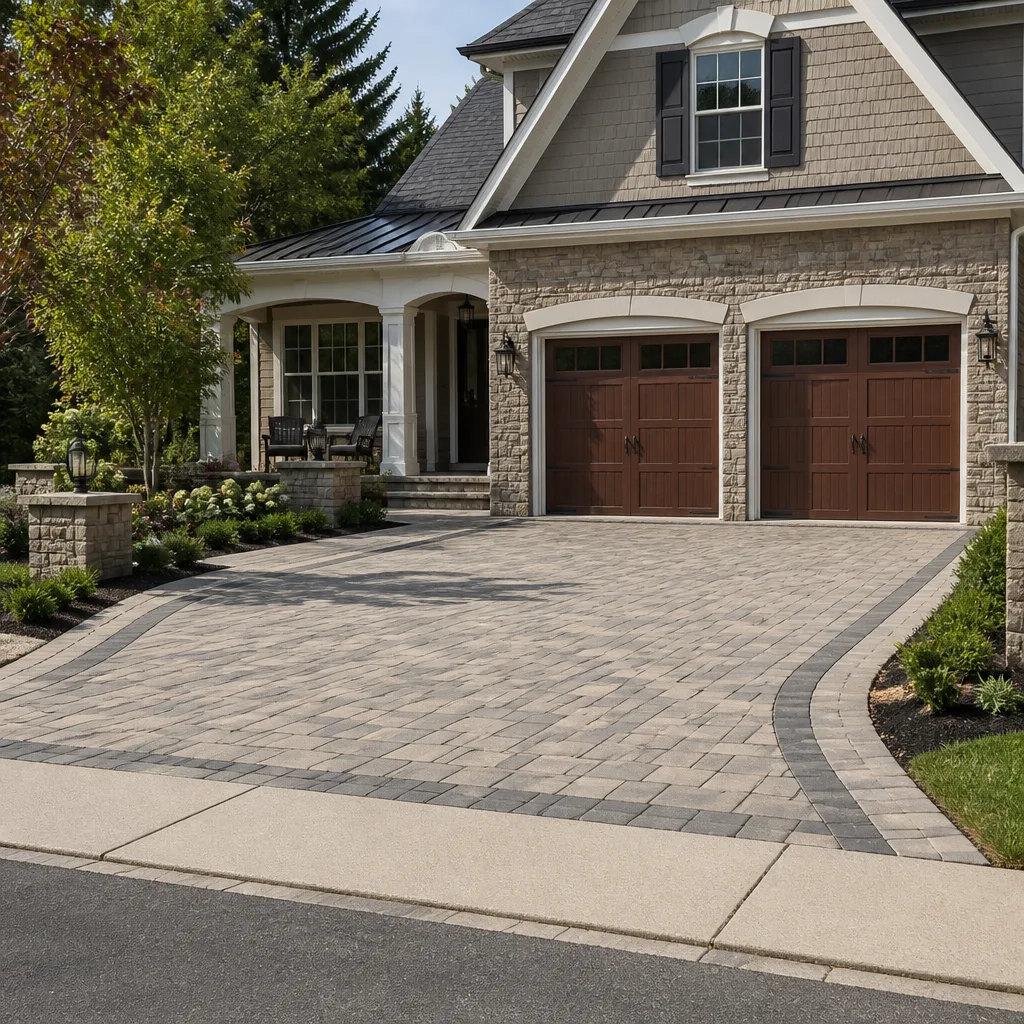
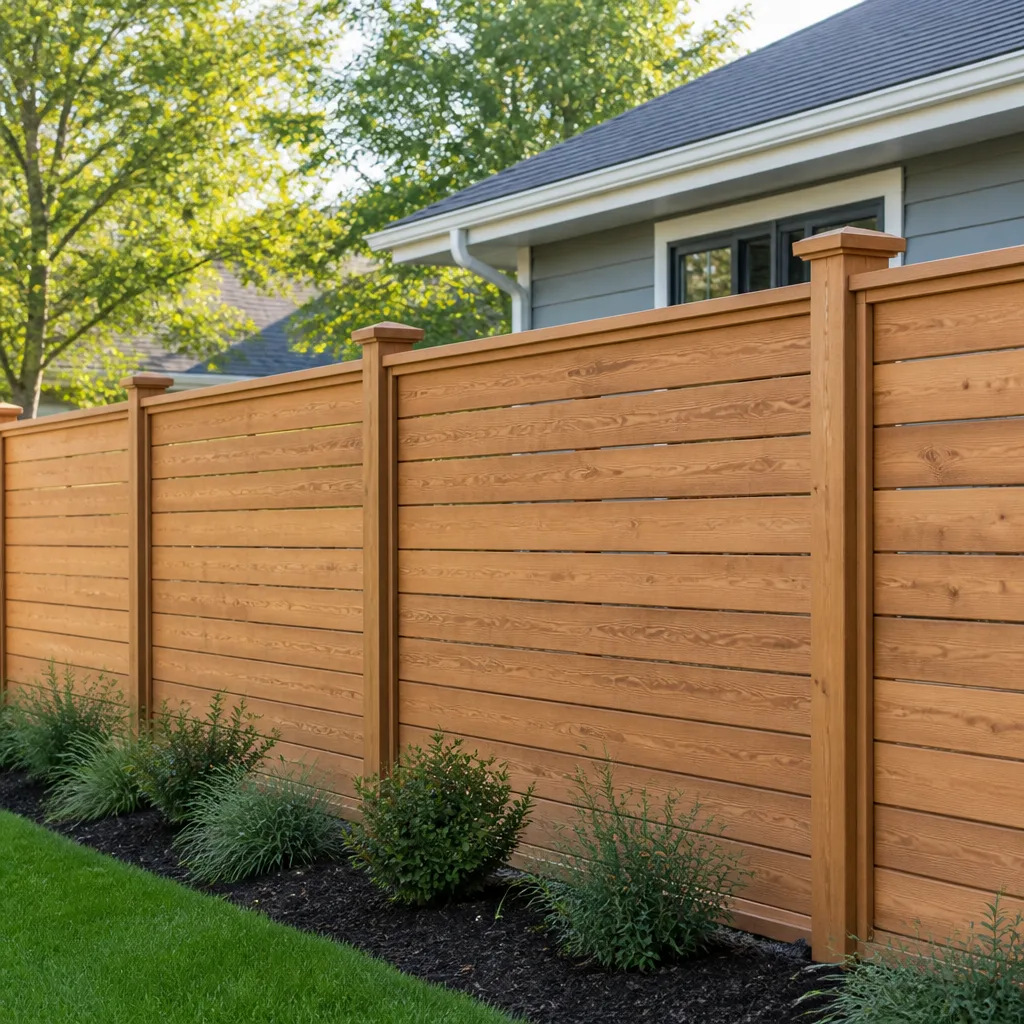
Styles & brands we work with
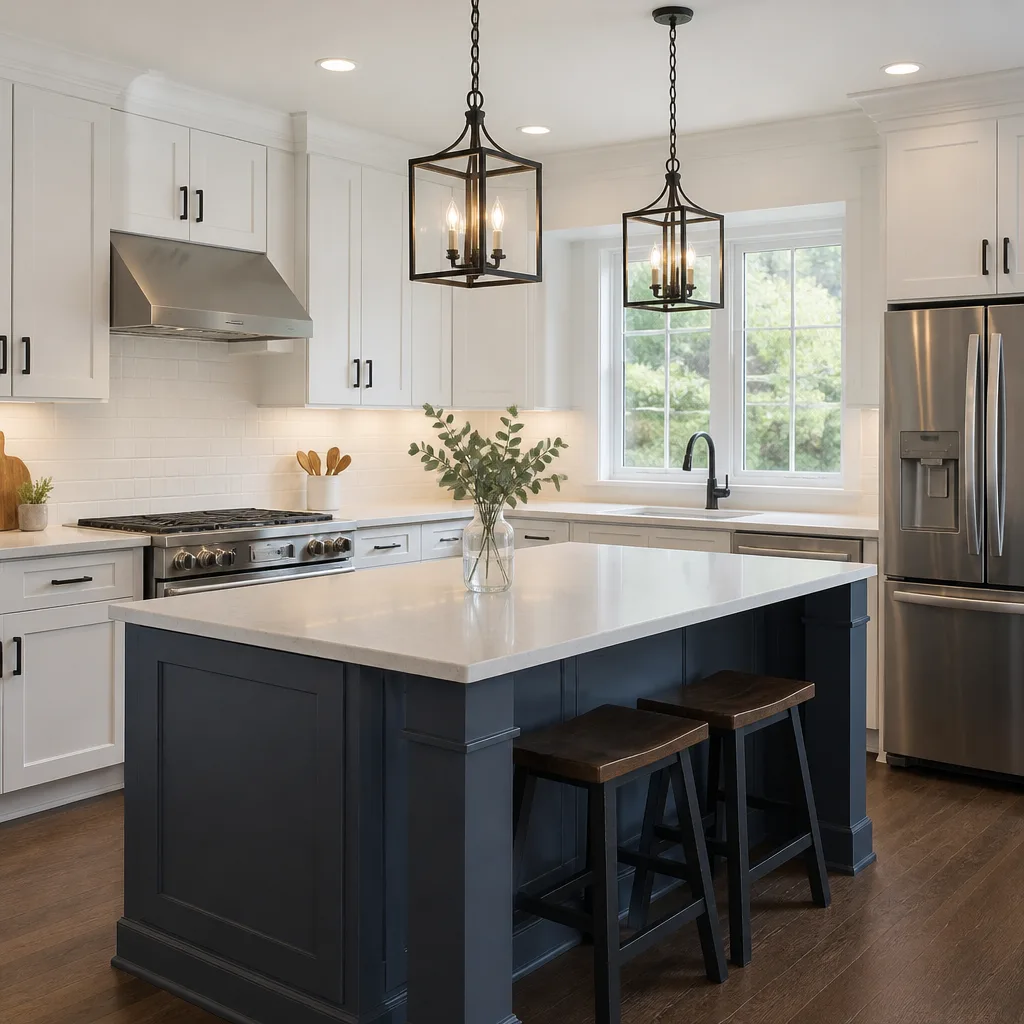
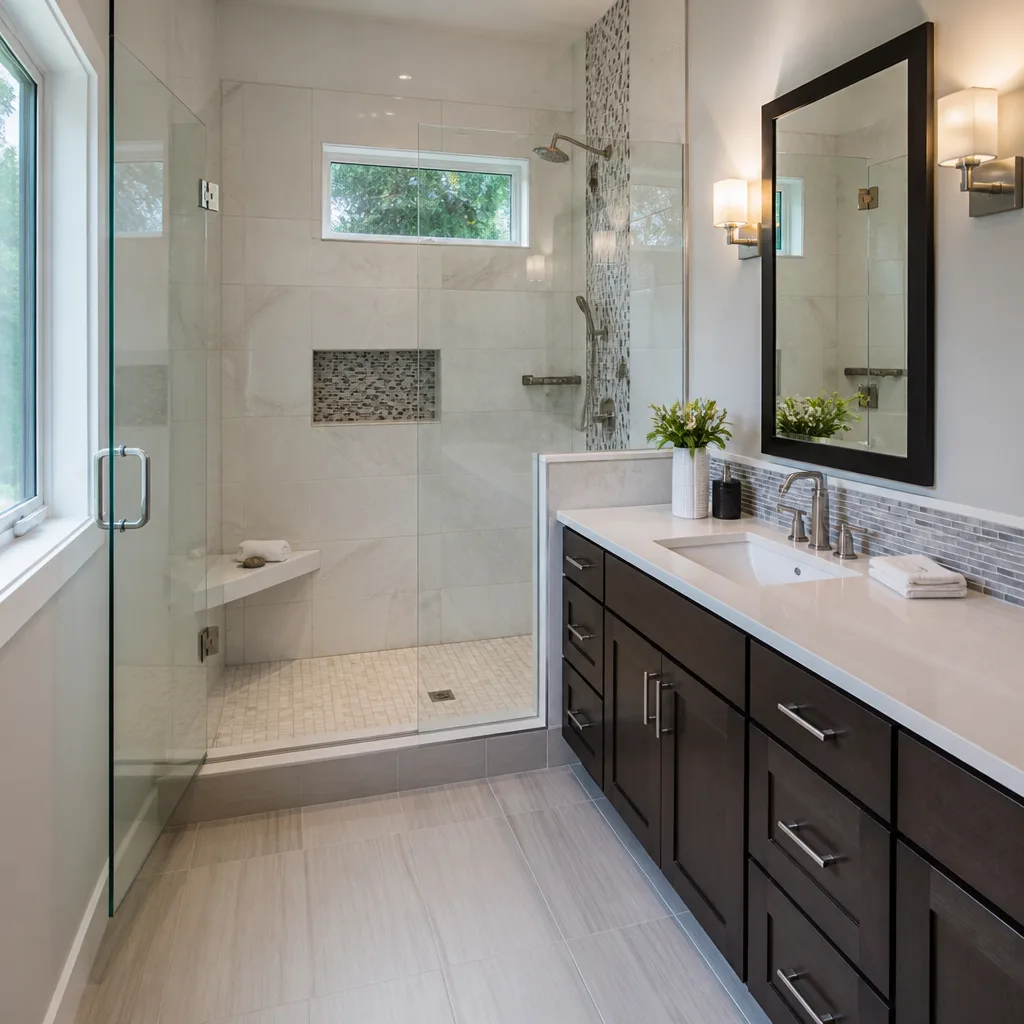
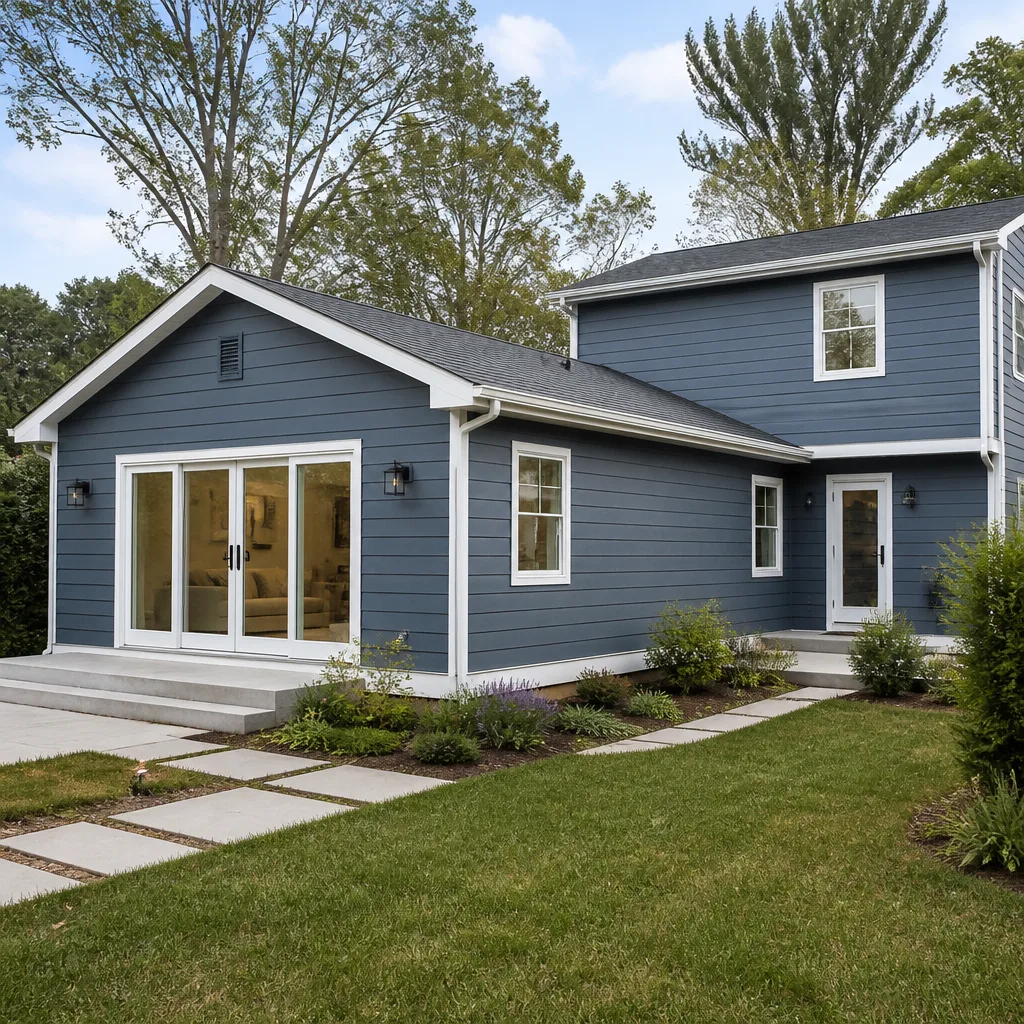
Signs Your Sakrete Home Additions & ADU Is Failing
- Hairline cracks radiating from corners of doors or windows in the addition. This usually means the slab or stem wall is settling unevenly – often from soil expansion during a Thousand Oaks wet season or a footing that was poured shallow. The crack pattern tells you which way the structure is moving.
- Gaps opening between the existing house and the new addition. When the addition settles at a different rate than the original structure, the joint widens. In Lang Ranch and North Ranch, where properties sit on varying soil types, this is the most common failure we see within the first three years.
- Cracks in the concrete slab itself, especially stairs or step cracks. A step crack in the slab usually points to differential settlement. If you can fit a quarter in the crack, it’s time to have a structural assessment before you build anything on top of it.
- Water pooling near the foundation after rain instead of draining away. This isn’t a Sakrete problem – it’s a grading problem – but it accelerates the failure of any concrete work. Concrete doesn’t fail from water alone; it fails when water plus expansive soil pushes against it unevenly.
- Loose anchor bolts or sill plates that shift when you lean on them. If the bolts anchoring the addition’s framing to the slab are working loose, the anchoring material has failed or wasn’t mixed to spec. In earthquake country, that’s a structural issue you don’t defer.
See the difference
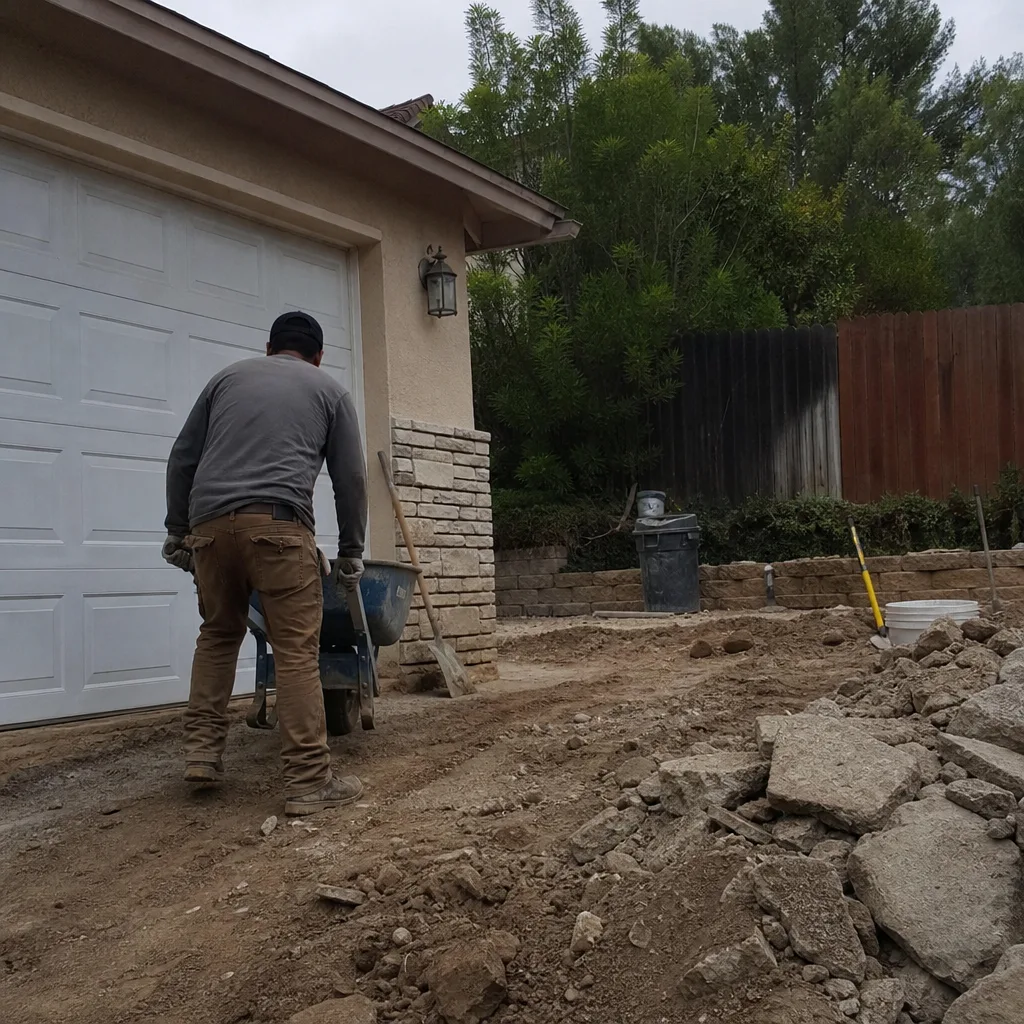 Before
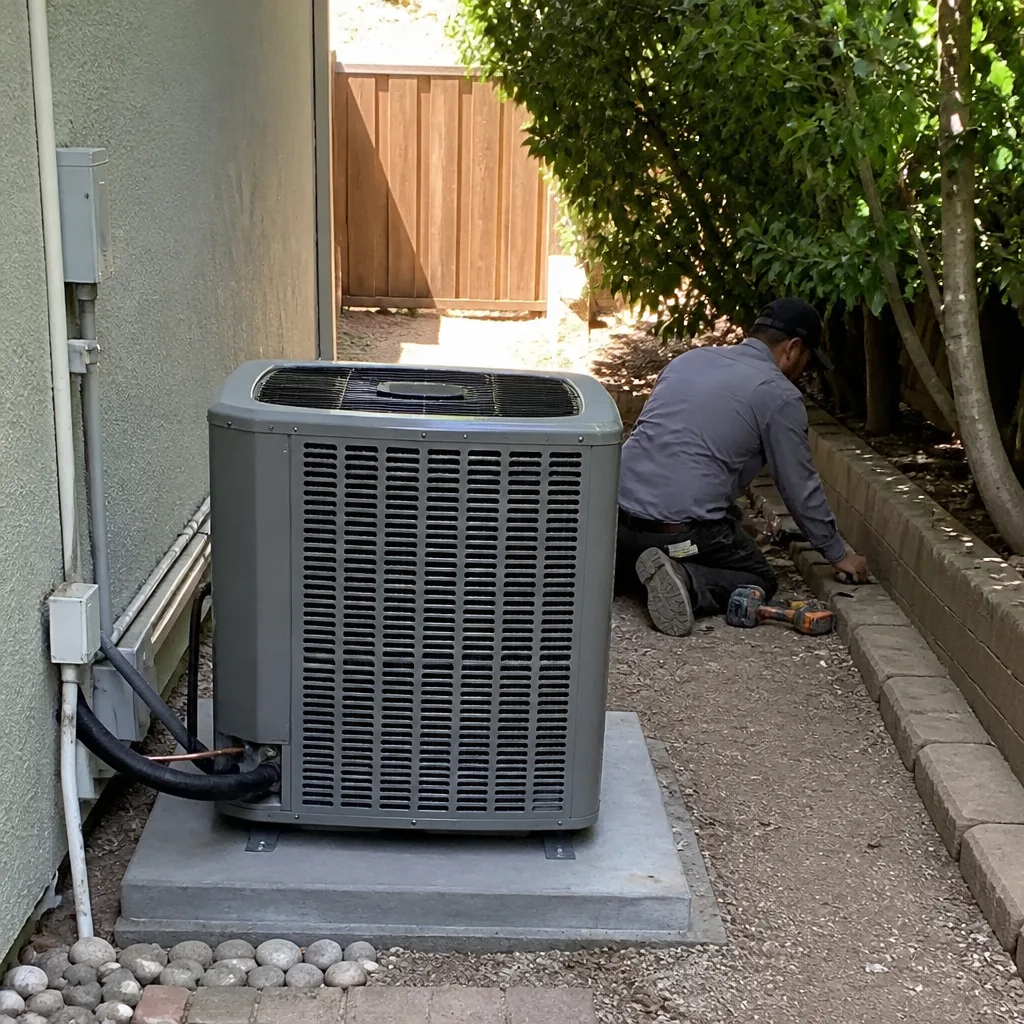 After
After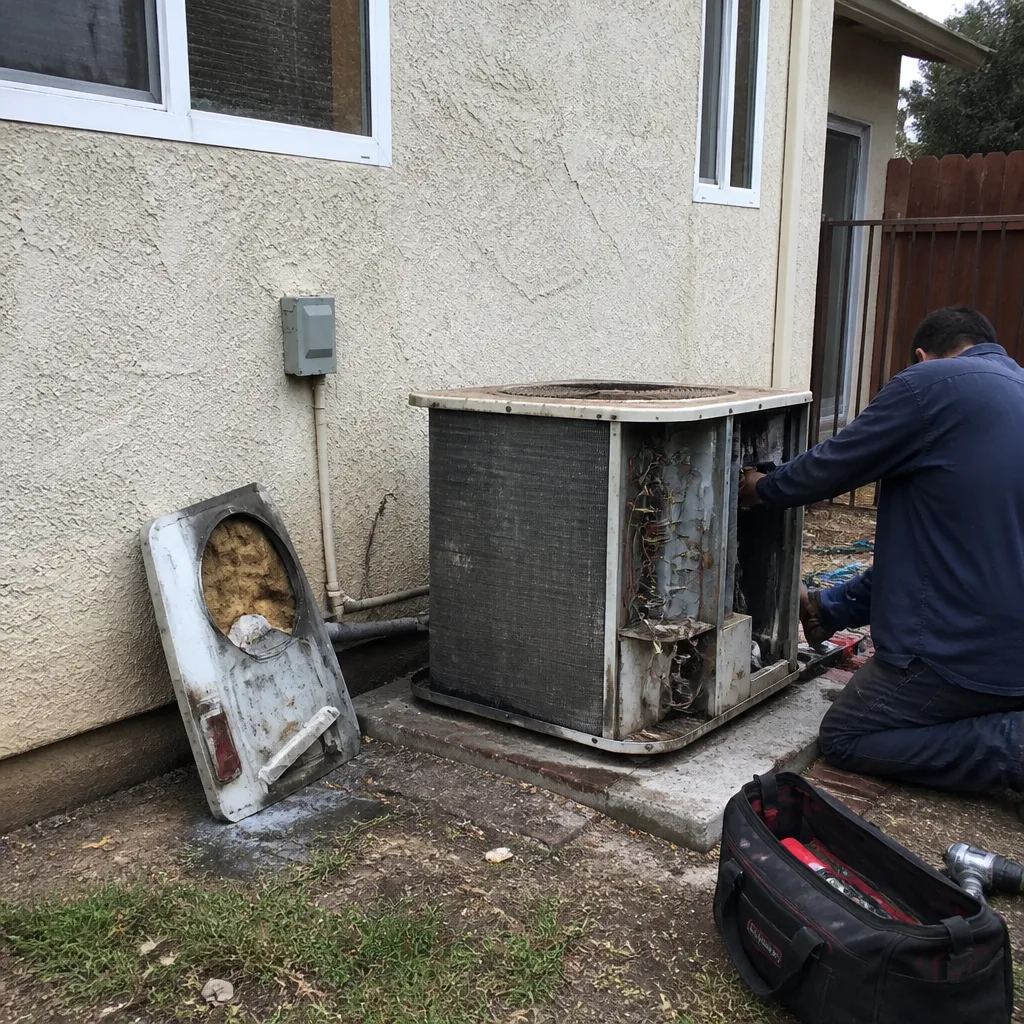 Before
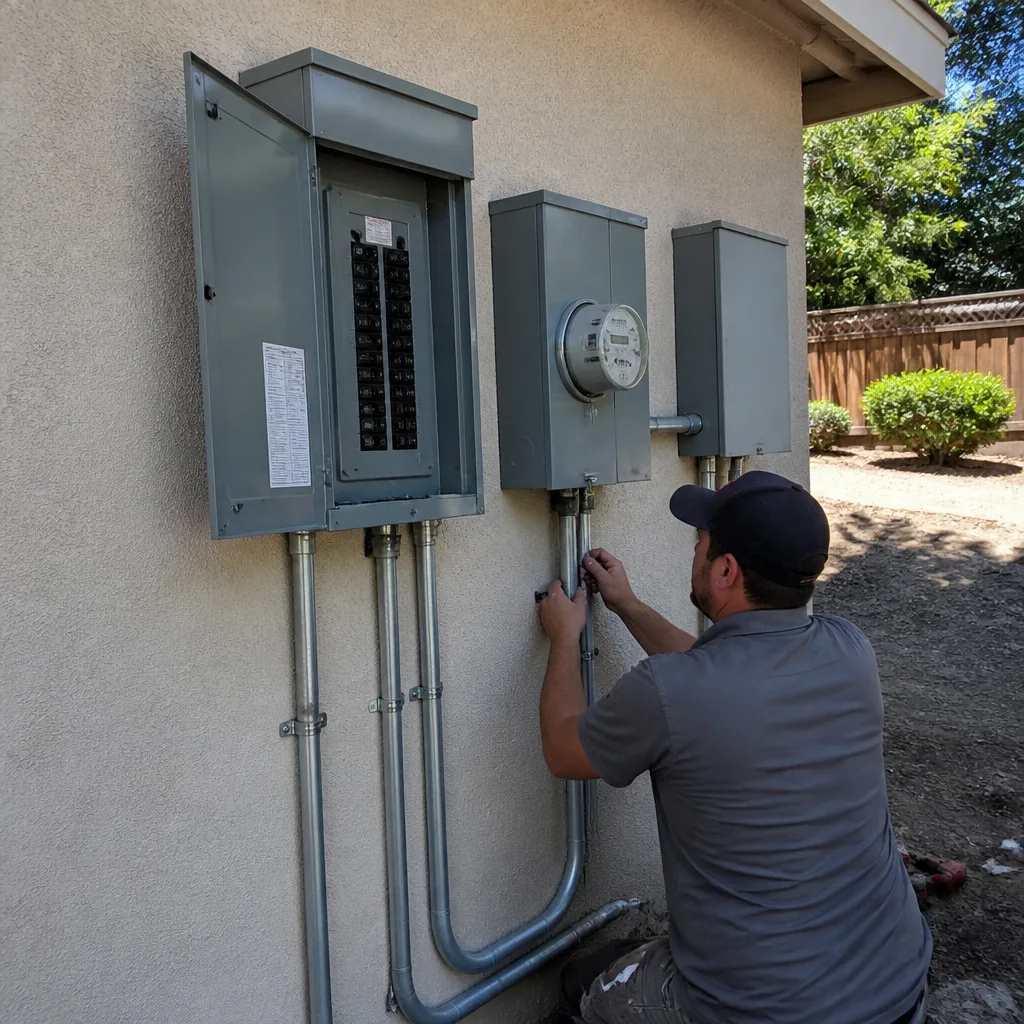 After
After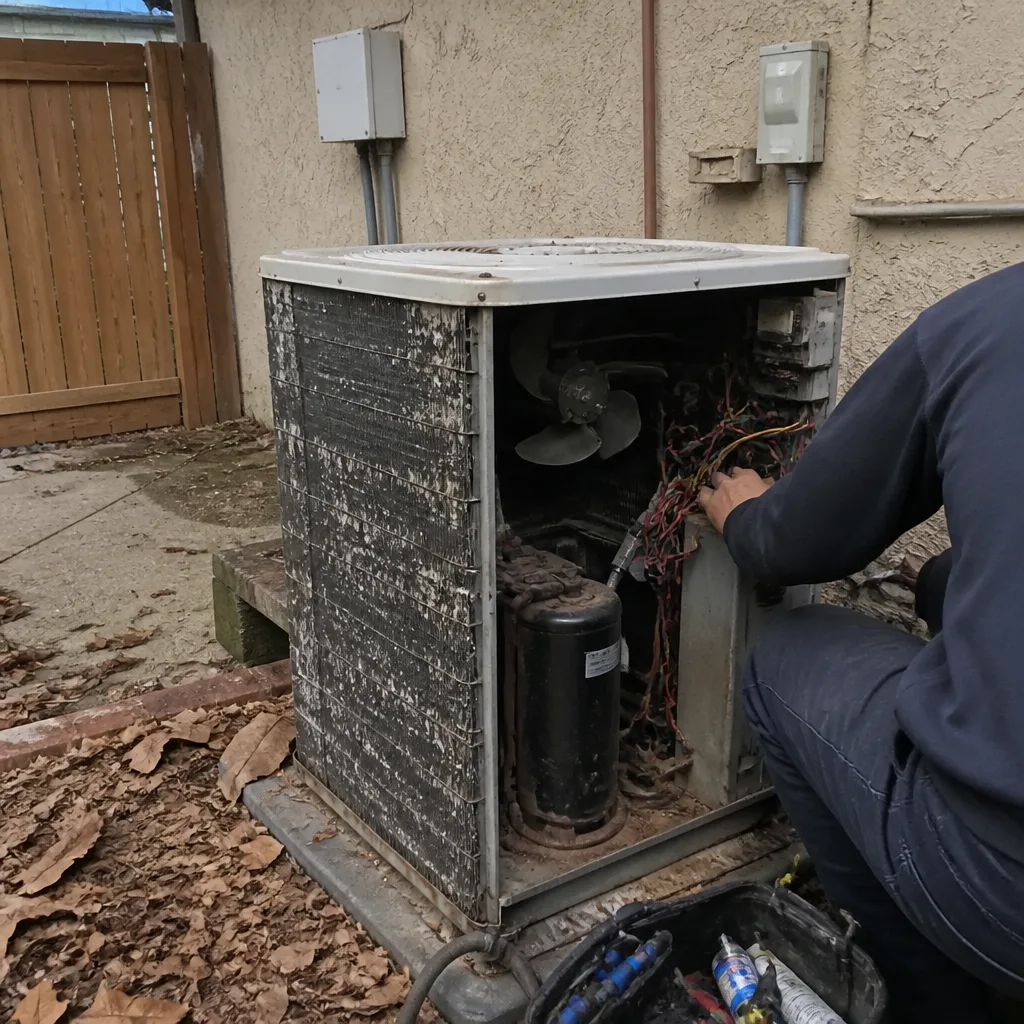 Before
 After
AfterReplacement Cost & What’s Included
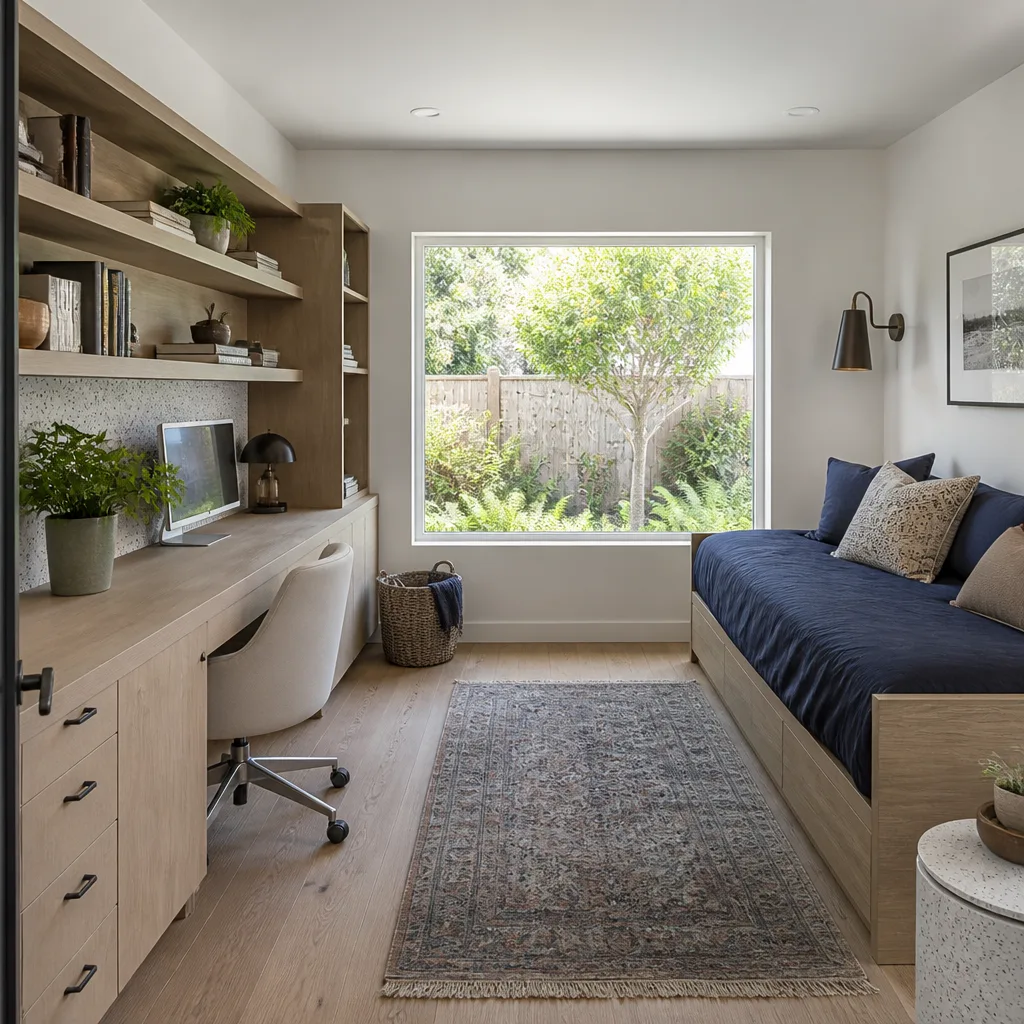
For home additions and ADUs in Thousand Oaks where Sakrete products are the substrate or anchoring system, you’re looking at $45,000 – $130,000 for a full addition and $90,000 – $220,000 for an ADU build. If we’re talking about correcting or replacing failed concrete work within an existing structure – say, re-pouring a section of slab, resetting anchors, or repairing a stem wall – the scope is smaller, and we quote it as part of the repair contract with a written line-item price.
What drives the range in Thousand Oaks: access to the site (hillside lots in Bell Canyon or off Kanan Road are more expensive to bring equipment to), the amount of excavation and grading required, permit fees and engineering costs, and the finish level you choose inside the addition. We deliver a written price before any work starts – that’s not optional, and it’s never waived. That price includes the parts, the labor, the permit coordination, and the Sakrete or spec-equivalent materials. Our 365-Day Done Right Promise covers the work for a year from the completion date: if something isn’t right, we make it right at no cost to you.
DIY or Call Us?
What you can safely check yourself: whether cracks are growing. Mark the ends of a crack with a pencil line and check back in a month. If the crack has moved past your mark, the soil is still settling and you need a structural opinion. You can also check whether your permit documents match what was actually poured – look for the PSI rating on the plans versus what you can verify from receipts or records.
What you should not attempt yourself: mixing and pouring structural concrete for footings, stem walls, or load-bearing elements. Getting the water ratio wrong, skipping the rebar schedule, or pouring on unprepared soil creates a failure you won’t see until the walls are up and the cracks appear. In earthquake-prone Thousand Oaks, a structural pour done wrong is a safety liability, not a weekend project. We’d rather you call us before the pour than after the crack. If you’re mid-project and something doesn’t look right, call (805) 309-3386 and describe what you’re seeing. We’ll tell you whether it’s urgent or whether it can wait.
FAQs
Properly mixed, poured, and cured structural concrete in the Conejo Valley should last 50+ years as a foundation element. The failure point isn’t age – it’s soil movement, improper PSI spec, or poor drainage undermining the concrete. We’ve seen 40-year-old slabs perform better than 4-year-old pours that skipped proper site prep.
Yes, in many cases. Hairline cracks with no displacement can be sealed and monitored. Structural cracks with movement or displacement typically require epoxy injection, new anchoring, or partial re-pour, depending on what the engineer’s assessment says. We’ll give you an honest read on whether repair or replacement makes more financial sense before you spend a dollar with us – call (805) 309-3386 and we’ll walk you through what we’re looking for.
A full home addition in Thousand Oaks typically runs 4 – 8 months from permits to final inspection. ADUs run 6 – 12 months depending on site conditions and finish level. The variables are permit review times in Ventura County, weather windows, and how quickly you make finish selections. We’ll give you a schedule with your written price, and we hold to it.
We stock Sakrete high-strength mixes, anchoring cement, and fast-setting products for our foundation and anchoring work, and we source additional quantities from local suppliers in Thousand Oaks and the surrounding area as each project dictates. If you have a specific Sakrete product spec, tell us when you call and we’ll confirm availability and lead time. Call (805) 309-3386 for a free estimate.
Written by Isaac Pruett, Owner, Mason Remodeling Co – Thousand Oaks, CA at Mason Remodeling Co Thousand Oaks, serving Thousand Oaks and nearby areas.