




Free written scope consultation - allowances, timeline, and change-order rules on paper before a single trade is scheduled
Jerith Roofing: The Thousand Oaks Owner’s Guide
Mason Remodeling Co Thousand Oaks stocks and installs Jerith-compatible aluminum roofing parts, flashings, and eave components across Thousand Oaks, with most replacements running $400 – $1,800 installed depending on the part and roof access. We keep common Jerith profile flashings, drip edges, and fastener kits on our trucks, so a technician can often identify the failed part, confirm measurements, and complete the swap in a single visit. The way most Thousand Oaks homeowners discover a failed Jerith component is quiet at first: a small drip line on a patio ceiling after rain, a lifted flashing edge visible from a second-story window, or granules collecting in a gutter after a wind event. By the time the stain spreads or the rattle starts, the damaged section has usually been letting moisture behind the panel system for weeks, and the repair scope widens from one part to a section reseal.
Which Jerith Models This Applies To

Jerith aluminum roof panels and eave assemblies were built around a limited set of extruded profiles, but the flashings and closure strips are not universal across every Jerith product line. We see this most often with the transition flashings used where a solid Jerith roof meets a lattice or open-beam section: the part will look identical from ten feet away but measure differently in the receiver channel, and a mismatch forces the panel to sit proud of the eave, which is exactly how water finds a path behind it. If you can read the part number on the old flashing or closure strip, take a photo before anything gets removed. If the stamping is gone, we measure the channel width and panel gauge on site and match it to the correct Jerith profile rather than forcing an aftermarket generic to work.
For most Thousand Oaks homes, we recommend OEM Jerith parts where they are still available, because the original extrusions and factory finishes hold up better against the dry heat and Santa Ana wind cycles we get here than the thinner powder-coated aftermarket copies. There are exceptions: the older factory-crimped closure strips are one area where a high-quality aftermarket version with a live neoprene bulb actually outperforms the original and gives a cleaner seal. We will tell you which way we lean for your specific panel and why, and we show you the difference before anything is ordered.
Styles & brands we work with

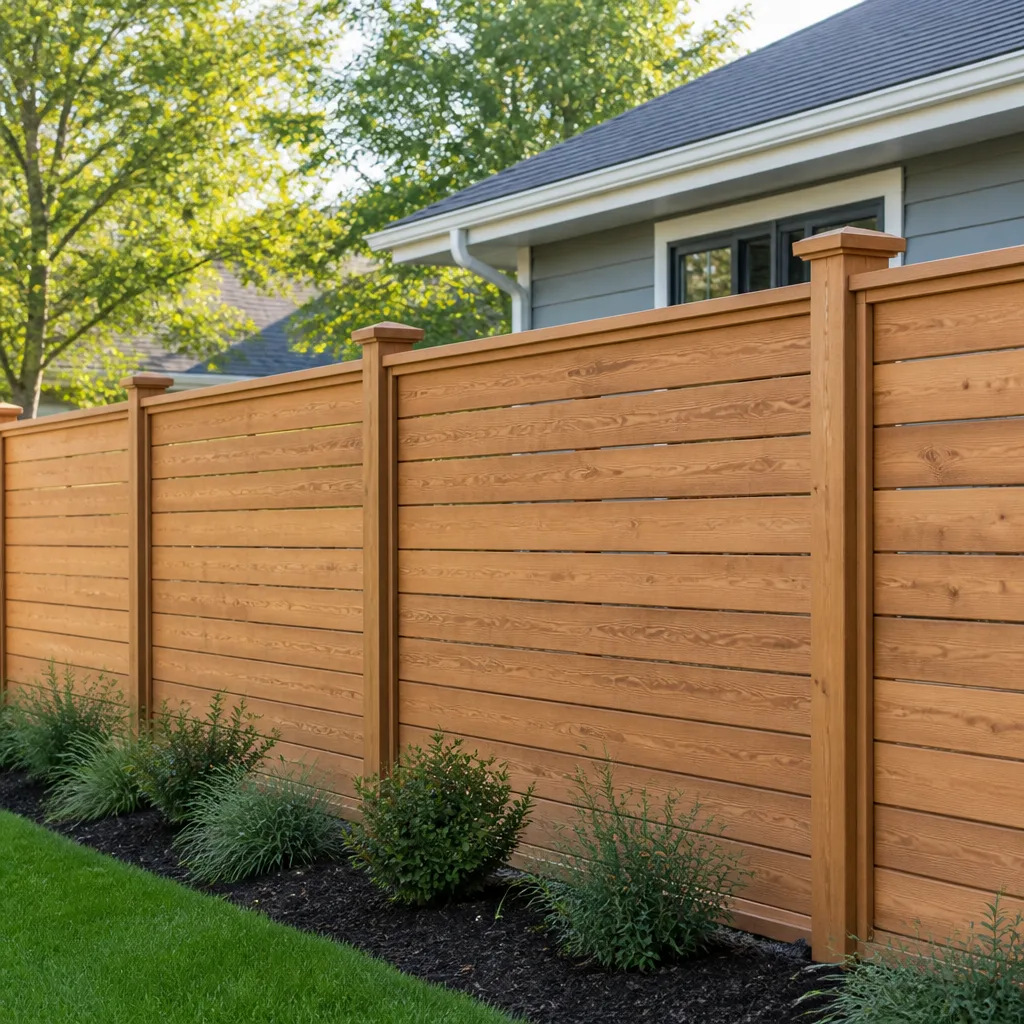
Signs Your Jerith Roofing Is Failing
- Water staining on a patio ceiling or along the top beam. This is the most common first sign in Thousand Oaks. The stain usually traps moisture at the flashing transition where a solid panel meets a post or lattice beam, not at the panel face itself.
- A flashing edge lifting away from the panel line. Aluminum expands and contracts through our temperature swings, and over years the fasteners that hold edge flashings can back out or wallow in their holes. A lifted edge catches wind and gets worse quickly.
- Rattling or a tinny buzz during strong winds. Loose panels, missing washers on fastener heads, or a failed closure strip will telegraph as a low metallic buzz along the eave line. Owners often hear it from inside a second-story bedroom before they ever see it from the yard.
- Granules or chalky streaks on the panels below a seam. On coated Jerith finishes, a chalky run-off line usually means the factory finish above it has begun to break down at a seam and the protective film is failing from the edge inward.
- Pitting or white oxidation at fastener points. Galvanic corrosion is real in coastal-adjacent Thousand Oaks microclimates: when a steel fastener touches an aluminum panel without a barrier washer, the aluminum sacrifices itself. You will see a chalky white ring around the screw head and a soft, thinned panel surface beneath it.
See the difference
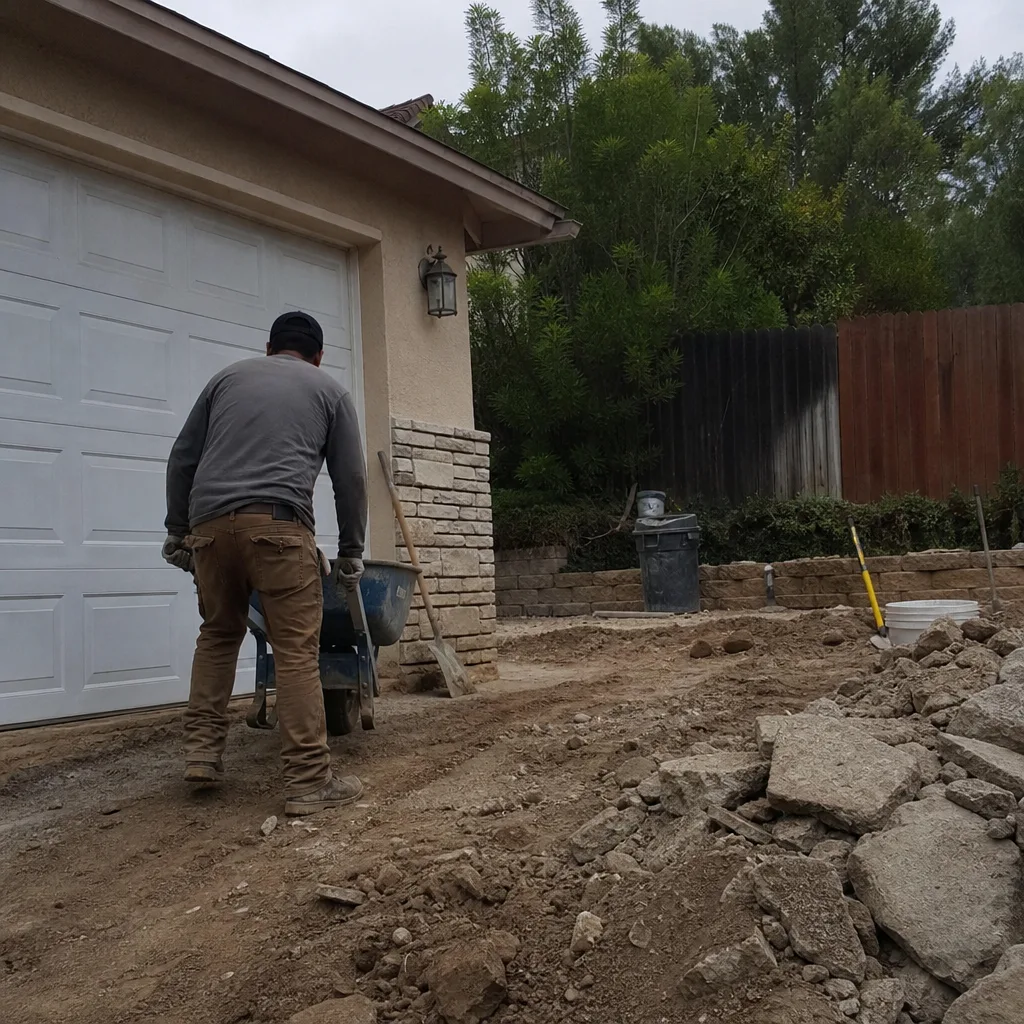 Before
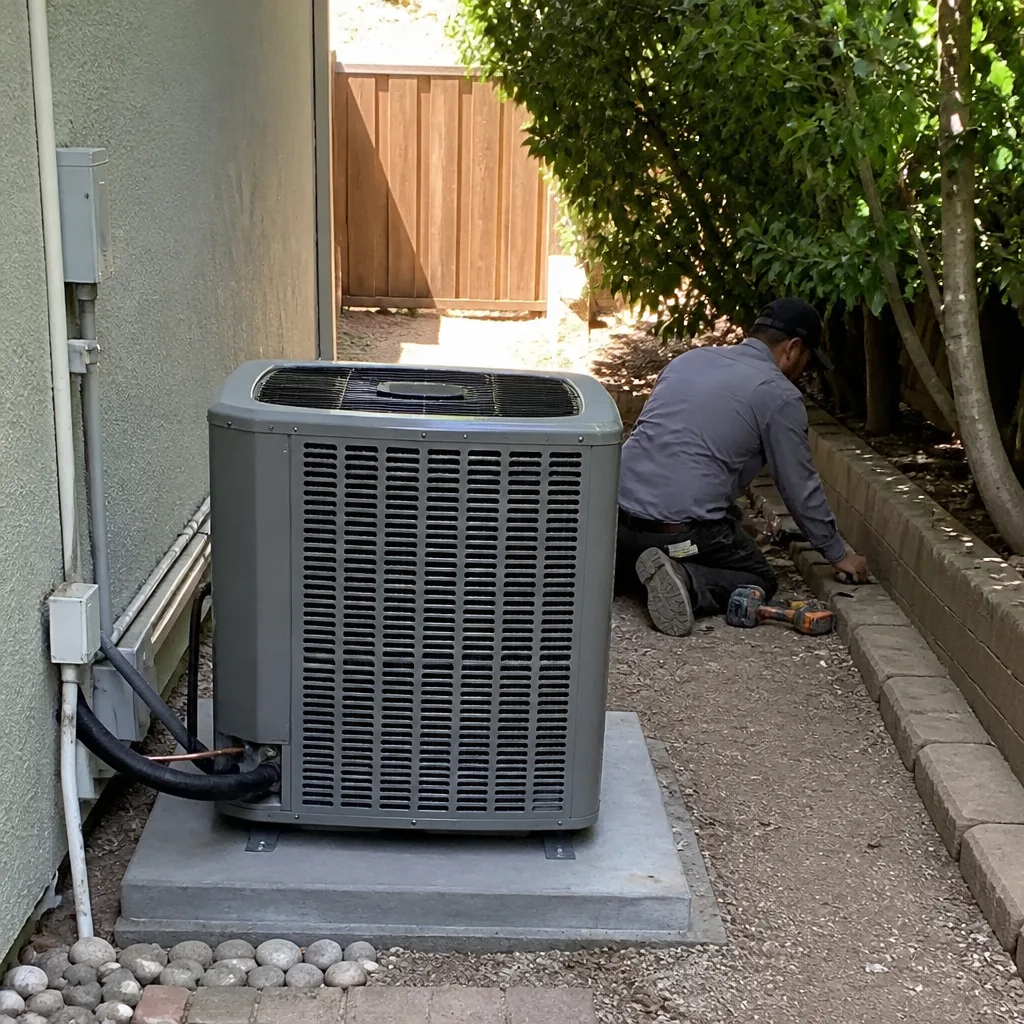 After
After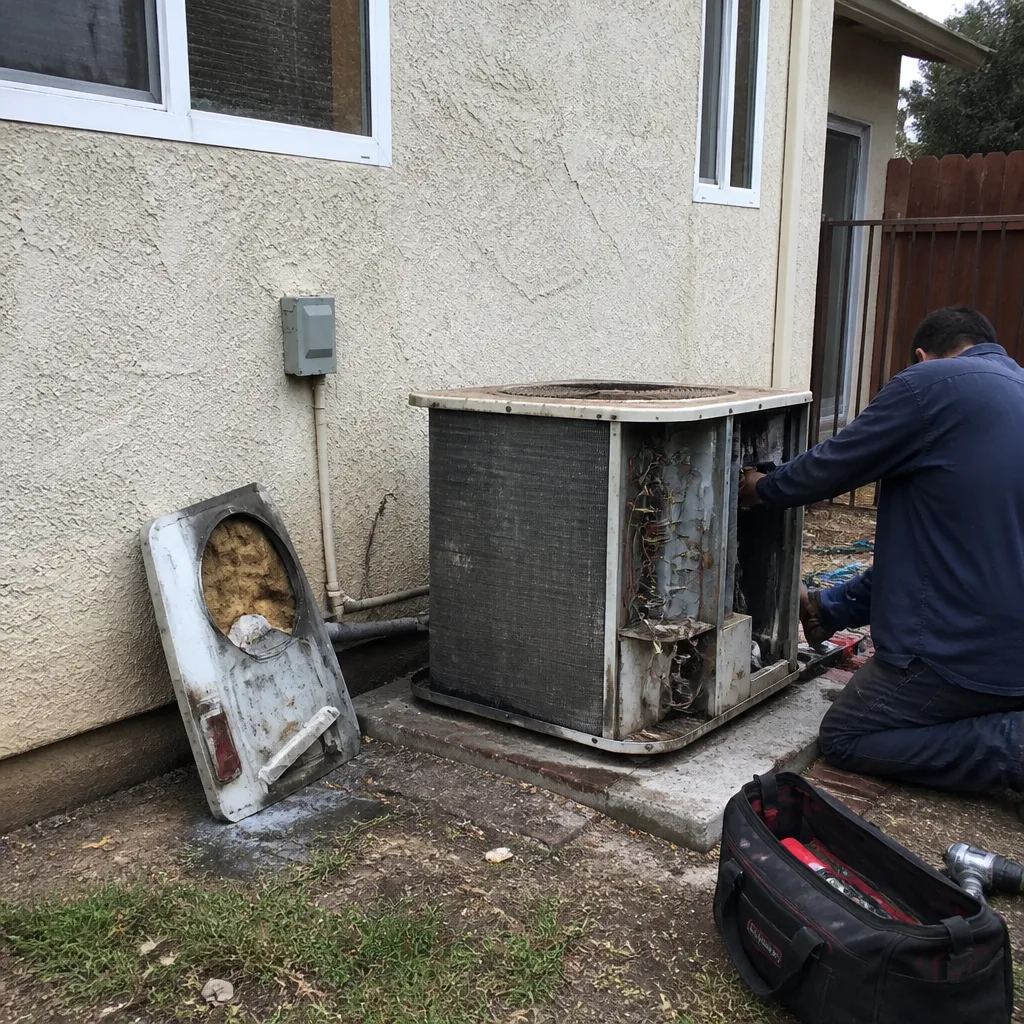 Before
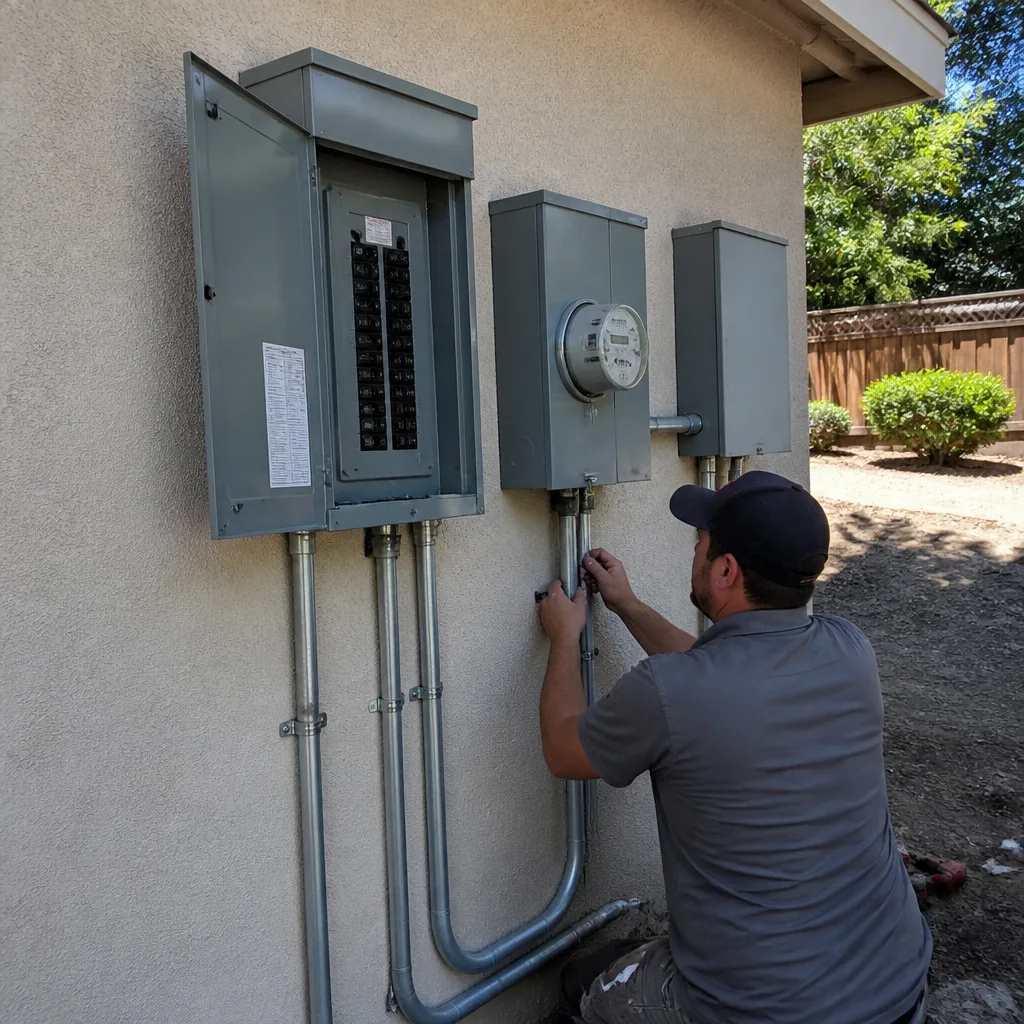 After
After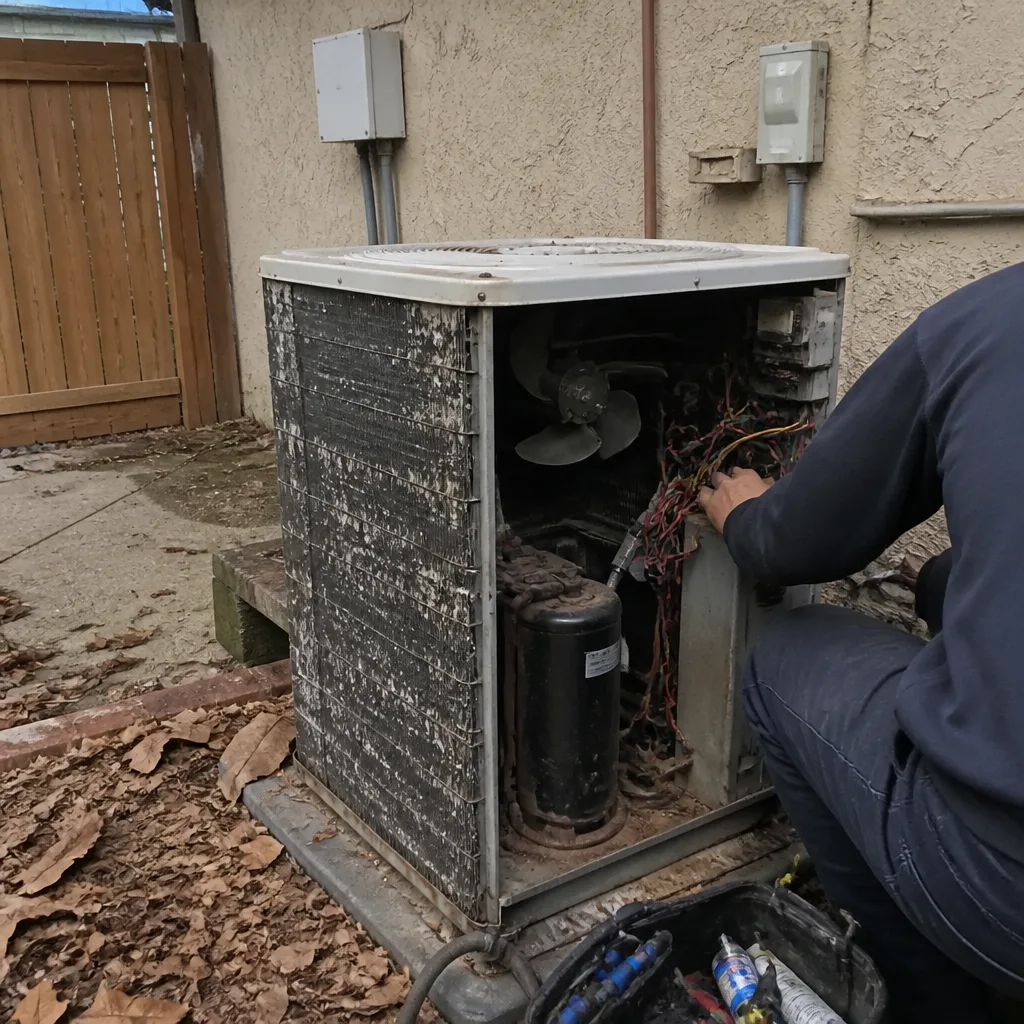 Before
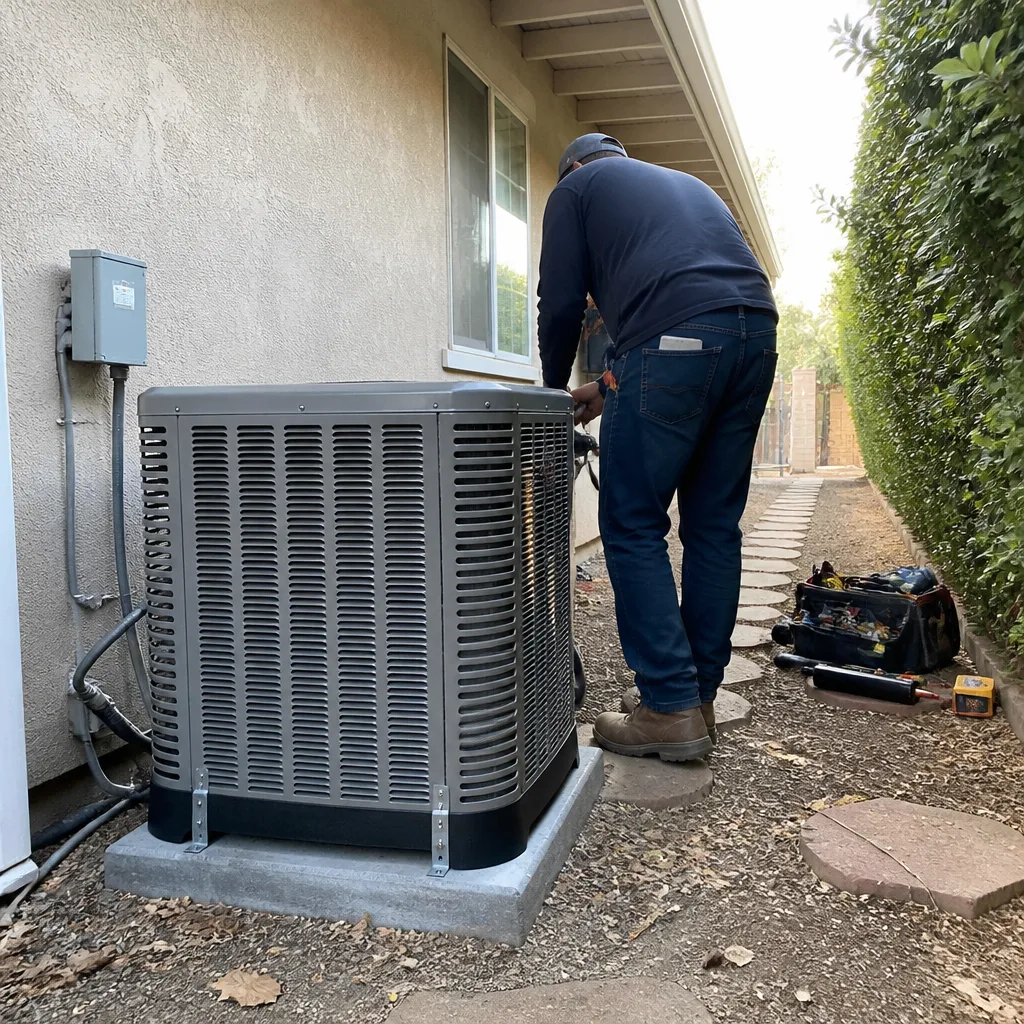 After
AfterReplacement Cost & What’s Included

In Thousand Oaks, Jerith roof repair work on a single failing part or section typically lands between $400 and $1,800. A basic flashing or closure strip swap is at the lower end; a multi-section eave repair with panel realignment and resealing runs toward the top of that range. Roof replacement and larger structural work falls under our broader roofing pricing at $8,000 – $20,000, which covers full tear-off and reinstallation where the damage goes beyond a parts repair.
Every quote we write for Jerith repair includes the part cost, the labor, the fasteners and sealants, and the fastening hardware, in writing, before work begins. There is no verbal estimate that grows on the final bill. The work is covered by our 365-Day Done Right Promise: if anything we installed fails within 365 days of the completion date, we return and make it right at no charge, no dispute process, no conditions.
DIY or Call Us?
What you can do safely from the ground is photograph the failure, note which section of the roof it is on, and check the gutter or patio below for pieces that have already dropped. What you should not do is climb onto an aluminum Jerith roof or work off a ladder at eave height to remove a flashing. Panels get extremely hot in the Thousand Oaks sun, the surface is slick, and a panel under wind load can move unexpectedly. Falls from roof edge height are the most common and most serious injury in this trade, and the risk is not worth the saved labor on a $400 part.
If you are on the fence, call us at (805) 309-3386 and describe what you see. We will tell you whether it is something simple or something that needs a technician on site, and the estimate is free either way.
FAQs
In our local climate, a Jerith aluminum roof system with intact finish and correct installation typically lasts 20 to 35 years before flashings, closure strips, or coated surfaces need real attention. The first things to fail are almost always the seal and fastener points, not the panel extrusion itself. Call (805) 309-3386 for an assessment if your roof is past year twenty and showing any of the signs above.
Sometimes, but not as often as homeowners hope. A flashing with a small seal gap can be re-bedded and resealed, but a flashing that is lifting consistently or showing pitting at fastener points is usually cheaper to replace than to chase with repeated repairs. We will show you the difference on site and quote the repair only if we think it will hold.
Most single-part Jerith repairs in Thousand Oaks are completed in two to four hours, including measuring, removal, reinstallation, and clean-up of any sealant debris. Larger eave section repairs can run a full day. Before booking, we confirm the scope in writing so there are no surprises about the time.
We keep common Jerith profile flashings, drip edges, closure strips, and fastener kits on our trucks, which means most straightforward repairs go same-visit. If your part is a less common extrusion or an OEM piece no longer in production, we tell you at the estimate stage exactly what lead time to expect before anything is scheduled. Call (805) 309-3386 and we will check for your specific part.
Tell me what you need done. We’ll tell you what it costs and how long it takes, then we’ll do exactly that. Our team works with specification-grade roofing materials, and we also keep parts on hand for kitchens and surfaces from KraftMaid, Cambria, and Silestone, so if the Jerith repair leads you to another project, we can price that too. We are an independent Thousand Oaks service provider, not affiliated with Jerith, but we know their product line and we will give you an honest read on your roof. Call (805) 309-3386 to schedule a free estimate.
Written by Isaac Pruett, Owner, Mason Remodeling Co – Thousand Oaks, CA at Mason Remodeling Co Thousand Oaks, serving Thousand Oaks and nearby areas.