Free written scope consultation - allowances, timeline, and change-order rules on paper before a single trade is scheduled
Ameristar Home Additions & ADU: The Thousand Oaks Owner’s Guide
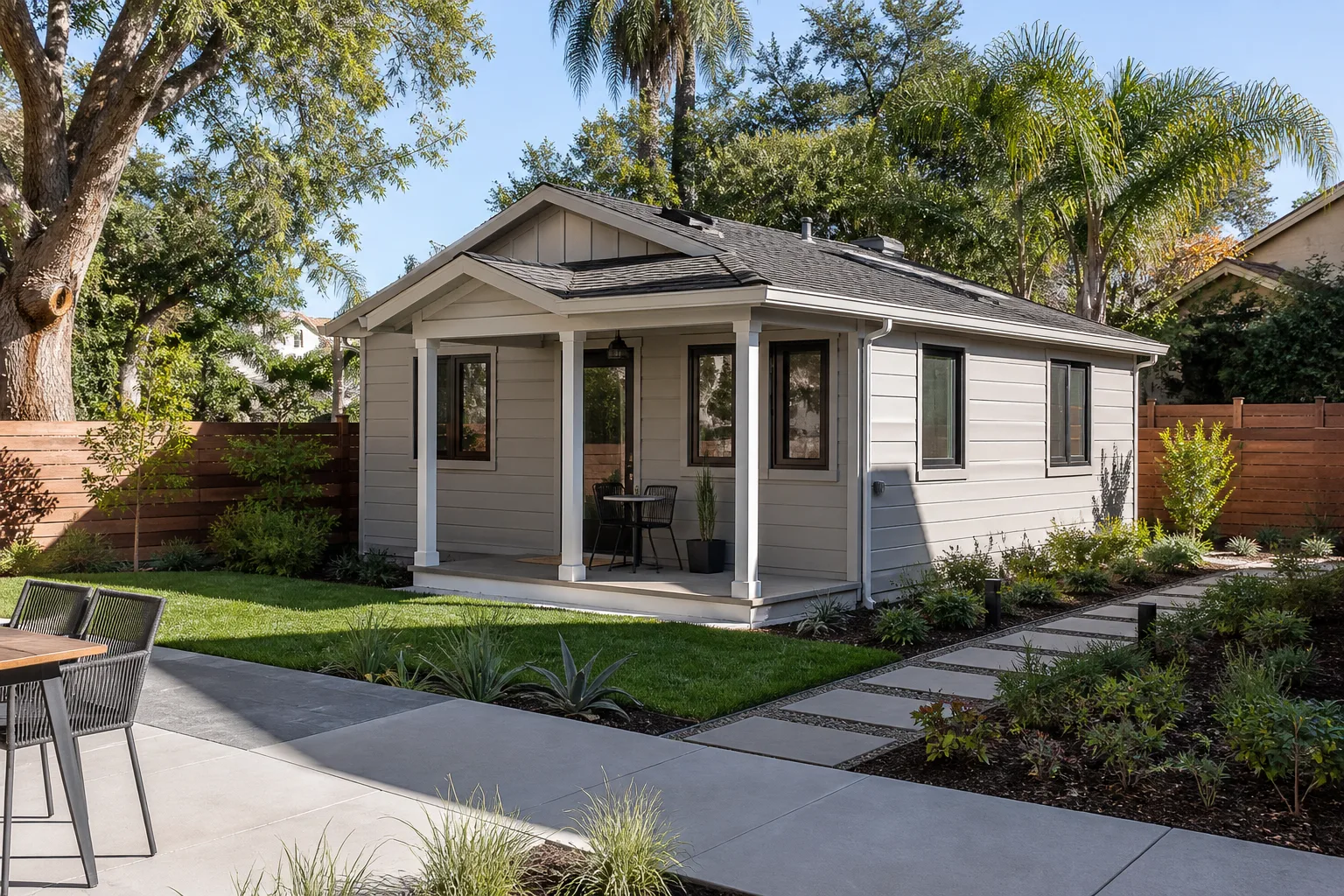
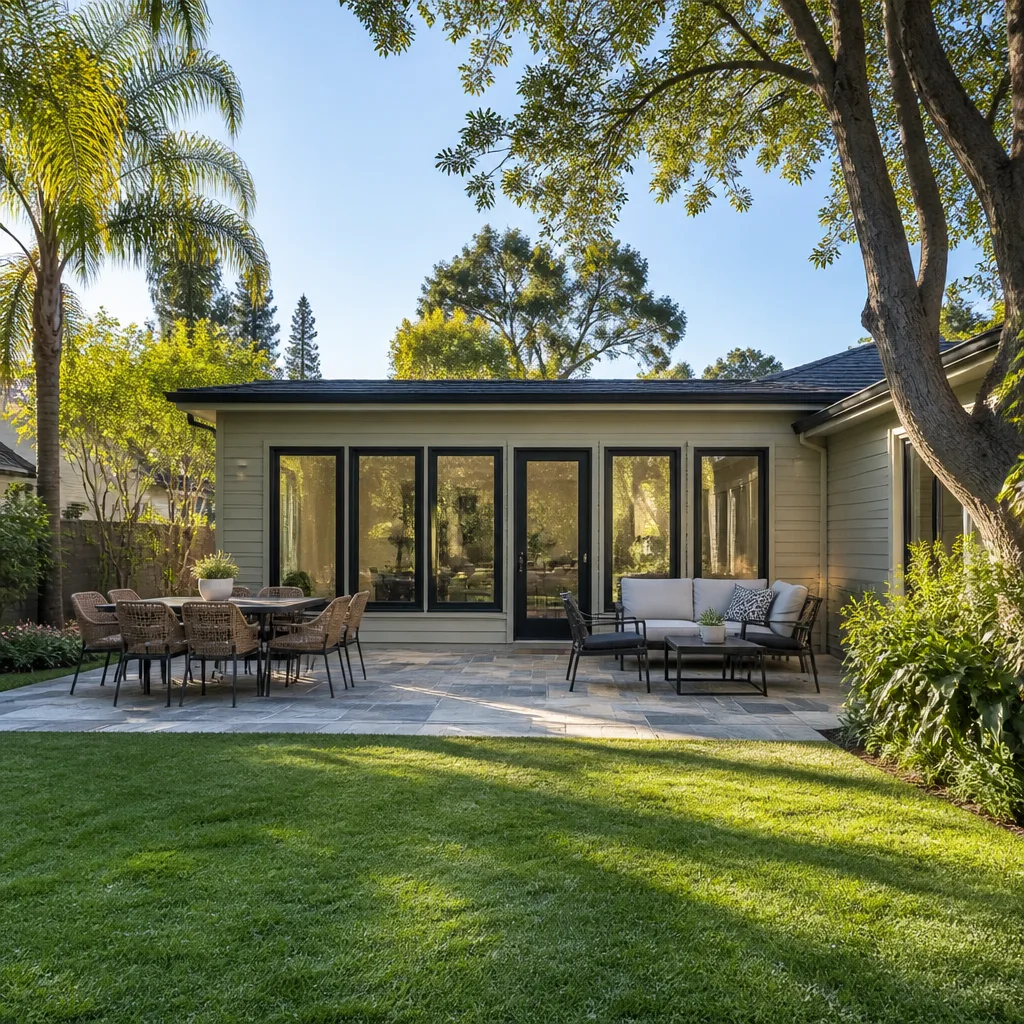
If you’re researching Ameristar home additions and ADUs in Thousand Oaks, you’re likely standing in a home that no longer fits or holding a set of plans that need a builder who actually shows up. A full home addition in Thousand Oaks typically runs $45,000 to $130,000 installed, while an attached or detached ADU lands between $90,000 and $220,000 depending on square footage, foundation work, and utility runs. The part that fails first in these projects isn’t a component at all, it’s the planning, which is why we put a written price in front of you before a single tool comes off the truck. We’re an independent Thousand Oaks contractor, not affiliated with Ameristar, but we’ve built enough additions and ADUs across this valley to know exactly where costs hide and where the value is.
Most homeowners find us after a previous bid collapsed, a project stalled mid-permit, or they realized the “budget” number they were quoted didn’t include electrical, drywall, or a finished floor. If that’s you, you’re in the right place.
Which Ameristar Models This Applies To
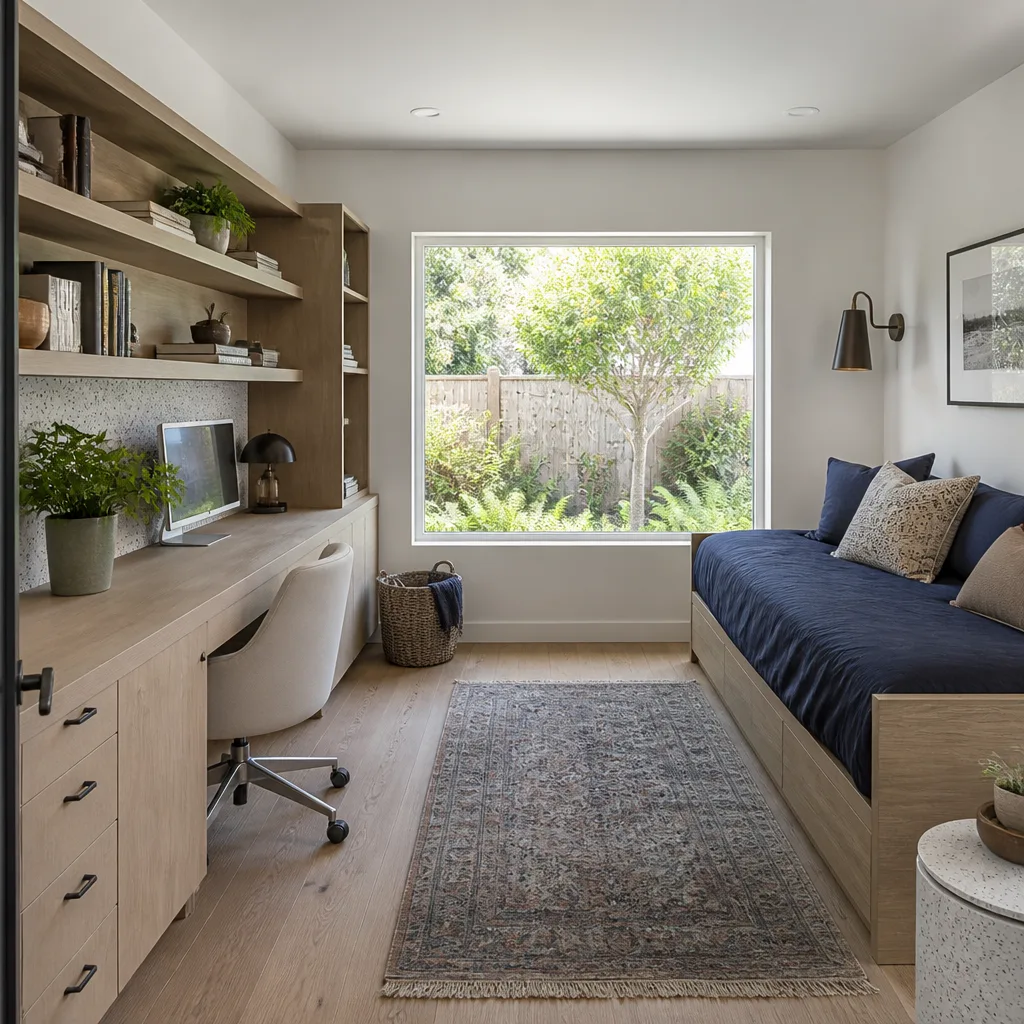
Ameristar isn’t a single product line we stock parts for, it’s a reference point homeowners often arrive with after seeing the name on older HVAC equipment, windows, or a prior builder’s proposal. When we hear “Ameristar” in the context of home additions and ADUs in Thousand Oaks, the real question is compatibility: what’s already on your property, and what does the new structure need to tie into it cleanly? The Ameristar name most commonly comes up on furnace and AC condenser units in this area, and a home addition almost always means extending ductwork, upsizing a system, or relocating a condenser. That’s where the Ameristar-specific decision matters: your existing Ameristar unit’s tonnage (typically 2 to 5 tons in Thousand Oaks homes) determines whether it can carry the added square footage or whether the addition requires a dedicated mini-split or a full system upgrade.
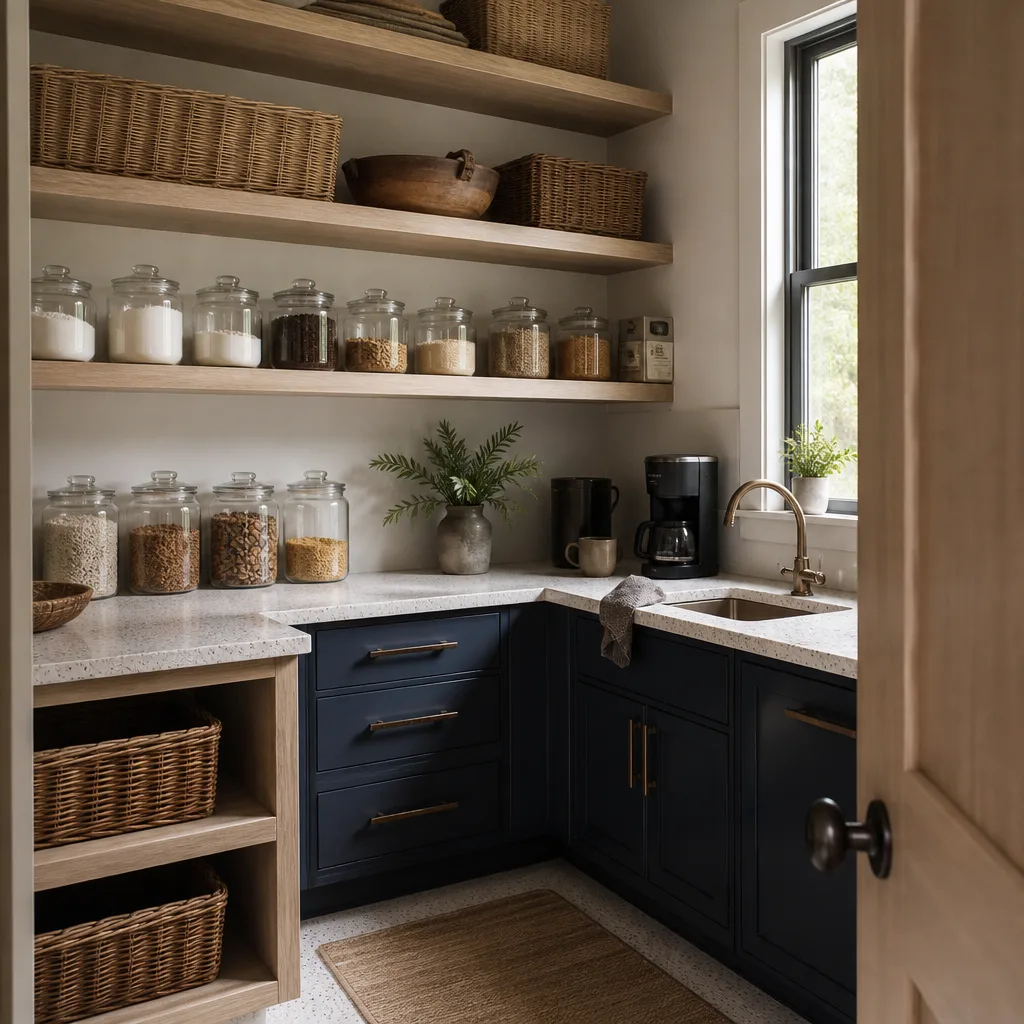
Two checkable specifics that matter here: First, Thousand Oaks sits in climate zone 3B, so additions and ADUs need Title 24 energy compliance, which frequently pushes you toward newer high-efficiency equipment rather than extending an aging Ameristar system. Second, most Ameristar residential condensers sold in this market run on R-410A refrigerant, which is being phased down under the EPA’s AIM Act. If your addition triggers HVAC work, you’ll likely be pairing new R-454B or R-32 equipment with whatever Ameristar unit remains, and your designer needs to know that before walls go up. For cabinets and surfaces, we also stock KraftMaid, Cambria, and Silestone, so the Ameristar tie-in on the finish side is usually straightforward.
The OEM-versus-aftermarket decision for Ameristar-branded equipment is simple: Ameristar is itself a value line, so component-level OEM sourcing is inexpensive, but aftermarket contactors, capacitors, and fan motors from established suppliers (think Mars, Supco, or Packard) perform identically for less. We stock the common failure parts on our trucks: dual-run capacitors, contactors, and condenser fan motors that match the spec ranges on Ameristar units we see across Thousand Oaks.
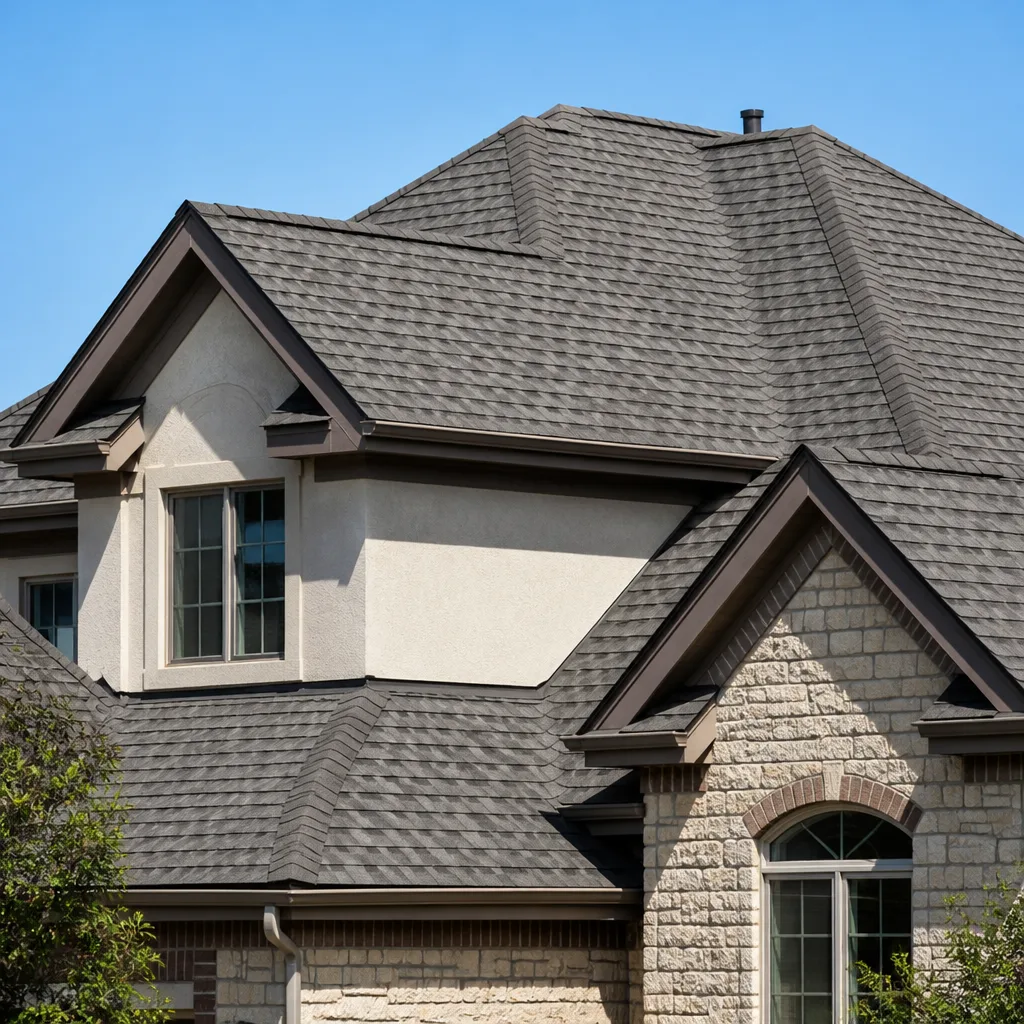
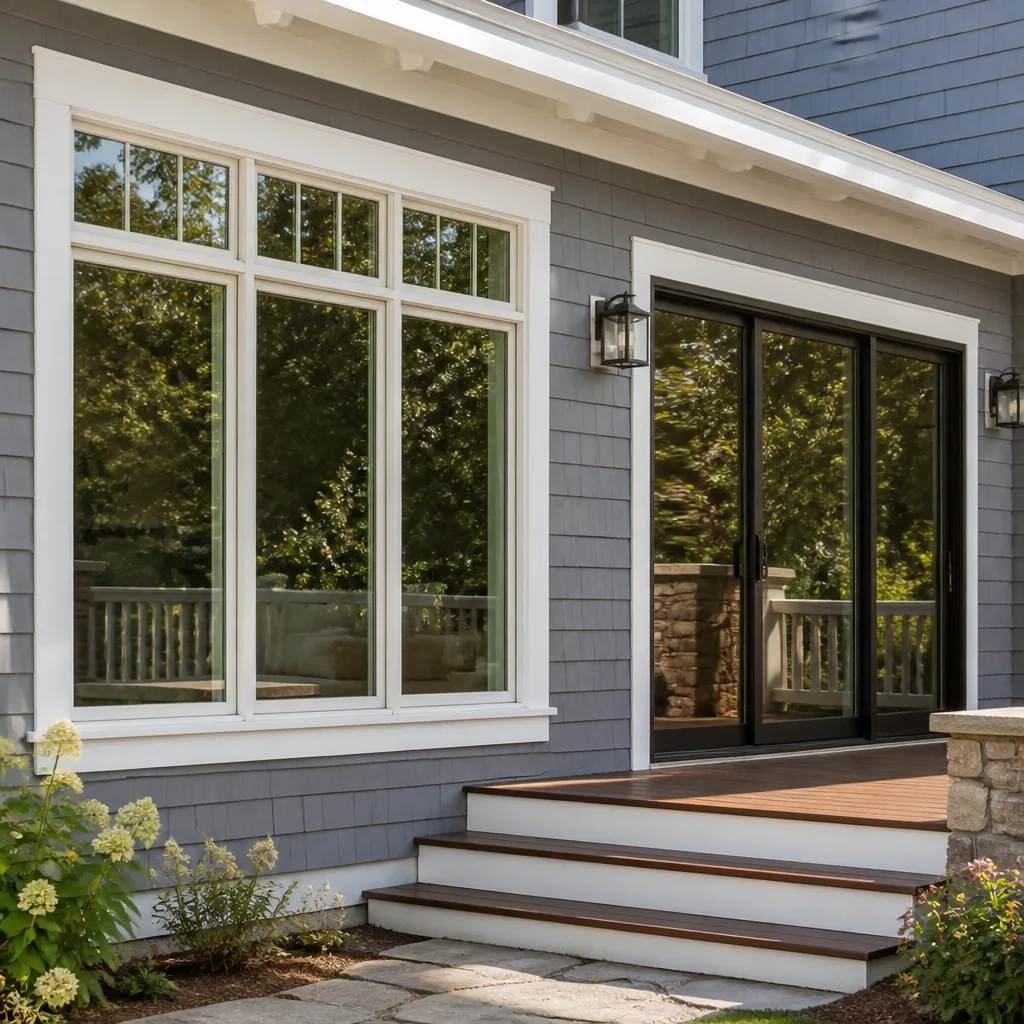
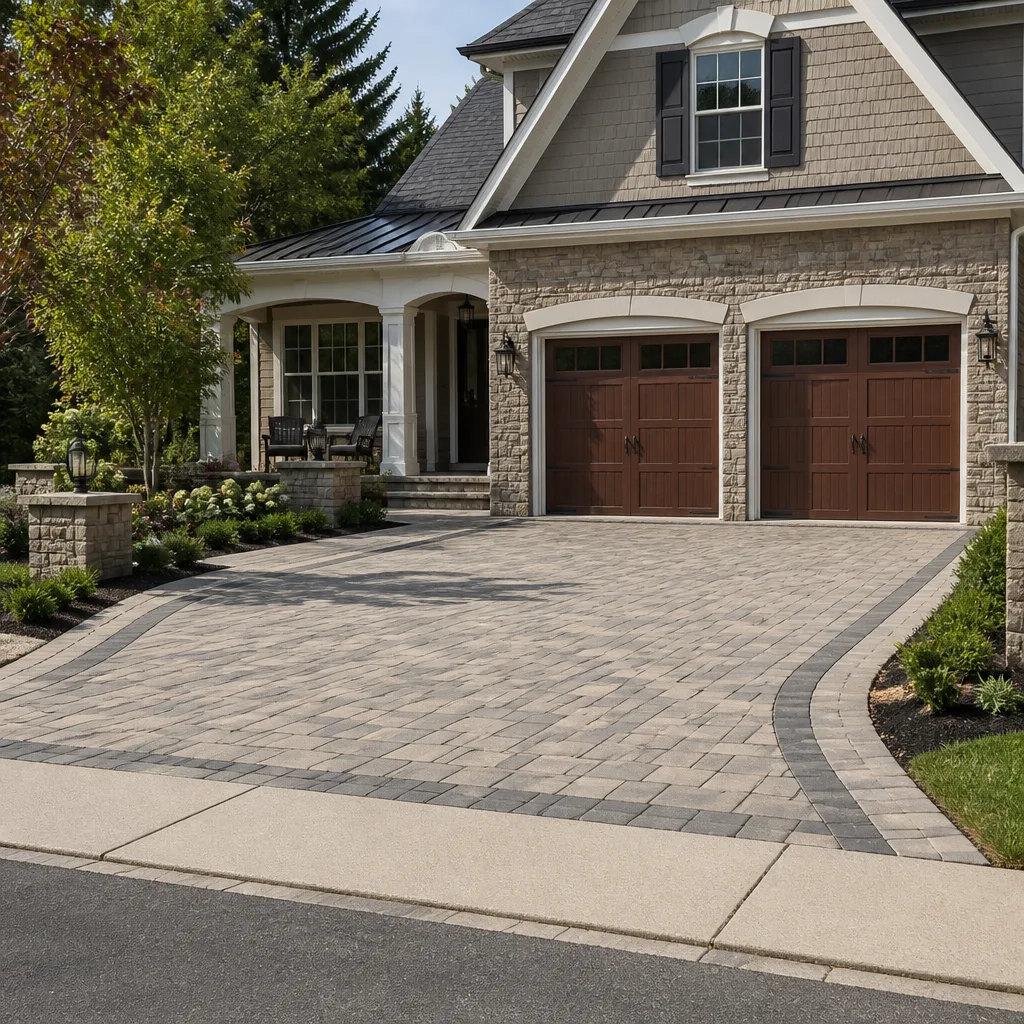
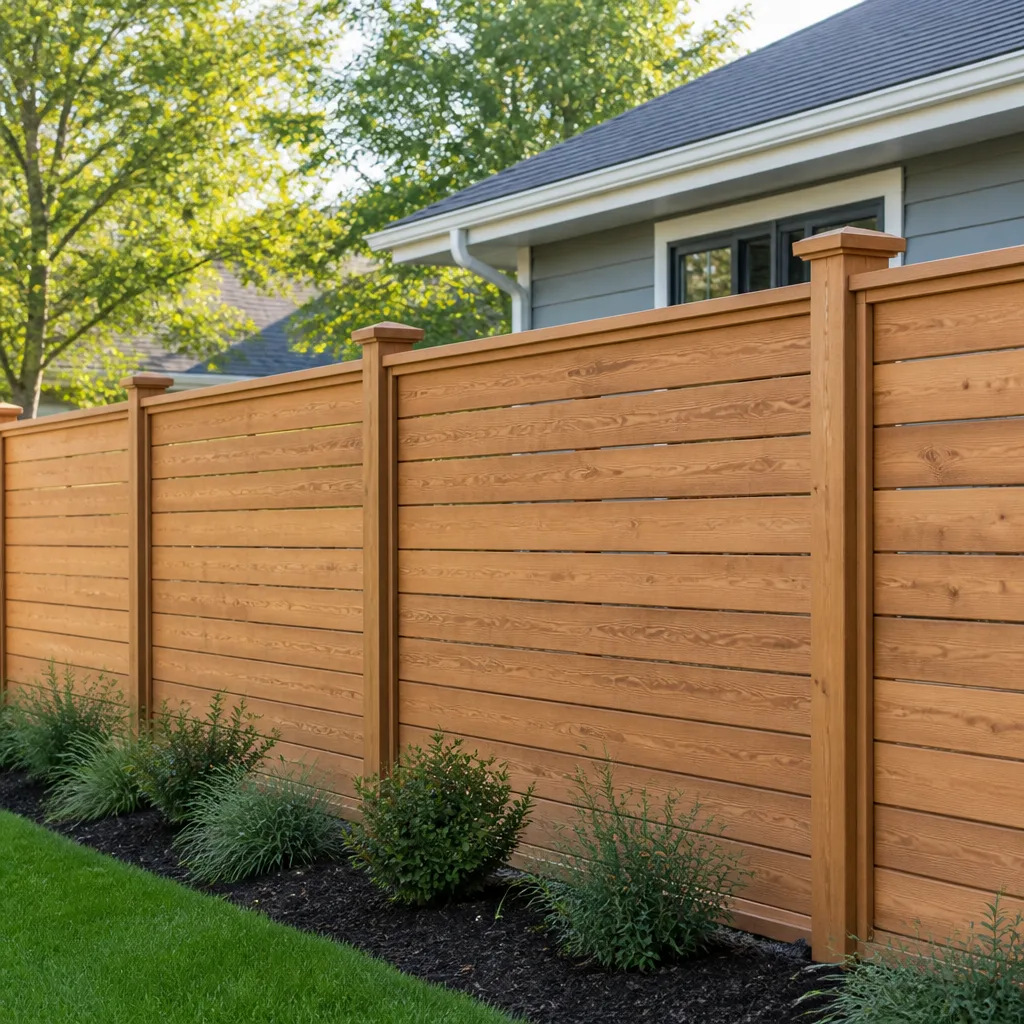
Styles & brands we work with
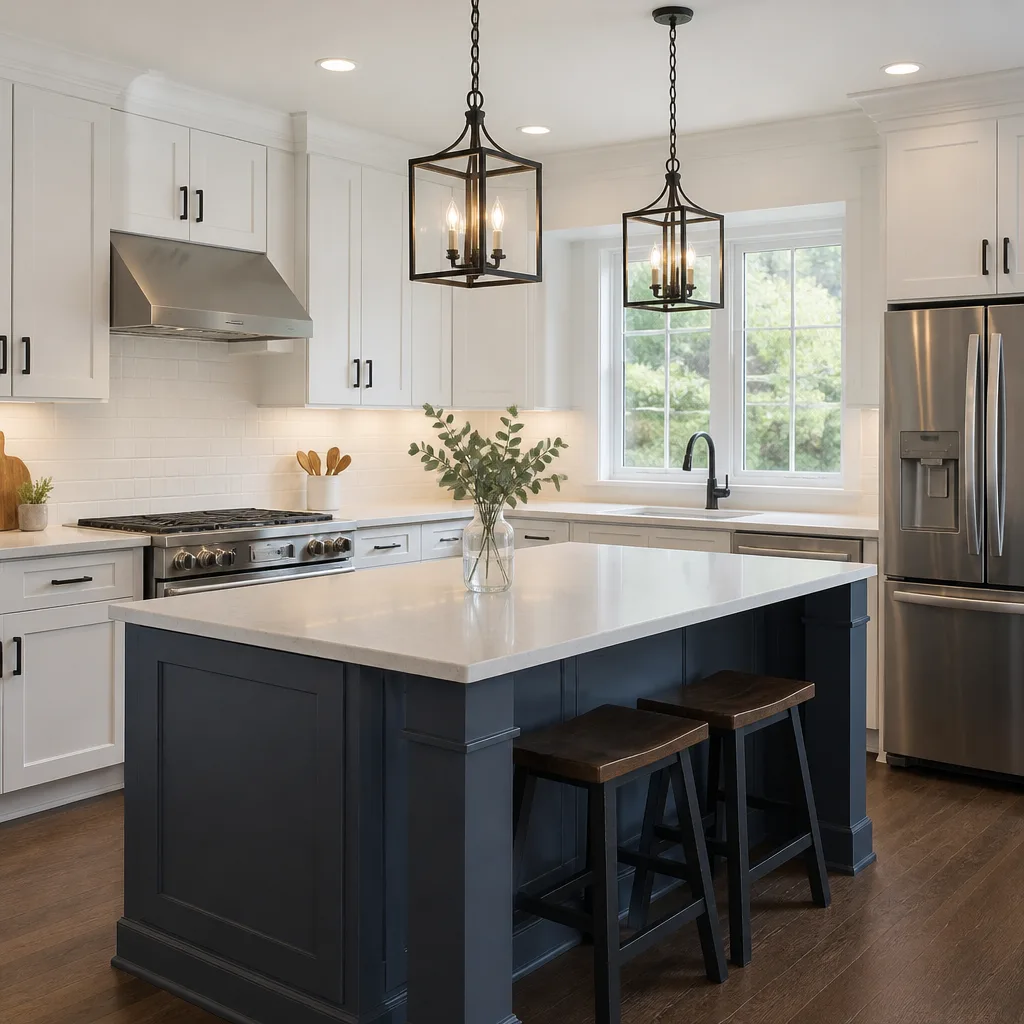
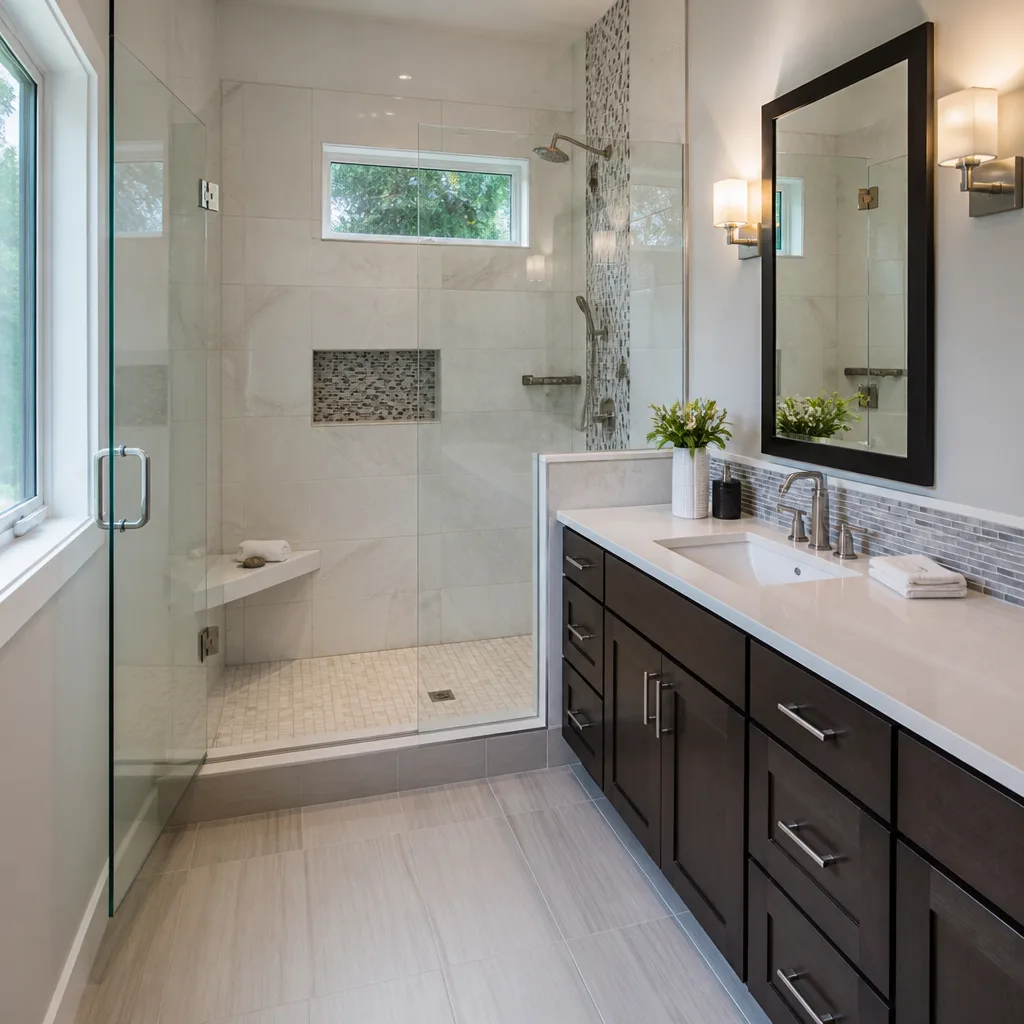
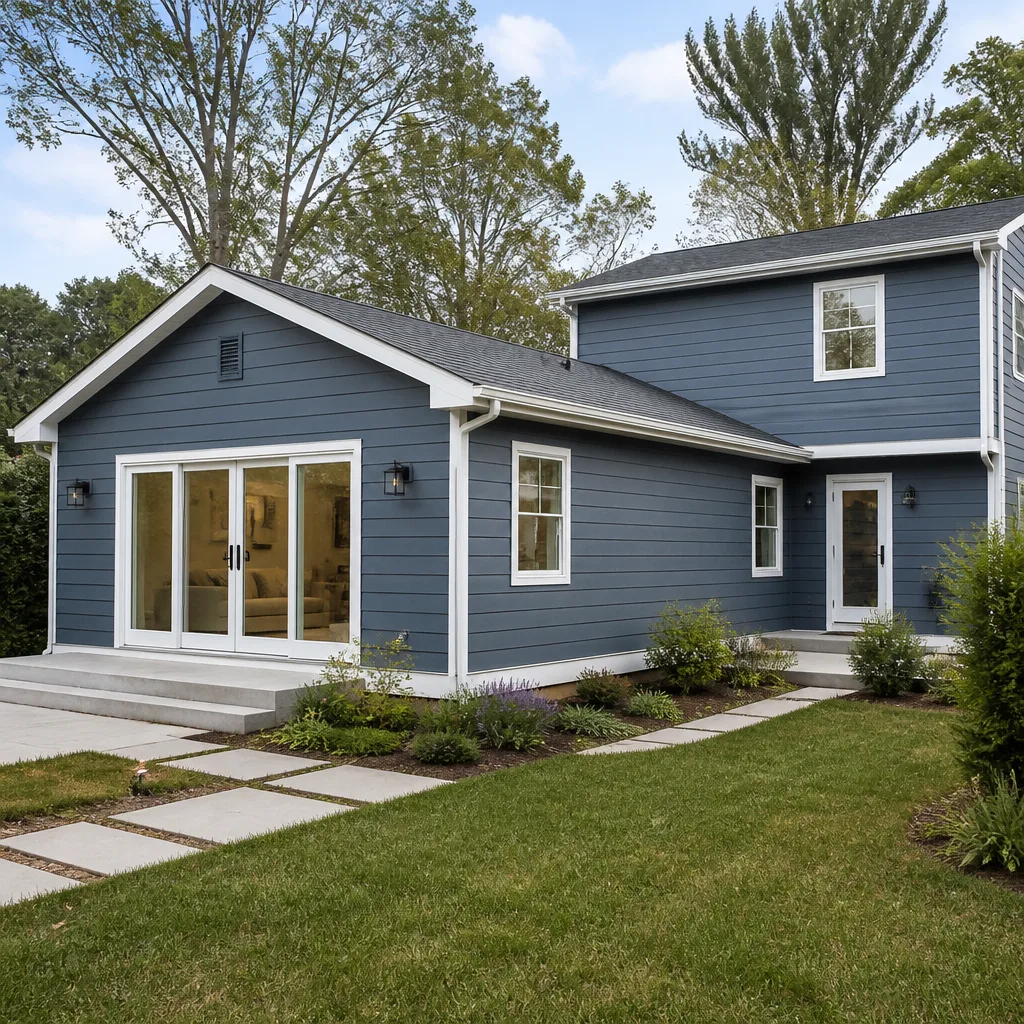
Signs Your Ameristar Home Additions & ADU Is Failing
- The system can’t hold temperature in the new space. If your existing Ameristar unit ran fine before the addition but now short-cycles or never reaches setpoint, it’s undersized for the added square footage. In Thousand Oaks summers, this shows up fast, usually in a room with west-facing glass. This is a load-calculation failure, not a component failure.
- Condenser runs constantly but airflow is weak in the addition. Duct runs were likely extended too far or sized incorrectly, and static pressure is strangling the blower. We see this most often in additions over 400 square feet that tied into existing trunk lines instead of getting a dedicated zone or mini-split.
- New drywall cracks at the seam where the addition meets the original structure. This is a settlement and attachment issue, not cosmetic. Thousand Oaks sits in a seismic zone, and an addition that wasn’t properly tied with shear transfer hardware will crack at the transition line within the first two years.
- Moisture or mildew smell in the ADU after the first winter. The vapor barrier or drainage plane was likely installed incorrectly, or the ADU sits too close to grade. Thousand Oaks gets enough winter rain that a poorly flashed addition shows its problems by March.
- Permit tags or inspection records are missing for the structure. If the previous owner or a prior contractor added square footage without permits, you’re holding the liability. Unpermitted ADUs in Thousand Oaks can lose their legal rental status and complicate any future sale, and bringing them into compliance can cost as much as building the structure correctly the first time.
See the difference
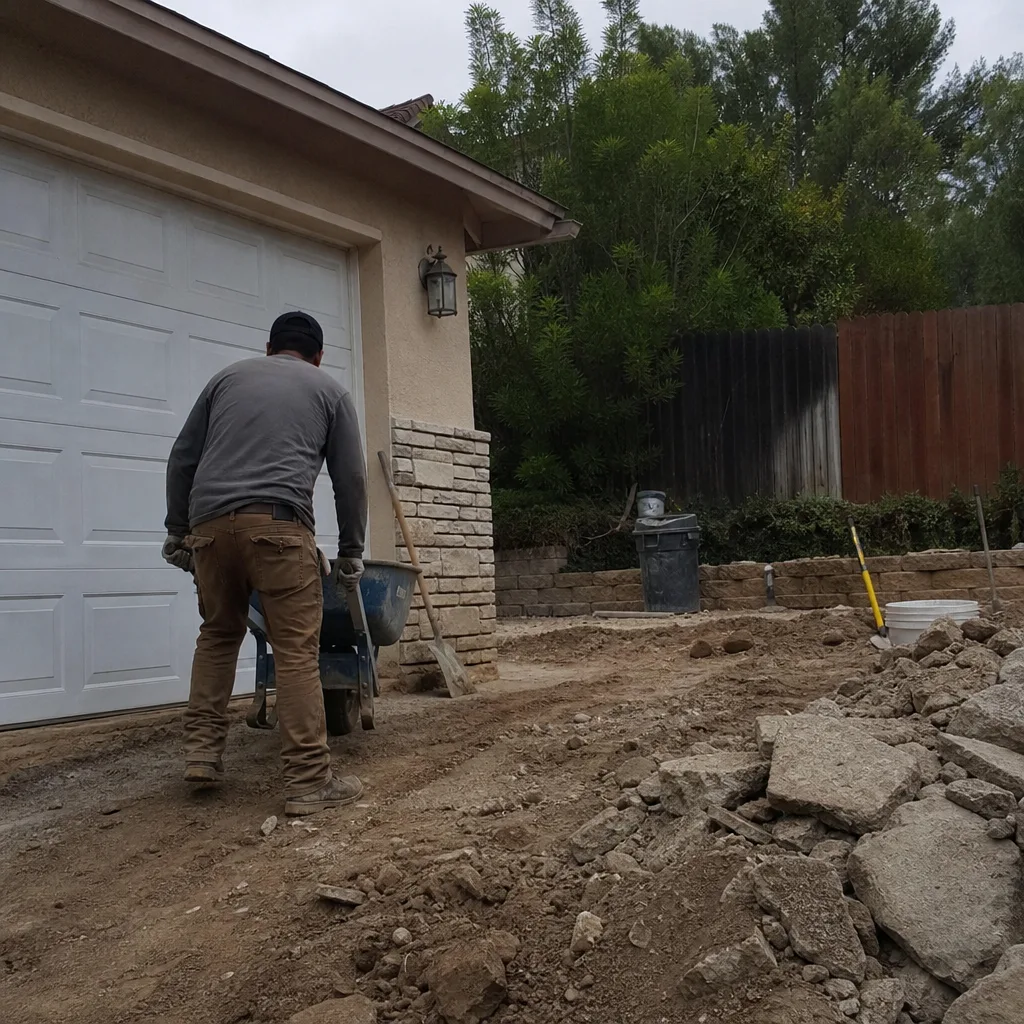 Before
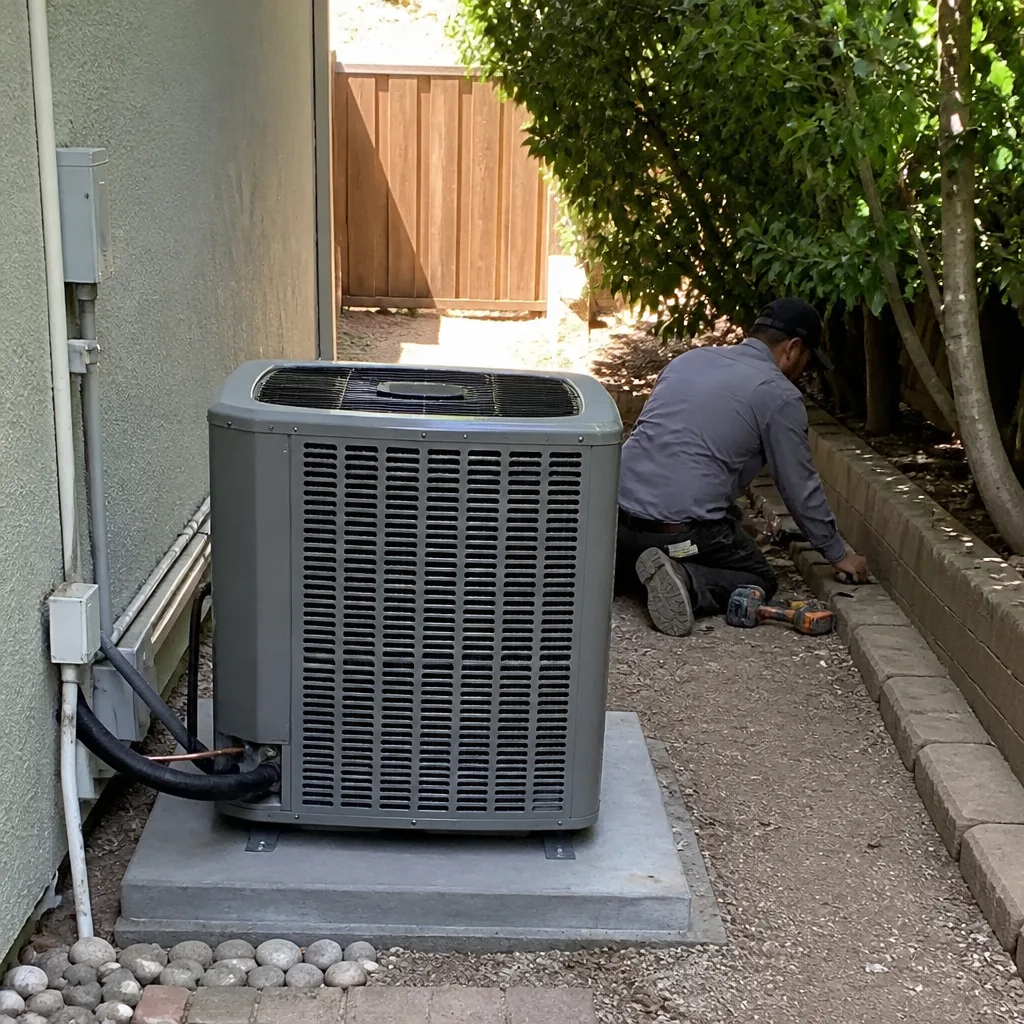 After
After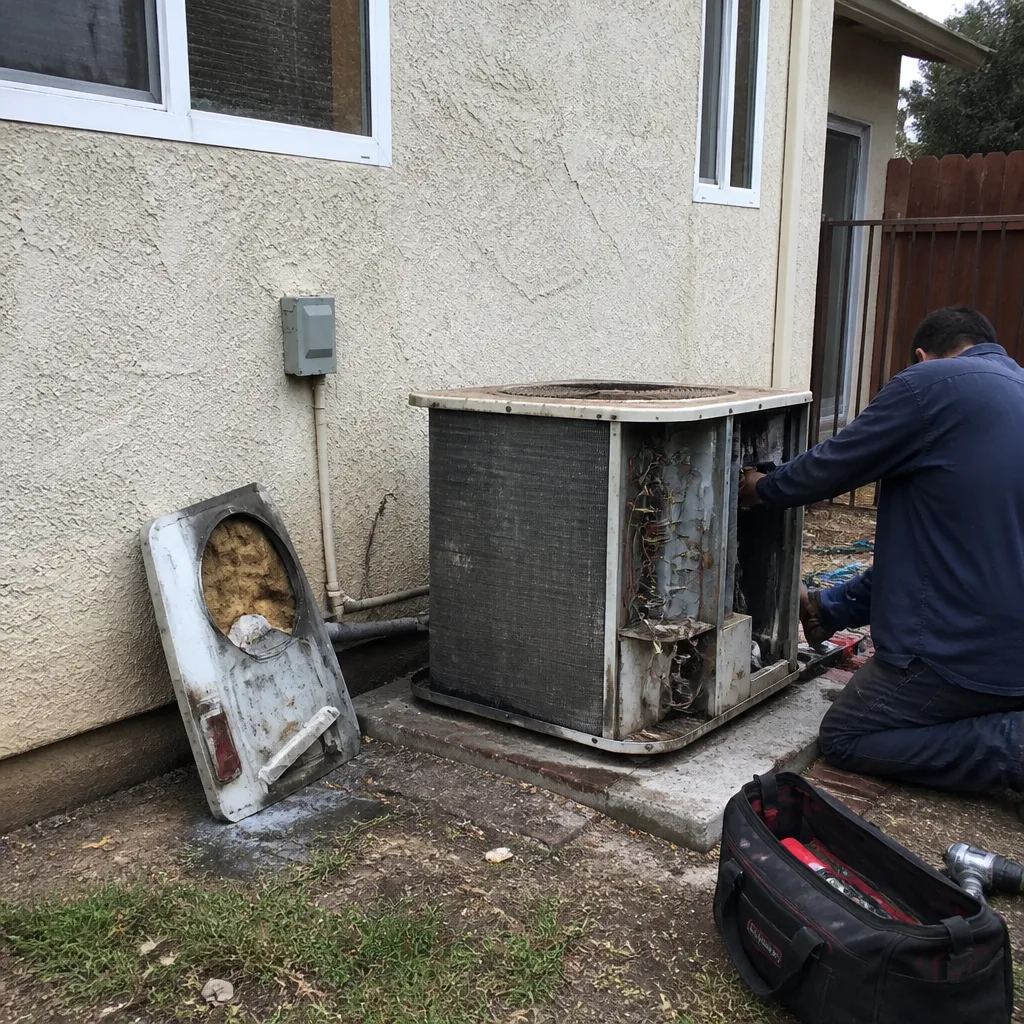 Before
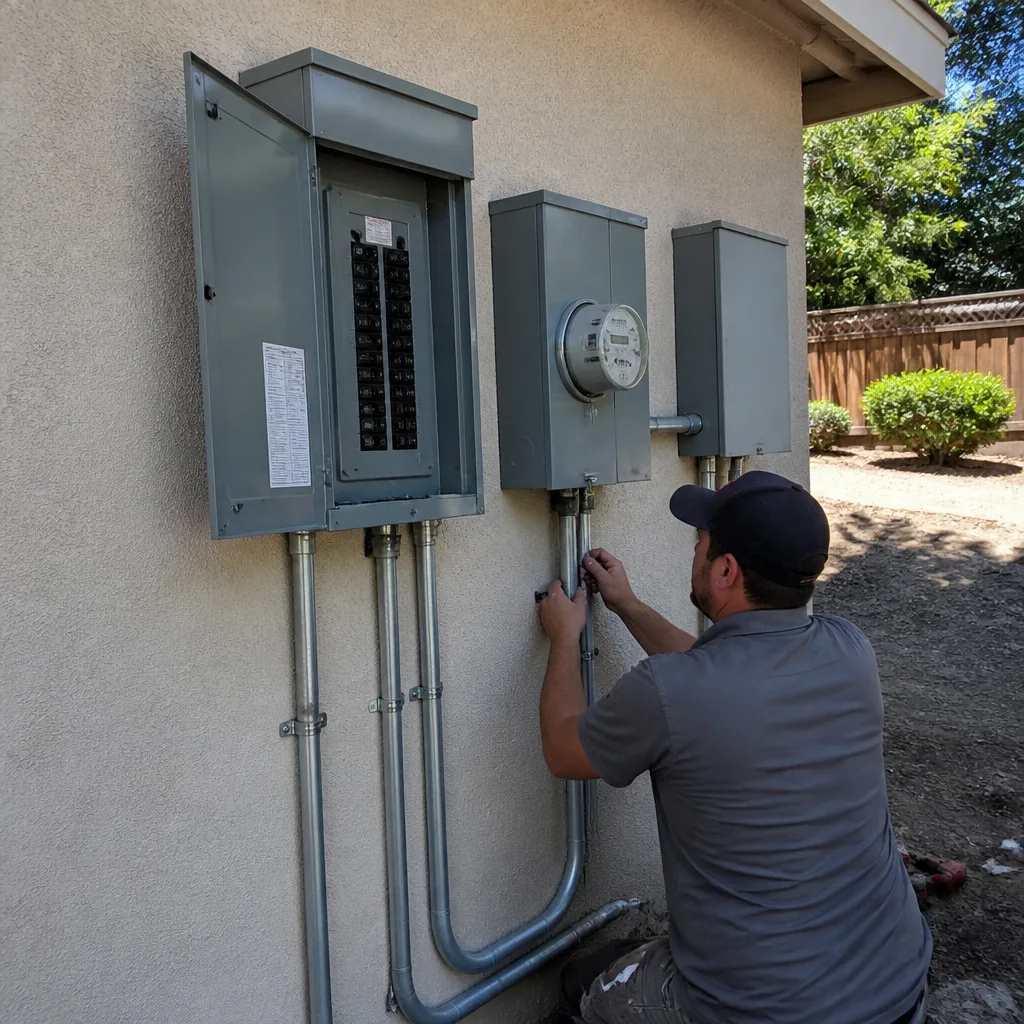 After
After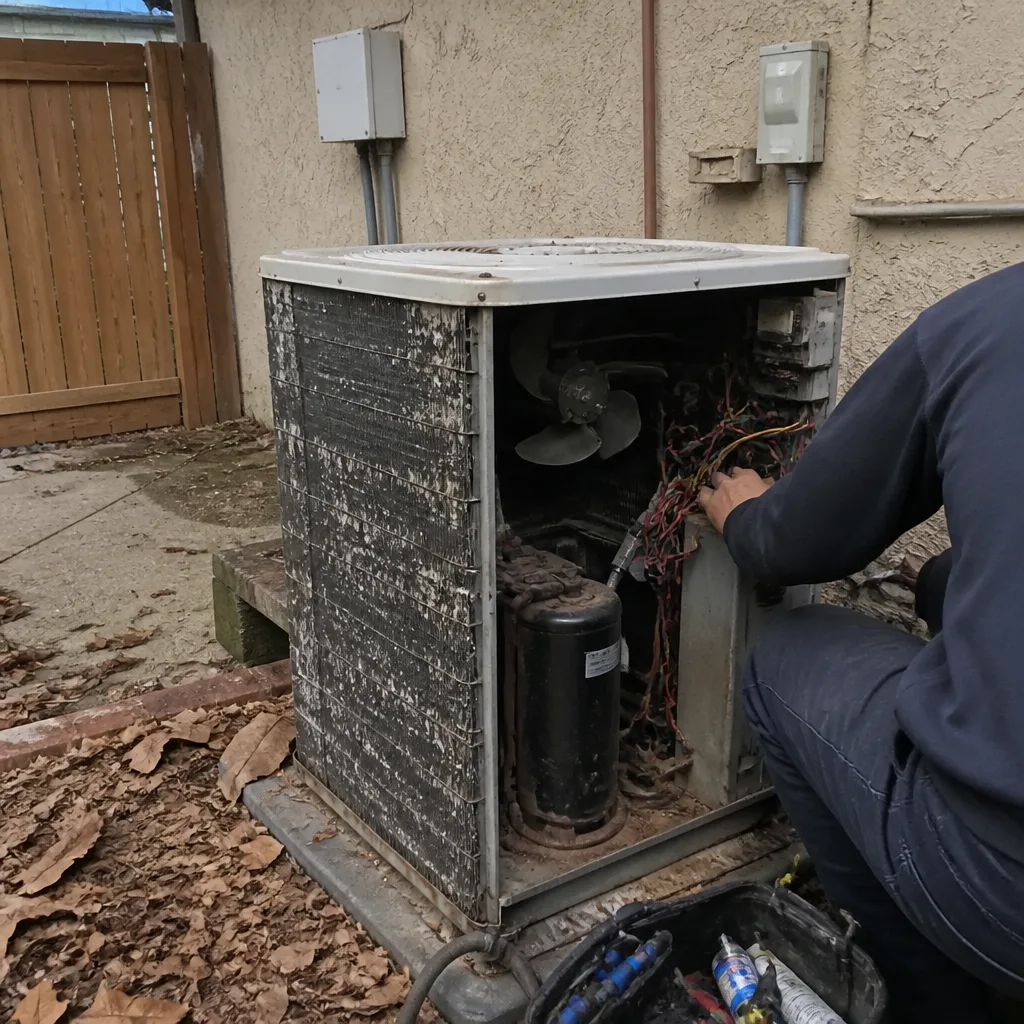 Before
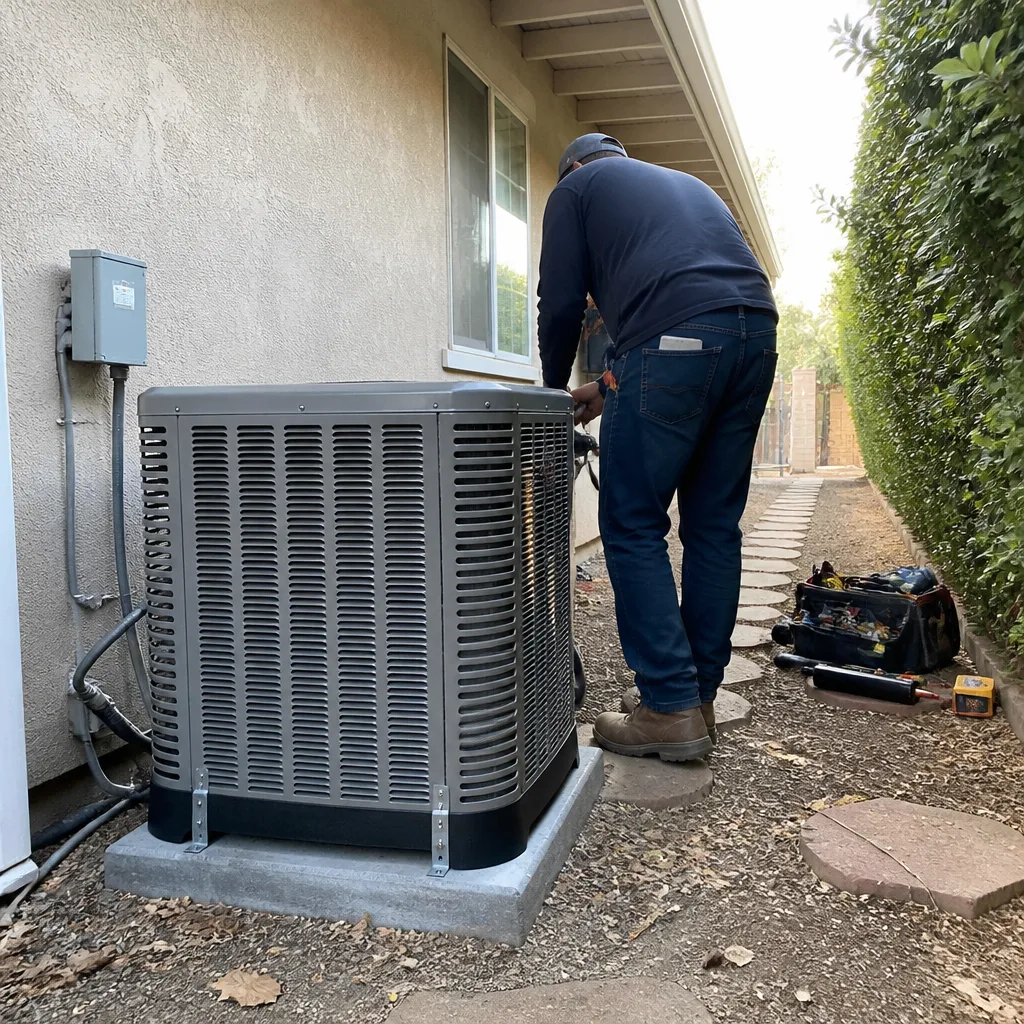 After
AfterReplacement Cost & What’s Included
What You’ll Pay in Thousand Oaks
| Project Type | Installed Price Range |
|---|---|
| Home Addition (attached, basic finish) | $45,000 – $130,000 |
| ADU Construction (detached, turnkey) | $90,000 – $220,000 |
| Garage Conversion (ADU) | $30,000 – $80,000 |
The spread inside each range is driven by site conditions specific to Thousand Oaks: hillside lots near Lang Ranch add foundation and access costs, homes built before 1990 often require panel upgrades when an ADU adds a second meter, and any addition over 500 square feet triggers Title 24 compliance with its own engineering requirements. A $45,000 addition is usually a single room bump-out with a simple roofline. A $130,000 addition is a multi-room build with a new bathroom, structural beam work, and upgraded electrical.
Every estimate we write for Thousand Oaks homeowners includes all labor, materials, permit fees, and a written line-item breakdown delivered before work starts. No verbal estimates, no change orders that inflate the final bill. Our workmanship warranty covers the project for 365 days from the completion date, and if something isn’t right within that year, we make it right at no cost to you. We pull permits on every addition and ADU, and we schedule and pass every inspection. If your project involves HVAC tie-in work with an existing Ameristar unit, we’ll tell you on the front end whether that system should stay or go.
DIY or Call Us?
Some parts of this work you can absolutely handle yourself. Painting the new walls, selecting finishes, designing the closet layout, even running a fresh air filter into an existing Ameristar return, all of that is squarely inside homeowner territory and we’ll never charge you for labor you don’t need. What you should not do yourself is any structural work: cutting into load-bearing walls, pouring footings, running gas lines, or field-wiring a panel. On a Thousand Oaks hillside, a bad footing isn’t a mistake you can caulk over, it’s a cracked foundation and a very expensive correction.
The honest split is this: if the task involves a building permit, a structural engineer’s stamp, or any circuit that carries more than 120 volts, call us. We’ve seen additions where a homeowner saved $8,000 by framing it himself and then spent $27,000 fixing the shear wall that failed inspection. Tell me what you need done. We’ll tell you what it costs and how long it takes, then we’ll do exactly that. Call (805) 309-3386 and we’ll come look at your property, walk the existing Ameristar equipment, and hand you a written number.
FAQs
A typical attached home addition in Thousand Oaks takes 3 to 5 months from permit approval to final inspection, while a detached ADU usually runs 4 to 7 months depending on utility trenching, foundation type, and whether the site requires retaining walls. Call (805) 309-3386 and we’ll give you a timeline for your specific lot and scope, estimates are free.
Yes, in many cases. If the framing is sound, a failing addition can often be corrected by re-flashing the transition seam, upgrading the insulation, replacing undersized HVAC runs, or adding shear hardware. The repair question usually comes down to whether the existing structure was permitted; if it wasn’t, the repair path in Thousand Oaks may require bringing the entire assembly up to current code. Call (805) 309-3386 for an exact assessment and a written quote, free of charge.
We carry common Ameristar HVAC failure parts (capacitors, contactors, condenser fan motors) on our trucks for tie-in work, and we source structural, electrical, and finish materials through our specification-grade partnerships so we’re not waiting on backordered components mid-project. For cabinetry we work with KraftMaid, and for surfaces we use Cambria and Silestone. Call (805) 309-3386 and we’ll confirm what’s needed for your scope.
No. The written price you receive before work begins is the price you pay, unless you change the scope or we uncover a concealed condition that no inspection could have revealed (rotted sill plate, undocumented septic line, that sort of thing). If that happens, we stop, show you what we found, and get your written approval on any revision before proceeding. Call (805) 309-3386 for a written estimate on your addition or ADU project.
Written by Isaac Pruett, Owner, Mason Remodeling Co – Thousand Oaks, CA at Mason Remodeling Co Thousand Oaks, serving Thousand Oaks and nearby areas.