


Free written scope consultation - allowances, timeline, and change-order rules on paper before a single trade is scheduled
Caesarstone Kitchen Remodeling: The Thousand Oaks Owner’s Guide
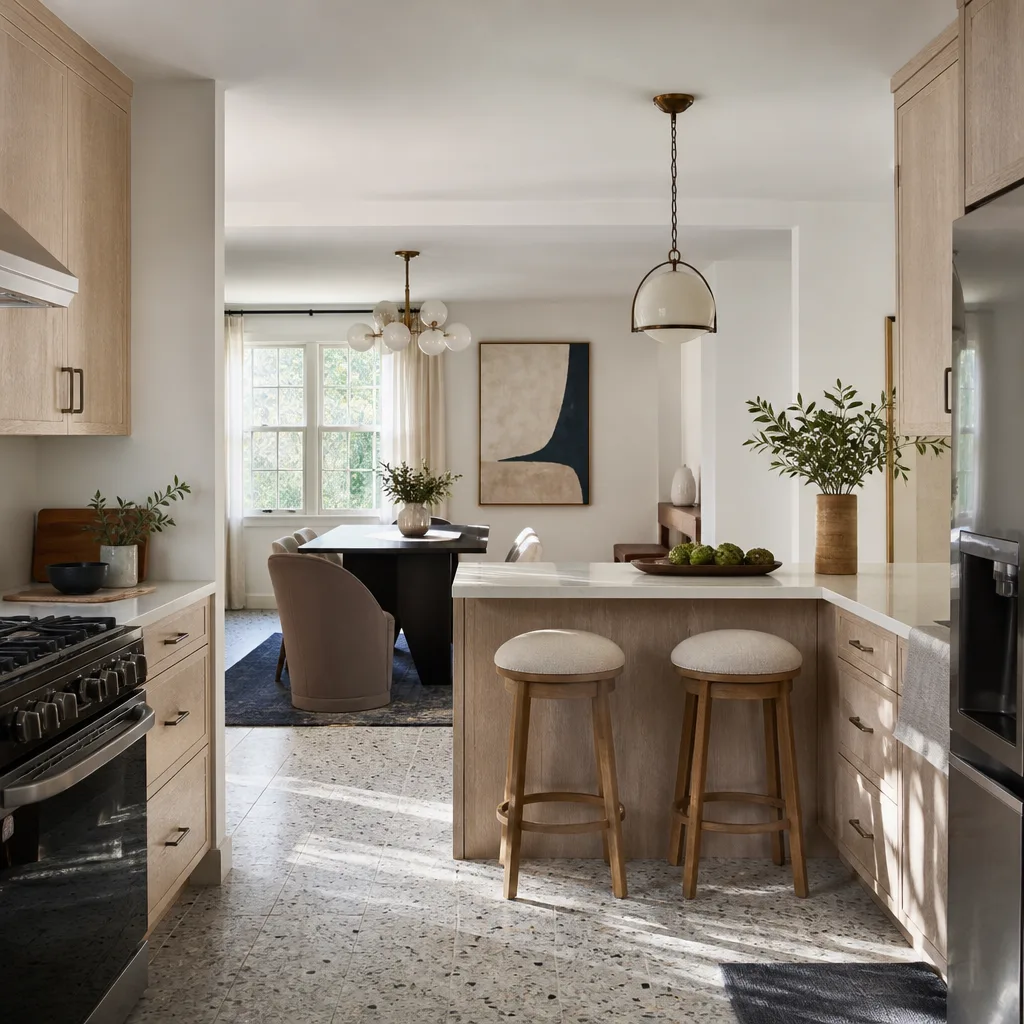
A full Caesarstone kitchen remodel in Thousand Oaks typically runs $14,000 to $45,000 installed, depending on countertop square footage, cabinet scope, and whether you’re reconfiguring plumbing or electrical. We stock Caesarstone-compatible edge profiles, sink cutout templates, and seam adhesives on our trucks, which means most countertop or backsplash issues can be quoted and scheduled without a second trip. The frustrating part for most owners isn’t the material itself. It’s discovering the original installer used a generic seam adhesive or the wrong support bracket, and now you have a hairline crack running across a $4,000 slab.
We’ve walked into kitchens near Westlake Village and Newbury Park where the Caesarstone surface was fine, but the substrate underneath had failed. Particle board swells, the seam opens, and suddenly the countertop drops an eighth of an inch at the dishwasher return. That’s a fixable problem, but only if the contractor understands how quartz behaves under load and heat. Isaac Pruett and our Thousand Oaks crew have rebuilt enough of these kitchens to know exactly what we’re looking at before we ever touch a tool.
Here’s what you need to know before you spend a dollar: which Caesarstone lines we work with most often, what actually fails first, what we charge, and whether you can safely handle any of it yourself.
Which Caesarstone Models This Applies To
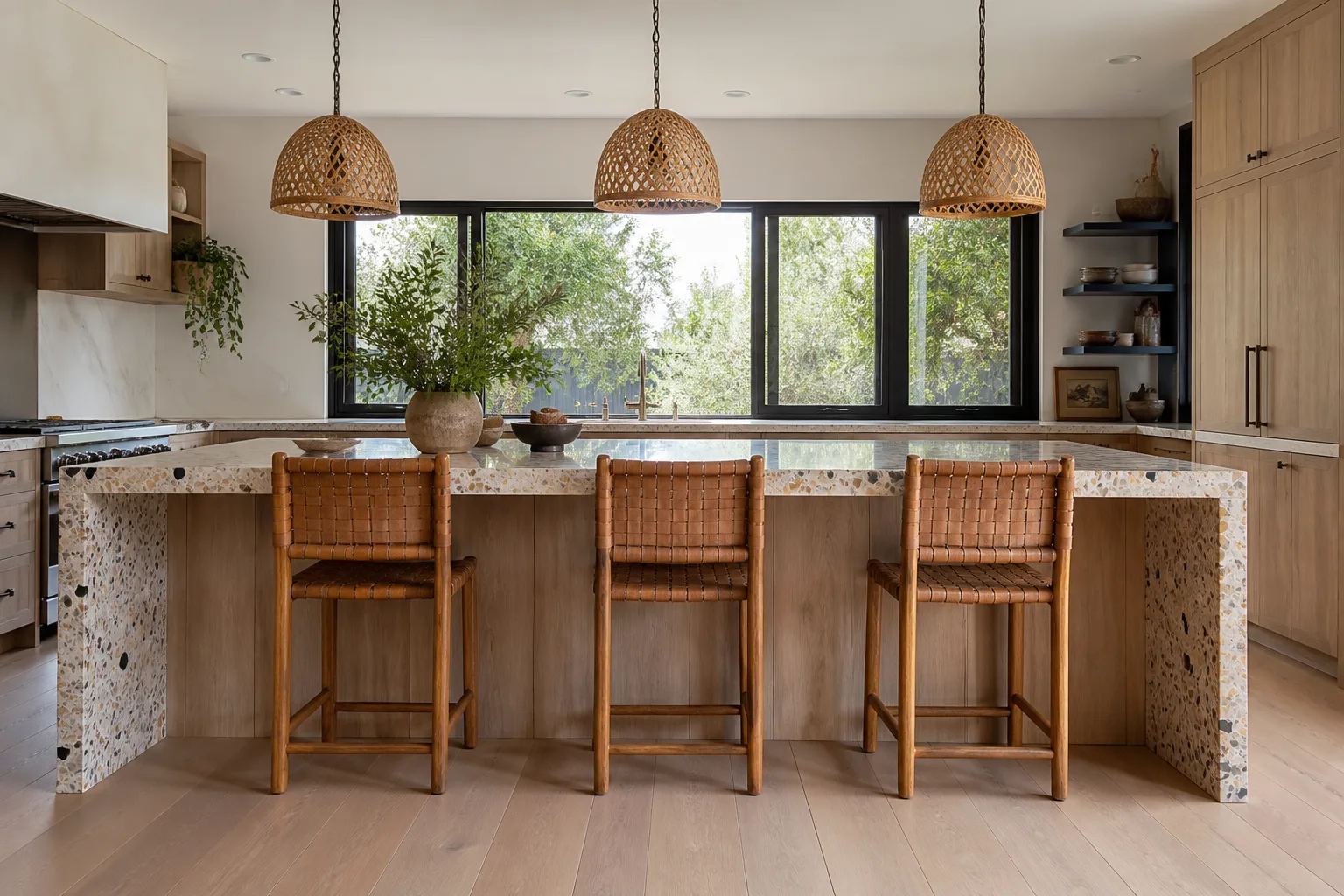
We install and remodel around the full Caesarstone catalog, but in Thousand Oaks kitchens we see three collections most often: the Classic series (think 2141 Pure White, 5100 Frosty Carrina, 5300 Concreto), the Supernatural series where the veining runs full-depth through the slab, and the Outdoor series on grill islands and covered patio counters. The compatibility gotcha most homeowners miss is thickness. Older Thousand Oaks homes built before roughly 2010 often have 2 cm (3/4″) Caesarstone slabs. Current standard is 3 cm (1-1/4″), which means you can’t just swap one countertop section without addressing the cabinet height difference, backsplash reveal, and edge detail.
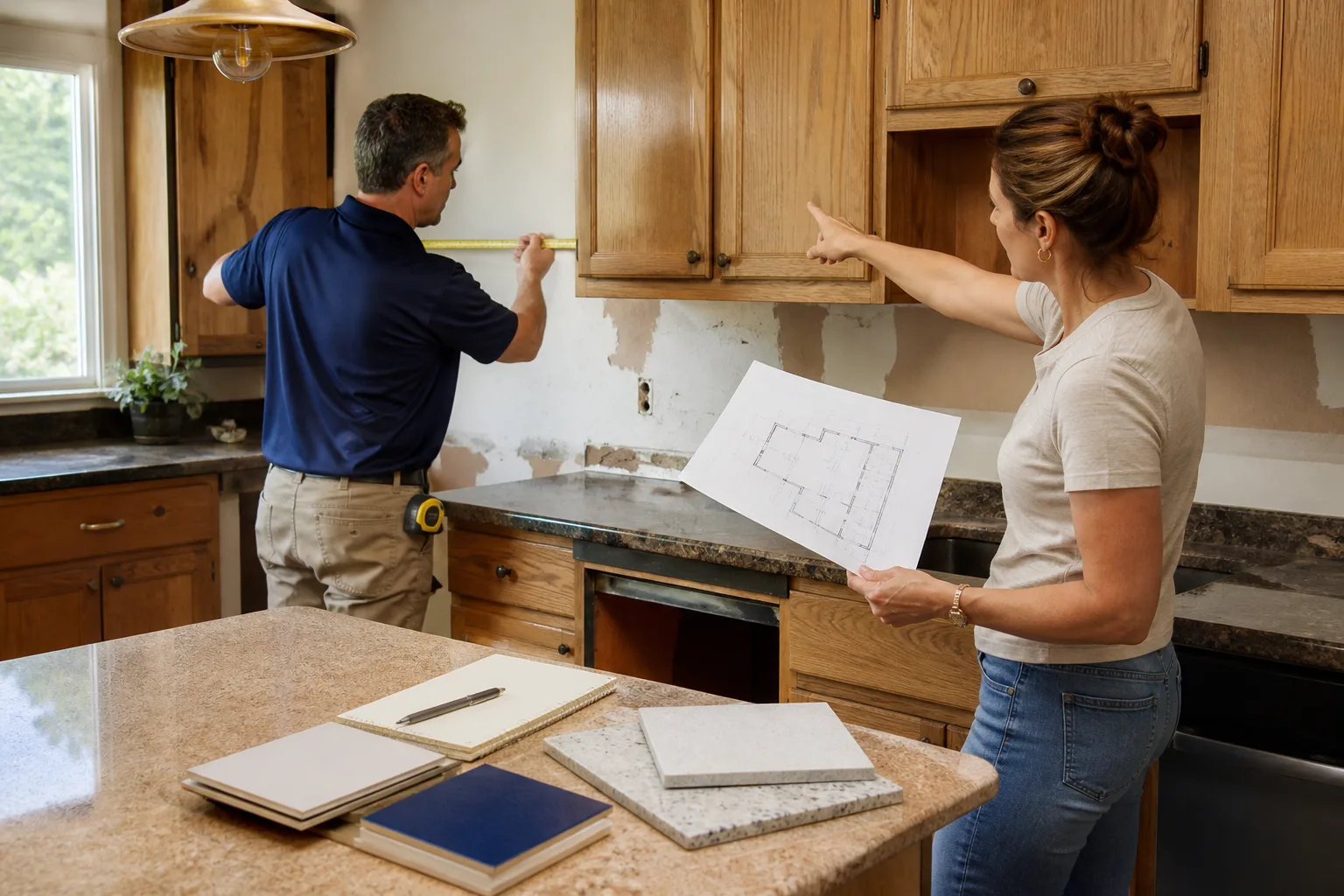
Each Caesarstone slab carries a serial label on the underside, usually near a corner, printed directly on the slab or on a removable sticker. When we come out for a free estimate, that label tells us the exact color code, production batch, and thickness. Color matching a partial replacement across Caesarstone batches is trickier than most people expect, especially on the lighter whites. We always check the batch number and order from the same run when the job requires patchwork or a matching island extension. If you can’t find the label, we measure thickness and check the finish, polished versus honed, which narrows it down fast.
OEM versus aftermarket matters less for Caesarstone itself than for the parts around it. The slab is the slab. But seam adhesives, silicone color, sink mounting clips, and support brackets all have to be rated for quartz, which is heavier than granite per square foot and less forgiving of uneven substrate. We use quartz-rated adhesives and stainless brackets on every Caesarstone job in Thousand Oaks, never generic construction adhesive, because a $12 tube of the wrong glue is the difference between a seam that disappears and a seam that telegraphs through in six months.
We also work with KraftMaid and Wellborn cabinetry, and Cambria and Silestone surfaces, so if the Caesarstone discovery leads to a bigger conversation about cabinets that can’t hold the added weight or a different surface for a tight budget, we can have that conversation without handing you off to another contractor.
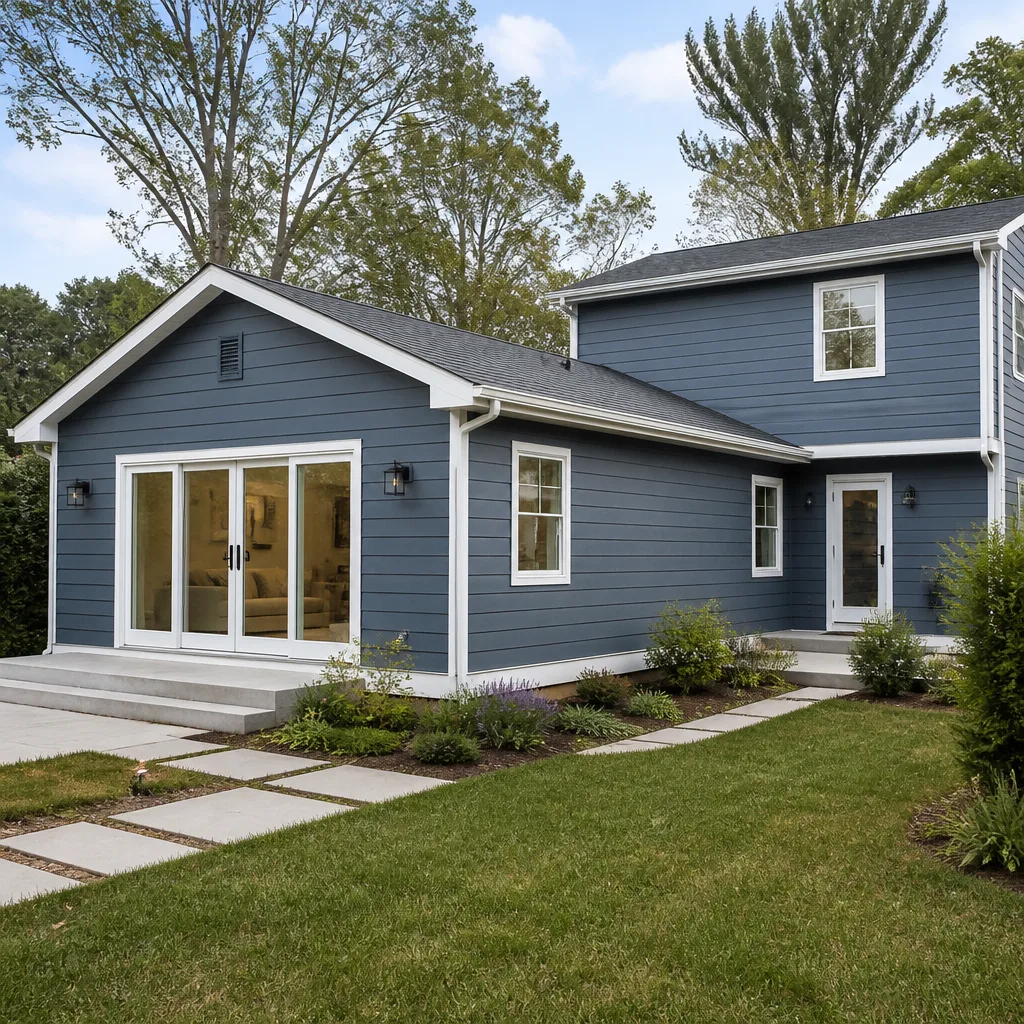
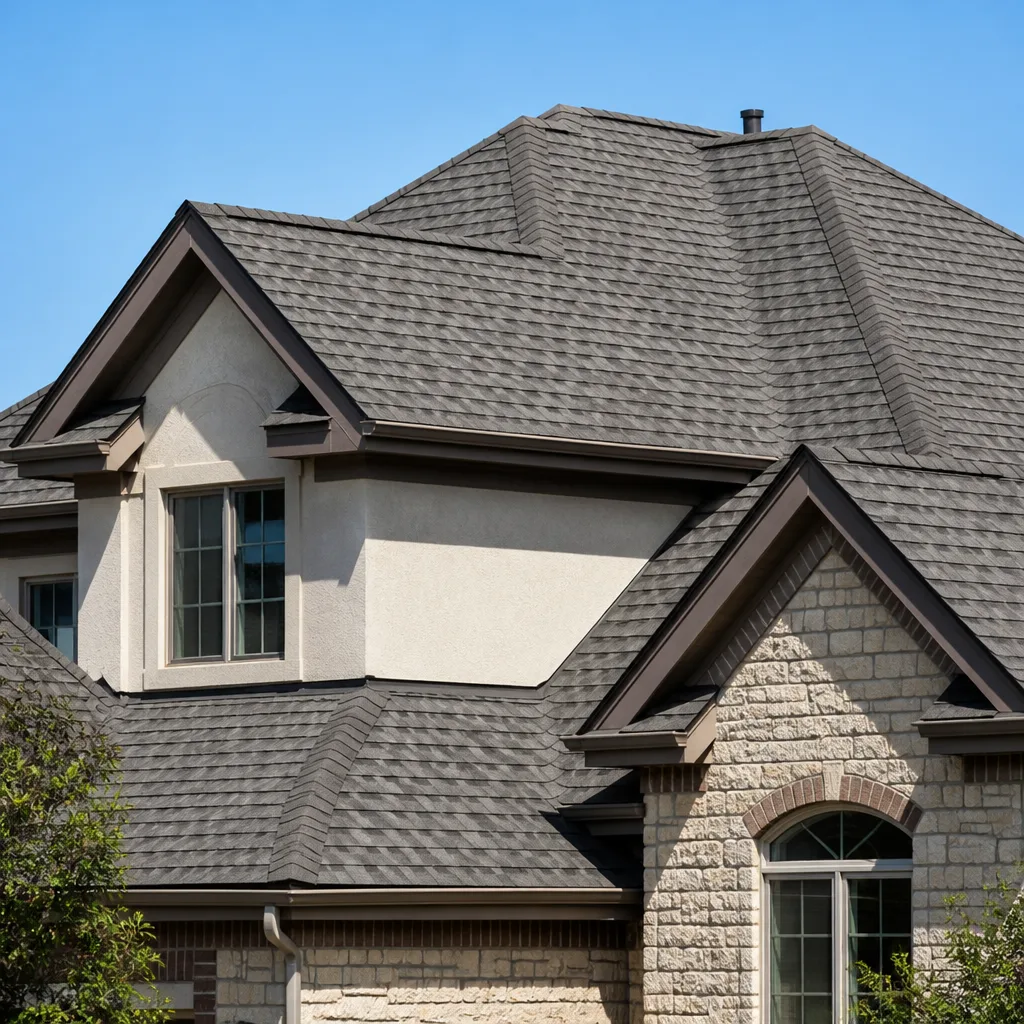
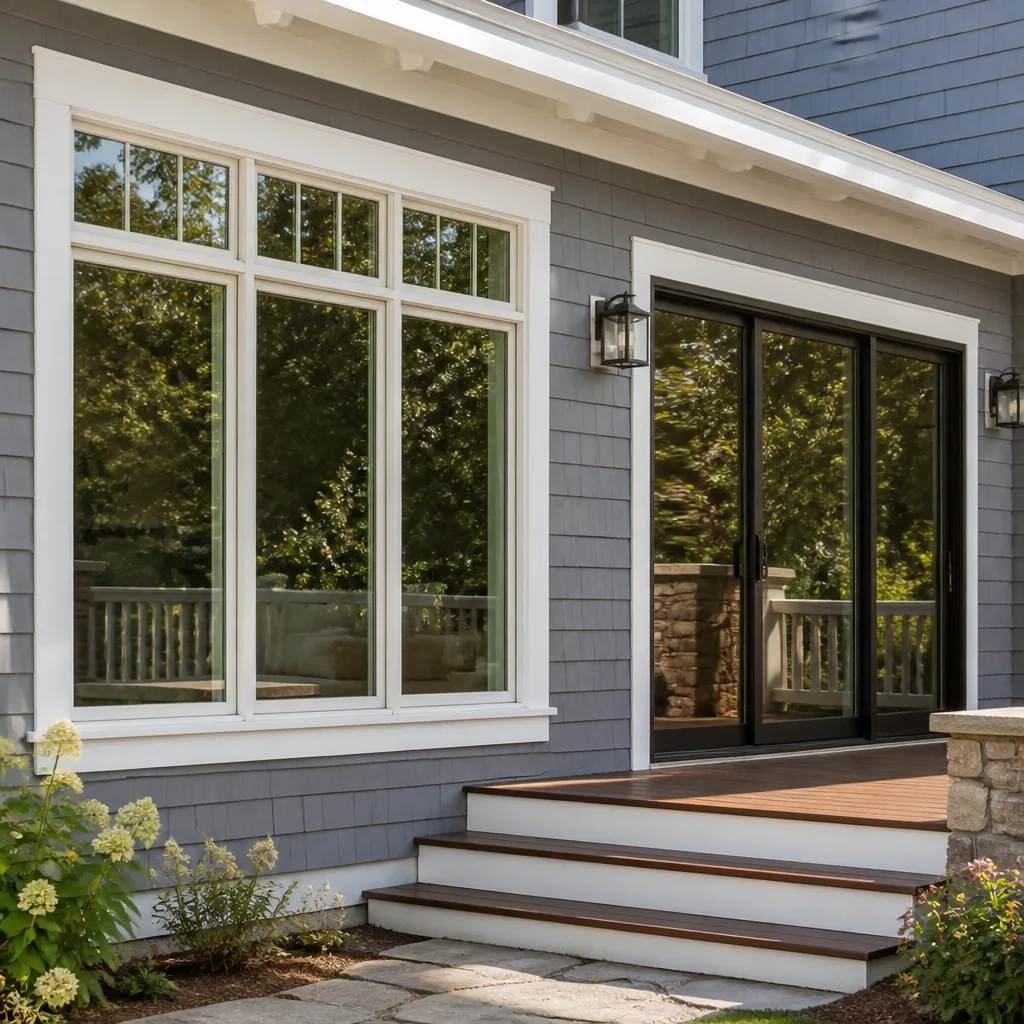
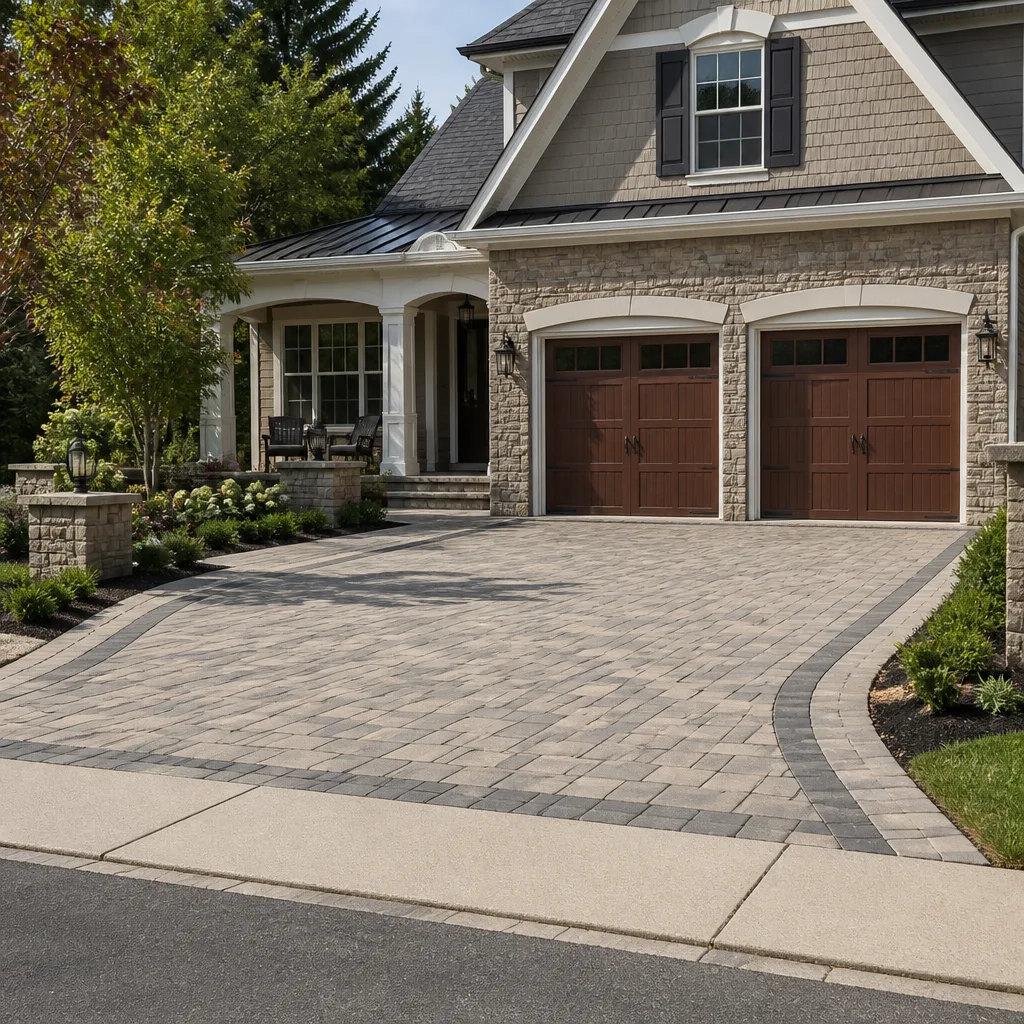
Styles & brands we work with
Signs Your Caesarstone Kitchen Remodeling Is Failing
- Hairline cracks near the sink or cooktop cutout. These two cutouts remove the most material from the slab and concentrate stress. An undersized support rail or a cabinet that’s settled even a quarter inch will crack the quartz before it fails anywhere else. Once a crack appears, it typically runs toward the nearest edge within weeks.
- Seam separation you can catch a fingernail on. Caesarstone seams should be nearly invisible and flush. If you can feel a ridge or gap, the adhesive has failed or the substrate is moving. Left alone, moisture gets in, the particle board underneath swells, and the seam opens further.
- Discoloration or haze at the seam line. This is usually residual chemical from the original adhesive or an aggressive cleaning product that’s etched the polished surface. It won’t buff out with a rag, and in Thousand Oaks hard water it can get worse quickly.
- The countertop drops or flexes when you press on it. Quartz should not move. Any movement means the support structure, usually a cabinet top or bracket, has failed. This is the one to act on fastest, because flexing concentrates stress at the cutouts.
- Chipping along the front edge or sink rim. Caesarstone edges are tough but not indestructible. A dropped cast-iron skillet or a dishwasher door slammed against the rim will chip it. Small chips are repairable. Large pops near the sink rim usually mean the cutout edge was over-polished and thinned during fabrication.
See the difference
 Before
 After
After Before
 After
After Before
 After
AfterReplacement Cost & What’s Included
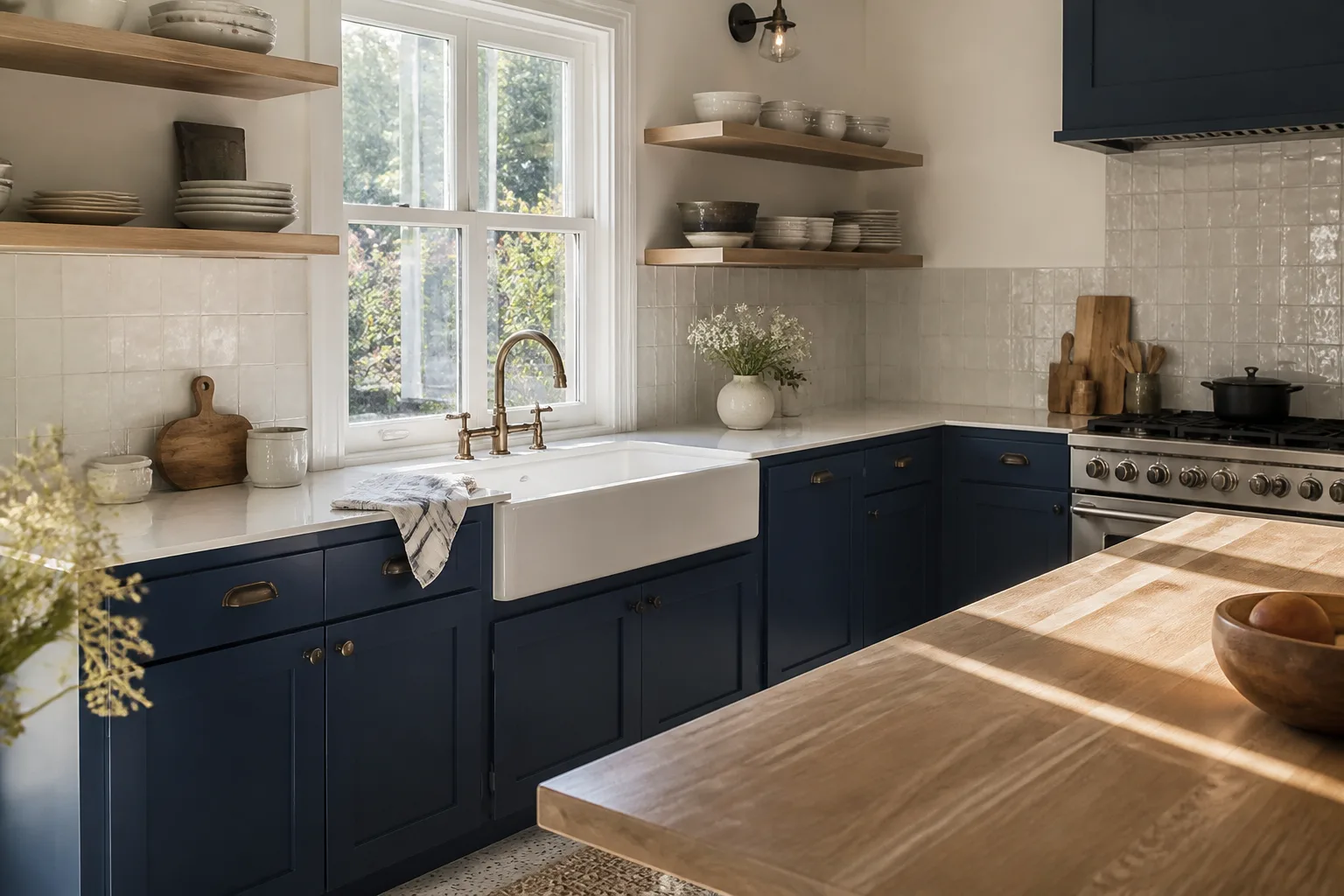
For Thousand Oaks homeowners, a Caesarstone kitchen remodel lands between $14,000 and $45,000 depending on how much of the kitchen you’re actually replacing. If it’s just the countertops and the cabinets are sound, we’re typically at $2,000 to $6,500 for the countertop installation alone. Add new cabinetry, and the cabinet work runs $4,000 to $13,000. Kitchen islands fall between $3,000 and $10,000 depending on size and whether plumbing or electrical has to move. A new backsplash runs $800 to $2,500.
Every written quote from Mason Remodeling Co Thousand Oaks includes the slab or slab sections, fabrication, delivery, demolition and haul-away of the old surface, new substrate or support brackets if needed, seam adhesive, sink cutout and mounting, and the installation labor. There are no verbal estimates here. You get a line-item price before we start, and that’s the price you pay unless you change the scope. The work carries our 365-Day Done Right Promise: if anything isn’t right within a year of completion, we come back and make it right at no cost.
DIY or Call Us?
You can safely do three things before you call us. Check the cabinet doors and drawers around the countertop for signs of settling, usually a gap that opens at the top corner of a door. Look underneath for the Caesarstone serial label and snap a photo of it. And if you see a seam opening, mark both ends with painter’s tape and write down the date so you can tell whether it’s still moving. That’s useful information, and it costs you nothing.
What you shouldn’t do is attempt a countertop repair yourself. Quartz slabs weigh roughly 20 pounds per square foot. A 30-square-foot island section is a two-person minimum lift with the right suction cups, and if it drops, it’s not a cracked tile. It’s a broken slab and possibly a broken foot. Seam repair with the wrong adhesive makes the eventual professional repair harder and more expensive, because we have to grind out the failed material before we can re-bond it. If you’ve got a crack, chip, or open seam on Caesarstone in Thousand Oaks, call us at (805) 309-3386. We’ll look at it, tell you what it costs, and tell you straight whether it’s worth fixing now or can wait.
FAQs
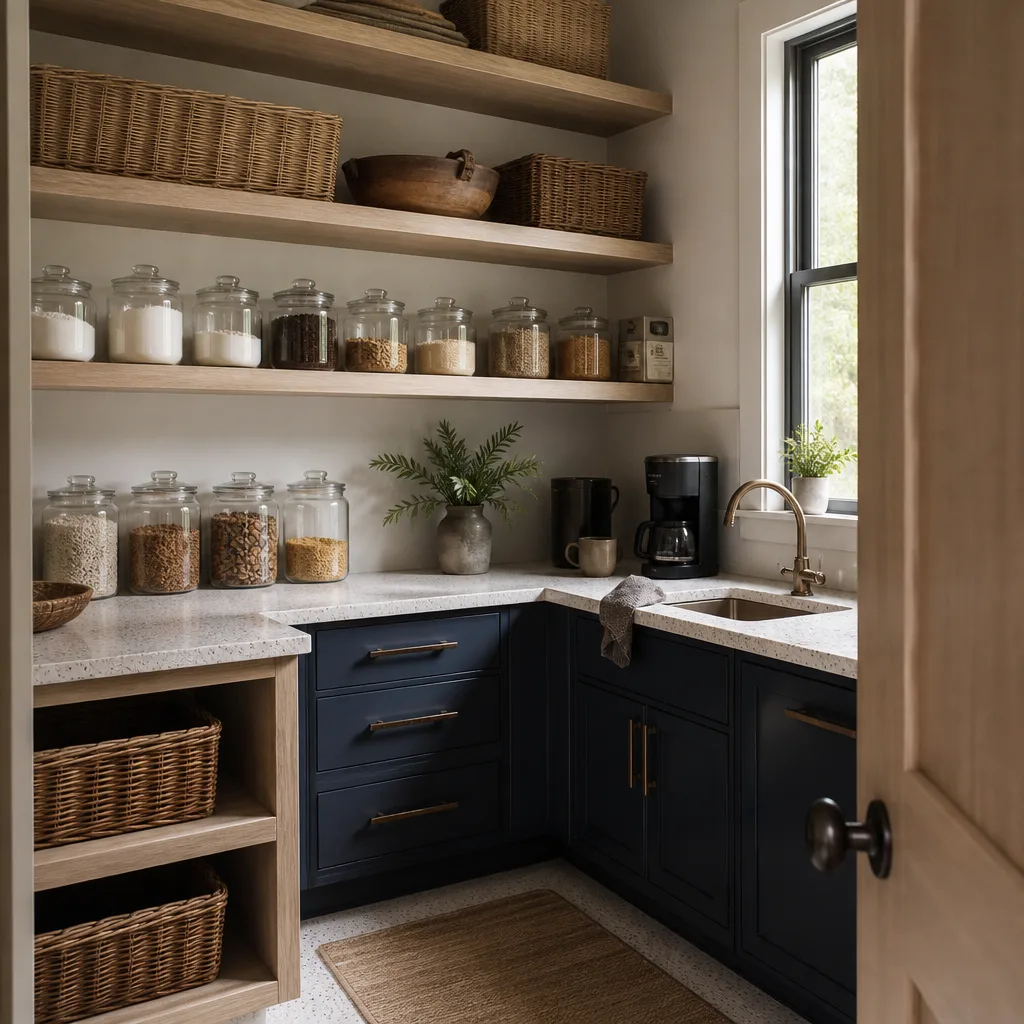
Caesarstone quartz routinely lasts 20 to 30 years or more in Thousand Oaks homes when the substrate stays dry and the support structure is sound. The slab itself won’t wear out; what typically fails first is the support underneath or the seam. Our inland Ventura County climate, with its dry heat and low humidity swings, is actually easier on quartz than coastal salt air, but hard water around sinks will etch the surface if water is left to sit and dry repeatedly.
Small edge chips can often be filled and polished so the repair is nearly invisible, and narrow surface cracks near a cutout can sometimes be stabilized with a color-matched resin. A full-thickness crack that runs to the edge of the slab, or a crack that reappears within months of a previous repair, almost always means the slab needs replacing. Call (805) 309-3386 for an honest assessment, and our estimate is free either way.
From the day we take final measurements, a standard countertop replacement takes about two to three weeks, with the slab fabricated off-site and installed in one day. The install itself, including demolition of the old surface and fitting the new slab, usually takes four to six hours. If we’re doing a full kitchen remodel with new cabinets, that typically runs four to eight weeks.
We keep quartz-rated seam adhesives, color-matched silicone, stainless steel support brackets, and sink mounting hardware on our Thousand Oaks trucks, so most seam repairs and support fixes can be quoted and completed without waiting for a parts order. Full slab replacement requires ordering the exact Caesarstone color and batch from our supplier, which adds the fabrication lead time noted above.
Written by Isaac Pruett, Owner, Mason Remodeling Co – Thousand Oaks, CA at Mason Remodeling Co Thousand Oaks, serving Thousand Oaks and nearby areas.